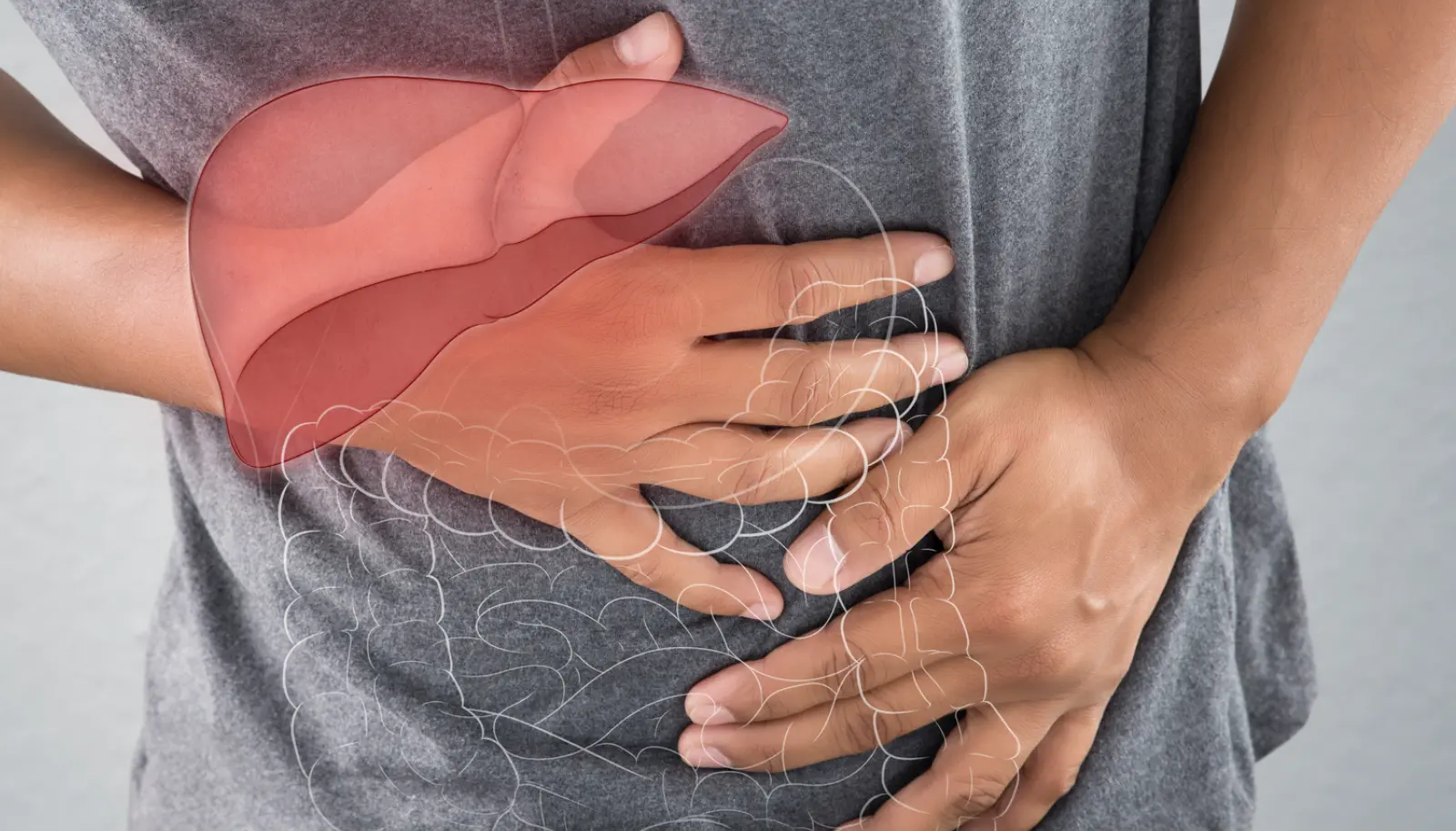
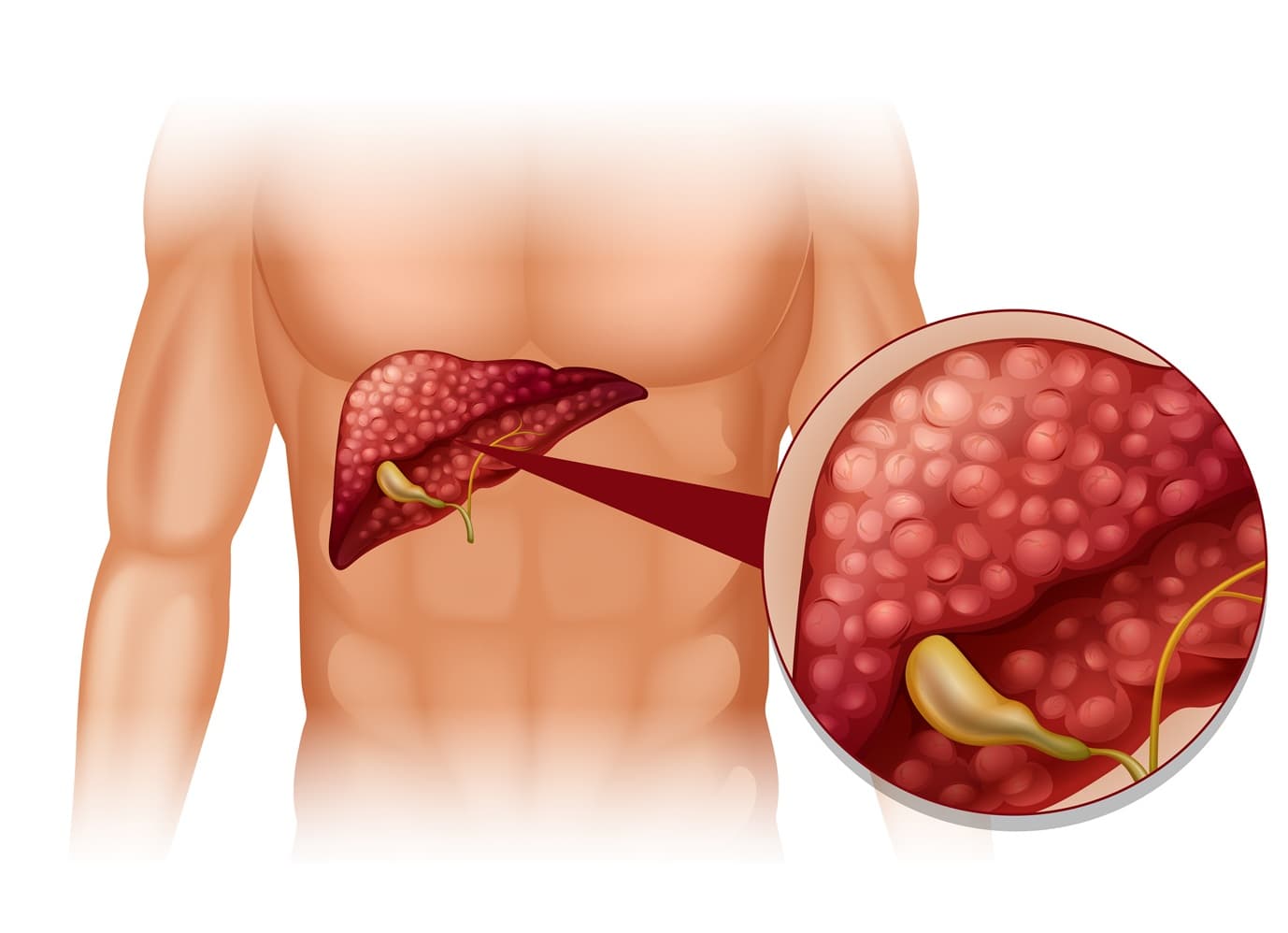
Cirrhosis is a chronic liver condition defined by extensive scarring that disrupts normal liver structure and function. As fibrosis replaces healthy liver tissue, the liver’s ability to regulate metabolism, detoxify substances, produce bile, and synthesize proteins becomes progressively impaired. These changes affect not only liver-specific processes but also systemic energy balance, muscle metabolism, and nutrient handling.
Cirrhosis develops over years and is most commonly caused by chronic viral hepatitis, alcohol-related liver disease, and metabolic-associated fatty liver disease. Many individuals experience minimal symptoms in early stages, while advanced disease is associated with complications such as fluid retention, impaired glucose regulation, sarcopenia, and micronutrient deficiencies. Malnutrition affects an estimated 20–50% of people with cirrhosis and is strongly associated with increased complications, hospitalizations, and mortality.
This article reviews the pathophysiology of cirrhosis, its nutritional and metabolic consequences, the specific energy and protein targets that protect muscle, practical nutrition strategies, and populations requiring specialized care.