Eating for Longevity: How Food Supports Healthy Aging

What the Blue Zones, the Mediterranean diet, and the science of healthspan actually teach us

2026-06-08
📝1,290words
⏱️7min read
Healthy Living
#Longevity#Healthy Aging#Blue Zones#Mediterranean Diet#Plant Based

Eating for Longevity

The idea of eating to live longer can sound like a marketing gimmick, full of exotic superfoods and expensive supplements. But there's a serious, well-documented science here, and it points somewhere refreshingly ordinary. When researchers study the populations that live longest and healthiest, the "Blue Zones" scattered around the world, and compare them with patterns like the Mediterranean diet, the same picture keeps appearing: mostly plants, lots of beans, whole grains, vegetables and fruit, healthy fats, and very little ultra-processed food.

What's striking is that this isn't about adding years of frailty. The real goal is healthspan, the number of years you stay active, sharp, and free of chronic disease, not just lifespan. The same way of eating that's linked to living longer is also linked to living better, with less heart disease, diabetes, and cognitive decline along the way.

This article looks at what the longevity evidence actually shows, the common thread across the world's longest-lived diets, why beans and plants matter so much, the role of protein and muscle in aging well, and how to put it into practice at any age.

The Core Framework
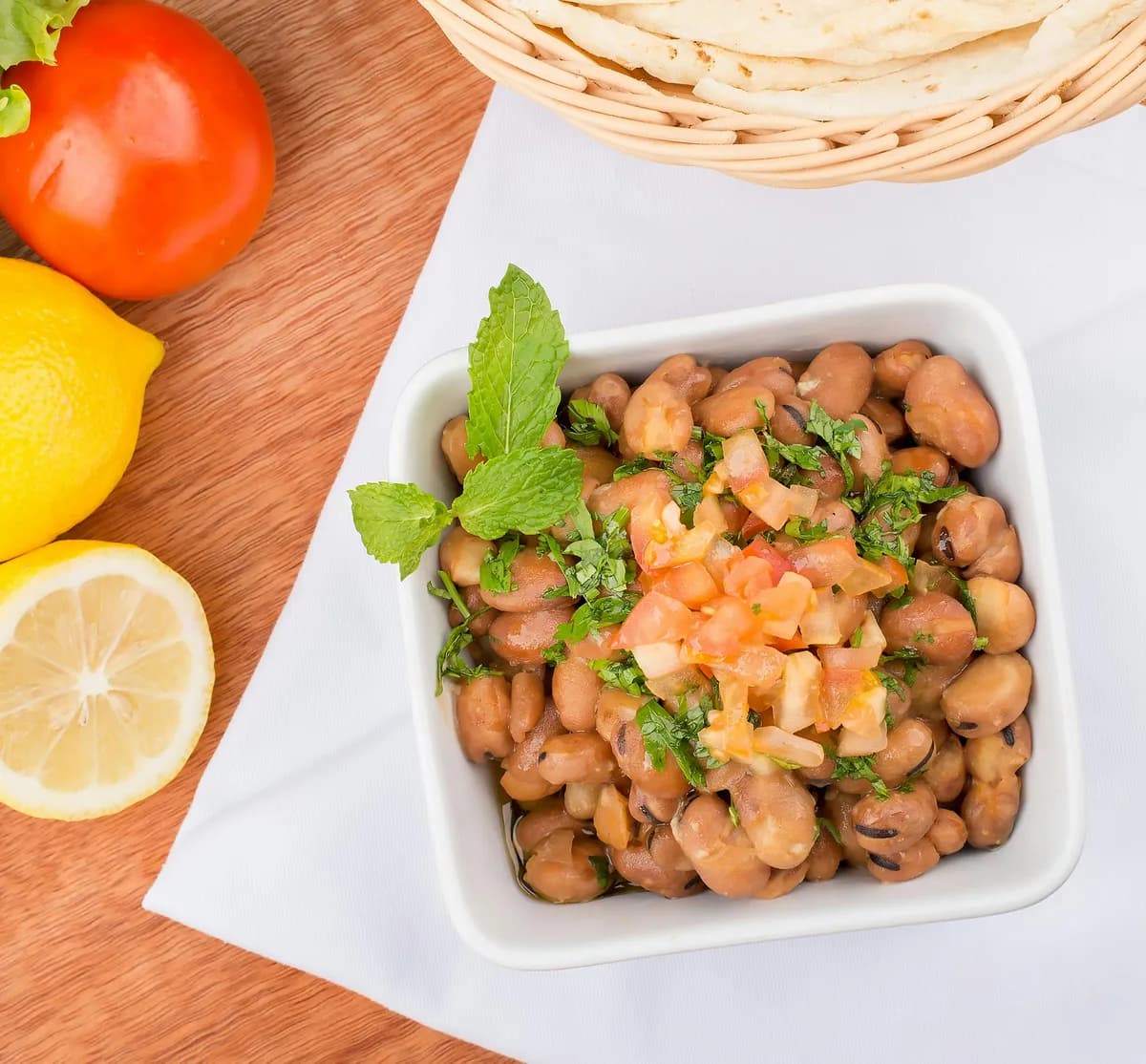
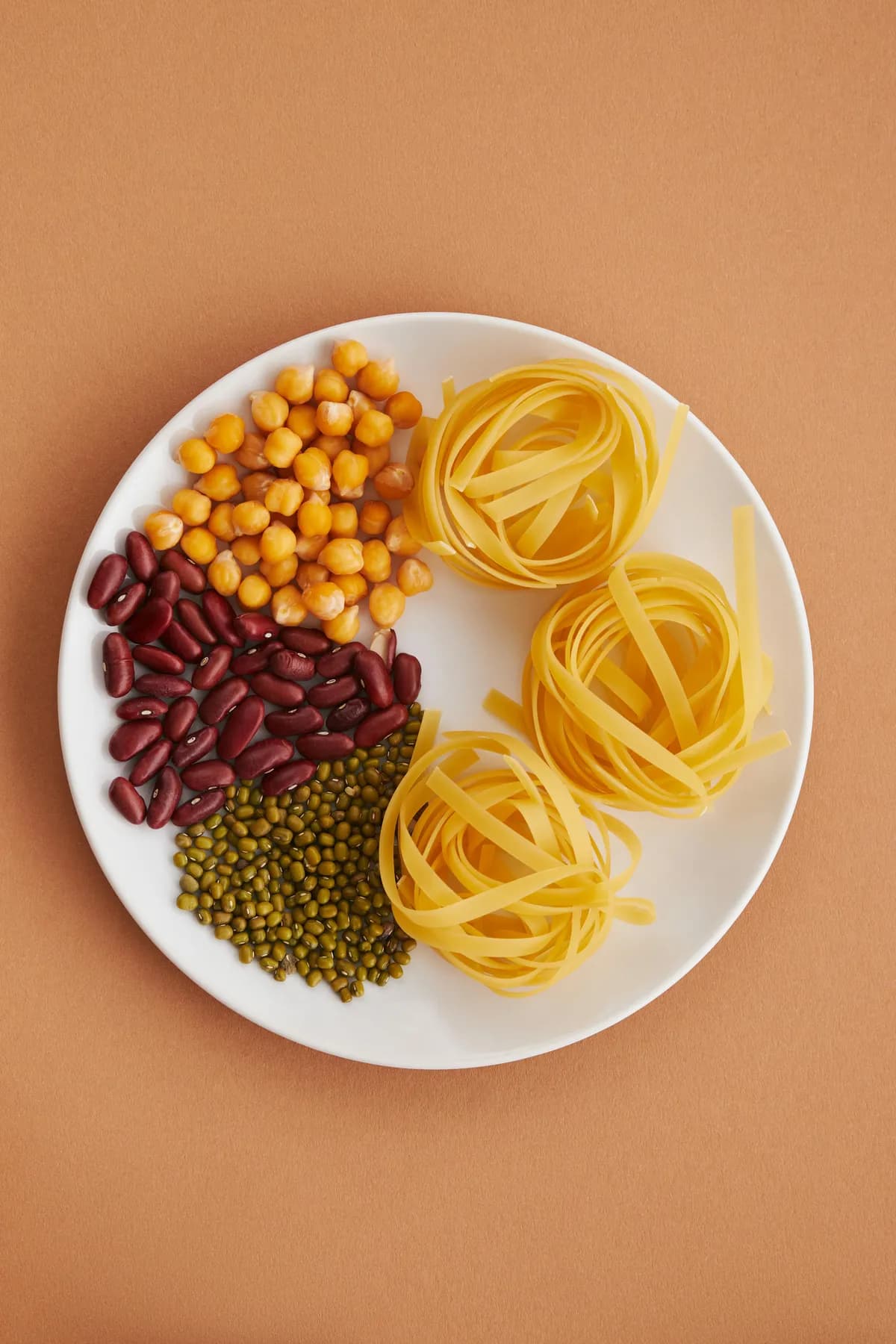
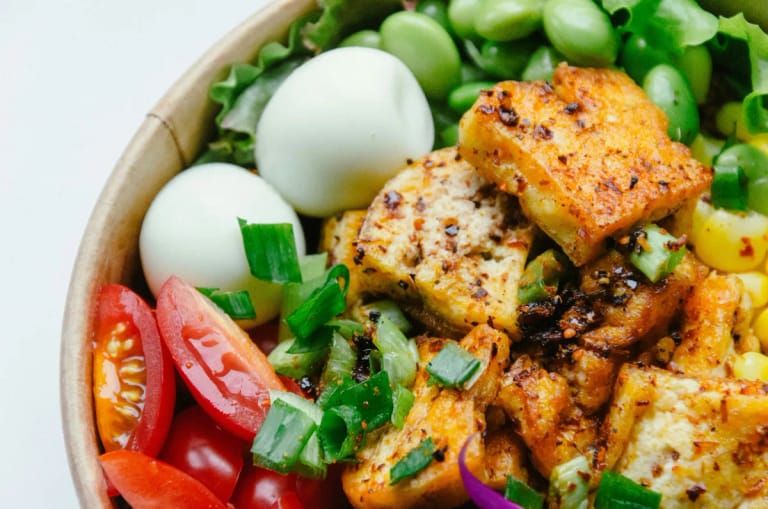
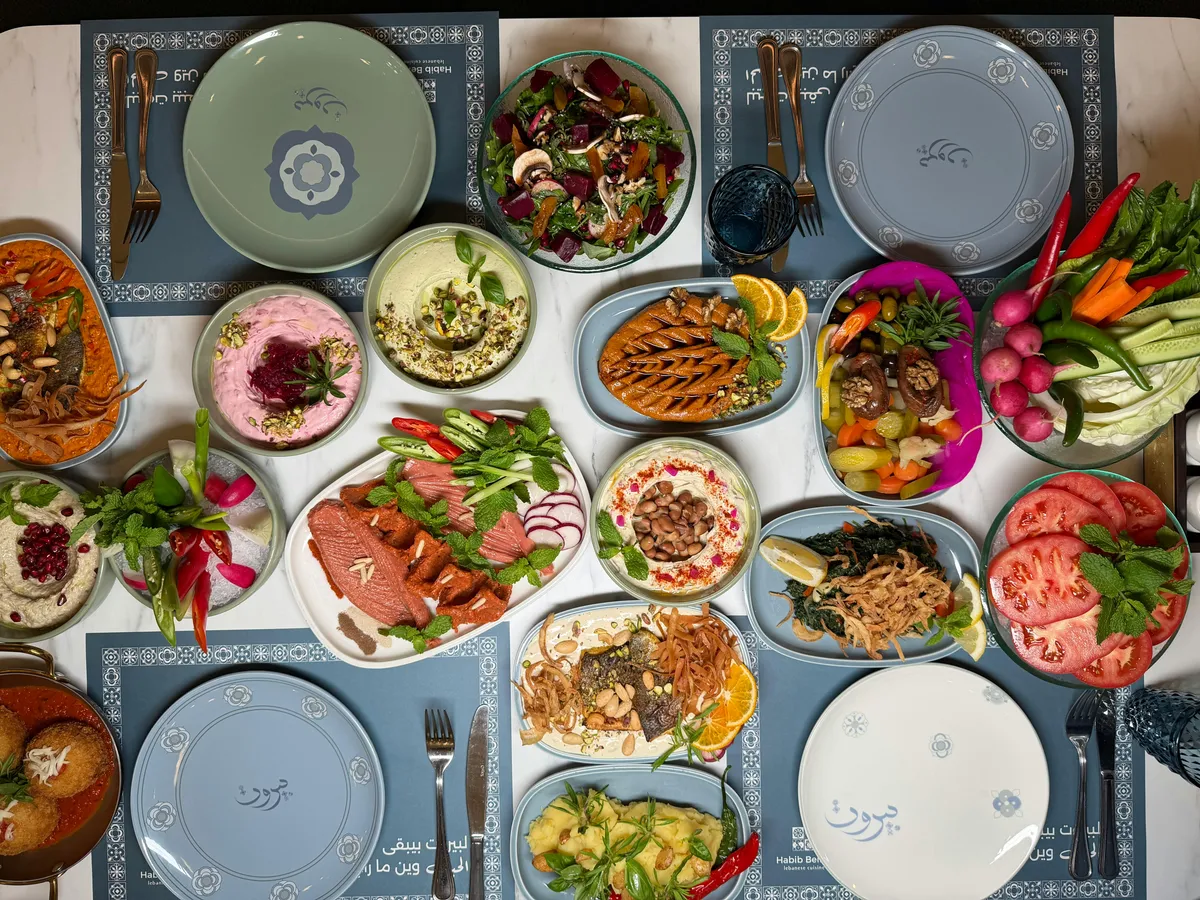
Longevity foods: beans, vegetables, whole grains, nuts, and olive oil

Mostly Plants, Plenty of Beans, Eaten for Life

The world's longevity diets converge on a plant-forward, whole-food pattern, sustained over a lifetime and paired with staying active.

Blue Zones and the Mediterranean diet share a plant-forward, whole-food core.
Legumes (beans, lentils) are the single most consistent longevity food.
The aim is healthspan, more healthy years, not just a longer lifespan.

Key Insights

A variety of beans and legumes
🫘

Beans Are the Cornerstone

Across every longevity culture, legumes show up daily, black beans, lentils, chickpeas, soy. They're the most consistent food in the world's longest-lived diets.

Active older adults enjoying life
💪

Healthspan Over Lifespan

The goal isn't just more years, it's more healthy years. Good nutrition compresses illness toward the very end rather than stretching it across decades.
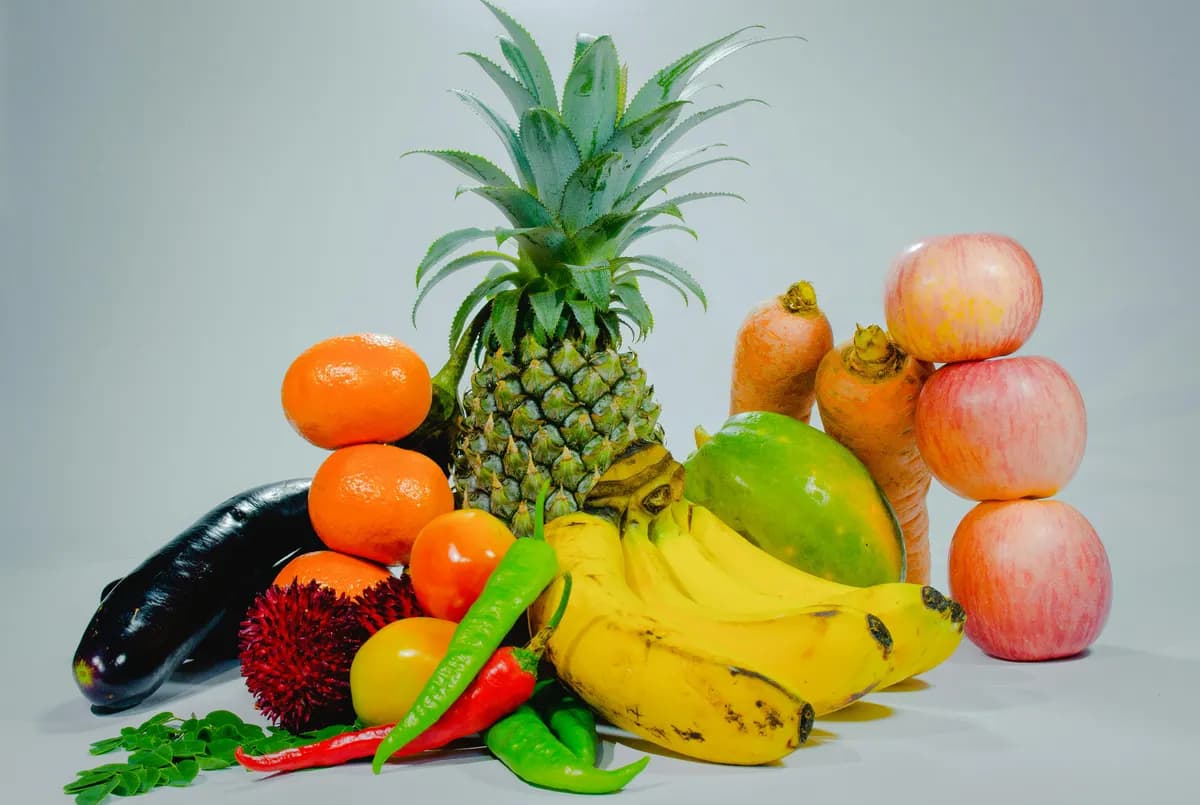
A colourful array of vegetables and fruit
🌿

It's Never Too Late

Lifelong habits matter most, but improving diet quality at any age benefits heart, metabolism, brain, and physical function. The body responds whenever you start.

Eating Like the Blue Zones

You don't have to move to Okinawa or overhaul your life. The longevity pattern is built from simple, repeatable habits that fit ordinary cooking and shopping.

A plant-forward longevity-style meal
01

Build Around Plants

Make vegetables, beans, whole grains, and fruit the foundation of most meals.
  • Aim for legumes most days: beans, lentils, or chickpeas.
  • Fill most of the plate with vegetables, whole grains, and fruit.
  • Use olive oil, nuts, and seeds as your main fats.
  • Keep ultra-processed foods and sugary drinks occasional.
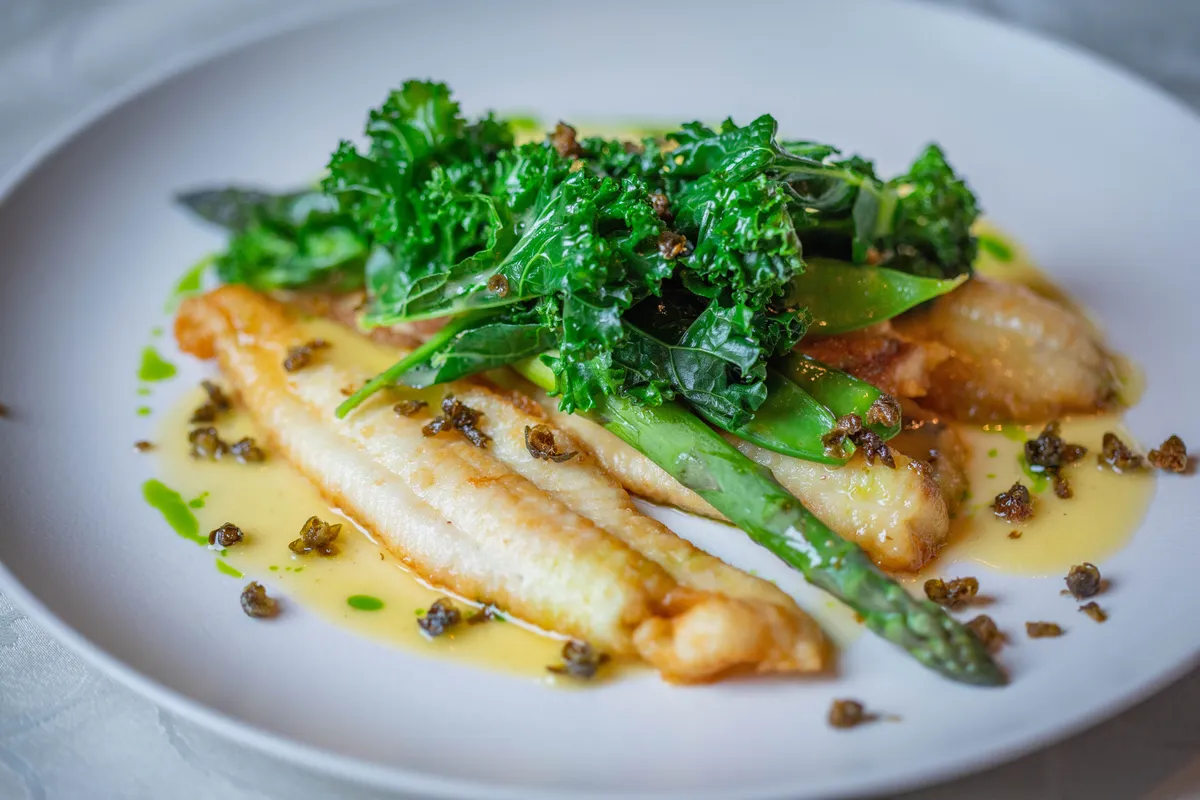
Fish with vegetables, a longevity-friendly protein
02

Include Quality Protein

Plant-forward doesn't mean protein-free, especially as you age.
  • Lean on plant proteins (beans, lentils, tofu, nuts) as the base.
  • Add fish and modest amounts of poultry, eggs, or dairy.
  • Keep protein adequate to protect muscle in later years.
  • Limit red and processed meat rather than relying on it.
03

Make It a Way of Life

Longevity comes from consistency over decades, not a perfect month.
  • Cook simple, familiar meals you'll actually repeat.
  • Eat with others when you can; shared meals are part of the pattern.
  • Pair eating well with regular, everyday movement.
  • Aim for sustainable habits, not short-term restriction.

What the Longevity Evidence Shows

The most compelling thing about longevity nutrition is how consistent it is. Researchers have studied the "Blue Zones", regions like Okinawa in Japan, Sardinia in Italy, Ikaria in Greece, Nicoya in Costa Rica, and Loma Linda in California, where people routinely live into their 90s and beyond with low rates of chronic disease. Despite being scattered across the globe with different cuisines, their diets rhyme: predominantly plant-based, rich in legumes, vegetables, and whole grains, with animal foods eaten in smaller amounts. The well-studied Mediterranean diet shows the same shape and the same benefits for heart disease, diabetes, and cognition.

Beans, Plants, and Why They Work

If one food defines the longevity pattern, it's the bean. Legumes are the cornerstone of every Blue Zone diet, and it's easy to see why: they pair plant protein with fiber, are gentle on blood sugar, and are linked to lower chronic-disease risk. More broadly, diets high in vegetables, fruit, nuts, and seeds are associated with markers of slower biological aging, including longer telomeres (the protective caps on our DNA). These foods aren't exotic; they're inexpensive, widely available, and easy to build meals around.

Protein and Muscle Still Matter

A plant-forward diet isn't a low-protein diet, and this is an important nuance. As we age, protecting muscle becomes central to staying mobile and independent, and that requires adequate protein, especially from a mix of legumes plus some fish, poultry, eggs, or dairy, alongside staying physically active. The longevity pattern balances "mostly plants" with "enough quality protein," rather than swinging to either extreme.

The longest-lived populations don't follow a fad. They eat mostly plants, plenty of beans, and modest animal foods, consistently, for life.

Healthspan Is the Real Prize

It's worth repeating why this matters: the goal isn't simply more birthdays. It's more healthy, capable years, what researchers call healthspan. The same eating pattern that's linked to a longer life is linked to fewer years lived with chronic disease, better physical function, and sharper cognition. And while a lifetime of good habits is ideal, the evidence is clear that improving diet quality at any age brings real benefits. Wherever you're starting from, eating more plants and beans, choosing quality proteins, and cutting back on ultra-processed food moves you in the right direction.

Longevity Eating Myths vs Facts

Myths vs Facts

Myth

Living longer requires exotic superfoods and expensive supplements.

Hover to flipTap to flip
Fact
  • The world's longevity diets are built on humble, affordable foods, above all beans.
  • Consistency with everyday plants and whole foods matters far more than any 'superfood.'
Myth

Eating for longevity means going fully vegan or cutting all animal foods.

Hover to flipTap to flip
Fact
  • Longevity diets are plant-forward but typically include fish and modest animal foods.
  • Adequate protein, including some animal sources, helps protect muscle with age.
Myth

It's pointless to change your diet once you're older.

Hover to flipTap to flip
Fact
  • Improving diet quality at any age benefits the heart, metabolism, brain, and muscle.
  • The body responds to better habits whenever they start; it's never too late.
Myth

A longevity diet is about restriction and willpower.

Hover to flipTap to flip
Fact
  • The Blue Zones thrive on enjoyable, shared, sustainable eating, not deprivation.
  • A pattern you actually like and can keep up for decades is what delivers the benefit.

Resources and Tools

🌐

Blue Zones — Food Guidelines

Website

Practical food principles drawn from the world's longest-lived communities.

🍽️

Harvard Healthy Eating Plate

Website

A simple visual guide for building balanced, plant-forward meals.

📖

The Blue Zones Kitchen

Book

Longevity-focused recipes and principles from the original Blue Zones research.

Conclusion

Eating for a long, healthy life turns out to be less mysterious than the wellness industry suggests. The populations that live longest, and the diets best studied for longevity, point the same way: mostly plants, plenty of beans, whole grains and vegetables, healthy fats, fish and modest animal foods, and very little ultra-processed food, all sustained over time and paired with staying active. The real prize isn't just more years but more healthy ones, and that's within reach through everyday, affordable food. Best of all, it's never too late to start. Whatever your age, shifting toward this pattern, ideally with a dietitian's help to make it fit your life, is one of the most powerful things you can do for how well you age.


Frequently Asked Questions

Is there really a 'longevity diet'?

There's no single magic diet, but there's a remarkably consistent pattern. The world's longest-lived populations, the 'Blue Zones', and the well-studied Mediterranean diet share the same core: mostly plants, plenty of legumes (beans), whole grains, vegetables, fruit, nuts, and olive oil, with fish and modest amounts of other animal foods, and very little ultra-processed food. It's less about exotic superfoods and more about an everyday, plant-forward way of eating sustained over a lifetime.

What's the difference between lifespan and healthspan?

Lifespan is how long you live; healthspan is how many of those years are healthy, active, and disease-free. The goal of eating for longevity isn't just adding years, it's adding good years, compressing illness toward the very end rather than spending decades managing chronic disease. The same dietary patterns that support a longer life also support a healthier one.

Why are beans so important?

Beans and other legumes are the single most consistent food across every longevity culture, black beans in Costa Rica, lentils and chickpeas in the Mediterranean, soy in Okinawa. They're rich in plant protein and fiber, gentle on blood sugar, inexpensive, and linked to lower rates of chronic disease. If there's one practical change with strong longevity evidence behind it, it's eating more legumes.

Do I need to eat less protein to live longer?

Not exactly. Longevity diets are plant-forward but still include quality protein, and protein becomes more important with age to protect muscle. The nuance is the source and balance: emphasizing plant proteins (beans, lentils, nuts) while including some fish, poultry, eggs, and dairy in moderation. Adequate protein plus staying active is key to preserving the muscle that keeps you independent as you age.

Is it too late to start if I'm already older?

No. While lifelong habits matter most, research shows that improving diet quality at any age brings benefits, for heart health, metabolic health, cognition, and physical function. It's never too late to add more vegetables, beans, and whole grains, cut back on ultra-processed foods, and pair good eating with movement. The body responds to better habits whenever they start.

Sources & References

Healthy Diets and Lifestyles: Mediterranean and Blue Zone People Live Longer (PubMed) pubmed.ncbi.nlm.nih.gov/38566378/
1
Blue Zones — Food Guidelines www.bluezones.com/recipes/food-guidelines/
2
Harvard T.H. Chan School of Public Health — The Nutrition Source: Healthy Eating Plate www.hsph.harvard.edu/nutritionsource/healthy-eating-plate/
3

Similar Blogs

clinical-nutrition
Food Allergies vs. Intolerances: A Clinical Overview

An evidence-based overview of food allergies, intolerances, and sensitivities: the crucial differences, how each is properly diagnosed, and how to manage them without needless restriction.

clinical-nutrition
Nutrition on GLP-1 Medications: A Clinical Overview

An evidence-based overview of nutrition while taking GLP-1 medications: why protein and muscle matter, managing side effects, avoiding nutrient gaps, and why a dietitian is key to lasting results.

foundational-habits
How Much Protein Do You Really Need?

A practical, evidence-based guide to protein: how much you actually need, why active and older adults need more, how to spread it across the day, and when the protein craze goes overboard.

clinical-nutrition
Cancer & Nutrition: Eating Well Through Treatment

An evidence-based overview of nutrition during cancer treatment: why protein and calories matter, managing side effects and cachexia, the truth about 'sugar feeds cancer,' and when to get support.

gut-health
Celiac Disease: A Clinical Nutrition Overview

An evidence-based overview of celiac disease: how it differs from gluten sensitivity, why a strict gluten-free diet is the only treatment, the deficiencies to watch for, and avoiding cross-contamination.

gut-health
GERD & Acid Reflux: A Clinical Nutrition Overview

An evidence-based overview of GERD and acid reflux: why weight loss, meal timing, and bed elevation beat blanket food bans, how to find your personal triggers, and when to see a doctor.

maternal-nutrition
Gestational Diabetes: A Clinical Nutrition Overview

An evidence-based overview of gestational diabetes (GDM): blood glucose targets, carbohydrate management, why most people manage with nutrition alone, and protecting both mother and baby.

clinical-nutrition
Gout & Nutrition: A Clinical Overview

An evidence-based overview of gout nutrition: the role of purines, fructose, and alcohol, why weight loss helps, the truth about cherries, and why diet supports but doesn't replace medication.

womens-health
Menopause & Nutrition: A Clinical Overview

An evidence-based overview of nutrition through menopause: why protein and bone matter more, the truth about soy and hot flashes, managing midlife weight gain, and protecting long-term heart and bone health.

heart-health
Stroke & Nutrition: Prevention and Recovery

An evidence-based overview of nutrition for stroke: the dietary patterns and sodium targets that cut risk, plus how nutrition supports recovery, including dysphagia (swallowing difficulty).

clinical-nutrition
Type 2 Diabetes: A Clinical Nutrition Overview

An evidence-based overview of type 2 diabetes nutrition: how to manage and even reverse it, the plate method, carbohydrate quality, weight-loss targets, and what the latest ADA standards recommend.

gut-health
Ulcerative Colitis: A Clinical Nutrition Overview

An evidence-based overview of ulcerative colitis nutrition: how it differs from Crohn's, eating during flares vs remission, key deficiencies, the Mediterranean diet evidence, and avoiding needless restriction.

nutrient-deficiencies
Vitamin B12 Deficiency: A Clinical Nutrition Overview

An evidence-based overview of vitamin B12 deficiency: the at-risk groups (vegans, older adults, metformin and PPI users), the serious neurological signs, food sources, and when supplements or injections are needed.

heart-health
Hyperlipidemia: Nutrition Strategies for Cholesterol Management

An overview of hyperlipidemia: what the lipid numbers mean, the diet changes that actually lower LDL (soluble fiber, plant sterols, swapping saturated fats), and how much each can move the needle.

foundational-habits
Healthy Eating in Restaurants

Eating out can fit into a healthy lifestyle. Learn practical, flexible strategies to make confident choices at restaurants without guilt or perfectionism.

heart-health
Heart Failure and Nutrition

An evidence-based overview of heart failure: the physiology, the sodium and fluid targets that ease congestion, and why protecting muscle matters as much as cutting salt.

foundational-habits
Detox Diets: What Actually Helps Your Body

Detox diets promise quick resets, but your body already has built-in detox systems. Learn what truly supports them through everyday habits.

nutrient-deficiencies
Anemia: A Clinical Nutrition Overview

An evidence-based overview of anemia, covering common causes, clinical features, diagnostic markers, iron-rich foods with absorption data, and nutrition-focused management strategies.

foundational-habits
Anti-Inflammatory Nutrition: A Clinical Overview

An evidence-based overview of anti-inflammatory nutrition: how diet influences inflammatory markers like CRP, the foods and patterns that genuinely help, and the myths (nightshades, celery juice, 'inflammatory food' lists) worth ignoring.

clinical-nutrition
Cirrhosis: A Clinical Nutrition Overview

An evidence-based overview of cirrhosis, covering liver function decline, complications, and the nutrition targets that protect muscle: energy, protein, the late-evening snack, sodium, and vitamins.

gut-health
Crohn’s Disease: A Clinical Nutrition Overview

An evidence-based overview of Crohn’s disease: how inflammation drives malabsorption, the specific deficiencies to watch, and proven nutrition therapies like exclusive enteral nutrition.

maternal-nutrition
Endometriosis: A Clinical Nutrition Overview

An evidence-based overview of endometriosis: the inflammation and estrogen drivers, the gut-and-hormone connection, and specific nutrition strategies (omega-3s, fiber, fat quality) that may ease symptoms.

meal-planning-prep
Meal Planning for Busy Families

A practical guide to help busy families simplify meal planning with flexible routines, quick strategies, and supportive habits that make weeknight meals easier.

foundational-habits
Nutrition Myths Debunked

A clear, approachable guide that breaks down common nutrition myths and replaces them with realistic, everyday habits that support long-term wellness.

maternal-nutrition
Vitamin D and Pregnancy: A Clinical Nutrition Overview

An evidence-based overview of vitamin D in pregnancy: maternal and fetal benefits, the 2024 guideline shift toward supplementation, realistic dosing, food sources, and who's most at risk of deficiency.

clinical-nutrition
Prediabetes & Insulin Resistance: A Clinical Nutrition Overview

An evidence-based overview of prediabetes and insulin resistance: the diagnostic numbers, why it's reversible, and the specific nutrition and lifestyle strategies proven to cut diabetes risk by up to 58%.

healthy-living
Reasons to Shop Seasonally

A lifestyle-friendly guide to seasonal shopping: why it can taste better, feel lighter on your budget, and bring more variety and ease to everyday meals.

clinical-nutrition
Thyroid Health & Nutrition: A Clinical Overview

An evidence-based overview of thyroid health: how hypothyroidism and hyperthyroidism differ, the key nutrients (iodine, selenium, iron, zinc), medication timing, and what the goitrogen myth gets wrong.

healthy-living
Impact of Rising Food Prices on Canadians' Healthcare

Understand how rising food prices influence Canadians' eating habits, stress levels, and long-term healthcare outcomes, plus practical strategies to stay nourished on a budget.

gut-health
Irritable Bowel Syndrome (IBS): A Clinical Nutrition Overview

A clinically grounded overview of IBS: how it's diagnosed (Rome IV), why symptoms happen, and the specific nutrition strategies, including the 3-phase low-FODMAP diet, that reduce symptoms.

womens-health
PCOS (Now PMOS) and Nutrition: A Clinical Overview

An evidence-based overview of PCOS (recently renamed PMOS) covering the updated diagnosis, why insulin resistance is central, and the specific nutrition strategies that improve hormones, cycles, and metabolic health.

dietary-strategies
The Ketogenic Diet: A Clinical Nutrition Overview

An evidence-based overview of the ketogenic diet: how ketosis works, what the research shows for weight loss and type 2 diabetes, the real risks, and why sustainability is the catch.

clinical-nutrition
Osteoporosis & Bone Health: A Clinical Nutrition Overview

An evidence-based overview of osteoporosis: the nutrients that build and preserve bone (calcium, vitamin D, protein), why food beats supplements, and how to lower fracture risk.

brain-mental-health
Nutrition & Brain Health: A Clinical Overview

An evidence-based overview of nutrition and brain health: the nutrients tied to mood and cognition, the MIND and Mediterranean diets, and how eating patterns may protect against cognitive decline.

heart-health
Hypertension: A Clinical Nutrition Overview

An evidence-based overview of hypertension (high blood pressure): updated 2025 thresholds, why it's the 'silent killer,' and the specific nutrition strategies (DASH, sodium, potassium) that lower it.

gut-health
Pancreatitis: A Clinical Nutrition Overview

An evidence-based overview of pancreatitis: acute vs chronic, why early feeding now replaces 'pancreatic rest,' enzyme replacement and fat-soluble vitamins, and how nutrition protects the pancreas.

clinical-nutrition
MASLD (Formerly NAFLD): A Clinical Nutrition Overview

An evidence-based overview of metabolic dysfunction-associated steatotic liver disease (MASLD, formerly NAFLD): the new diagnosis, why it's so nutrition-responsive, and the specific strategies that reduce liver fat.

clinical-nutrition
Kidney Health: A Clinical Nutrition Overview

An evidence-based overview of kidney health: how the kidneys work, the stages of chronic kidney disease, kidney stones and oxalate, and the specific nutrition strategies that protect them.

gut-health
Nutrition for Gut Health: A Clinical Overview

An evidence-based overview of nutrition for gut health: how fiber and plant diversity feed the microbiome, what probiotics and fermented foods actually do, and strategies for common digestive concerns.

healthy-living
Nutrition for Immune Health: A Clinical Overview

An evidence-based overview of nutrition and immunity: the micronutrients that matter most, the gut-immune connection, why no single food 'boosts' immunity, and what actually supports your defenses.

healthy-living
Supplements: What Works and What Doesn't

An evidence-based overview of dietary supplements: who actually needs them, which have strong evidence, which are overhyped, which can harm, and how to choose safe, effective products.