How Much Protein Do You Really Need?
Protein is having a moment. It's added to everything from cereal to coffee, "high-protein" is a selling point on every shelf, and social media is full of advice to eat as much of it as possible. Some of that attention is well-deserved: protein genuinely matters for muscle, strength, satiety, and healthy aging, and many people, especially older adults, don't get enough. But the hype has also outrun the evidence in places, leaving people unsure how much they actually need and whether they're somehow falling short.
The good news is that protein needs are knowable and very achievable from ordinary food. There's a real target, it's higher than the bare-minimum official number for most active and older people, and how you spread it across the day matters more than chasing an enormous total. You almost certainly don't need to "protein-maxx" your way through powders and bars to get there.
This article lays out how much protein you really need, why active and older adults need more, how to distribute it well, the best sources, and where the protein craze tips into overkill.
The Core Framework
Enough, Spread Out, From Good Sources
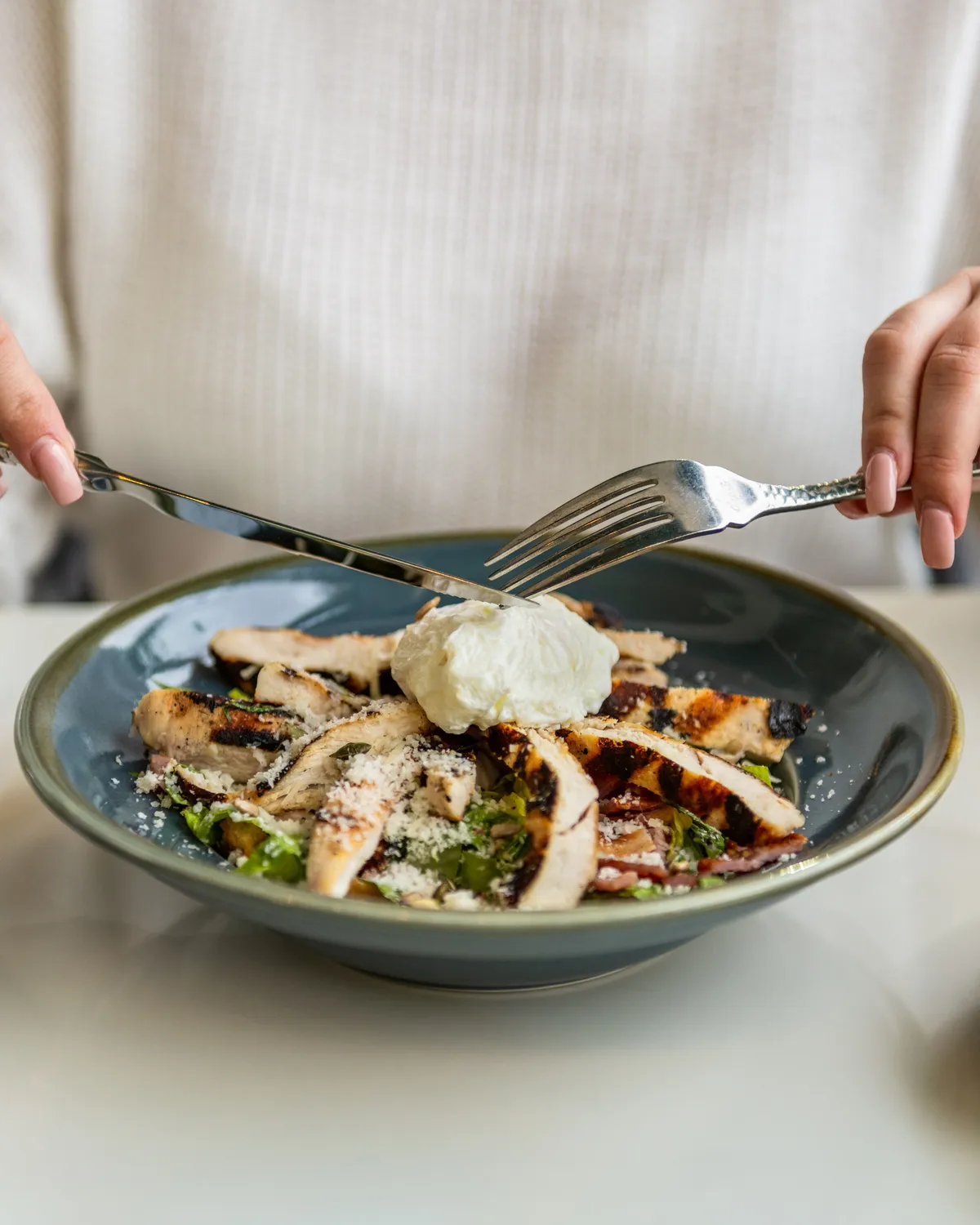
Protein is less about chasing a huge total and more about hitting a sensible target, spread across your meals, from quality foods.
Key Insights
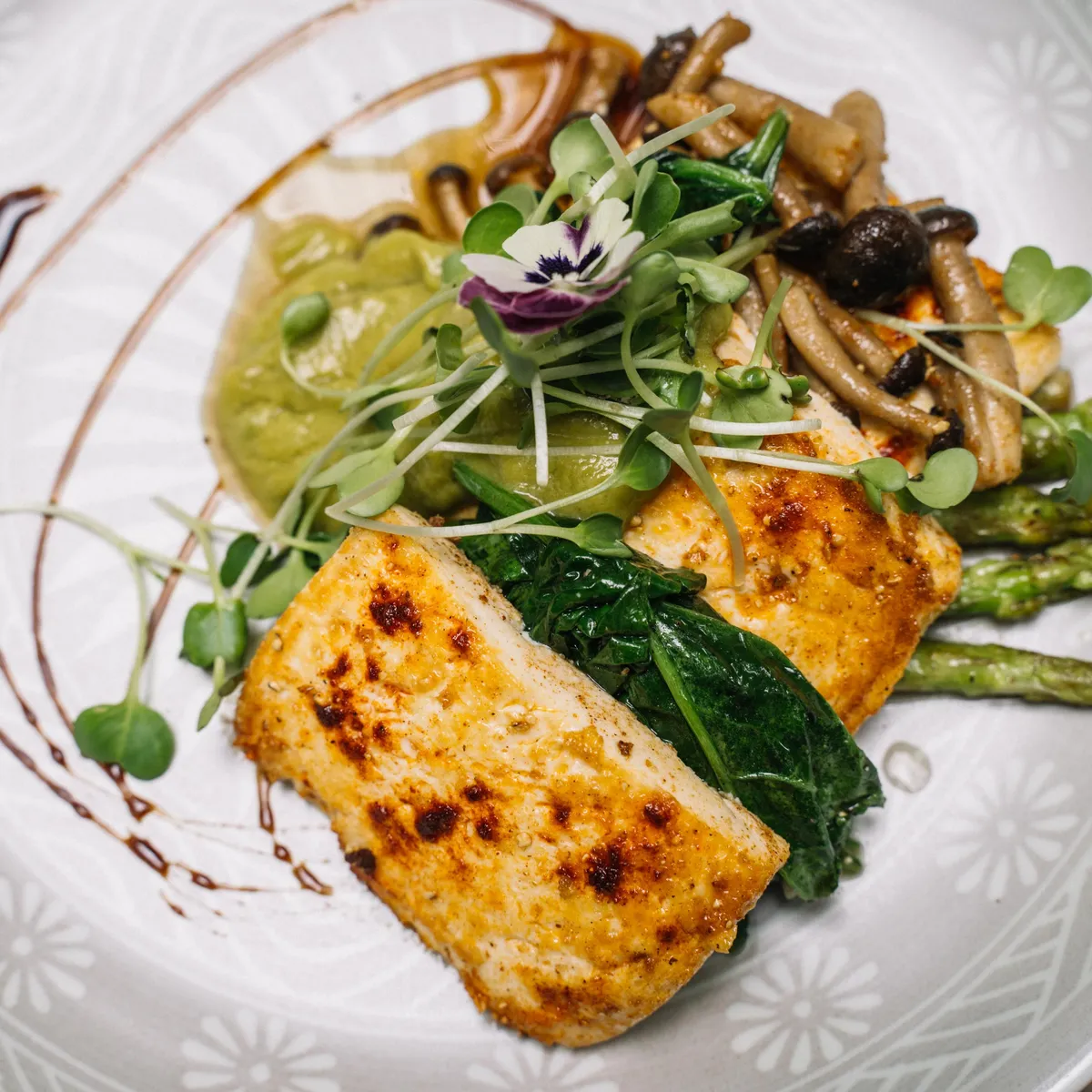
The RDA Is a Floor, Not a Goal
0.8 g/kg is the amount that prevents deficiency, not the amount for optimal muscle and health. Most active and older people benefit from more.
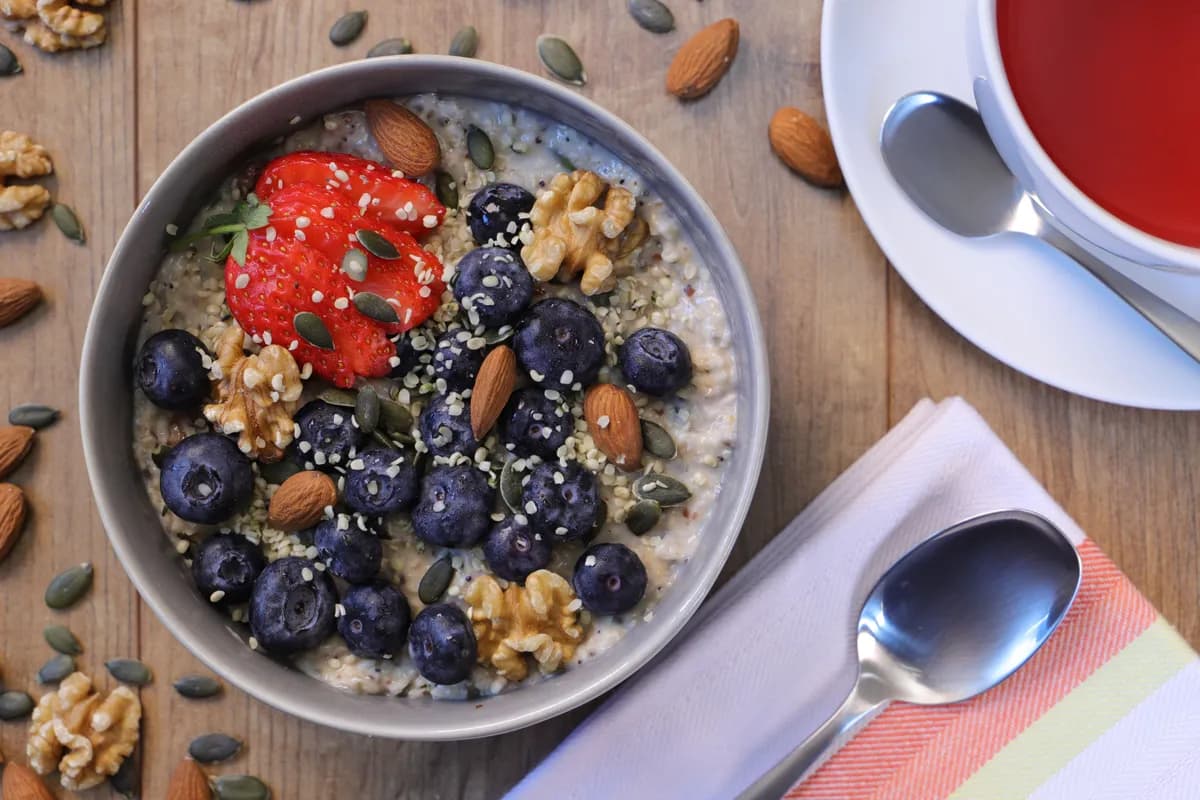
Spread Beats Stacking
Muscle responds best to a solid dose of protein per meal. A protein-rich breakfast, lunch, and dinner does more than one giant protein dinner.
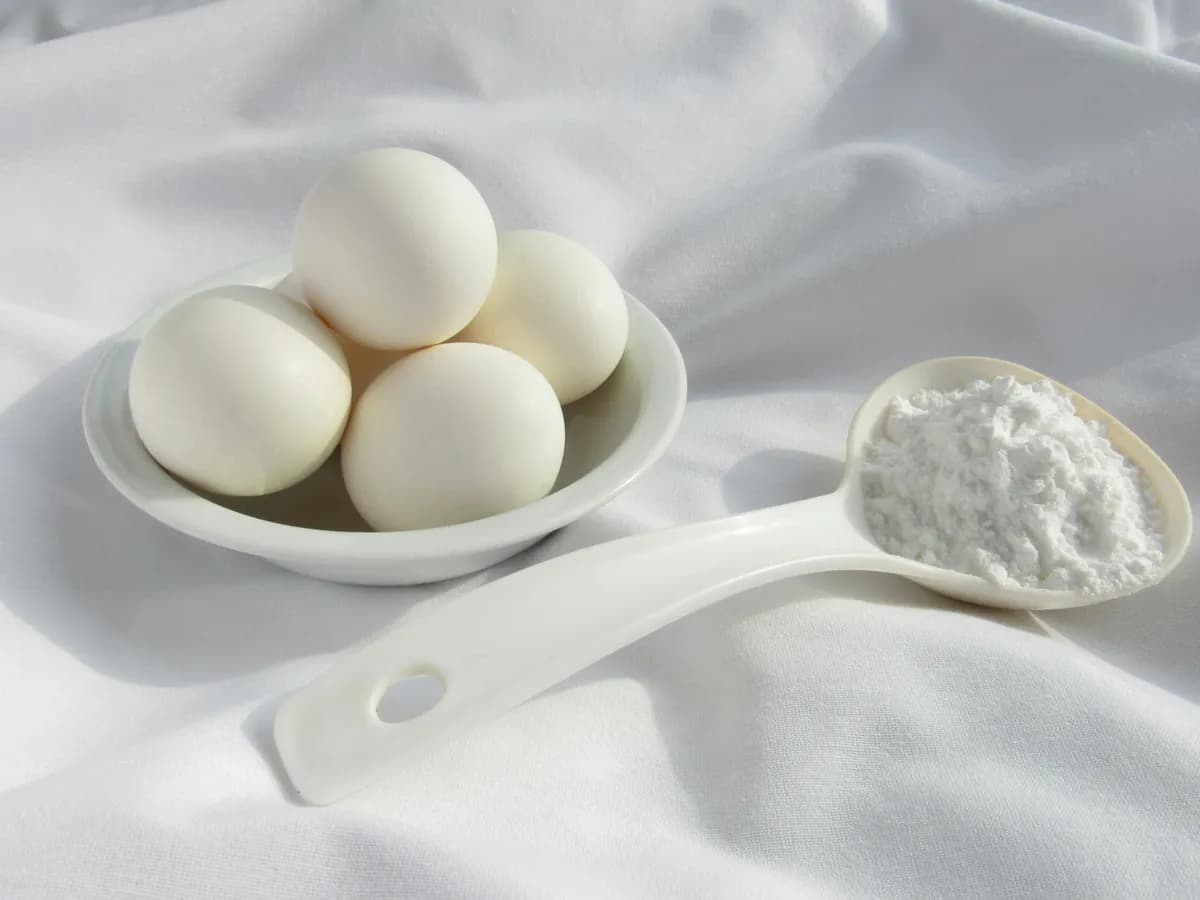
Food First, Powders Optional
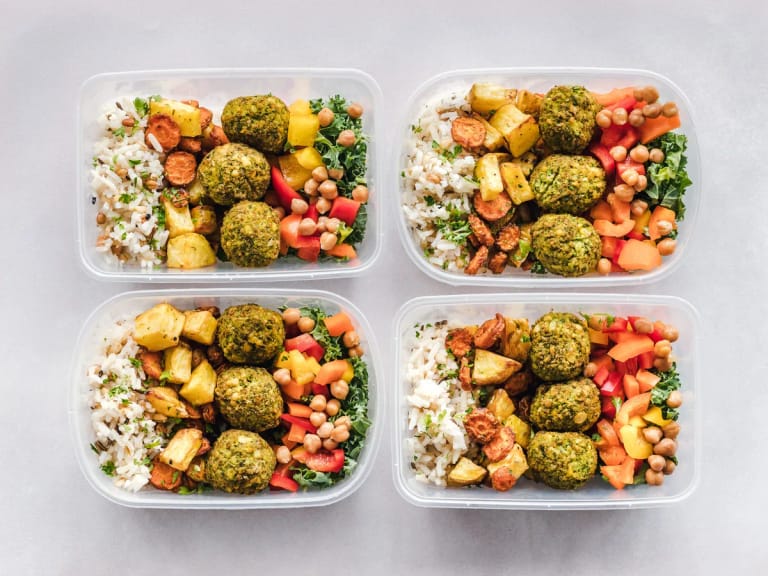
Eggs, dairy, fish, legumes, and tofu cover most needs easily. Supplements are a convenience, not a requirement, and many bars are glorified candy.
Putting It Into Practice
You don't need to track every gram. A few simple habits, knowing your rough target, anchoring each meal with protein, and choosing quality sources, get you most of the way there.
Find Your Target
- Most active adults: roughly 1.2–1.6 g per kg of body weight.
- Older adults: aim for about 1.0–1.2 g/kg to protect muscle.
- That's often around 80–130 g a day for many people.
- No need to track forever; a rough sense is enough.
Anchor Every Meal
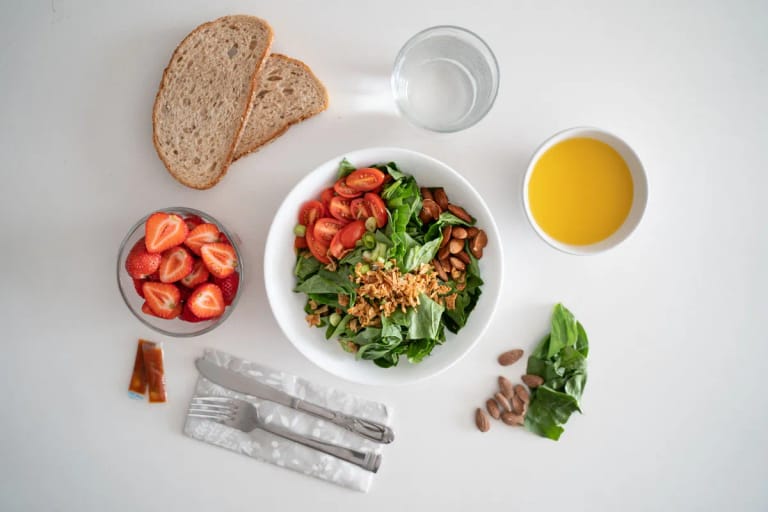
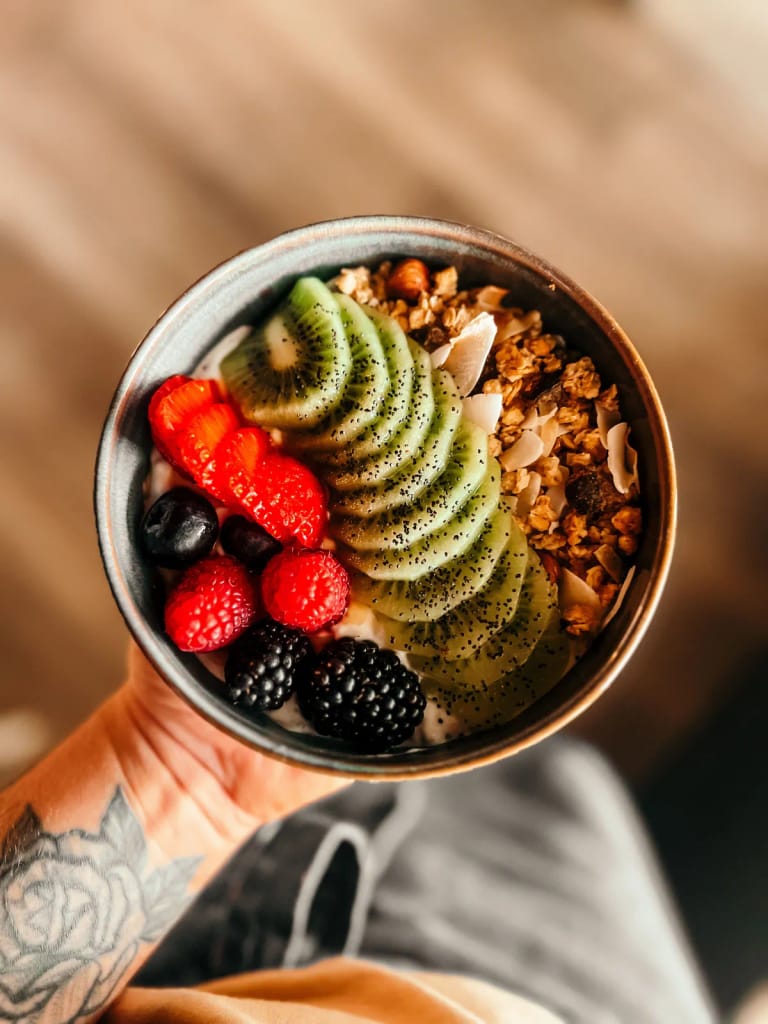
- Include a protein source at breakfast, lunch, and dinner.
- Aim for roughly 25–35 g of protein per main meal.
- Don't skip breakfast protein; it's the meal people most often miss.
- Use simple add-ons (eggs, Greek yogurt, beans) to top up a light meal.
Choose Quality Sources
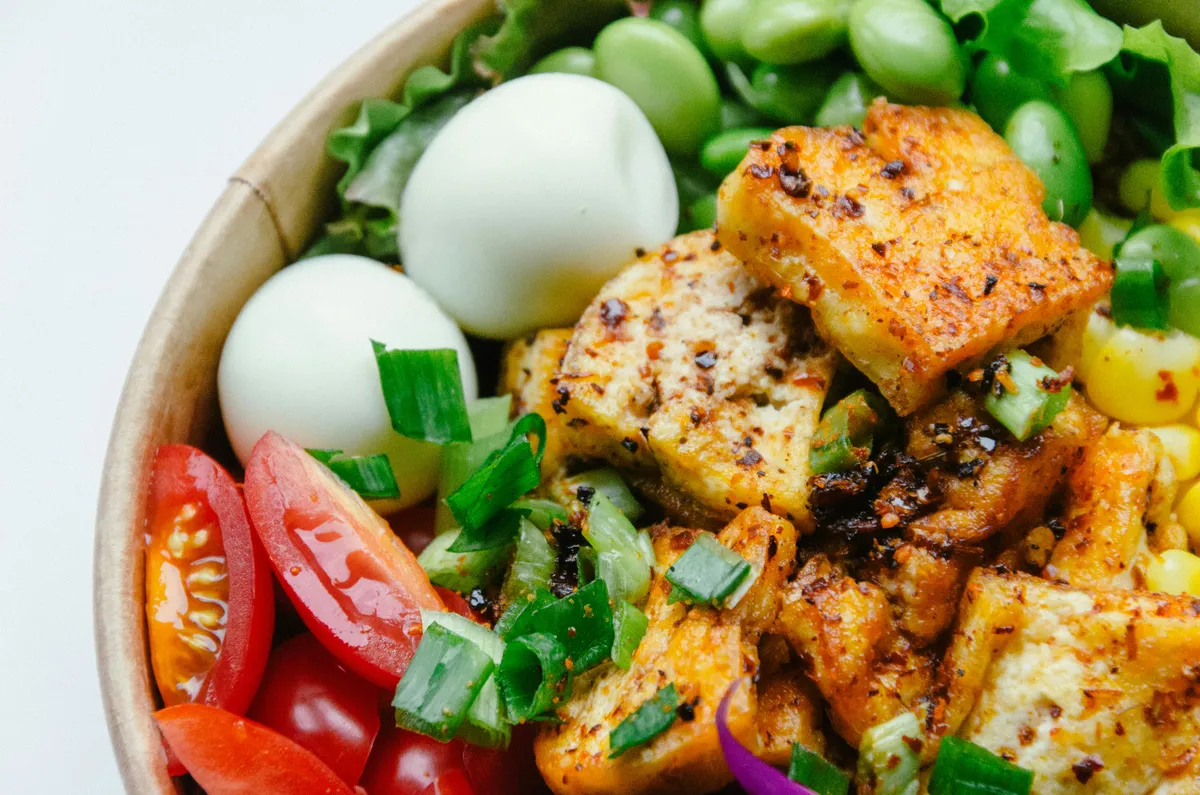
- Lean on eggs, dairy, fish, poultry, lean meat, legumes, tofu, and nuts.
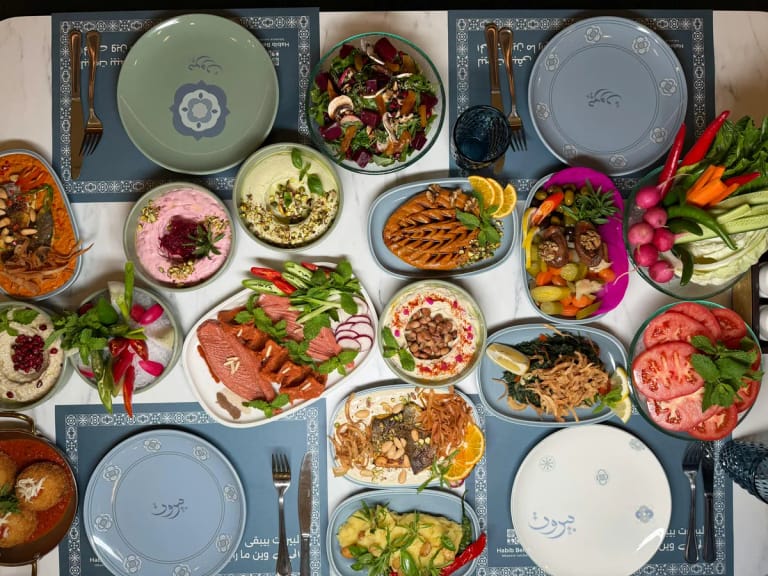
- Include plant proteins for fiber and variety; mix sources over the day.
- Use powders only to fill real gaps, not as a default.
- Be wary of 'high-protein' processed snacks that are mostly sugar and fat.
Protein, Muscle, and Aging
The strongest reason to care about protein isn't a fitness trend; it's muscle, and especially what happens to muscle as we age. From around midlife, we gradually lose muscle mass and strength, a process that quietly affects mobility, metabolism, and independence later in life. Protein, paired with resistance exercise, is the main dietary lever for slowing that loss.
Why Older Adults Need More
Here's the part that surprises people: older adults need more protein than the official RDA, not less. With age, the body becomes less responsive to protein, meaning it takes a bigger dose to trigger the same muscle-building response. That's why research bodies recommend roughly 1.0–1.2 grams per kilogram for older adults, above the 0.8 g/kg minimum. Eating too little protein in later years accelerates muscle loss at exactly the time it matters most.
The Per-Meal Threshold
Muscle is built in response to a meaningful dose of protein, not a trickle. The research points to roughly 25–35 grams (about 0.4 g/kg) at a meal to maximally stimulate muscle synthesis. This is why distribution matters: a breakfast of just toast and coffee, a light lunch, and a huge protein dinner is less effective than spreading similar total protein across all three meals. A protein source at each meal, breakfast included, is a simple habit with real payoff.
The RDA keeps you from deficiency. Optimal muscle and healthy aging usually call for more, spread across the day.
Pair It With Strength Work
Protein doesn't build muscle on its own; it provides the raw material, and resistance exercise provides the signal. The two together are far more powerful than either alone. You don't need a gym membership or heavy weights to start, bodyweight exercises, resistance bands, or carrying groceries all count, but combining regular strength work with adequate, well-distributed protein is the single best strategy for keeping muscle as you age.
Protein Myths vs Facts
Myths vs Facts
The more protein you eat, the more muscle you build.
- Beyond what your body can use, extra protein is just burned for energy or stored.
- Muscle needs adequate protein plus resistance exercise, not an ever-bigger total.
You need protein powders and bars to hit your target.
- Most people meet their needs from ordinary food: eggs, dairy, fish, legumes, tofu.
- Supplements are a convenience to fill gaps, and many bars are closer to candy.
The 0.8 g/kg RDA is the amount everyone should aim for.
- That's the minimum to avoid deficiency, not the optimal amount.
- Active and older adults generally do better around 1.0–1.6 g/kg.
Plant proteins are 'incomplete' and can't build muscle.
- Eating a variety of plant proteins easily covers all essential amino acids.
- Beans, lentils, tofu, and whole grains support muscle just fine alongside other foods.
Resources and Tools
Evidence-based background on protein needs, sources, and quality.
Guidance on choosing a variety of protein foods, including plant sources.
Protein deserves its good reputation, but not the idea that more is always better. Most people benefit from somewhat more than the bare-minimum RDA, especially active and older adults, who do well around 1.0–1.6 grams per kilogram. The habits that matter are simple: hit a sensible target, anchor each meal with a quality protein source rather than stacking it all at dinner, and pair adequate protein with regular strength work to protect muscle as you age. You can get there with everyday food, and you can skip the powders unless they genuinely help. If you're unsure what your target should be or how to reach it, a dietitian can tailor it to you.