How to Read a Nutrition Label (Without Getting Fooled)

Serving sizes, the percent Daily Value trick, and the four lines that matter most

2026-06-25
📝1,299words
⏱️7min read
Foundational Habits
#Nutrition Labels#Food Literacy#Added Sugar#Everyday Nutrition#Grocery Shopping

Reading the Label

The Nutrition Facts panel is one of the most useful tools in the grocery store, and one of the most misread. It's easy to glance at the calories, feel reassured or alarmed, and move on, missing the details that actually shape whether a food fits your day. Worse, the front of the package is designed to catch your eye with claims like "natural," "high in protein," or "made with real fruit," which often have little to do with what's really inside.

The good news is that you don't need a nutrition degree to read a label well. A handful of habits, checking the serving size first, using the percent Daily Value as a quick gauge, watching added sugars, and scanning the ingredient list, will let you see past the marketing in a few seconds. Once these become automatic, comparing two products becomes fast and genuinely informative.

This article walks through what each part of the label means, the simple rules that make it useful, and the common tricks that trip people up.

The Core Framework
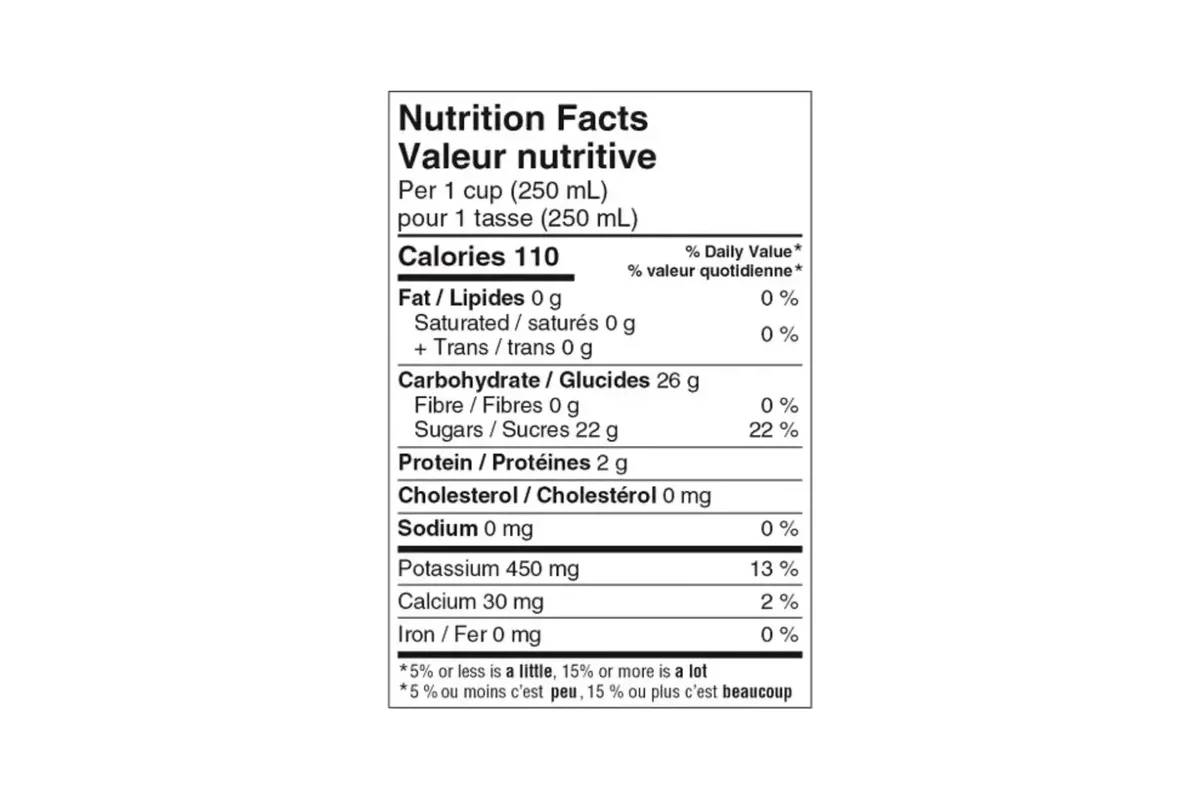
A Nutrition Facts panel showing the percent Daily Value column

Serving First, Then the Numbers

Read the label in order: serving size, the nutrients to limit, the nutrients to favour, and the ingredient list. The front of the package comes last, if at all.

Every number is per serving, so check the serving size first.
Use the 5%/15% rule: 5% DV is a little, 15% DV is a lot.
The ingredient list and added sugars tell you more than front-of-pack claims.

Key Insights

A measured serving beside a full package
📏

Serving Size Sets Everything

Calories, sugar, and sodium all apply to one serving. Many packages hold two or three, so a 'single' snack can quietly double or triple the numbers.

A shopper reading a nutrition label in the store
📊

The 5% and 15% Rule

Percent Daily Value makes labels quick to read: 5% or less is a little, 15% or more is a lot. Favour high %DV for fiber and nutrients, low for sodium and added sugar.
An ingredient list on the back of a package
🔍

The Back Beats the Front

Front-of-package claims are marketing. The Nutrition Facts panel and ingredient list are the regulated facts. When they disagree, trust the back.

Reading It Step by Step

You can read any label well in under a minute by going in a consistent order, from the serving size down to the ingredients.

Checking the serving size on a label
01

Start at the Top

The serving size frames every other number on the panel.
  • Note the serving size and how many servings are in the package.
  • Decide how much you'll actually eat, then scale the numbers.
  • Compare similar products using the same serving for a fair match.
  • Remember that a small package can still hold several servings.
Reading the back of a food package
02

Scan the Nutrients

Use the %DV column to sort the helpful from the excess.
  • Aim low on sodium, saturated fat, and added sugars (5% DV is a little).
  • Aim higher on fiber, vitamins, and minerals (15% DV is a lot).
  • Check added sugars specifically, not just total sugars.
  • Don't fixate on calories alone; read them alongside the rest.
03

Read the Ingredients

The ingredient list often reveals more than the panel.
  • Ingredients are listed by weight, most to least.
  • Watch for sugars near the top, under any of their many names.
  • A short list of recognizable foods is generally a good sign.
  • Treat front-of-package claims as marketing, not facts.

Why Labels Are Worth Learning

A nutrition label looks like a wall of numbers, but it's really a short story about a food, and once you know the order to read it in, the plot becomes obvious.

Serving Size Is the Lens

Everything starts with the serving size, because every other figure depends on it. A bag of chips might list 150 calories and look reasonable, until you notice the bag holds three servings, making it 450 calories if you finish it. Food companies sometimes set small serving sizes precisely so the numbers look better at a glance. The fix is simple: read the serving size first, decide how much you'll really eat, and adjust. This single habit prevents most label confusion and makes comparing two products fair, since you're measuring the same amount.

The Percent Daily Value Shortcut

The %DV column turns the label into a quick scan. It shows how much one serving contributes to a day's worth of each nutrient, and the rule of thumb is easy to remember: 5% or less is a little, 15% or more is a lot. Use it in two directions. For nutrients most people lack, like fiber, you want higher numbers. For the ones most people overdo, like sodium, saturated fat, and added sugars, you want lower ones. You don't need the day's percentages to total exactly 100%, and you don't need to do math. The column does the work for you.

The front of the package is advertising. The back is the regulated truth. When they disagree, believe the back.

Added Sugars and the Ingredient List

Two parts of the label deserve special attention. The first is added sugars, now listed separately from total sugars. Natural sugars in plain milk or whole fruit aren't the concern; added sugars are, and most people eat far more than recommended. The second is the ingredient list, which is ordered by weight, so the first items make up most of the product. A short list of foods you recognize is reassuring; a long list with sugar near the top, under names like cane syrup, dextrose, or fruit-juice concentrate, is a flag. Together, these two sections often tell you more about a food's quality than any claim on the front.

Label Myths vs Facts

Myths vs Facts

Myth

The calorie number is the most important thing on the label.

Hover to flipTap to flip
Fact
  • Calories matter, but fiber, protein, added sugar, and processing shape the effect.
  • Read the label as a whole, starting with the serving size.
Myth

The serving size is how much I'm supposed to eat.

Hover to flipTap to flip
Fact
  • Serving size is a reference amount, not a recommendation or a limit.
  • Many packages hold two or three servings, which multiplies every number.
Myth

"Natural" and "made with real fruit" mean a product is healthy.

Hover to flipTap to flip
Fact
  • Front-of-package claims are loosely regulated marketing.
  • The Nutrition Facts panel and ingredient list are the reliable information.
Myth

All the sugar on a label is equally a problem.

Hover to flipTap to flip
Fact
  • Natural sugars in whole foods like milk and fruit are not the concern.
  • Added sugars are; the label now lists them separately for that reason.

Resources and Tools

🌐

FDA — How to Use the Nutrition Facts Label

Website

Official, step-by-step guide to every section of the label.

🍁

Health Canada — Understanding the Nutrition Facts Table

Website

Canadian guidance on the Nutrition Facts table and the 5%/15% rule.

Conclusion

A nutrition label gives you everything you need to make a confident choice, as long as you read it in the right order. Start with the serving size so the rest of the numbers mean something, use the 5% and 15% percent Daily Value rule to favour the good and limit the excess, keep an eye on added sugars, and let the ingredient list, not the front-of-package claims, tell you what's really inside. None of this takes more than a minute once it's a habit, and it turns the grocery store into a place where you can compare products honestly and pick what fits your goals. If you'd like help applying it to your own diet, a dietitian can make it personal.


Frequently Asked Questions

What's the first thing I should look at on a label?

Start with the serving size at the very top. Every other number on the label, the calories, the sugar, the sodium, applies to that one serving, not the whole package. If the serving size is half a cup but you eat a full cup, you're getting double everything. Many packages that look like a single portion actually contain two or three servings, so checking this first keeps every other number honest.

What does the % Daily Value actually mean?

The percent Daily Value (%DV) tells you how much one serving contributes to a day's worth of a nutrient, based on general guidance. An easy rule of thumb: 5% or less is a little, and 15% or more is a lot. Use it to get more of the good things (fiber, vitamins, minerals) and less of what most people overdo (sodium, saturated fat, added sugars). You don't need to add up to exactly 100%.

What's the difference between total sugars and added sugars?

Total sugars include both natural sugars (like those in plain milk or fruit) and sugars added during processing. Added sugars are the ones to watch, since most people eat too many of them. The label now lists added sugars separately, with a %DV. Aiming to keep added sugars low while not worrying much about the natural sugars in whole foods is a simple, effective approach.

Should I trust claims like 'natural' or 'made with real fruit'?

Front-of-package claims are marketing, not nutrition facts. Words like 'natural,' 'made with whole grains,' or 'made with real fruit' are loosely regulated and can appear on highly processed products. The reliable information is on the back: the Nutrition Facts panel and the ingredient list. When a front claim and the back label disagree, trust the back.

How do I read the ingredient list?

Ingredients are listed by weight, from most to least, so the first few make up the bulk of the product. A short list of recognizable foods is generally a good sign. Watch for added sugars near the top (they hide under many names like cane syrup, dextrose, or fruit-juice concentrate) and for a long list of additives. The ingredient list often tells you more about a food's quality than any front-of-package claim.

Do calories on the label tell the whole story?

Calories matter, but they're only part of the picture. Two foods with the same calories can affect you very differently depending on their fiber, protein, sugar, and degree of processing. A label is most useful when you read it as a whole, serving size, then the nutrients to limit, then the ones to favour, rather than fixating on the calorie number alone.

Sources & References

How to Understand and Use the Nutrition Facts Label (U.S. FDA) www.fda.gov/food/nutrition-facts-label/how-understand-and-use-nutrition-facts-label
1
Harvard T.H. Chan School of Public Health — The Nutrition Source: Food Labels nutritionsource.hsph.harvard.edu/food-label-guide/
3

Similar Blogs

How Much Water Do You Really Need?
foundational-habits
How Much Water Do You Really Need?

An evidence-based look at hydration: where the 8-glasses myth came from, real fluid needs, the role of food and other drinks, signs of dehydration, and why more isn't always better.

Meal Prep for Beginners: A Realistic Starter Guide
meal-planning-prep
Meal Prep for Beginners: A Realistic Starter Guide

A practical, beginner-friendly guide to meal prep: the main styles, how to plan a week, safe storage, and how to start small so the habit lasts beyond the first Sunday.

Portion Sizes and Mindful Eating: A Practical Guide
foundational-habits
Portion Sizes and Mindful Eating: A Practical Guide

A practical guide to portion sizes and mindful eating: the difference between a portion and a serving, simple hand-based estimates, why portions have grown, and how slowing down helps you eat the right amount.

Cutting Back on Sugar: A Practical, No-Guilt Guide
foundational-habits
Cutting Back on Sugar: A Practical, No-Guilt Guide

An evidence-based guide to reducing added sugar: the daily limits, why added sugar harms health while fruit doesn't, how to spot hidden sugar, and realistic ways to cut cravings.

Fiber: The Most Underrated Nutrient (A Complete Guide)
foundational-habits
Fiber: The Most Underrated Nutrient (A Complete Guide)

An evidence-based guide to dietary fiber: how much you need, soluble vs insoluble, why 90%+ of adults fall short, the real health benefits, and how to eat more comfortably.

How Much Protein Do You Really Need?
foundational-habits
How Much Protein Do You Really Need?

A practical, evidence-based guide to protein: how much you actually need, why active and older adults need more, how to spread it across the day, and when the protein craze goes overboard.

Sustainable Weight Loss: What Actually Works Long-Term
foundational-habits
Sustainable Weight Loss: What Actually Works Long-Term

An evidence-based guide to sustainable weight loss: why diets fail, the realistic pace that lasts, why even 5–10% matters, and the habits that make weight loss stick.

Detox Diets: What Actually Helps Your Body
foundational-habits
Detox Diets: What Actually Helps Your Body

Detox diets promise quick resets, but your body already has built-in detox systems. Learn what truly supports them through everyday habits.