Sustainable Weight Loss
Few topics are searched more, or surrounded by more noise, than weight loss. There's a new diet every season, each promising fast, dramatic results. And yet the most striking fact in the research is this: around 80% of people who lose significant weight through dieting regain it within a year. The problem usually isn't willpower or the lack of a "perfect" plan. It's that quick, restrictive diets work against your biology and are nearly impossible to sustain.
Sustainable weight loss takes a different view. It's slower, less dramatic, and far more durable, built on realistic changes you can actually keep, a pace your body tolerates, and a focus on maintaining results rather than just reaching a number. Encouragingly, the bar for real health benefits is lower than most people assume: even a modest 5–10% loss meaningfully improves health.
This article explains why diets fail, the pace that actually lasts, why modest loss is worth a lot, and the habits that make weight loss stick.
The Core Framework

Slow, Steady, and Kept Up
Lasting weight loss isn't about a perfect diet or a fast result. It's about sustainable habits, a realistic pace, and keeping them going.
Key Insights

Slow Beats Fast
Losing 0.5–2 lb a week preserves muscle and limits metabolic slowdown. Crash loss looks great on the scale but tends to come right back.

5–10% Is a Big Deal
You don't need an 'ideal' weight. A modest 5–10% loss can cut diabetes risk by over half and meaningfully lower heart-disease risk.
Maintenance Is the Real Test
Most regain happens because habits stop when the diet 'ends.' Keeping weight off means treating the new routine as permanent.
Building Habits That Last
Sustainable weight loss is built from a handful of supportive habits, not a perfect diet. The aim is changes you can keep doing long after the 'diet' would have ended.
Improve the Basics
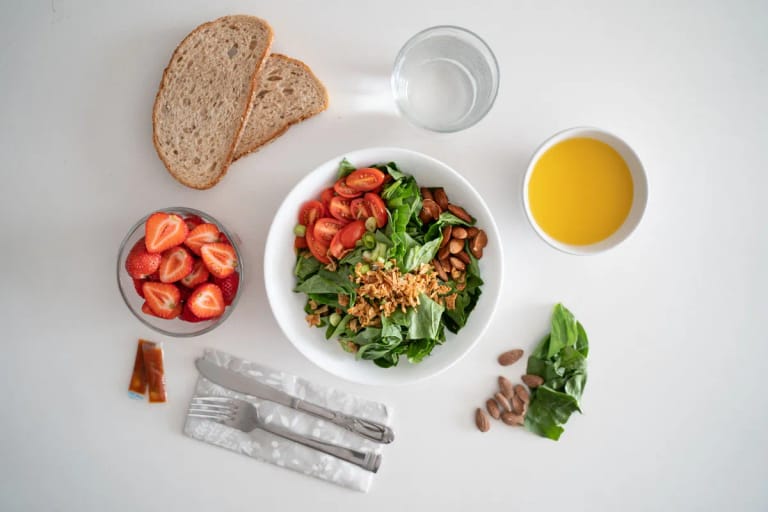
- Build meals around protein, vegetables, and fiber-rich foods.
- Cut back on ultra-processed foods and sugary drinks.
- Use portion awareness and mindful eating rather than strict rules.
- Pick a pattern you enjoy and can keep up, not a 'perfect' diet.

Add Supportive Routines
- Keep meal timing fairly consistent and don't skip to extremes.
- Move regularly; include strength work to protect muscle.
- Prioritize sleep and manage stress, which both affect appetite.
- Use light self-monitoring (weight, food, or steps) if it helps.
Plan for the Long Game
- Target a realistic 5–10% loss before reassessing.
- Expect plateaus and off weeks; they're normal, not failure.
- Treat new habits as permanent, not a temporary phase.
- Lean on support, from family, a community, or a dietitian.
Why Diets Fail, and What Works Instead
To lose weight sustainably, it helps to understand why the usual approach so often fails, because the failure isn't a personal one.
It's Biology, Not Willpower
The research is blunt: around 80% of people who lose significant weight by dieting regain it within a year. That's not a story about weak discipline. Restrictive diets push against powerful biological systems, hunger hormones rise, metabolism adapts downward, and the constant mental effort of restraint wears people out until they relapse. Blaming willpower misreads the problem and tends to make people cycle through diet after diet. The fix is to stop relying on short-term restriction and start building habits the body and mind can actually sustain.
Slow Is the Point
A healthy, durable rate of loss is roughly 0.5–2 pounds per week, or about 1–2% of body weight a month. Slower loss preserves muscle, limits the metabolic slowdown that fast dieting triggers, and is consistently linked to keeping the weight off. It feels less exciting than a crash diet, but the crash diet is exactly the one most likely to bounce back. Patience here isn't a virtue so much as a strategy.
Around 80% of dieters regain the weight within a year. The answer isn't more willpower; it's sustainable habits and a realistic pace.
Modest Loss, Major Benefits
You don't need to reach an "ideal" weight to gain real health. A modest 5–10% reduction in body weight is clinically meaningful, it can lower heart-disease risk by roughly 15–20%, cut type 2 diabetes risk by more than half, and reduce the risk of some obesity-related cancers. Reframing the goal from a dramatic transformation to a realistic 5–10% makes it both more achievable and, crucially, more maintainable.
Maintenance Is the Whole Game
Finally, the hardest and most overlooked phase is keeping weight off, which is a different task from losing it. The people who succeed don't "finish" a diet and return to old habits; they treat their new routine, regular meals, activity, sleep, and self-monitoring, as permanent. Building those habits from the start, rather than white-knuckling through a temporary plan, is what turns weight loss into lasting change.
Weight Loss Myths vs Facts
Myths vs Facts
If you regain weight after a diet, you just lacked willpower.
- Around 80% of dieters regain weight within a year, largely due to biology.
- Hunger hormones rise and metabolism adapts; it's a physiological response, not a moral failing.
The faster you lose weight, the better.
- A slow 0.5–2 lb per week preserves muscle and lasts far longer.
- Crash loss tends to bounce back, often with extra muscle lost.
You have to reach your 'ideal' weight to benefit.
- A modest 5–10% loss already brings major health gains.
- It can cut diabetes risk by over half and meaningfully lower heart-disease risk.
There's one best diet for losing weight.
- Many patterns work similarly when calories are matched.
- The best diet is the sustainable one you can actually keep up.
Resources and Tools
Evidence-based guidance on achieving and maintaining a healthy weight.
Practical, sustainable eating guidance that supports a healthy weight.
Sustainable weight loss is less about finding the perfect diet and more about escaping the cycle of restriction and regain that traps most dieters. The evidence is clear and, in a way, reassuring: failure usually reflects biology rather than willpower, a slower pace of 0.5–2 pounds a week lasts far longer, even a modest 5–10% loss delivers major health benefits, and the real work is maintenance, keeping supportive habits going for good. Aim for realistic changes you can live with, focus on food quality and routine over a number on the scale, and remember that lasting results come from steady habits, not heroic effort. If you'd like a plan tailored to your life, a dietitian can help you build one that actually sticks.