Fiber: The Underrated Nutrient
Fiber rarely gets the spotlight that protein and trendy supplements enjoy, yet it may be the single most underrated nutrient in the modern diet. It's the part of plant foods your body can't digest, and rather than being useless, that's exactly what makes it so valuable: fiber feeds your gut bacteria, steadies blood sugar, helps clear cholesterol, keeps you regular, and keeps you full. The research linking it to better long-term health is some of the most consistent in nutrition.
The problem is that almost no one gets enough. Around 90% of women and 97% of men fall short of the recommended amount, often eating less than half of it. This quiet, widespread shortfall is one reason fiber has surged in interest lately, including the "fibermaxxing" trend. The good news is that closing the gap is straightforward, affordable, and built on ordinary foods, as long as you do it gradually.
This article covers how much fiber you need, the difference between soluble and insoluble, why it matters so much for health, and how to eat more of it comfortably.
The Core Framework
More Plants, Slowly, With Water
Most people simply need more fiber from whole plant foods, added gradually and with enough water to keep it comfortable.
Key Insights
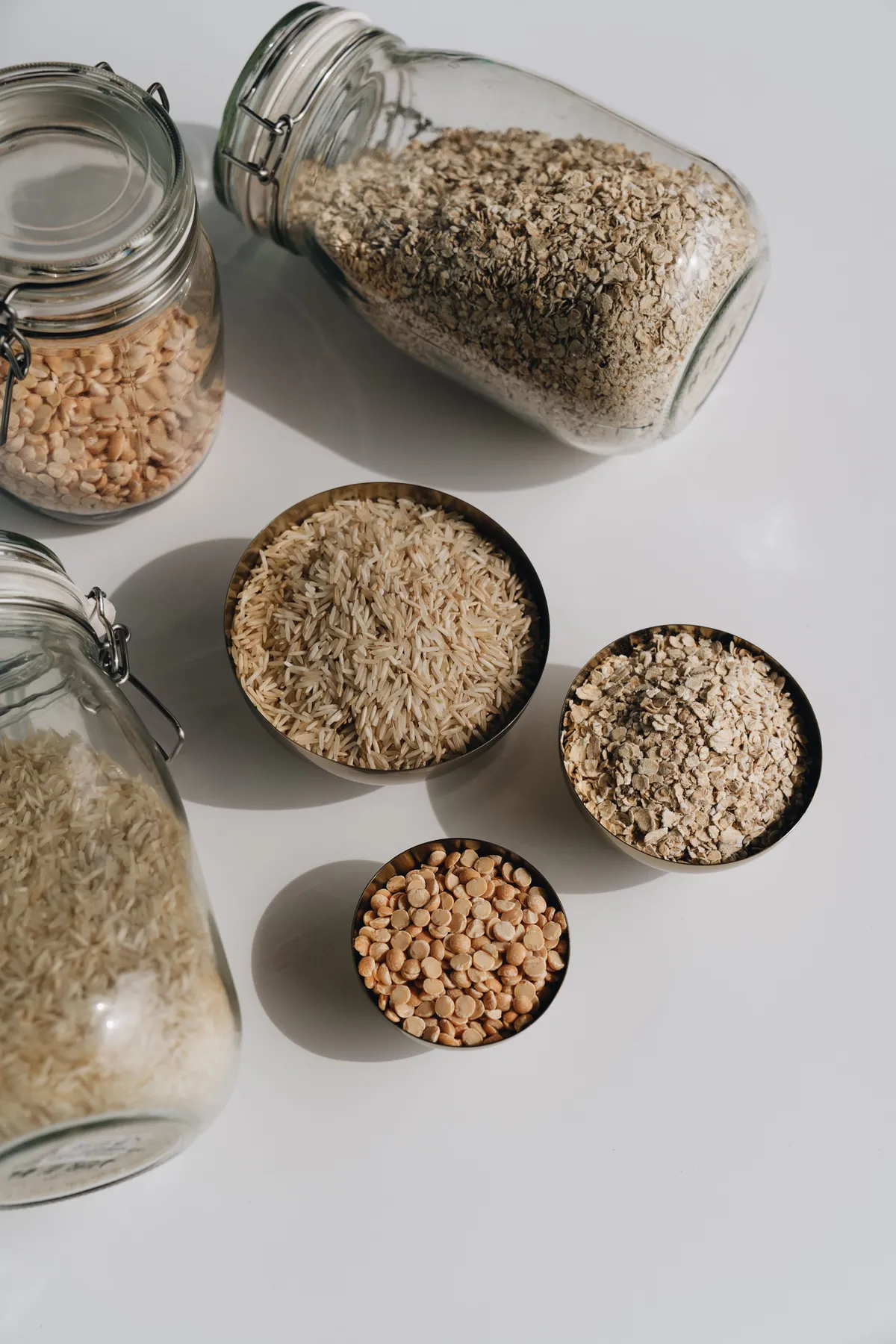
Almost Everyone Falls Short
Around 90% of women and 97% of men don't get enough fiber, often less than half the target. For most people, the goal is simply 'more.'
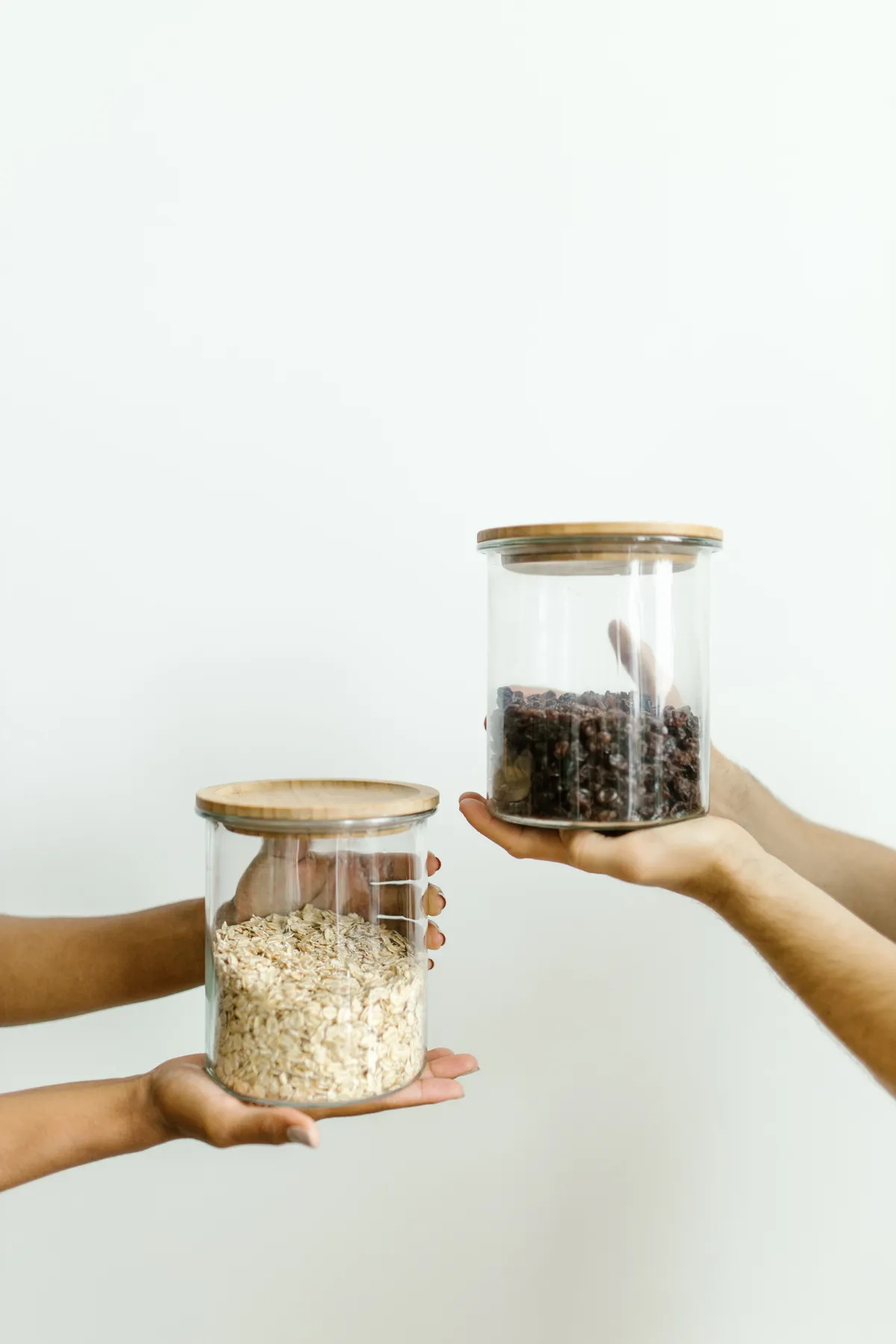
Two Types, Both Needed
Soluble fiber lowers cholesterol and feeds gut bacteria; insoluble fiber adds bulk and keeps you regular. A varied plant diet supplies both.

Go Slow to Avoid Bloat
The usual cause of gas and bloating is adding fiber too fast. Increase by 2–3 g every few days, drink water, and your gut adjusts.
Getting More Fiber
Closing the fiber gap doesn't take a special diet, just a few simple swaps toward more whole plant foods, added at a comfortable pace.
Build Fiber Into Meals
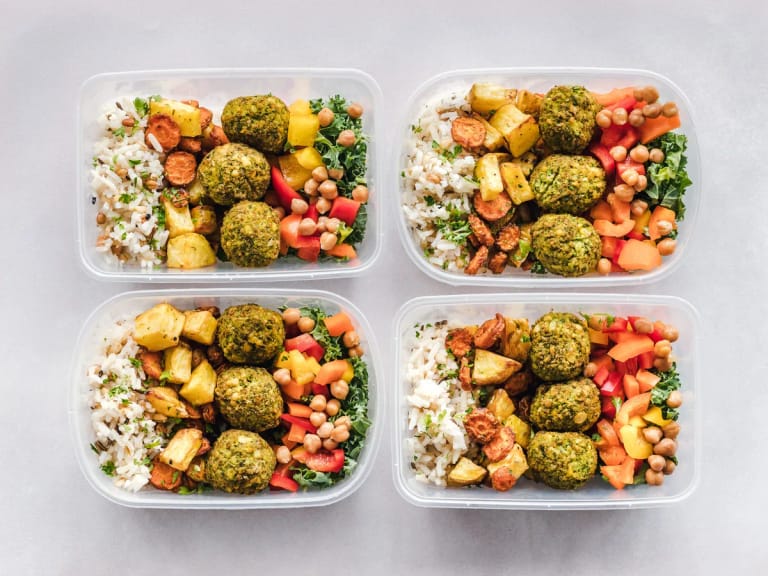
- Eat legumes (beans, lentils, chickpeas) most days; they're among the richest fiber sources.
- Choose whole grains over refined (oats, barley, brown rice, whole-grain bread).
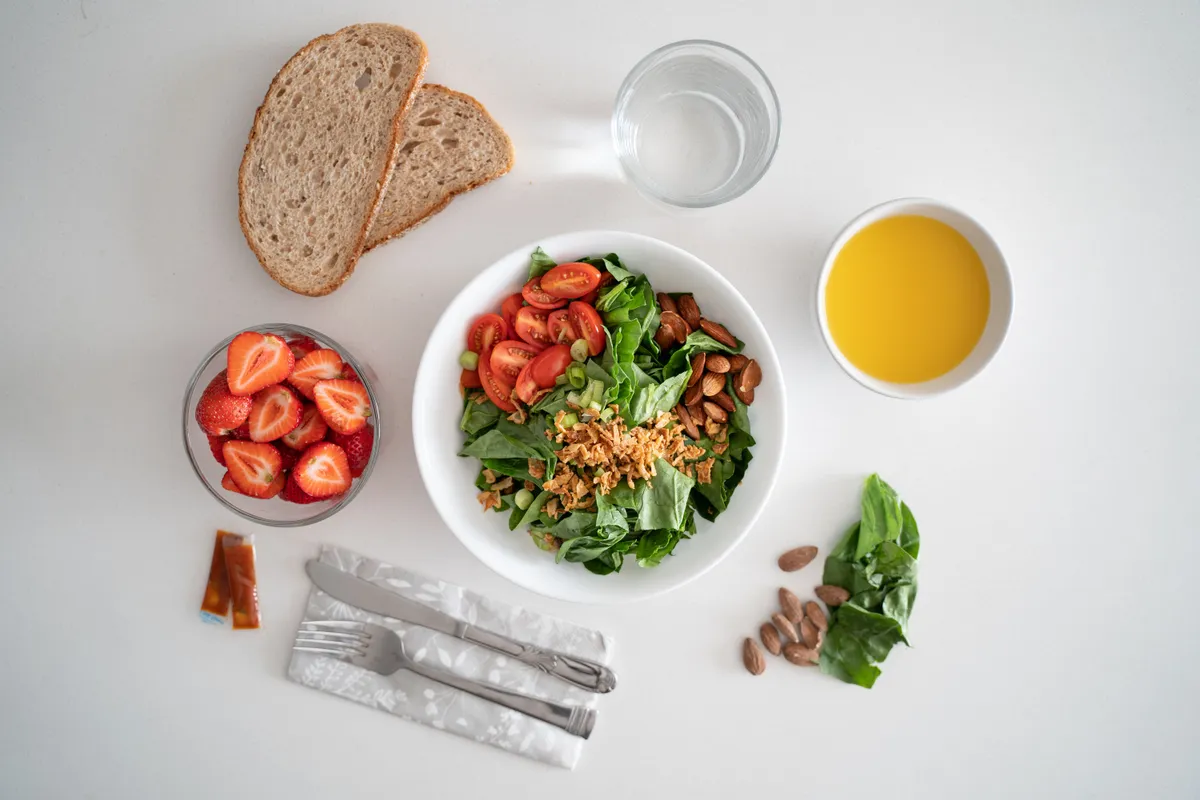
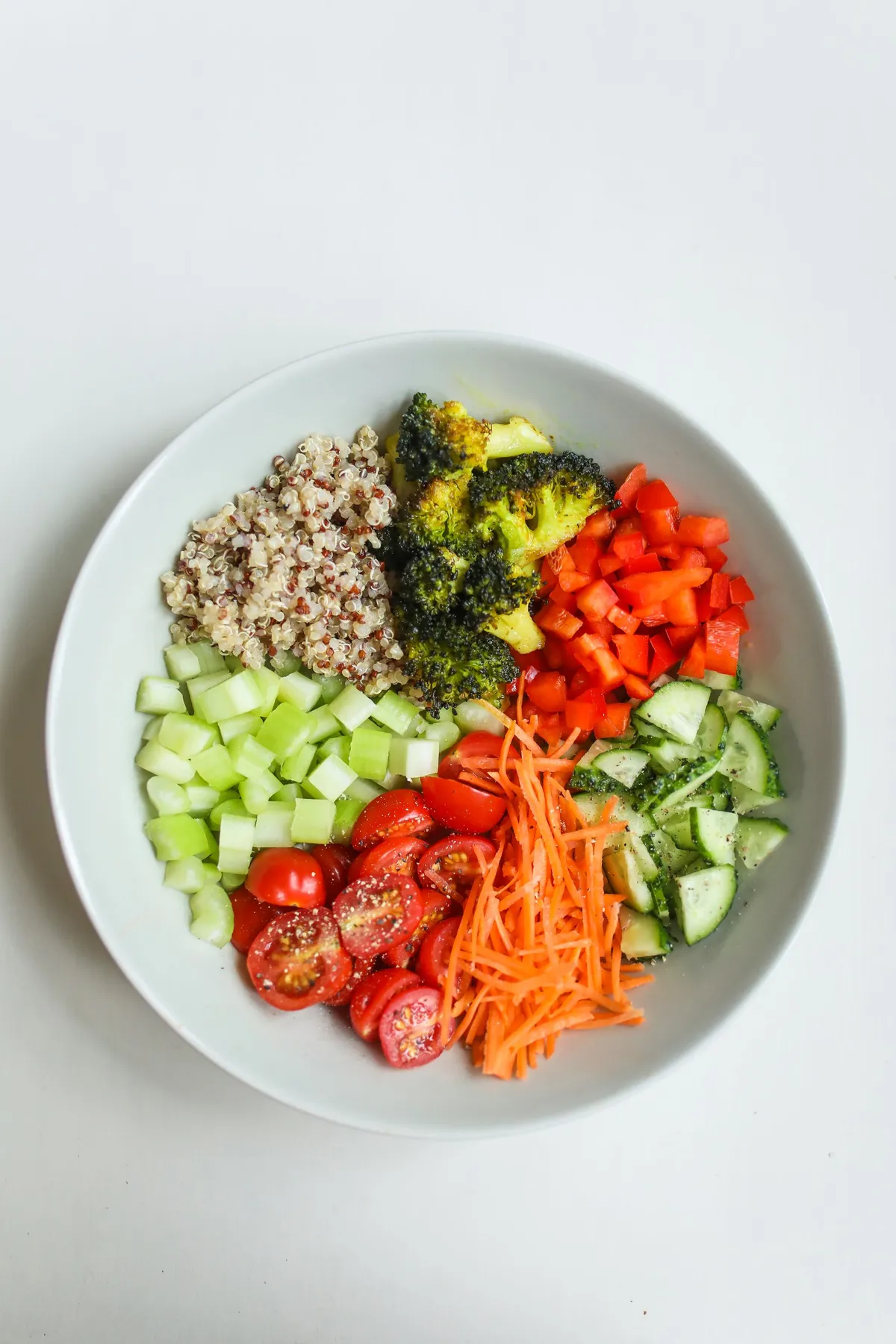
- Fill half your plate with vegetables and fruit, skins on when possible.
- Add nuts, seeds, and berries as easy fiber-rich snacks.
Make Easy Swaps
- Swap white bread, rice, and pasta for whole-grain versions.
- Top oatmeal or yogurt with fruit, ground flax, or chia.
- Add beans or lentils to soups, salads, and sauces.
- Keep the skin on potatoes, apples, and other produce.
Do It Comfortably
- Increase fiber by just 2–3 grams every few days.
- Drink plenty of water; fiber needs it to work.
- Spread fiber across meals rather than all at once.
- Use a supplement like psyllium only to fill a genuine gap.
Why Fiber Is Worth the Effort
Fiber's reputation as a "regularity" nutrient sells it short. Its benefits reach across the whole body, which is exactly why the gap between what people eat and what they need matters so much.
The Two Types, and What They Do
Fiber comes in two forms, and you need both. Soluble fiber dissolves into a gel as it moves through you: it picks up cholesterol and helps remove it, slows digestion to steady blood sugar, and feeds the beneficial bacteria in your colon. You'll find it in oats, beans, apples, citrus, and psyllium. Insoluble fiber stays largely intact, adding bulk to stool and keeping the digestive system moving, which is why it's the one most associated with regularity. It's in whole grains, vegetables, and fruit skins. A varied, plant-rich diet naturally delivers a healthy mix, so you don't need to track the two separately.
The Health Payoff Is Large
The evidence here is impressive. Because fiber influences gut health, blood sugar, cholesterol, and fullness all at once, it's tied to lower rates of the biggest chronic diseases. One striking finding: for every extra 8 grams of fiber a day, deaths and cases of heart disease, type 2 diabetes, and colorectal cancer fall by roughly 5–27%. Many researchers consider raising fiber the single most impactful dietary change a person can make for long-term disease risk. It also supports weight management by helping you feel full on fewer calories.
Around 90% of women and 97% of men fall short on fiber. Closing that gap is one of the highest-impact, lowest-cost changes you can make.
The 'Fibermaxxing' Caveat
Given all that, it's no surprise fiber is trending, including the "fibermaxxing" push to maximize intake. The goal is sound, but the method matters: piling on fiber suddenly is the fastest way to gas, bloating, and cramps, which is what makes people give up. The fix is simple. Increase your intake by just 2–3 grams every few days, give your gut time to adapt, and drink enough water, since fiber relies on it. Build up to a generous but comfortable amount rather than maxing out overnight, and the benefits come without the misery.
Fiber Myths vs Facts
Myths vs Facts
Fiber is only about staying regular.
- Fiber also lowers cholesterol, steadies blood sugar, feeds gut bacteria, and aids fullness.
- It's linked to lower rates of heart disease, diabetes, and colorectal cancer.
Most people already get enough fiber.
- Around 90% of women and 97% of men fall short, often eating less than half the target.
- For most people, the practical goal is simply to eat more.
A fiber supplement is as good as fiber-rich food.
- Whole foods deliver fiber alongside vitamins, minerals, and other compounds.
- Supplements can fill a gap, but they don't replace a plant-rich diet.
If some fiber is good, loading up fast is better.
- Adding fiber too quickly causes gas, bloating, and cramps.
- Increase by 2–3 g every few days, with plenty of water, to stay comfortable.
Resources and Tools
Evidence-based overview of fiber types, sources, and health benefits.
A practical chart of fiber content in everyday foods.
Fiber may be the most overlooked, highest-value change available in everyday eating. It works across the whole body, lowering cholesterol, steadying blood sugar, feeding the gut, and supporting fullness, and it's tied to meaningfully lower rates of heart disease, diabetes, and colorectal cancer. Yet almost everyone falls short, which makes "eat more fiber" genuinely impactful advice for the vast majority of people. The path is simple and affordable: more legumes, whole grains, vegetables, and fruit, added gradually with enough water to keep it comfortable. You don't need to chase a perfect number or a supplement, just steadily build more plants into your meals, and if you'd like help tailoring it, a dietitian can guide you.