Portion Sizes and Mindful Eating: A Practical Guide

Hand-based portions, why plates keep growing, and how to feel full on less

2026-06-25
📝1,215words
⏱️7min read
Foundational Habits
#Portion Control#Mindful Eating#Weight Management#Everyday Nutrition#Healthy Habits

Portions and Paying Attention

Most conversations about eating well focus on what to eat, but how much, and how, can matter just as much. Portion sizes have crept upward for decades, to the point where a plate that looks perfectly normal today might hold far more than the same meal did a generation ago. At the same time, many of us eat quickly and distracted, at a desk or in front of a screen, which makes it easy to miss the body's signals that we've had enough.

The encouraging part is that you don't need a food scale or rigid rules to eat the right amount. A few simple tools, hand-based portion estimates, the plate method, and the habit of slowing down, let you judge portions naturally and let your own fullness guide you. Together, portion awareness and mindful eating tend to do more for everyday balance than any single diet rule.

This article explains the difference between a portion and a serving, how to estimate portions with your hand, why portions have grown, and how mindful eating helps you feel full on a sensible amount.

The Core Framework
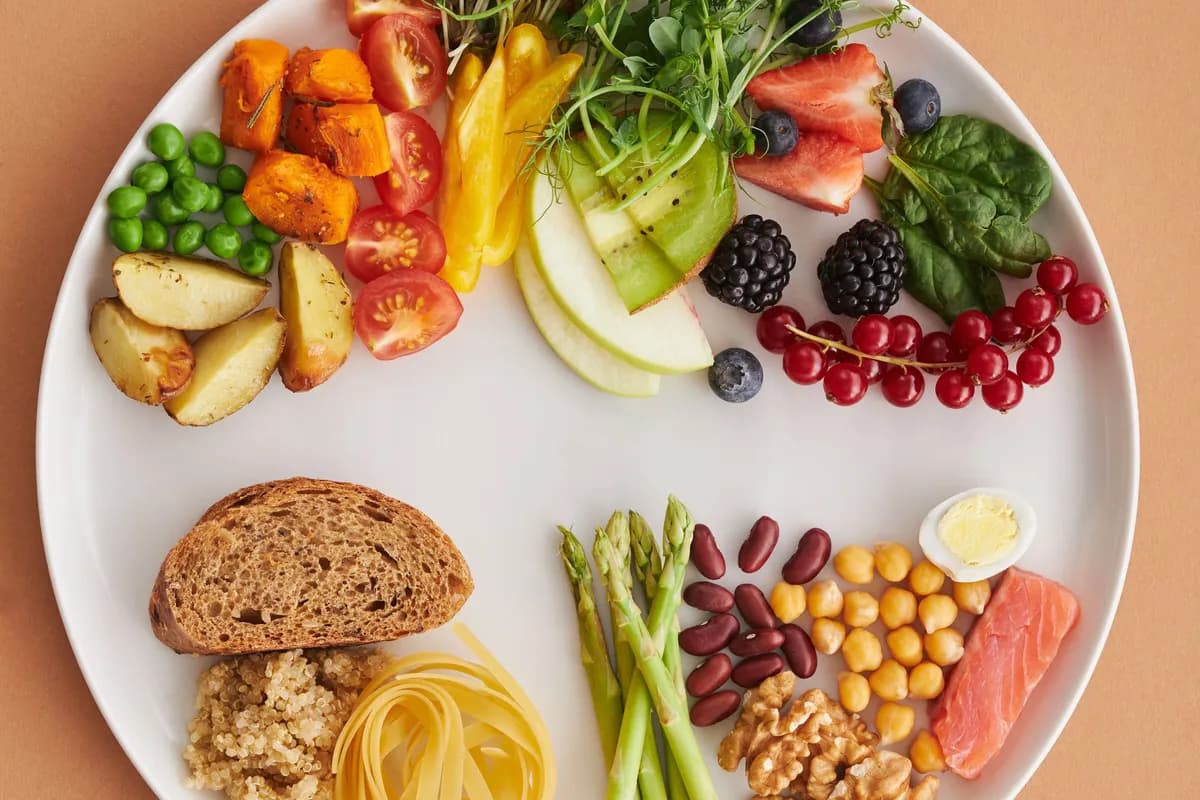
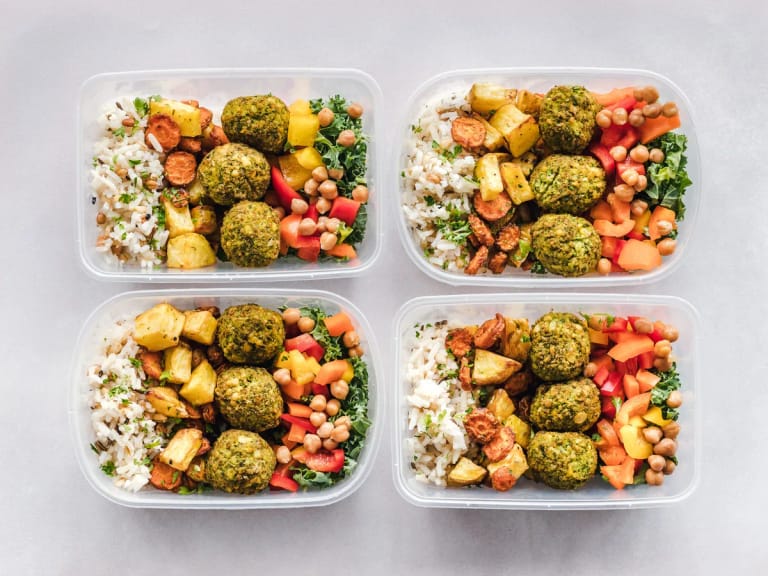
A balanced plate: half vegetables, a quarter protein, a quarter whole grains

Right Amount, Eaten Slowly

Use your hand and the plate method to judge portions, then slow down enough to notice fullness. Balance and attention matter more than strict measuring.

A serving is a standard measure; a portion is what you actually plate.
Use your hand: palm for protein, cupped hand for carbs, fist for veg, thumb for fats.
Eating slowly gives fullness signals time to register (about 20 minutes).

Key Insights

Hand-based portion estimates for protein, carbs, vegetables, and fats

Your Hand Is a Built-In Guide

A palm of protein, a cupped hand of carbs, a fist of vegetables, a thumb of fats. It scales to your body and is always with you, no scale required.
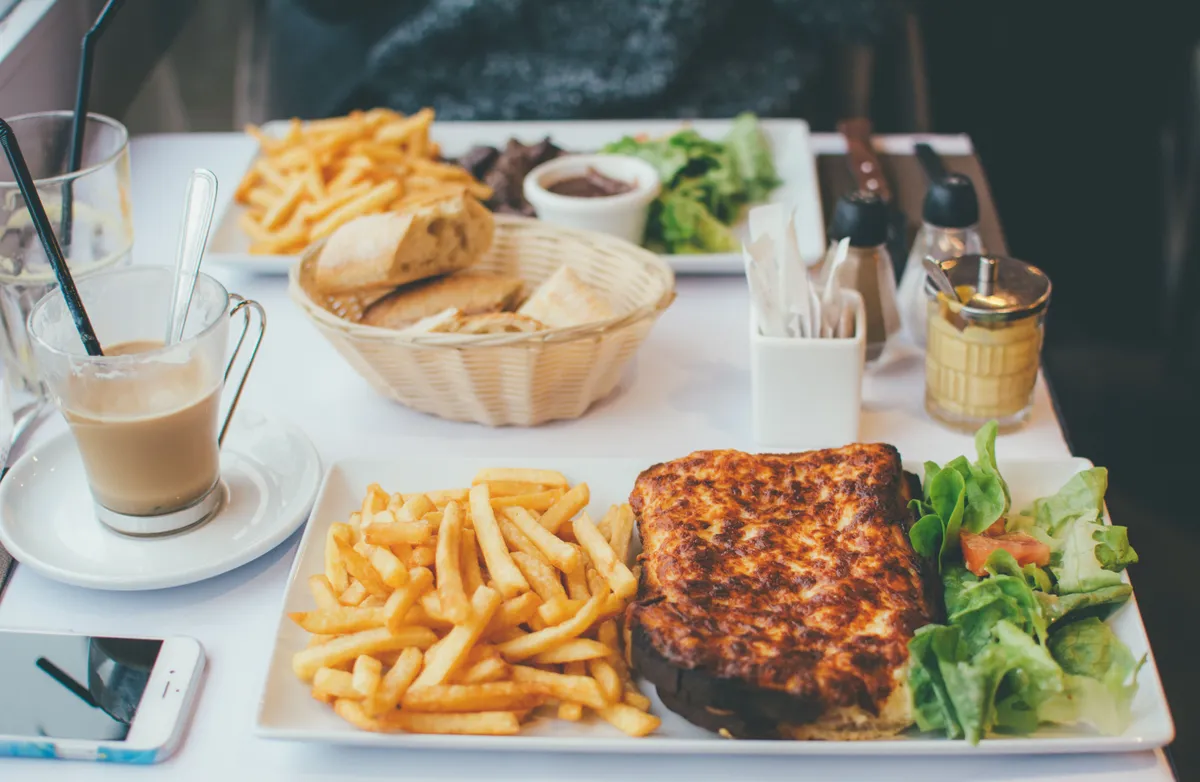
An oversized restaurant-style portion on a large plate
📈

Portions Have Quietly Grown

Restaurant meals, snacks, and plates have all expanded over decades. When we're served more, we eat more, usually without feeling any fuller.

A person eating a meal slowly and attentively
🧘

Slowing Down Helps You Stop

Fullness signals take about twenty minutes to register. Eating slowly and without screens lets your body tell you it's had enough.

Putting It Into Practice

Eating the right amount comes down to a few repeatable habits: judge portions simply, build a balanced plate, and slow down enough to notice fullness.

Using the hand to estimate portions
01

Estimate With Your Hand

Skip the scale and use a guide you always have with you.
  • Palm-sized portion of protein per meal.
  • Cupped hand of carbs like rice, pasta, or grains.
  • A fist or more of vegetables.
  • A thumb of fats like oil, butter, or nut butter.
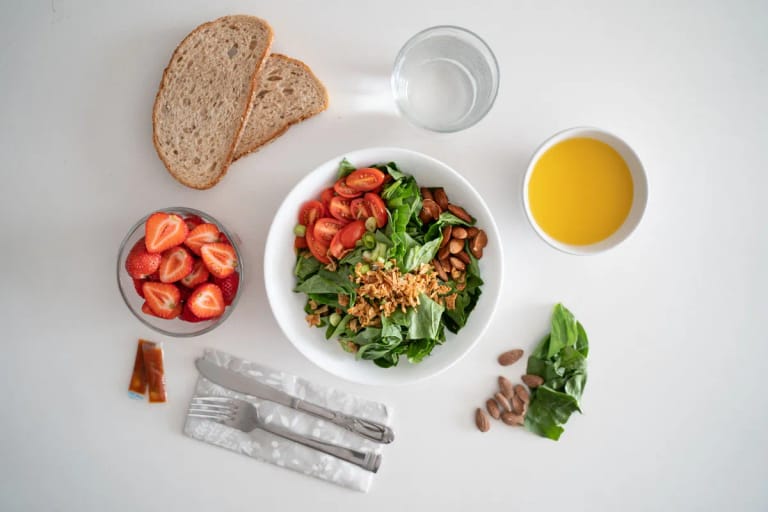
A plate divided into vegetables, protein, and grains
02

Build a Balanced Plate

The plate method keeps proportions sensible without counting.
  • Fill half the plate with vegetables and fruit.
  • Use a quarter for protein.
  • Use a quarter for whole grains or starch.
  • Add a small amount of healthy fat for flavour and fullness.
03

Eat Mindfully

Attention turns the right portion into a satisfying one.
  • Slow down; aim to make a meal last at least twenty minutes.
  • Eat without screens so you notice flavour and fullness.
  • Pause partway through and check whether you're still hungry.
  • Serve from the stove and use smaller plates to ease over-serving.

Why Portion Awareness Works

Portion size is one of the quietest influences on how much we eat, precisely because it operates below conscious attention. Decades of research show a consistent pattern: when people are served larger amounts, they eat more, and they rarely report feeling any fuller for it. This is the heart of "portion distortion." Restaurant servings, snack packages, and even our dinner plates have all grown, so the visual baseline for a "normal" amount has shifted upward without most of us noticing. The plate that looks reasonable today might have looked enormous a generation ago.

Simple Tools Beat Strict Measuring

The good news is that fixing this rarely requires weighing food or counting calories. Your hand is a portable guide that scales to your body: a palm of protein, a cupped hand of carbohydrates, a fist of vegetables, a thumb of fats. The plate method does the same job visually, filling half the plate with vegetables and fruit, a quarter with protein, and a quarter with whole grains. These approaches keep proportions and amounts sensible while leaving room to eat satisfying, generous portions of the foods that fill you up for the fewest calories, like vegetables.

When we're served more, we eat more, and we almost never feel fuller for it. That's why the size of the plate quietly shapes the size of the meal.

Attention Is the Other Half

Portion tools handle how much goes on the plate; mindful eating handles how your body responds to it. Fullness signals take roughly twenty minutes to register, so eating quickly means you can sail past "satisfied" before your body has a chance to speak up. Slowing down, putting the fork down between bites, eating away from screens, and checking in with your hunger partway through a meal all give those signals time to land. Done together, portion awareness and mindful eating let you eat the right amount without rigid rules, because you're working with your body's own feedback rather than against it.

Portion Myths vs Facts

Myths vs Facts

Myth

A portion and a serving are the same thing.

Hover to flipTap to flip
Fact
  • A serving is a standard measured amount; a portion is what you actually plate.
  • One restaurant portion can contain several official servings.
Myth

You need to weigh and measure food to control portions.

Hover to flipTap to flip
Fact
  • Hand-based estimates and the plate method work well for everyday eating.
  • Your hand scales to your body, so it adjusts the portions to you.
Myth

Portion control means eating less of everything.

Hover to flipTap to flip
Fact
  • It's about balance: more vegetables, moderate protein and starch.
  • You can eat generous portions of filling, lower-calorie foods.
Myth

How fast you eat doesn't affect how much you eat.

Hover to flipTap to flip
Fact
  • Fullness signals take about twenty minutes to register.
  • Eating slowly helps you notice you're satisfied before overeating.

Resources and Tools

🍽️

Harvard Nutrition Source — Healthy Eating Plate

Website

A visual guide to building a balanced plate with sensible proportions.

📈

NHLBI — Portion Distortion

Website

How portion sizes have grown over time, with side-by-side comparisons.

Conclusion

Eating the right amount isn't about strict measuring or going hungry; it's about awareness. Portions have grown so gradually that our sense of "normal" has drifted, but a few simple tools bring it back into focus. Use your hand and the plate method to judge portions without a scale, favour generous helpings of vegetables and sensible amounts of everything else, and slow down enough that your body's fullness signals can actually reach you. Together, portion awareness and mindful eating let you feel satisfied on a reasonable amount, without rules to memorize. If you'd like help finding the portions and pace that fit your body and goals, a dietitian can guide you.


Frequently Asked Questions

What's the difference between a portion and a serving?

A serving is a standard, measured amount used on labels and in guidelines, like one cup of cereal or three ounces of meat. A portion is how much you actually choose to put on your plate, which can be much larger or smaller. The two are often confused, and the gap matters: a restaurant 'portion' of pasta can easily contain three or four official servings. Knowing the difference helps you read labels and judge real-world plates more accurately.

How can I estimate portions without weighing my food?

Your hand is a portable, surprisingly reliable guide. A palm is about a protein serving, a cupped hand is roughly a serving of carbohydrates like rice or pasta, a fist is about a serving of vegetables, and a thumb is about a serving of fats like oil, butter, or nut butter. Because your hand scales with your body size, the estimates adjust to you. It's not precise, but for everyday eating it's accurate enough and always with you.

Why have portion sizes gotten so big?

Over the past few decades, restaurant meals, packaged snacks, and dishware have all grown substantially, a shift often called 'portion distortion.' Larger portions have quietly become the new normal, so a plate that looks ordinary today may hold far more than it did a generation ago. Research consistently shows that when people are served more, they eat more, usually without noticing or feeling fuller, which is why portion awareness matters.

What is mindful eating?

Mindful eating means paying attention to your food and your body's signals while you eat, rather than eating on autopilot. In practice it's slowing down, noticing flavours and textures, and checking in with your hunger and fullness. It takes roughly twenty minutes for fullness signals to register, so eating slowly gives your body time to tell you it's had enough, which naturally helps with portion size without strict rules.

Does portion control mean eating less of everything?

Not at all. It's about balance, not deprivation. Most people benefit from larger portions of vegetables and smaller portions of refined carbs, fatty meats, and calorie-dense extras. A useful model is the plate method: fill half with vegetables and fruit, a quarter with protein, and a quarter with whole grains or starch. This lets you eat satisfying amounts while keeping the overall balance and calories in a reasonable range.

Will smaller plates really help me eat less?

They can help, though the effect is modest and varies from person to person. A normal portion looks generous on a smaller plate and skimpy on a large one, and visual cues genuinely influence how much we serve and eat. Smaller plates, serving from the stove rather than family-style, and putting snacks in a bowl instead of eating from the bag are simple environmental tweaks that make moderate portions feel satisfying.

Sources & References

Healthy Eating Plate (Harvard T.H. Chan, The Nutrition Source) nutritionsource.hsph.harvard.edu/healthy-eating-plate/
1
Portion Distortion (U.S. National Heart, Lung, and Blood Institute) www.nhlbi.nih.gov/health/educational/wecan/eat-right/portion-distortion.htm
2
Mindful Eating (Harvard T.H. Chan, The Nutrition Source) nutritionsource.hsph.harvard.edu/mindful-eating/
3

Similar Blogs

How Much Water Do You Really Need?
foundational-habits
How Much Water Do You Really Need?

An evidence-based look at hydration: where the 8-glasses myth came from, real fluid needs, the role of food and other drinks, signs of dehydration, and why more isn't always better.

Meal Prep for Beginners: A Realistic Starter Guide
meal-planning-prep
Meal Prep for Beginners: A Realistic Starter Guide

A practical, beginner-friendly guide to meal prep: the main styles, how to plan a week, safe storage, and how to start small so the habit lasts beyond the first Sunday.

How to Read a Nutrition Label (Without Getting Fooled)
foundational-habits
How to Read a Nutrition Label (Without Getting Fooled)

A plain-language guide to reading nutrition labels: how serving sizes shape every number, the 5/15 percent Daily Value rule, added sugars, and how to see past front-of-package marketing.

Cutting Back on Sugar: A Practical, No-Guilt Guide
foundational-habits
Cutting Back on Sugar: A Practical, No-Guilt Guide

An evidence-based guide to reducing added sugar: the daily limits, why added sugar harms health while fruit doesn't, how to spot hidden sugar, and realistic ways to cut cravings.

Fiber: The Most Underrated Nutrient (A Complete Guide)
foundational-habits
Fiber: The Most Underrated Nutrient (A Complete Guide)

An evidence-based guide to dietary fiber: how much you need, soluble vs insoluble, why 90%+ of adults fall short, the real health benefits, and how to eat more comfortably.

Nutrition on GLP-1 Medications: A Clinical Overview
clinical-nutrition
Nutrition on GLP-1 Medications: A Clinical Overview

An evidence-based overview of nutrition while taking GLP-1 medications: why protein and muscle matter, managing side effects, avoiding nutrient gaps, and why a dietitian is key to lasting results.

How Much Protein Do You Really Need?
foundational-habits
How Much Protein Do You Really Need?

A practical, evidence-based guide to protein: how much you actually need, why active and older adults need more, how to spread it across the day, and when the protein craze goes overboard.

Sustainable Weight Loss: What Actually Works Long-Term
foundational-habits
Sustainable Weight Loss: What Actually Works Long-Term

An evidence-based guide to sustainable weight loss: why diets fail, the realistic pace that lasts, why even 5–10% matters, and the habits that make weight loss stick.

Healthy Eating in Restaurants
foundational-habits
Healthy Eating in Restaurants

Eating out can fit into a healthy lifestyle. Learn practical, flexible strategies to make confident choices at restaurants without guilt or perfectionism.

Detox Diets: What Actually Helps Your Body
foundational-habits
Detox Diets: What Actually Helps Your Body

Detox diets promise quick resets, but your body already has built-in detox systems. Learn what truly supports them through everyday habits.