Nutrition on GLP-1 Medications: A Clinical Overview

How to protect muscle, meet protein needs, and eat well on Ozempic, Wegovy, and Mounjaro

2026-06-08
📝1,920words
⏱️10min read
Clinical Nutrition
#Glp 1#Weight Management#Protein#Muscle Preservation#Nutrition

Nutrition on GLP-1 Medications

GLP-1 medications — semaglutide (Ozempic, Wegovy) and tirzepatide (Mounjaro, Zepbound) — have transformed weight and diabetes care, and their use is expanding quickly. They work largely by slowing stomach emptying and reducing appetite, so people feel full sooner and eat considerably less. That appetite reduction is the whole point, and it's effective. But it also reshapes the nutrition picture: when total intake drops by a quarter to a third or more, what you eat matters far more than it used to.

The central nutrition challenge on a GLP-1 isn't eating less; the medication handles that. It's making sure the smaller amount you do eat protects your muscle, covers your nutrient needs, and doesn't leave you depleted. Without attention to this, a meaningful share of weight lost can come from muscle rather than fat, and nutrient gaps can develop. The encouraging news is that these risks are largely preventable, and dietitians, though still underused in this setting, are central to getting it right.

This article reviews how GLP-1 medications affect eating, why protein and muscle are the priority, how to manage side effects, how to avoid nutrient deficiencies, and how nutrition supports lasting results.

Clinical Summary

Nutrition on GLP-1 Medications

GLP-1s cut how much you eat, so quality matters most. The priorities are protein and muscle, managing side effects, and preventing nutrient gaps, ideally with a dietitian.

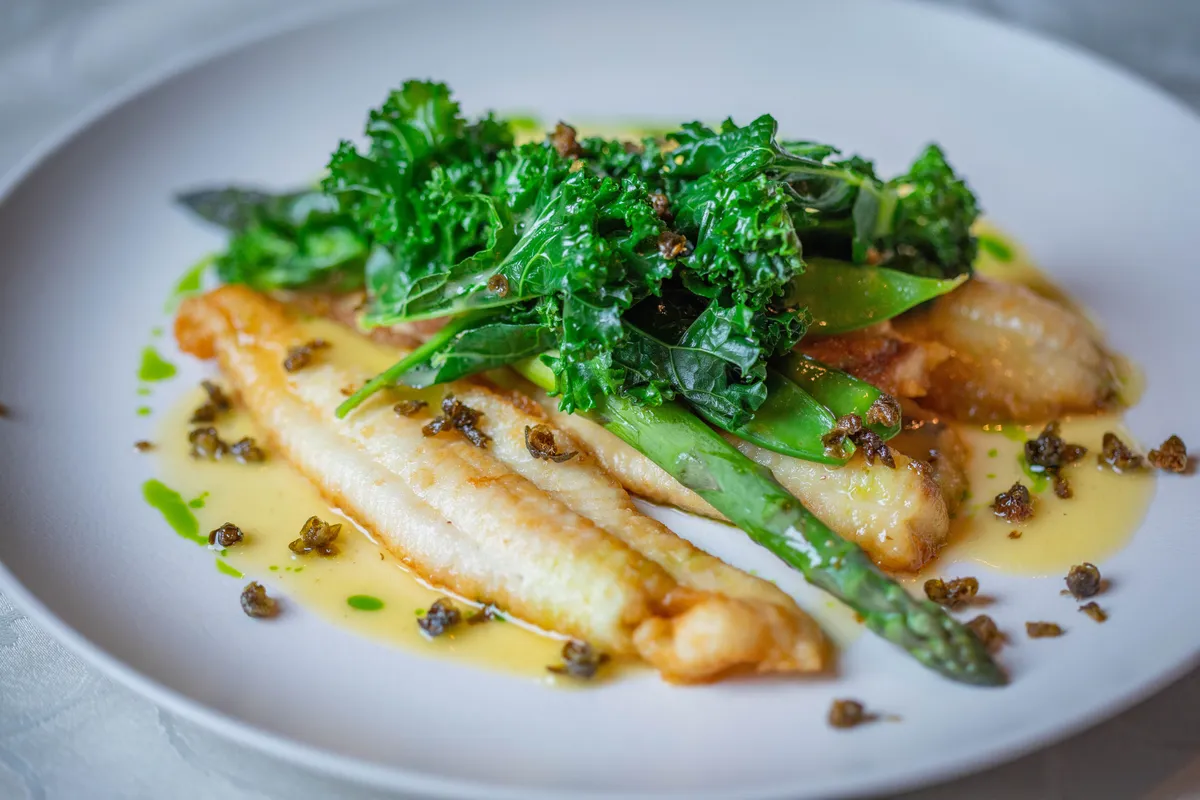
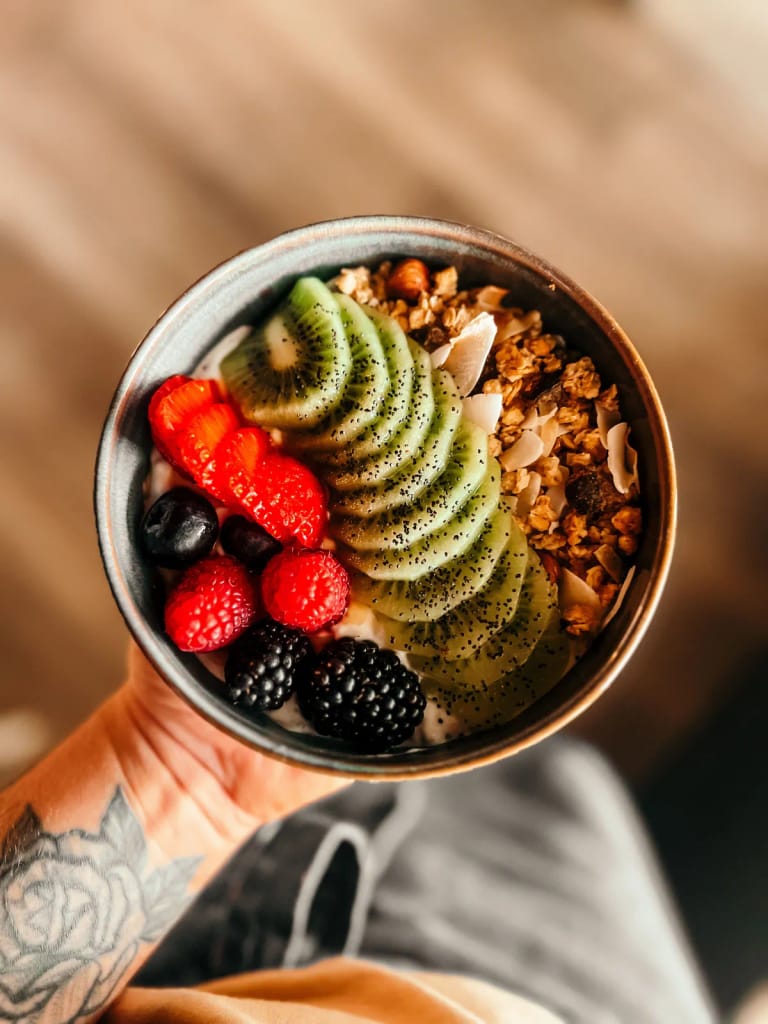
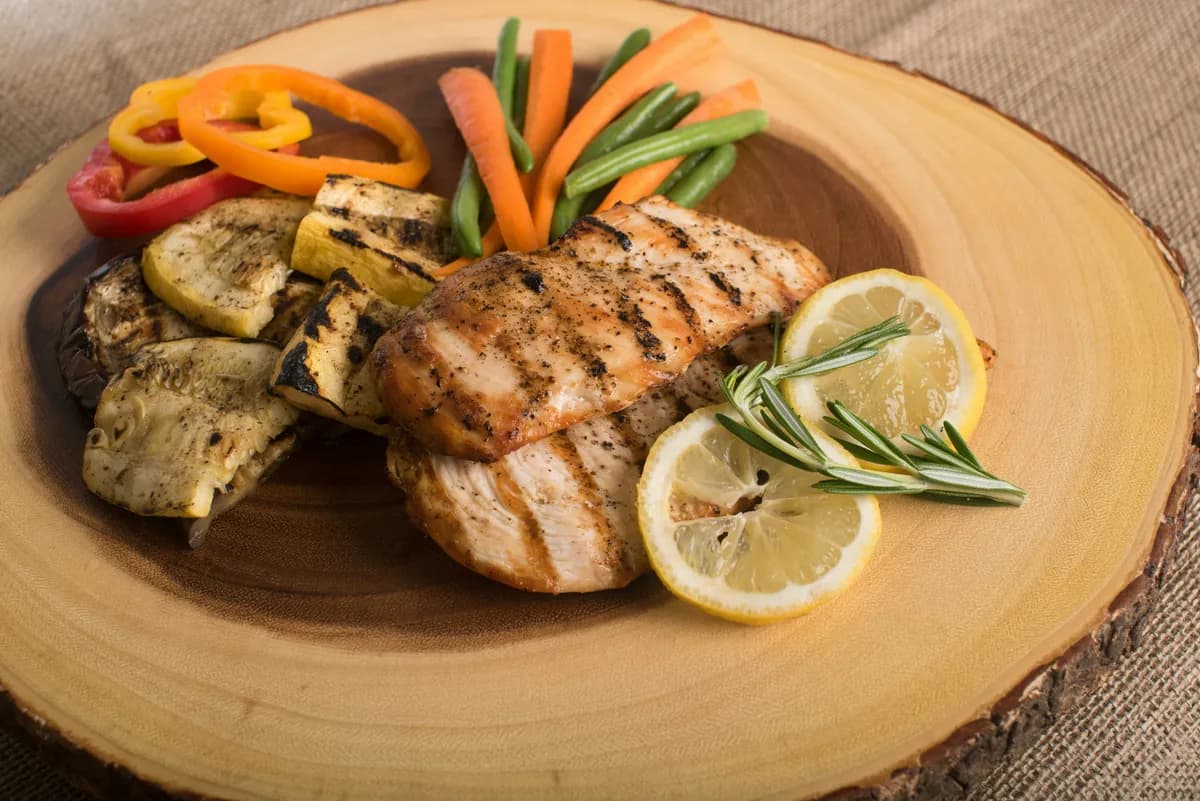
A protein-forward, nutrient-dense plate for GLP-1 nutrition

The shift

Less food, higher stakes

Intake often falls 24–39%, so the quality of what you eat matters far more.

Top priority

Protein & muscle

Without enough protein, up to ~40% of weight lost can be lean tissue.

What helps

Protein + resistance

Adequate protein plus strength training preserves muscle during weight loss.

What we'll cover

Side effects & gaps

Managing nausea, preventing deficiencies, and the dietitian's role.

Therapy Profile

Therapy Profile

GLP-1 medications reduce appetite and slow digestion, producing real weight and glucose benefits but also a sharp drop in intake. That makes protein, muscle preservation, and nutrient adequacy the core nutritional tasks during treatment.

Intake Drop

~24–39%

Total energy intake typically falls by roughly a quarter to a third on GLP-1 therapy.

Muscle at Risk

Up to ~40%

Without a structured plan, lean tissue can make up a large share of the weight lost.

The Protector

Protein + resistance

Adequate protein and strength training are what preserve muscle during rapid weight loss.

Eating Well on a GLP-1

01

How GLP-1s Change Eating

GLP-1 receptor agonists work largely on appetite and digestion. They slow how fast the stomach empties and act on the brain's appetite signals, so people feel full faster, stay full longer, and simply want less food. For weight and blood sugar, that's powerful and effective. The flip side is that intake can fall dramatically — studies show energy intake dropping roughly 24–39%, and some people eat under 800 calories a day in the early weeks. At that level, the body will lose weight, but the composition of that loss, and whether nutrient needs are met, depends entirely on the quality of the food that does get eaten. That's the shift this medication forces: from worrying about eating too much to making every bite count.

Key Takeaways

  • Mechanism: GLP-1s slow stomach emptying and reduce appetite.
  • Big intake drop: Energy intake often falls 24–39%, sometimes under 800 kcal/day early.
  • Quality over quantity: With less food, what you eat matters far more.
02

Protein and Muscle: The Main Event

The most important nutrition goal on a GLP-1 is protecting muscle, and that comes down to protein plus resistance exercise. Rapid weight loss always includes some lean tissue, but without enough protein the proportion can be high — in some studies lean tissue accounted for up to about 40% of total weight lost. Losing that much muscle hurts strength, metabolism, and long-term health. The reassuring 2025–2026 evidence is that this is largely preventable: people who prioritize protein and do regular strength training preserve far more muscle. Practically, that means including a quality protein source at every meal and snack, aiming for protein first when appetite is limited, and pairing it with resistance exercise a few times a week.

Key Takeaways

  • Muscle is the priority: Protect it to keep strength, metabolism, and health.
  • The risk: Without enough protein, up to ~40% of loss can be lean tissue.
  • The fix: Prioritize protein at every meal and snack, eating it first.
  • Add resistance training: Strength work plus protein preserves muscle.
03

Managing Side Effects Without Losing Nutrition

Most people get some gastrointestinal side effects, especially early on and after dose increases: nausea, early fullness, reflux, and constipation are the common ones. The challenge is managing them without letting nutrition slide further. Smaller, more frequent meals are easier to tolerate than large ones. When nauseated, bland, cooler, lower-fat foods tend to sit better, and sipping fluids between meals helps. Very fatty or fried foods often worsen symptoms. Constipation responds to adequate fluids and gradually increasing fiber. Throughout, the aim is to keep protein and key nutrients up even when appetite is low — which often means being intentional and prepared rather than waiting to feel hungry.

Key Takeaways

  • Common early: Nausea, fullness, reflux, and constipation, often after dose increases.
  • Eat small and often: Smaller, frequent meals beat large ones.
  • Tame nausea: Bland, cooler, lower-fat foods; sip fluids; limit fried/fatty foods.
  • Stay ahead of it: Be intentional about protein and nutrients despite low appetite.
04

Preventing Nutrient Gaps and Planning Ahead

Eating much less makes nutrient deficiencies a genuine risk. It's easy to fall short on protein and on micronutrients such as iron, vitamin B12, and calcium, and bone health deserves attention during significant weight loss. A nutrient-dense pattern — lean proteins, vegetables, fruit, whole grains, dairy or fortified alternatives — does most of the work, with targeted supplementation where monitoring shows a gap. It's also worth thinking ahead: GLP-1 results depend on sustained changes, and if the medication is ever reduced or stopped, the eating and exercise habits built during treatment are what help maintain the loss. This is the strongest argument for involving a dietitian early rather than treating nutrition as an afterthought.

Key Takeaways

  • Deficiency risk: Watch protein, iron, B12, calcium, and bone health.
  • Food first: A nutrient-dense pattern covers most needs; supplement targeted gaps.
  • Plan for after: Habits built now protect results if the medication stops.
  • Involve a dietitian early: Nutrition support is central, not optional.

Practical Strategies

Eating well on a GLP-1 comes down to protecting muscle, managing side effects, and keeping nutrition dense when appetite is low, ideally with professional guidance.

01
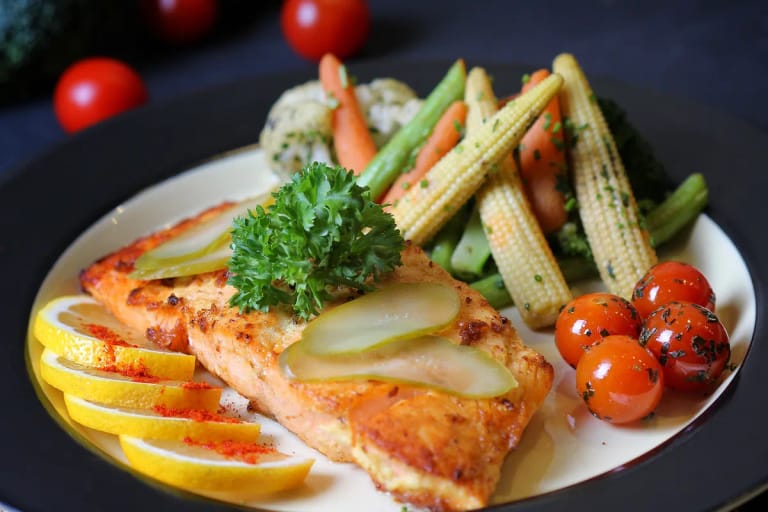
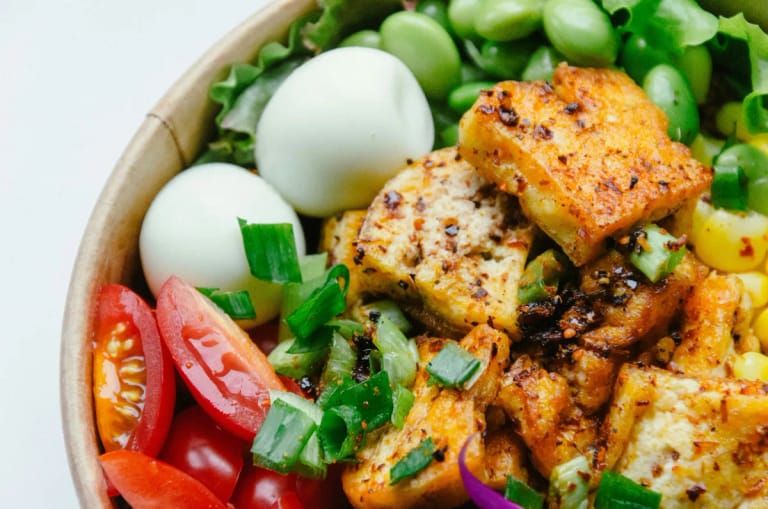
High-protein foods: fish, eggs, legumes, dairy, and lean meat
Step 1

Make Protein the Priority

Protein protects muscle, and on a limited appetite it should come first on the plate.
  • Include a protein source at every meal and snack.
  • Eat protein first when your appetite is limited.
  • Add resistance exercise a few times a week to preserve muscle.
  • Use protein-rich snacks (Greek yogurt, eggs, edamame) to fill gaps.
02
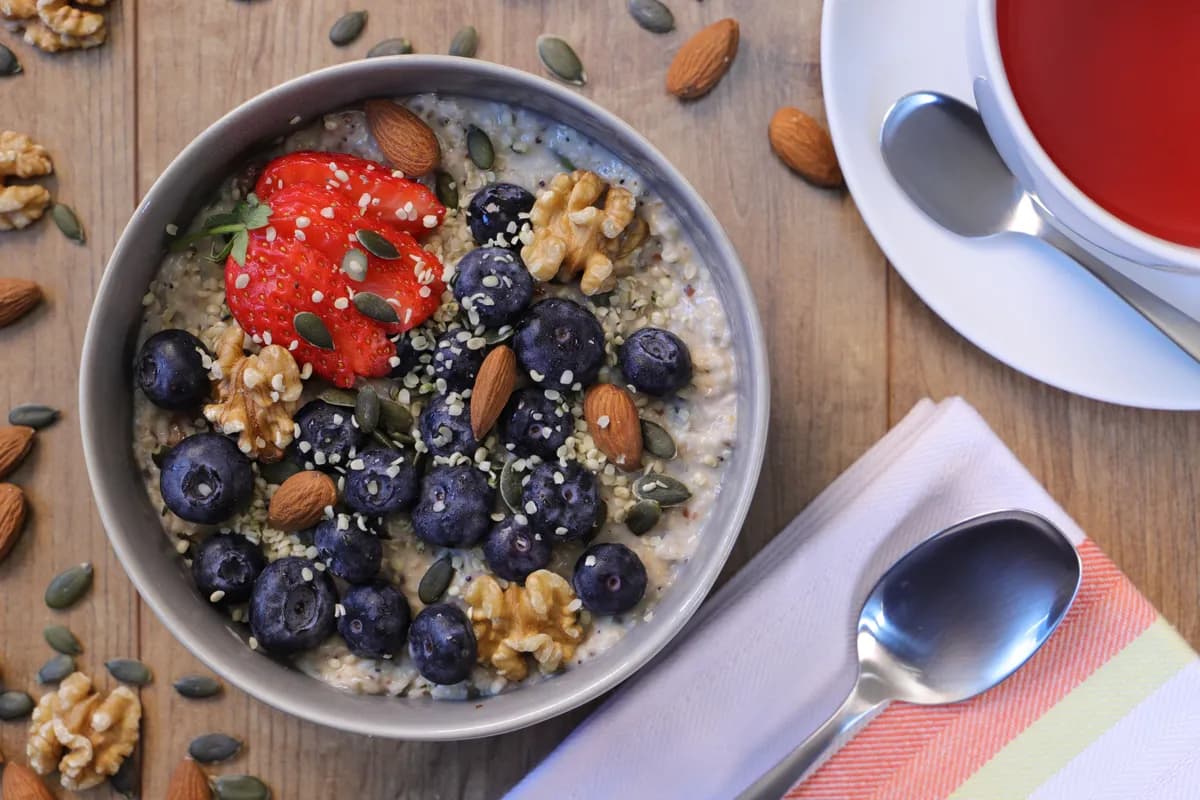
Small, balanced meals to manage GLP-1 side effects
Step 2

Eat to Ease Side Effects

Smaller, gentler meals keep nutrition up while managing nausea and fullness.
  • Choose smaller, more frequent meals over large ones.
  • For nausea, try bland, cooler, lower-fat foods; sip fluids between meals.
  • Limit very fatty or fried foods that worsen symptoms.
  • Manage constipation with fluids and a gradual increase in fiber.
03
Step 3

Protect Against Gaps & Plan Ahead

Keep nutrients covered now, and build habits that last beyond the medication.
  • Favor nutrient-dense foods so each bite delivers more.
  • Watch iron, B12, calcium, and bone health; supplement targeted gaps.
  • Build sustainable eating and exercise habits for the long term.
  • Work with a dietitian to individualize and monitor your plan.

Common Myths About GLP-1 Nutrition

Myths vs. Facts

Myth

The medication does everything, so nutrition doesn't matter.

Hover to flipTap to flip
Fact
  • The drug controls how much you eat, but not what you eat or whether you keep muscle.
  • Protein, nutrient density, and exercise determine the quality of your results.
Myth

Losing muscle on a GLP-1 is unavoidable.

Hover to flipTap to flip
Fact
  • Some lean loss is normal, but adequate protein and resistance training preserve most muscle.
  • 2025–2026 research shows structured nutrition markedly reduces muscle loss.
Myth

Since you're eating so little, you don't need to worry about deficiencies.

Hover to flipTap to flip
Fact
  • Eating much less is exactly what raises the risk of protein and micronutrient gaps.
  • Nutrient-dense food and targeted supplementation are more important, not less.
Myth

'GLP-1-friendly' products are a reliable guide to what to eat.

Hover to flipTap to flip
Fact
  • The term isn't standardized, and many such products are marketing rather than guidance.
  • Whole foods, prioritizing protein and fiber, beat label claims; a dietitian helps you cut through.

Risk Factors

Certain situations make muscle loss and nutrient gaps more likely during treatment.

What Raises Nutritional Risk on a GLP-1

Very low energy intake

Eating very little (sometimes under 800 kcal/day early on) without a plan drives muscle and nutrient loss.

Inadequate protein

Too little protein is the main driver of disproportionate muscle loss during rapid weight loss.

No resistance exercise

Without strength training, more of the weight lost tends to come from muscle.

No nutrition support

Going it alone makes deficiencies and muscle loss harder to catch and prevent.

Special Clinical Care

Some groups need particularly careful nutrition support while on GLP-1 therapy.

Older adults

Higher baseline risk of muscle and bone loss makes protein and resistance exercise especially important.

People with type 2 diabetes

Need blood-sugar monitoring as intake drops, with possible medication adjustments to avoid lows.

Those with a history of disordered eating

Appetite-suppressing medication warrants careful, supportive monitoring and individualized care.

Conclusion

GLP-1 medications are a genuine advance, but they change the nutrition equation rather than removing it. Because they cut how much you eat so sharply, the priority shifts to making that smaller intake count: protein at every meal to protect muscle, resistance exercise alongside it, gentle eating strategies to manage side effects, and a nutrient-dense pattern to prevent deficiencies. The 2025–2026 evidence is encouraging — muscle loss is largely preventable with the right approach, and habits built during treatment are what protect results over time. Nutrition isn't a sidebar to GLP-1 therapy; it's what determines whether the weight lost is fat or muscle and whether the benefits last. Working with a dietitian, still underused in this space, is one of the highest-value steps a person on these medications can take.

Frequently Asked Questions

What are GLP-1 medications and how do they affect eating?

GLP-1 receptor agonists (such as semaglutide — Ozempic and Wegovy — and tirzepatide — Mounjaro and Zepbound) are medications for type 2 diabetes and weight management. They work largely by slowing stomach emptying and reducing appetite, so you feel full faster and eat less. That's the point, but it also means total food intake often drops sharply (studies show energy intake falling roughly 24–39%), which makes the quality of what you do eat far more important.

Why is protein so important on these medications?

Because rapid weight loss isn't only fat. Without enough protein, a meaningful share of the weight lost can come from muscle — in some studies, lean tissue accounted for up to about 40% of total weight loss. Protecting muscle matters for strength, metabolism, and long-term health. Prioritizing protein at every meal, alongside resistance exercise, is the single most important nutrition step on a GLP-1.

Will I lose muscle on a GLP-1?

Some lean-tissue loss is normal with any weight loss, but it's not inevitable to lose a lot. Recent 2025–2026 research is reassuring: people who eat adequate protein and do resistance training preserve much more muscle. The risk comes from very low intake (some people eat under 800 calories a day early on) without a structured plan. With attention to protein and strength work, muscle can be largely protected.

How do I manage nausea and other side effects?

GI side effects (nausea, fullness, reflux, constipation) are common, especially early and after dose increases. Eating smaller, more frequent meals, choosing bland or cooler foods when nauseated, staying hydrated, and going easy on very fatty or fried foods all help. Constipation responds to fluids and gradual fiber. The goal is to keep protein and nutrients up even when appetite is low — which is exactly where a dietitian helps.

Can I develop nutrient deficiencies?

Yes, it's a real risk. When you eat much less overall, it's easy to fall short on protein and on micronutrients like iron, B12, calcium, and others, and bone health can be affected too. This is why food quality and, when needed, targeted supplementation matter. Monitoring and individualized guidance help catch and prevent gaps before they cause problems.

Do I still need to think about nutrition if the medication does the work?

More than ever. The medication reduces how much you eat, but it doesn't decide what you eat or protect your muscle and nutrient status — that's where nutrition comes in. Dietitians are central to GLP-1 success but underused. Good nutrition during treatment protects muscle, eases side effects, prevents deficiencies, and supports keeping weight off if the medication is ever stopped.

Sources & References

Nutritional Priorities to Support GLP-1 Therapy for Obesity — Joint Advisory (ACLM, ASN, OMA, TOS), AJCN 2025 ajcn.nutrition.org/article/S0002-9165(25)00240-0/fulltext
1
American Society for Nutrition — Nutritional Priorities to Support GLP-1 Therapy nutrition.org/nutritional-priorities-to-support-glp-1-therapy-for-obesity/
2
Mayo Clinic — GLP-1 Medications and Muscle Loss: Nutrition and Supplements store.mayoclinic.com/education/glp-1-medications-and-muscle-loss-what-to-know-about-nutrition-and-supplements/
3
Weight Loss with GLP-1 Medicines and Muscle Mass (Cell Reports Medicine, 2026) www.cell.com/cell-reports-medicine/fulltext/S2666-3791(26)00082-0
4

Similar Blogs

clinical-nutrition
Food Allergies vs. Intolerances: A Clinical Overview

An evidence-based overview of food allergies, intolerances, and sensitivities: the crucial differences, how each is properly diagnosed, and how to manage them without needless restriction.

foundational-habits
How Much Protein Do You Really Need?

A practical, evidence-based guide to protein: how much you actually need, why active and older adults need more, how to spread it across the day, and when the protein craze goes overboard.

clinical-nutrition
Cancer & Nutrition: Eating Well Through Treatment

An evidence-based overview of nutrition during cancer treatment: why protein and calories matter, managing side effects and cachexia, the truth about 'sugar feeds cancer,' and when to get support.

gut-health
Celiac Disease: A Clinical Nutrition Overview

An evidence-based overview of celiac disease: how it differs from gluten sensitivity, why a strict gluten-free diet is the only treatment, the deficiencies to watch for, and avoiding cross-contamination.

gut-health
GERD & Acid Reflux: A Clinical Nutrition Overview

An evidence-based overview of GERD and acid reflux: why weight loss, meal timing, and bed elevation beat blanket food bans, how to find your personal triggers, and when to see a doctor.

maternal-nutrition
Gestational Diabetes: A Clinical Nutrition Overview

An evidence-based overview of gestational diabetes (GDM): blood glucose targets, carbohydrate management, why most people manage with nutrition alone, and protecting both mother and baby.

clinical-nutrition
Gout & Nutrition: A Clinical Overview

An evidence-based overview of gout nutrition: the role of purines, fructose, and alcohol, why weight loss helps, the truth about cherries, and why diet supports but doesn't replace medication.

womens-health
Menopause & Nutrition: A Clinical Overview

An evidence-based overview of nutrition through menopause: why protein and bone matter more, the truth about soy and hot flashes, managing midlife weight gain, and protecting long-term heart and bone health.

heart-health
Stroke & Nutrition: Prevention and Recovery

An evidence-based overview of nutrition for stroke: the dietary patterns and sodium targets that cut risk, plus how nutrition supports recovery, including dysphagia (swallowing difficulty).

clinical-nutrition
Type 2 Diabetes: A Clinical Nutrition Overview

An evidence-based overview of type 2 diabetes nutrition: how to manage and even reverse it, the plate method, carbohydrate quality, weight-loss targets, and what the latest ADA standards recommend.