Menopause is a natural life stage, typically around age 51, marked by declining estrogen and the end of menstruation. But the years around it (perimenopause through postmenopause) bring real physiological changes: bone loss speeds up, muscle becomes harder to maintain, body fat shifts toward the abdomen, and the risk of heart disease rises. Many women also experience hot flashes, sleep disruption, and mood changes.
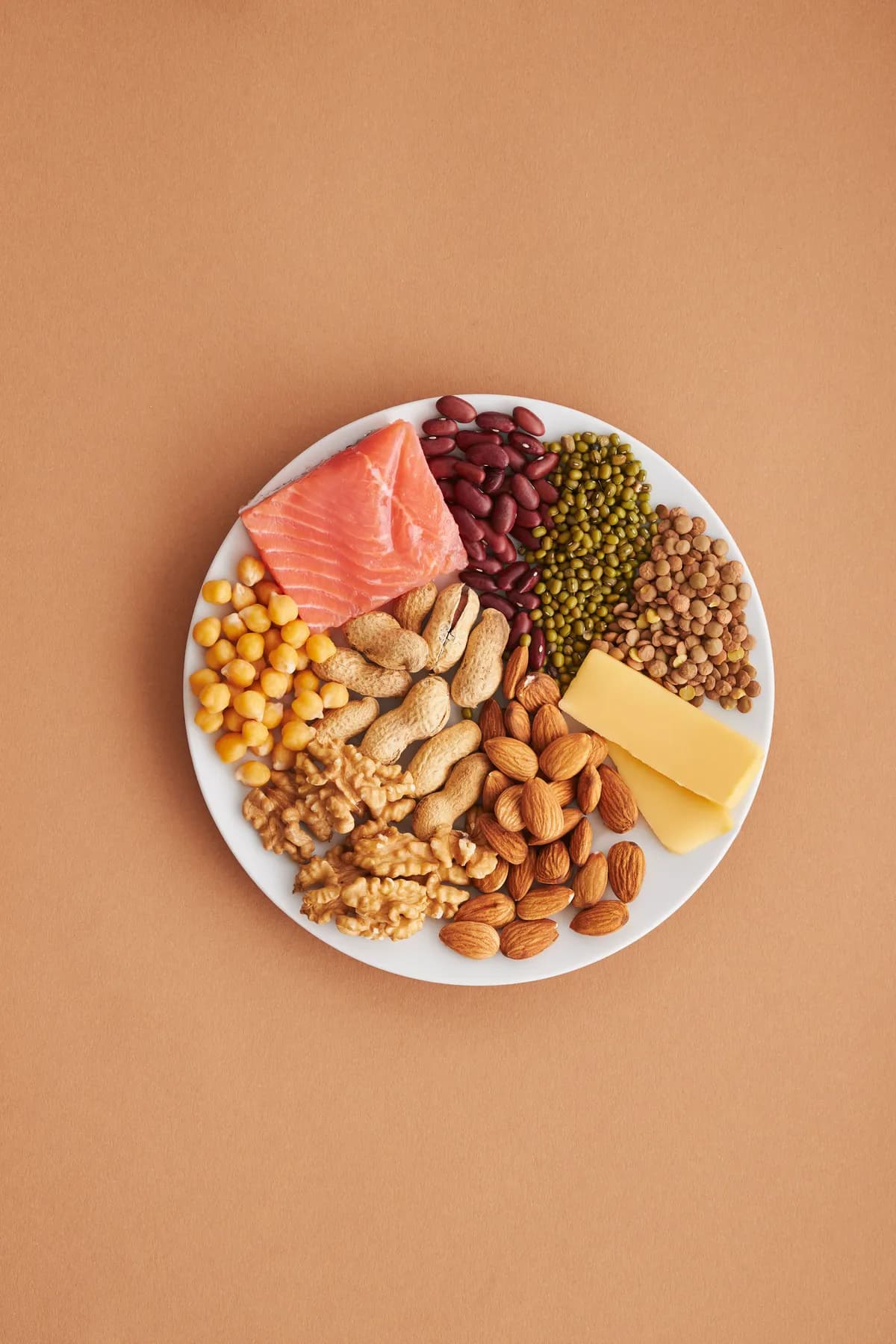
Nutrition becomes a real tool in this stage. The point isn't to "fight aging" but to protect the systems estrogen used to help safeguard. Eating well through menopause means prioritizing protein and bone-supportive nutrients, choosing a heart-protective pattern, and managing weight without the extreme dieting that backfires on muscle and bone. Some dietary choices, like soy foods, may even ease symptoms for some women.
This article reviews the key nutritional shifts menopause calls for, namely protein, calcium and vitamin D, heart health, weight management, and the evidence on soy and hot flashes, and how they fit alongside medical options like hormone therapy.