Endometriosis: A Clinical Nutrition Overview

Understanding inflammatory pathways, symptom burden, and nutrition-focused support

2025-12-01
📝1,593words
⏱️8min read
Maternal Nutrition
#Endometriosis#Chronic Inflammation#Pelvic Pain#Hormonal Health#Fertility Nutrition

Endometriosis

Endometriosis is a chronic inflammatory condition in which tissue similar to the endometrium grows outside the uterus, most commonly within the pelvic cavity. These ectopic lesions respond to hormonal signaling and can provoke ongoing inflammation, fibrosis, and pain. The condition is systemic in nature, affecting not only reproductive organs but also immune, gastrointestinal, and neurological pathways that influence overall health and quality of life.

Endometriosis affects an estimated one in ten individuals of reproductive age, around 190 million worldwide, and often begins in adolescence or early adulthood. Common clinical features include pelvic pain, painful menstruation, fatigue, and gastrointestinal symptoms, though presentation varies widely. Diagnostic delays are striking: research reports an average of 7–10 years from first symptoms to diagnosis, contributing to prolonged symptom burden and psychosocial impact.

This article reviews the inflammatory and hormonal mechanisms of endometriosis, the important gut-and-estrogen connection, common symptoms, and the specific, evidence-informed nutrition and lifestyle strategies used as part of multidisciplinary care.

Clinical Summary

Endometriosis

Endometriosis is a chronic inflammatory condition involving ectopic endometrial-like tissue that can cause pain, organ dysfunction, and reduced quality of life.

Illustration showing endometriosis lesions in the pelvic cavity

What it is

Chronic inflammatory condition

Estrogen-responsive endometrial-like tissue growing outside the uterus, causing persistent inflammation and pain.

Why it matters

Pain and systemic effects

Can significantly impact daily function, fertility, mental health, and gastrointestinal wellbeing.

Prevalence

~10% (190M)

Affects about one in ten people of reproductive age, with symptoms often starting in adolescence.

Diagnostic delay

7–10 years

Pain is frequently normalized, delaying diagnosis and prolonging the symptom burden.

Pathophysiology Profile

Pathophysiology Profile

Endometriosis is a complex condition shaped by hormonal, immune, neurological, and gut-related factors. Nutrition strategies target the modifiable levers (inflammation, fat quality, fiber, and gut health) within integrated, individualized care.

Core Driver

Estrogen + inflammation

Lesions are estrogen-responsive and produce inflammatory mediators (prostaglandins, cytokines) that drive pain and persistence.

Nutrition Lever

Omega-3 fats

Higher omega-3 intake is linked to lower risk and may help temper inflammation; high trans-fat intake is linked to higher risk.

The Gut Connection

Estrobolome

Gut bacteria influence how estrogen is recycled, so fiber and gut health may affect estrogen load and symptoms.

Mechanisms, the Gut Connection, and Diagnosis

01

Inflammatory and Hormonal Pathways

Endometriosis is driven by hormonal responsiveness and immune-mediated inflammation. Ectopic lesions produce inflammatory mediators including prostaglandins and cytokines, contributing to pain and local tissue irritation. Estrogen plays a central role by promoting lesion growth and persistence, which is why the condition is described as estrogen-dependent. Over time, inflammation can sensitize nerve pathways, amplifying pain perception well beyond what lesion size alone would predict.

Key Takeaways

  • Estrogen Dependency: Promotes lesion growth and drives cyclical symptom patterns.
  • Prostaglandins: Inflammatory signals that intensify cramping and pain (a target of omega-3 fats).
  • Neuroinflammation: Sensitized nerve pathways can make pain chronic and out of proportion to lesions.
02

The Gut and Estrogen Connection

A key reason diet matters in endometriosis is the link between the gut and estrogen. A community of gut bacteria, sometimes called the "estrobolome," produces an enzyme (beta-glucuronidase) that can reactivate estrogen the body was trying to excrete, sending it back into circulation. Dietary fiber binds estrogen in the gut and promotes its elimination, while a fiber-poor, inflammatory diet may do the opposite. This is the mechanistic bridge between "eat more fiber and plants" and a hormone-driven disease.

Key Takeaways

  • Estrobolome: Gut microbes influence how much estrogen is recycled vs. excreted.
  • Fiber helps: Binds estrogen for elimination and feeds beneficial bacteria.
  • GI overlap: Bloating and bowel changes ("endo belly") overlap strongly with IBS.
  • Gut health = hormone health: Supporting the microbiome may lower estrogen and inflammatory load.
03

Fat Quality and the Diet-and-Risk Evidence

Large cohort studies, including the Nurses' Health Study II, have examined how diet relates to endometriosis risk and symptoms. The most consistent signals involve fat type: higher intake of long-chain omega-3 fatty acids is associated with lower risk, while higher intake of trans fats is associated with higher risk. Findings on red meat are mixed but lean toward higher intake being unfavorable. These are associations, not proof, but they align with the inflammation and estrogen mechanisms and point to practical, low-risk dietary changes.

Key Takeaways

  • Omega-3s (favorable): ~1–2 g EPA+DHA/day from oily fish or supplements; anti-inflammatory.
  • Trans fats (unfavorable): Linked to higher risk, so avoid partially hydrogenated oils.
  • Balance omega-6:omega-3: Western diets skew high in omega-6; shifting the ratio may help.
  • Plant-forward pattern: Fruits, vegetables, and fiber consistently associate with benefit.
04

Symptoms, "Endo Belly," and Diagnosis

Endometriosis presents heterogeneously, from mild discomfort to debilitating pain, and gastrointestinal symptoms are very common. Many describe severe bloating known as "endo belly." Because these overlap so closely with irritable bowel syndrome, a structured, temporary low-FODMAP trial (guided by a dietitian) helps some people substantially reduce bloating and pain. Diagnosis still relies on clinical history, imaging, and laparoscopy in selected cases, and the well-documented multi-year delay can worsen physical and emotional outcomes.

Key Takeaways

  • Pelvic pain & dysmenorrhea: Core symptoms that may become non-cyclical over time.
  • "Endo belly": Bloating and GI symptoms overlapping with IBS; low-FODMAP may help short-term.
  • Diagnostic delay: Averaging 7–10 years, so early evaluation and advocacy matter.
  • Individualize: Symptom and food tracking guides what works for each person.

Practical Strategies

Management of endometriosis often involves coordinated medical treatment alongside nutrition and lifestyle strategies that support inflammation control, healthy estrogen handling, gut health, and overall wellbeing.

01
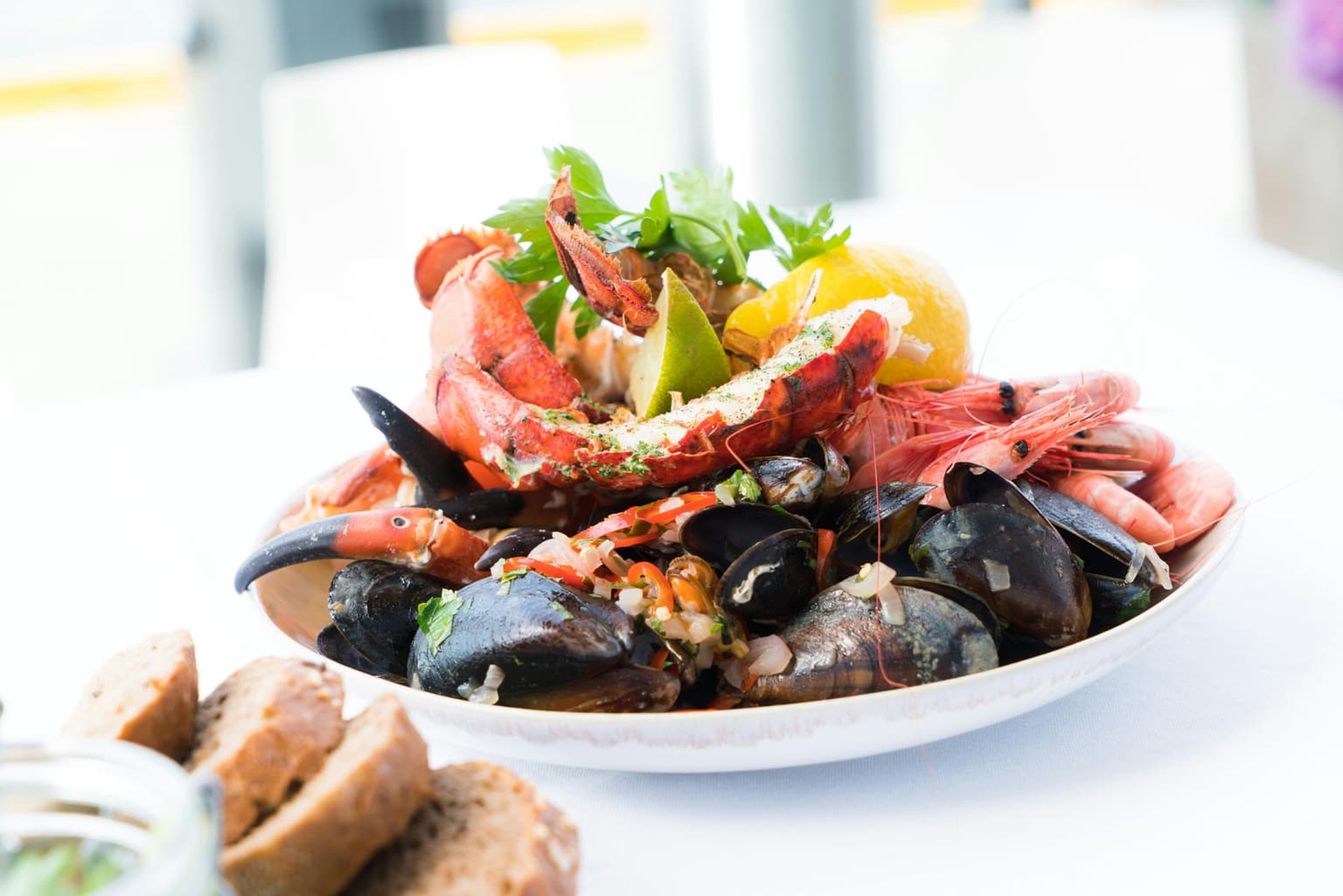
Anti-inflammatory foods including fruits, vegetables, and fatty fish
Step 1

Anti-Inflammatory, Plant-Forward Eating

Dietary patterns rich in omega-3s, produce, and fiber target the inflammation and estrogen pathways central to endometriosis.
  • Eat oily fish 2–3×/week (salmon, sardines, mackerel) for ~1–2 g/day of EPA+DHA.
  • Build meals around vegetables, fruit, legumes, and whole grains for fiber and antioxidants.
  • Cut trans fats and ultra-processed foods (linked to higher risk and inflammation).
  • Use olive oil and nuts to improve the omega-6 to omega-3 balance.
02
Dietary supplements illustration
Step 2

Target Gut Health & Bloating

Because the gut shapes both estrogen handling and the common 'endo belly,' digestive strategies can ease symptoms.
  • Increase fiber gradually (aim toward ~25–30 g/day) to support estrogen elimination.
  • For severe bloating, try a short, dietitian-guided low-FODMAP trial, not a forever diet.
  • Include fermented foods or consider probiotics to support the microbiome.
  • Check vitamin D status; omega-3 supplements may help if fish intake is low.
03
Step 3

Lifestyle & Monitoring

Lifestyle factors support neuroimmune balance and quality of life alongside medical care.
  • Movement adapted to pain tolerance (walking, yoga, gentle strength).
  • Manage stress, since chronic stress amplifies pain and inflammation.
  • Track symptoms, cycle, and foods to identify personal patterns.
  • Ongoing follow-up with a multidisciplinary team (gynecology, pain, nutrition).

Common Myths About Endometriosis

Myths vs. Facts

Myth

Severe period pain is just normal and you should push through it.

Hover to flipTap to flip
Fact
  • Pain that disrupts daily life is not 'normal' and can be a sign of endometriosis.
  • Normalizing pain is a major reason diagnosis is delayed 7–10 years on average.
Myth

A special diet can cure endometriosis.

Hover to flipTap to flip
Fact
  • No diet cures endometriosis, since it involves hormones, immunity, and genetics.
  • Nutrition can meaningfully reduce symptom burden and support overall health alongside medical care.
Myth

Endometriosis is only about the reproductive organs.

Hover to flipTap to flip
Fact
  • It's a systemic inflammatory condition affecting the gut, nerves, immune system, and energy.
  • That's why GI symptoms, fatigue, and chronic pain are so common.
Myth

Pregnancy or a hysterectomy permanently cures endometriosis.

Hover to flipTap to flip
Fact
  • Neither is a guaranteed cure, and symptoms can persist or return.
  • Management is long-term and individualized, combining medical, surgical, and lifestyle approaches.

Risk Factors

Endometriosis risk and severity are influenced by genetic, hormonal, and inflammatory factors.

Key Risk Factors

Family history

A first-degree relative with endometriosis substantially increases risk.

Early menarche / short cycles

Greater lifetime estrogen exposure may contribute to risk.

High trans-fat intake

Associated with higher risk in cohort studies; a modifiable dietary factor.

Chronic inflammation

Inflammatory environments may promote lesion growth and persistence.

Special Clinical Care

Identifying risk factors and vulnerable populations supports earlier recognition and more effective multidisciplinary care.

Adolescents and young adults

Symptoms often begin early but are frequently normalized, delaying diagnosis and care.

Those with significant GI symptoms ('endo belly')

May benefit from a structured, time-limited low-FODMAP trial with a dietitian.

Individuals trying to conceive

Need coordinated fertility and nutrition support, as the condition can affect fertility.

Conclusion

Endometriosis is a chronic, systemic inflammatory condition with wide-ranging effects on physical and emotional health. Understanding its estrogen-and-inflammation drivers, along with the often-overlooked gut-and-hormone connection, clarifies why nutrition can genuinely help. While hormonal therapy and surgery remain central, increasing omega-3s and fiber, improving fat quality, and addressing gut symptoms are concrete, evidence-informed steps that may ease symptom burden. Combined with timely diagnosis and multidisciplinary, individualized care, nutrition is a valuable supportive tool for living better with endometriosis.

Frequently Asked Questions

What is endometriosis?

Endometriosis is a chronic inflammatory condition where tissue similar to the uterine lining grows outside the uterus, commonly in the pelvis. These lesions respond to estrogen and can trigger pain, inflammation, scarring, and organ dysfunction. It affects roughly 10% (about 1 in 10) of women and girls of reproductive age.

Can nutrition help manage endometriosis symptoms?

Nutrition does not cure endometriosis, but it can be a meaningful part of symptom management. Diets richer in omega-3 fats, fruits, vegetables, and fiber and lower in trans fats and red meat are associated with lower symptom burden or risk in research, likely by influencing inflammation and estrogen handling.

Which foods are most studied for endometriosis?

Omega-3 fatty acids (oily fish, or fish oil around 1–2 g EPA+DHA/day) are studied for their anti-inflammatory effect, and higher omega-3 intake is linked to lower risk. High trans-fat intake has been associated with higher risk. Fiber supports healthy estrogen clearance, and vitamin D is commonly checked. Always individualize with your clinician.

Why do I get so much bloating and gut pain ('endo belly')?

GI symptoms like bloating, cramping, and altered bowel habits are extremely common in endometriosis and overlap heavily with IBS. For some people a temporary low-FODMAP approach, guided by a dietitian, substantially reduces bloating and pain, though it isn't a long-term diet for everyone.

How long does it usually take to be diagnosed?

Unfortunately, diagnostic delays are common. Research consistently reports an average of about 7 to 10 years from first symptoms to diagnosis. Pain is often normalized or mistaken for other conditions, which is why advocacy and early evaluation matter.

Does endometriosis affect fertility?

It can reduce fertility in some people, though many with the condition conceive without difficulty. The impact varies with lesion location and severity. Nutrition supports overall reproductive health but is not a substitute for fertility evaluation when needed.

Sources & References

Diet and endometriosis risk — a review (Reproductive BioMedicine / NHS II cohort findings) www.ncbi.nlm.nih.gov/pmc/articles/PMC3941818/
4

Similar Blogs

womens-health
Menopause & Nutrition: A Clinical Overview

An evidence-based overview of nutrition through menopause: why protein and bone matter more, the truth about soy and hot flashes, managing midlife weight gain, and protecting long-term heart and bone health.

foundational-habits
Anti-Inflammatory Nutrition: A Clinical Overview

An evidence-based overview of anti-inflammatory nutrition: how diet influences inflammatory markers like CRP, the foods and patterns that genuinely help, and the myths (nightshades, celery juice, 'inflammatory food' lists) worth ignoring.

womens-health
PCOS (Now PMOS) and Nutrition: A Clinical Overview

An evidence-based overview of PCOS (recently renamed PMOS) covering the updated diagnosis, why insulin resistance is central, and the specific nutrition strategies that improve hormones, cycles, and metabolic health.