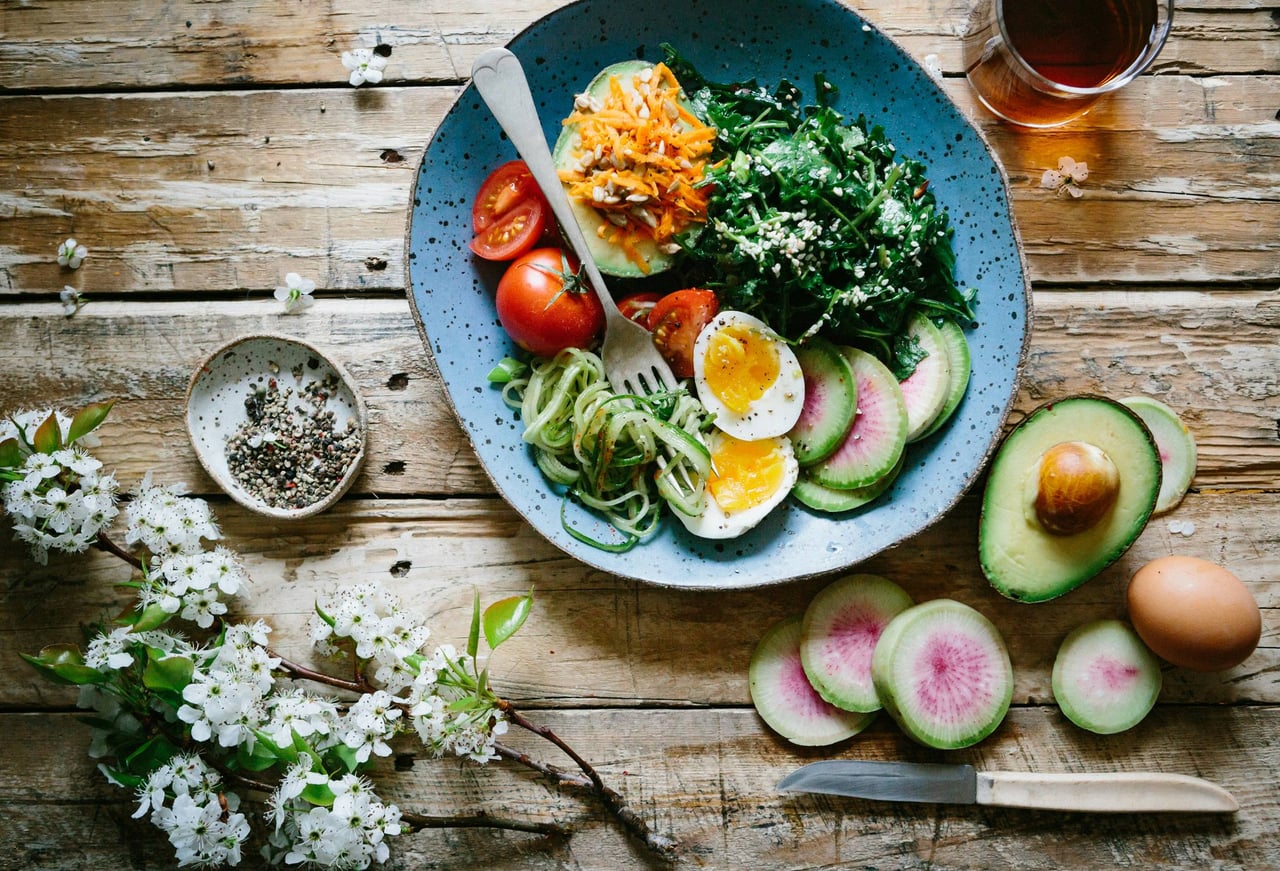
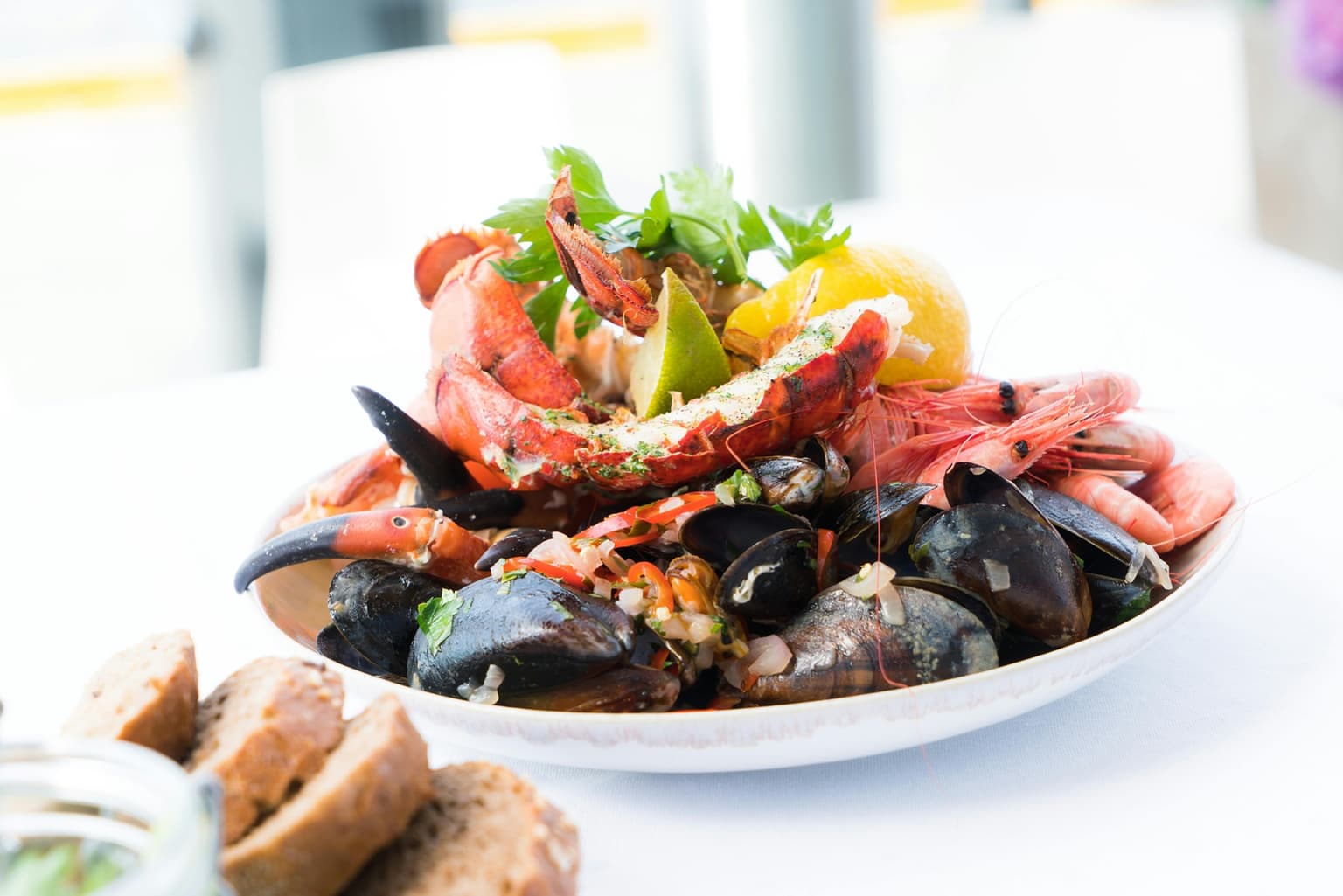
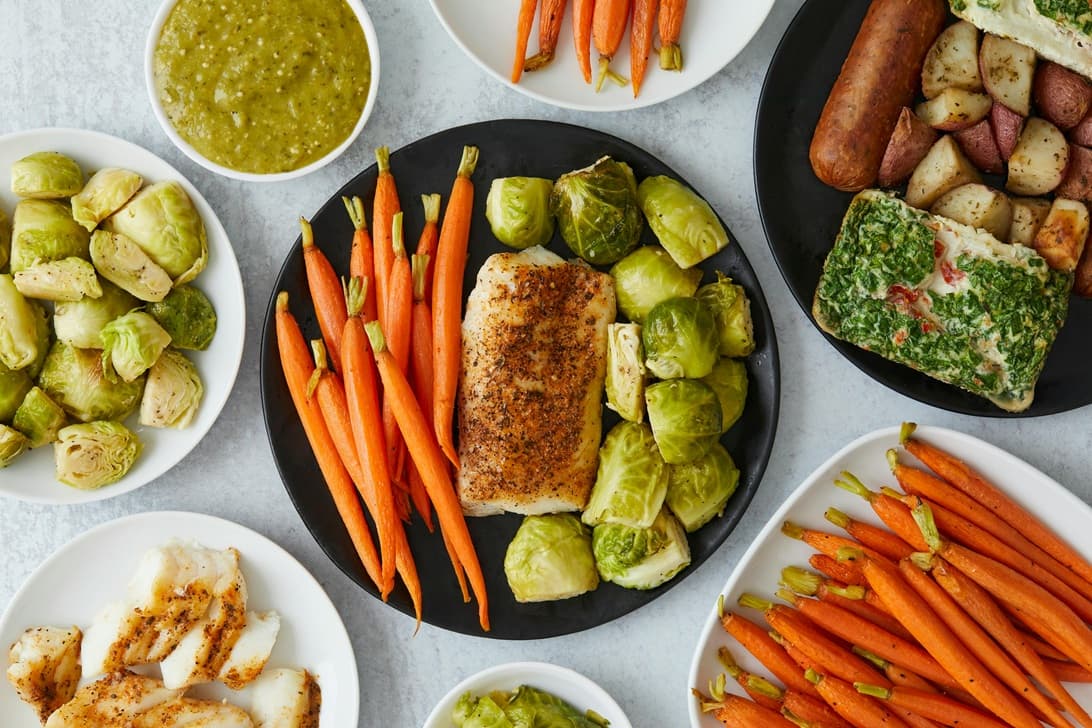
Anti-inflammatory nutrition describes a pattern of eating that supports the body's ability to regulate inflammation — a core process of the immune system. Inflammation itself isn't the enemy: acute inflammation is how the body heals wounds and fights infection. The concern is chronic, low-grade inflammation that simmers in the background, which is linked to heart disease, type 2 diabetes, autoimmune conditions, and more. Diet influences this through blood-sugar regulation, gut microbiota, the balance of fats, and antioxidant intake.
The encouraging part is that the effect is real and measurable. Randomized trials show that a Mediterranean-style way of eating can lower inflammatory markers such as C-reactive protein (CRP) — often by around 30–40% compared with a typical Western diet — with changes appearing within weeks and deepening over months. But the field is also full of noise: "inflammatory food" lists, nightshade scares, and single-ingredient cures that don't hold up. The evidence points firmly to overall patterns, not individual villains or heroes.
This article reviews how inflammation works, how diet interacts with inflammatory pathways, the specific foods and patterns that genuinely help, practical strategies, and the persistent myths worth setting aside.