Anemia: A Clinical Nutrition Overview

Understanding causes, diagnosis, and nutrition-related management of anemia

2025-12-01
📝1,748words
⏱️9min read
Nutrient Deficiencies
#Anemia#Iron Deficiency#Micronutrients#Hematology#Clinical Nutrition

Anemia

Anemia is a clinical condition defined by a reduced concentration of hemoglobin or a decreased number of red blood cells, resulting in diminished oxygen delivery to body tissues. Hemoglobin is essential for transporting oxygen from the lungs to organs and muscles, making adequate red blood cell function critical for energy production, cognitive function, and overall physiological stability.

Anemia is common worldwide and affects individuals across the lifespan. According to the World Health Organization, it affects roughly a quarter of the global population, with the highest rates among women of reproductive age, pregnant individuals, young children, and those with chronic inflammatory or gastrointestinal conditions. Clinical presentations vary from mild fatigue to significant functional impairment, depending on severity, duration, and underlying cause.

This article provides a clinical overview of anemia, including its physiological basis, common causes, diagnostic markers and thresholds, specific iron-rich foods and absorption strategies, nutrition-related management, and key populations at increased risk.

Clinical Summary

Anemia

Anemia is a condition marked by reduced oxygen-carrying capacity of the blood, most often due to low hemoglobin levels or impaired red blood cell production.

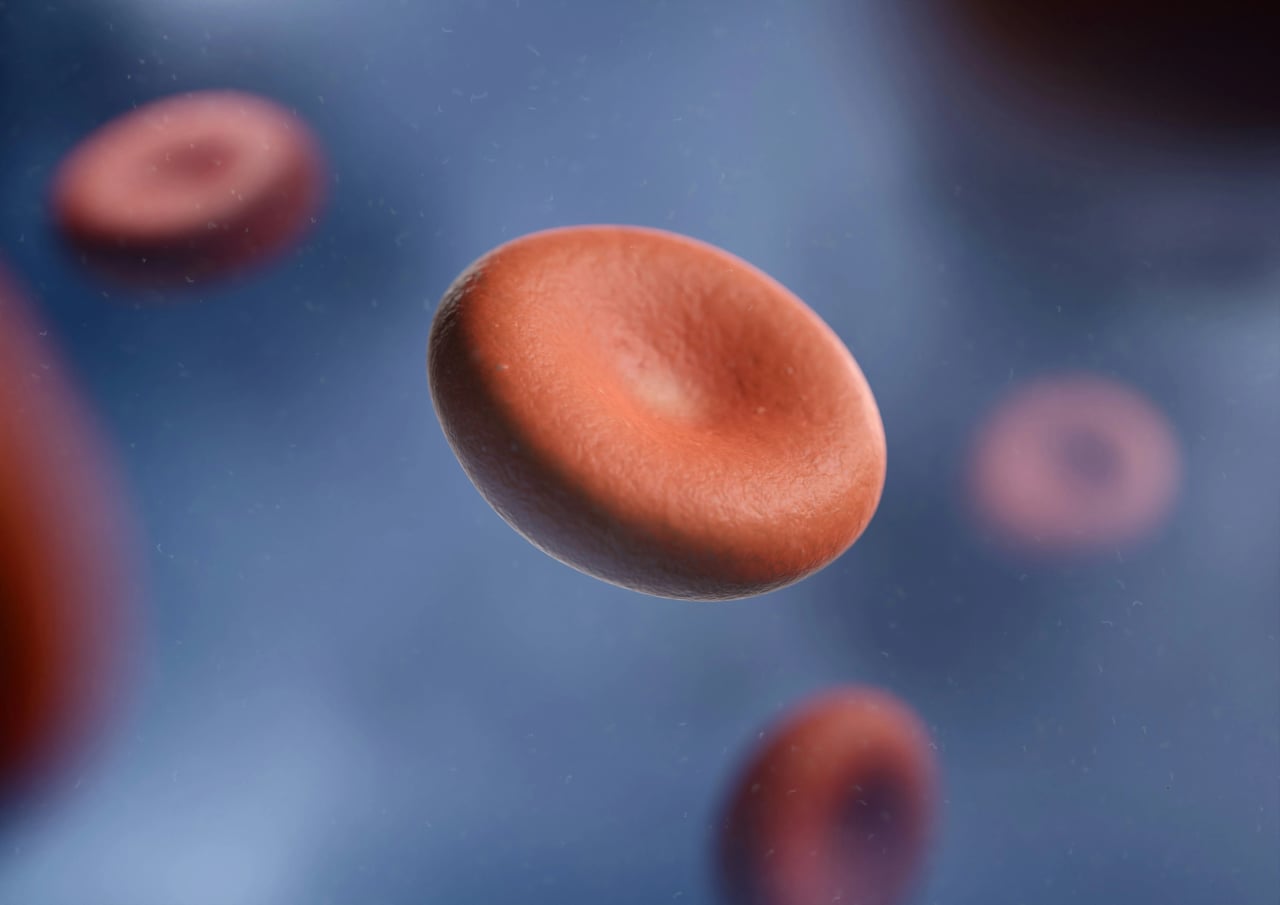
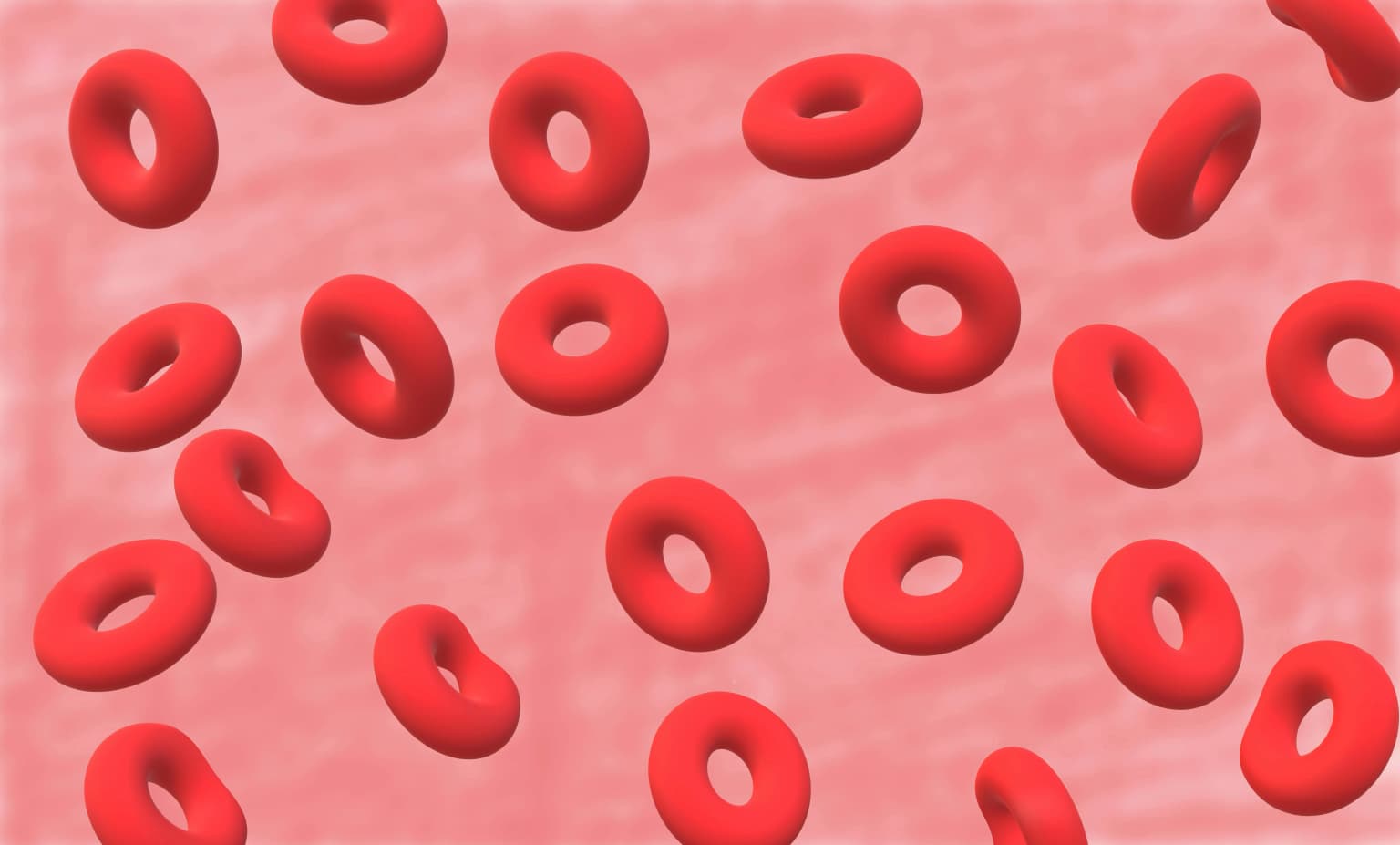
Illustration of red blood cells and hemoglobin

What it is

Reduced oxygen delivery

Anemia occurs when hemoglobin or red blood cell levels are insufficient to meet the body's oxygen needs (Hb <13 g/dL in men, <12 g/dL in women).

Why it matters

Affects energy and organ function

Inadequate oxygen delivery can impair physical capacity, cognition, immune function, and cardiovascular compensation.

Prevalence

~25% worldwide

Anemia affects nearly one-quarter of the global population, roughly 30% of non-pregnant women and 40% of pregnant women.

What we'll cover

Causes, diagnosis, management

This article reviews mechanisms, lab thresholds, iron-rich foods with absorption data, and monitoring considerations.

Pathophysiology Profile

Pathophysiology Profile

Anemia is a multifactorial condition with nutritional, inflammatory, and hematologic contributors. Iron deficiency is the leading cause globally, but accurate diagnosis depends on interpreting hemoglobin, red cell size (MCV), and iron studies together rather than any single value.

Daily Iron Need (RDA)

8–27 mg

8 mg/day for men, 18 mg/day for menstruating women, and 27 mg/day in pregnancy. Needs roughly double for those eating only plant-based iron.

Diagnostic Threshold

Ferritin <30 ng/mL

A serum ferritin below 30 ng/mL is highly specific for iron deficiency, though inflammation can falsely raise it.

Time to Replenish

3–6 months

Even after hemoglobin normalizes, iron stores take several months of continued intake to fully rebuild.

Physiology, Causes, and Diagnosis

01

Red Blood Cell Function and Classification

Red blood cells are produced in the bone marrow and contain hemoglobin, an iron-containing protein responsible for oxygen transport. Adequate production depends on sufficient iron availability, functional bone marrow, and supportive nutrients such as vitamin B12 and folate. Clinicians classify anemia by red blood cell size, measured as mean corpuscular volume (MCV), which narrows the likely cause before further testing.

Key Takeaways

  • Microcytic (MCV <80 fL): Small cells, typically iron deficiency or thalassemia.
  • Normocytic (MCV 80–100 fL): Normal-sized cells, often anemia of chronic disease or acute blood loss.
  • Macrocytic (MCV >100 fL): Large cells, frequently vitamin B12 or folate deficiency.
02

Common Causes and How They Differ

Anemia results from one of three mechanisms: decreased red blood cell production, increased destruction (hemolysis), or blood loss. Iron deficiency is the single most common cause, responsible for roughly half of all cases worldwide, but it is far from the only one. In older adults and people with chronic illness, anemia of chronic disease and kidney disease become increasingly important, while vitamin B12 and folate deficiencies are common contributors to macrocytic anemia.

Key Takeaways

  • Iron deficiency: Inadequate intake, poor absorption, or chronic blood loss (e.g., heavy menstruation, GI bleeding).
  • Anemia of chronic disease: Inflammation raises hepcidin, locking iron away from red cell production.
  • B12 / folate deficiency: Impairs DNA synthesis in developing red cells; B12 deficiency also risks neurological damage.
  • Other: Kidney disease (low erythropoietin), hemolysis, and inherited conditions such as thalassemia.
03

Diagnostic Markers and Thresholds

Diagnosis begins with a complete blood count to confirm anemia and classify it by MCV. Iron studies then distinguish true iron deficiency from anemia of chronic disease, a critical distinction because the two are managed very differently. Because ferritin is an acute-phase reactant, it can appear normal or high during infection or inflammation even when iron stores are depleted, so it is interpreted alongside transferrin saturation and clinical context.

Key Takeaways

  • Ferritin: <30 ng/mL strongly indicates iron deficiency; <15 ng/mL is diagnostic in the absence of inflammation.
  • Transferrin saturation (TSAT): <20% supports iron deficiency; helps when ferritin is unreliable.
  • B12 & folate: Checked for macrocytic anemia or in those with malabsorption or plant-based diets.
  • Reticulocyte count: Distinguishes underproduction (low) from blood loss or hemolysis (high).
04

How Iron Is Absorbed

Dietary iron comes in two forms with very different absorption. Heme iron, found only in animal foods, is absorbed at roughly 15–35% regardless of other dietary factors. Non-heme iron, the form in plants and fortified foods, is absorbed at only about 2–20% and is strongly influenced by what it is eaten with. This difference is what most practical dietary strategies for anemia are built around.

Key Takeaways

  • Enhancers: Vitamin C (e.g., citrus, peppers, tomatoes) can more than double non-heme absorption; a little meat, fish, or poultry also boosts it.
  • Inhibitors: Tannins in tea and coffee, calcium, and phytates in whole grains and legumes reduce absorption.
  • Practical timing: Separate tea/coffee and calcium supplements from iron-rich meals by 1–2 hours.
  • Cooking: Using a cast-iron pan, especially for acidic foods, can meaningfully increase iron content.

Practical Strategies

Management of anemia typically involves nutrition therapy, supplementation when indicated, monitoring of laboratory markers, and coordination with medical care to address underlying causes.

01
Iron-rich foods
Step 1

Iron-Rich Foods

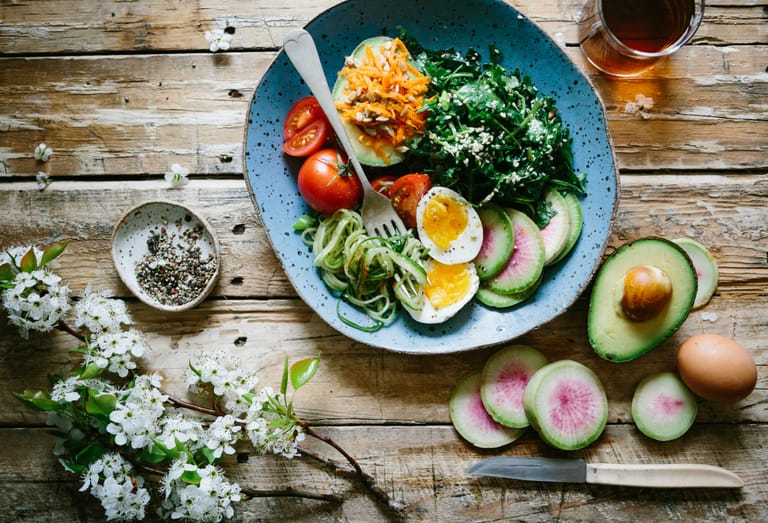
Dietary strategies focus on adequate iron intake while optimizing absorption. Heme sources are absorbed best, but well-paired plant sources can contribute meaningfully.
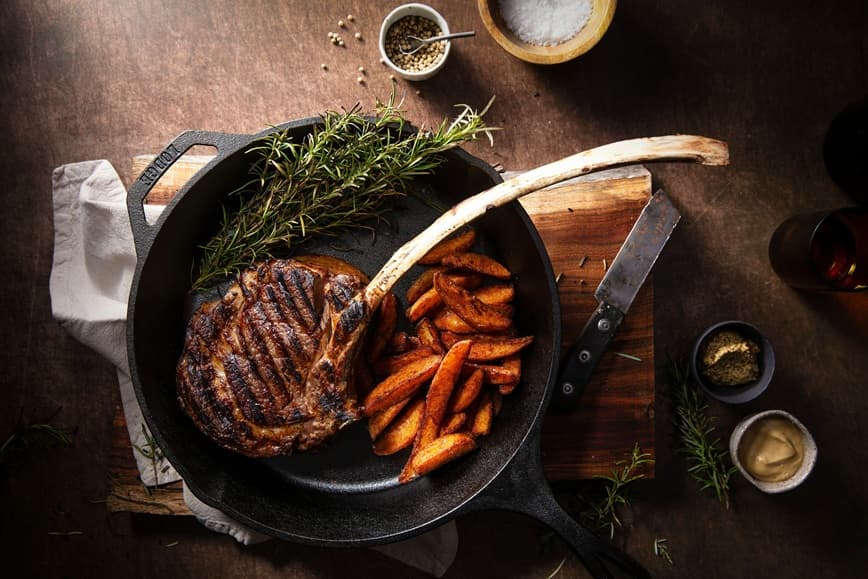
  • Heme (best absorbed): beef liver ~6.5 mg / 100 g, lean beef ~2.5 mg / 100 g, oysters ~8 mg / 100 g.
  • Non-heme: cooked lentils ~3.3 mg / ½ cup, tofu ~3 mg / ½ cup, fortified cereals up to 18 mg / serving.
  • Pair non-heme iron with vitamin C (bell peppers, citrus, strawberries, or tomatoes) to boost absorption.
  • Keep tea, coffee, and calcium-rich foods 1–2 hours away from your main iron meal.
02
Iron supplements
Step 2

Supplementation

When diet alone is insufficient or deficiency is confirmed, oral iron is first-line. Dosing and tolerability vary, and medical oversight guides the regimen.
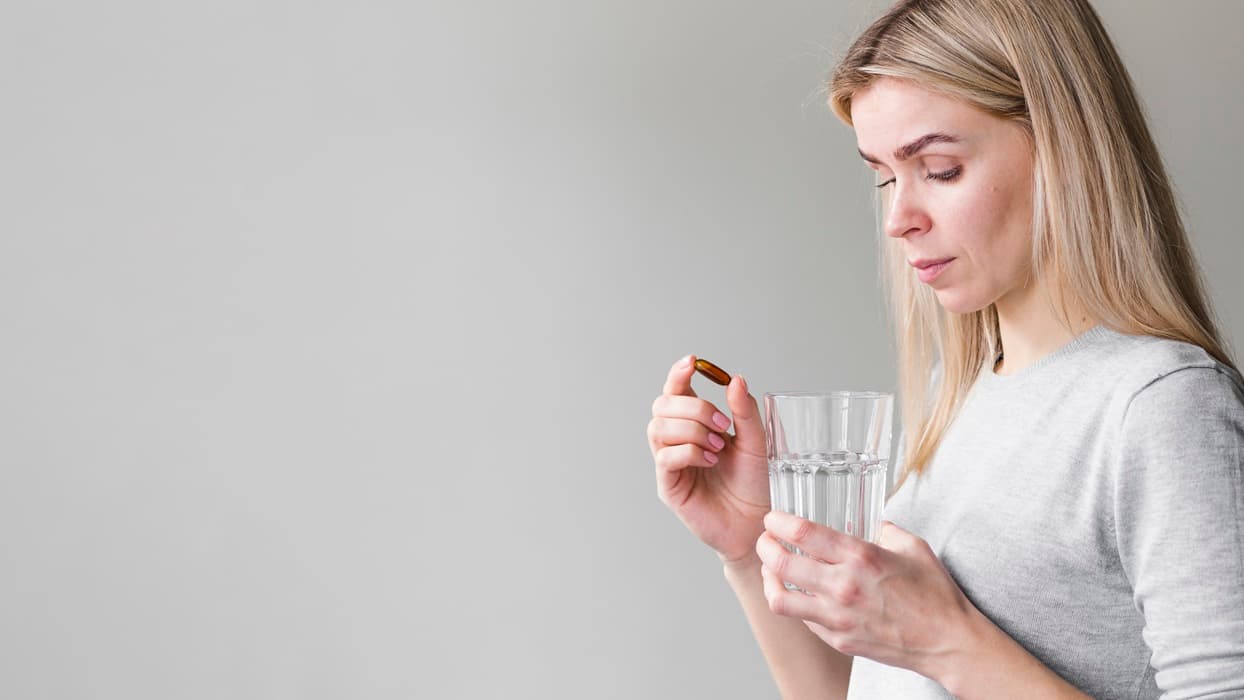
  • Typical oral dose: 40–100 mg elemental iron daily, often as ferrous sulfate, fumarate, or gluconate.
  • Alternate-day dosing can improve absorption and reduce side effects for some people.
  • Take with vitamin C and away from antacids, calcium, and dairy for best uptake.
  • Recheck hemoglobin in 2–4 weeks and continue 3–6 months to rebuild stores.
03
Step 3

Lifestyle & Monitoring

Lifestyle factors and regular follow-up support recovery and symptom management while the underlying cause is addressed.
  • Track energy, exercise tolerance, and symptoms like breathlessness or dizziness.
  • Repeat labs (Hb, then ferritin) as advised to confirm both correction and store repletion.
  • Investigate and treat sources of blood loss; heavy periods or GI bleeding are common culprits.
  • Interdisciplinary care (dietitian, primary care, sometimes gastroenterology or hematology) improves outcomes.

Common Myths About Anemia

Myths vs. Facts

Myth

Spinach is the best food for boosting iron.

Hover to flipTap to flip
Fact
  • Spinach contains non-heme iron, absorbed at only ~2%, and its oxalates further limit uptake.
  • Red meat, liver, shellfish, and lentils paired with vitamin C deliver far more usable iron.
Myth

If I feel fine, my iron levels must be normal.

Hover to flipTap to flip
Fact
  • Iron stores can be depleted long before hemoglobin drops or symptoms appear.
  • Ferritin can be low while a routine hemoglobin test still looks normal, so testing is the only way to know.
Myth

You can't get too much iron, so supplementing is always safe.

Hover to flipTap to flip
Fact
  • Excess iron can cause GI distress and, in conditions like hemochromatosis, serious organ damage.
  • Iron supplements should be taken to correct a confirmed deficiency, ideally with medical guidance.
Myth

Drinking tea or coffee with meals doesn't affect iron.

Hover to flipTap to flip
Fact
  • Tannins in tea and coffee can reduce non-heme iron absorption by up to 60%.
  • Enjoy them between meals, and keep them 1–2 hours away from iron-rich foods.

Risk Factors

Anemia is more likely to occur in individuals with increased nutrient needs, chronic conditions, or factors affecting absorption or blood loss.

Key Risk Factors

Iron deficiency

Insufficient intake or absorption of iron limits hemoglobin synthesis, the most common cause worldwide.

Heavy menstrual or GI blood loss

Recurrent blood loss steadily depletes iron stores faster than diet can replace them.

Chronic inflammation

Inflammatory states raise hepcidin, altering iron metabolism and red blood cell production.

Plant-based or restrictive diets

Reliance on non-heme iron and low B12 intake raises the risk without careful planning.

Special Clinical Care

Identifying risk factors and vulnerable populations supports timely diagnosis and appropriate clinical management.

Pregnant individuals

Iron needs rise to 27 mg/day; deficiency is linked to preterm birth and low birth weight.

Menstruating women

Monthly blood loss makes iron-deficiency anemia the most common deficiency in this group.

Older adults

Chronic disease, reduced absorption, and GI bleeding contribute to higher prevalence.

Vegetarians and vegans

Need ~1.8× more dietary iron and should monitor B12; careful pairing with vitamin C helps.

Conclusion

Anemia is a common clinical condition with diverse causes and meaningful impacts on health and quality of life. Understanding its physiological basis, recognizing the lab thresholds that confirm it, and knowing which foods deliver truly absorbable iron allow for more targeted and effective management. Nutrition plays a central role in both prevention and treatment. But because anemia can signal an underlying issue such as blood loss or chronic disease, lasting results usually come from combining dietary strategies with medical evaluation and ongoing monitoring.

Frequently Asked Questions

What is anemia in simple terms?

Anemia is a condition in which the blood has a reduced capacity to carry oxygen, most commonly due to low hemoglobin or a reduced number of red blood cells. The WHO defines it as hemoglobin below 13 g/dL in men, below 12 g/dL in non-pregnant women, and below 11 g/dL in pregnancy.

Is iron deficiency the only cause of anemia?

No. Iron deficiency is the most common cause worldwide and accounts for roughly half of all cases, but anemia can also result from chronic disease, vitamin B12 or folate deficiency, kidney disease, genetic conditions such as thalassemia, or blood loss.

How is anemia usually diagnosed?

Anemia is identified through a complete blood count (hemoglobin, hematocrit, and red blood cell indices such as MCV). Additional tests such as ferritin, transferrin saturation, B12, and folate are used to determine the underlying cause. A ferritin below 30 ng/mL strongly suggests iron deficiency.

How much iron do I need each day?

The recommended dietary allowance (RDA) is 8 mg/day for adult men and post-menopausal women, 18 mg/day for menstruating women aged 19–50, and 27 mg/day during pregnancy. Needs are higher for vegetarians because plant (non-heme) iron is absorbed less efficiently.

Which foods are highest in iron?

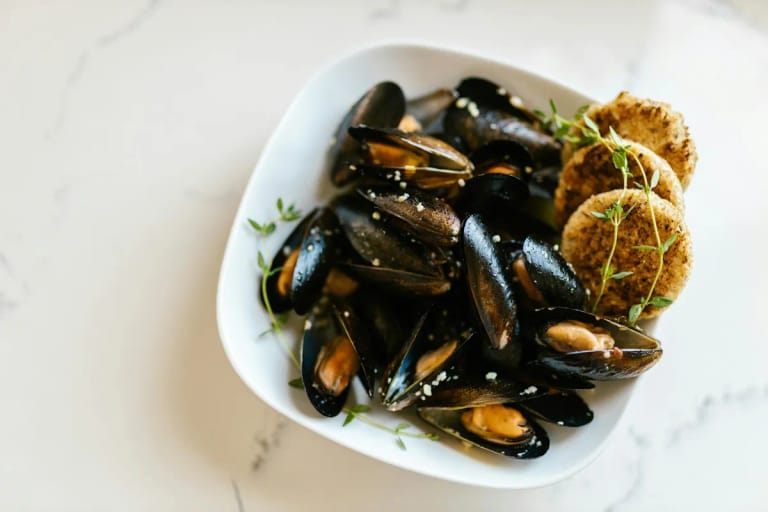
Heme iron sources include beef liver (~6.5 mg per 100 g), lean red meat (~2.5 mg per 100 g), and shellfish such as oysters and mussels. Non-heme sources include lentils (~3.3 mg per ½ cup cooked), tofu, spinach, and fortified cereals. Pairing non-heme foods with vitamin C improves absorption.

Can diet alone correct anemia?

Diet plays an important role, but management depends on the cause and severity. Mild dietary deficiency may respond to food changes, while confirmed iron-deficiency anemia usually requires supplementation, and other causes may need medical treatment. Replenishing iron stores typically takes 3–6 months.

Sources & References

WHO — Haemoglobin concentrations for the diagnosis of anaemia (2011) www.who.int/publications/i/item/WHO-NMH-NHD-MNM-11.1
1
NIH Office of Dietary Supplements — Iron (Health Professional Fact Sheet) ods.od.nih.gov/factsheets/Iron-HealthProfessional/
2
NIH Office of Dietary Supplements — Vitamin B12 (Health Professional Fact Sheet) ods.od.nih.gov/factsheets/VitaminB12-HealthProfessional/
3

Similar Blogs

nutrient-deficiencies
Vitamin B12 Deficiency: A Clinical Nutrition Overview

An evidence-based overview of vitamin B12 deficiency: the at-risk groups (vegans, older adults, metformin and PPI users), the serious neurological signs, food sources, and when supplements or injections are needed.

foundational-habits
Anti-Inflammatory Nutrition: A Clinical Overview

An evidence-based overview of anti-inflammatory nutrition: how diet influences inflammatory markers like CRP, the foods and patterns that genuinely help, and the myths (nightshades, celery juice, 'inflammatory food' lists) worth ignoring.

gut-health
Crohn’s Disease: A Clinical Nutrition Overview

An evidence-based overview of Crohn’s disease: how inflammation drives malabsorption, the specific deficiencies to watch, and proven nutrition therapies like exclusive enteral nutrition.

healthy-living
Nutrition for Immune Health: A Clinical Overview

An evidence-based overview of nutrition and immunity: the micronutrients that matter most, the gut-immune connection, why no single food 'boosts' immunity, and what actually supports your defenses.