Nutrition for Immune Health: A Clinical Overview

How diet supports a balanced, well-functioning immune system

2024-07-20
📝1,754words
⏱️9min read
Healthy Living
#Immune Health#Micronutrients#Vitamin D#Gut Health#Nutrition

Nutrition for Immune Health

Your immune system is a complex, tightly regulated network built to defend against infection, manage inflammation, and protect against chronic disease. It's tempting to look for a food or supplement that will "boost" it, but that's not how immunity works. No single nutrient supercharges your defenses. What nutrition does, and does powerfully, is allow the immune system to function properly: supporting immune cells, maintaining the barriers that keep pathogens out, and keeping inflammation in balance.

The evidence here is strong and practical. Certain micronutrients (especially vitamins C and D and zinc) are essential, and even mild deficiencies can impair immune responses before any obvious symptoms appear. The overall dietary pattern, the gut microbiome, body weight, and lifestyle also shape how well the system works. Good nutrition won't turbocharge anything, but it does let a well-built system perform when you need it most.

This article reviews how nutrition supports immunity, the micronutrients that matter most, the gut-immune connection, the effect of body weight, and the lifestyle factors that complete the picture.

Clinical Summary

Nutrition for Immune Health

No single food boosts immunity. A varied, nutrient-dense diet, adequate in key micronutrients and supporting a healthy gut, lets the immune system work as it should.

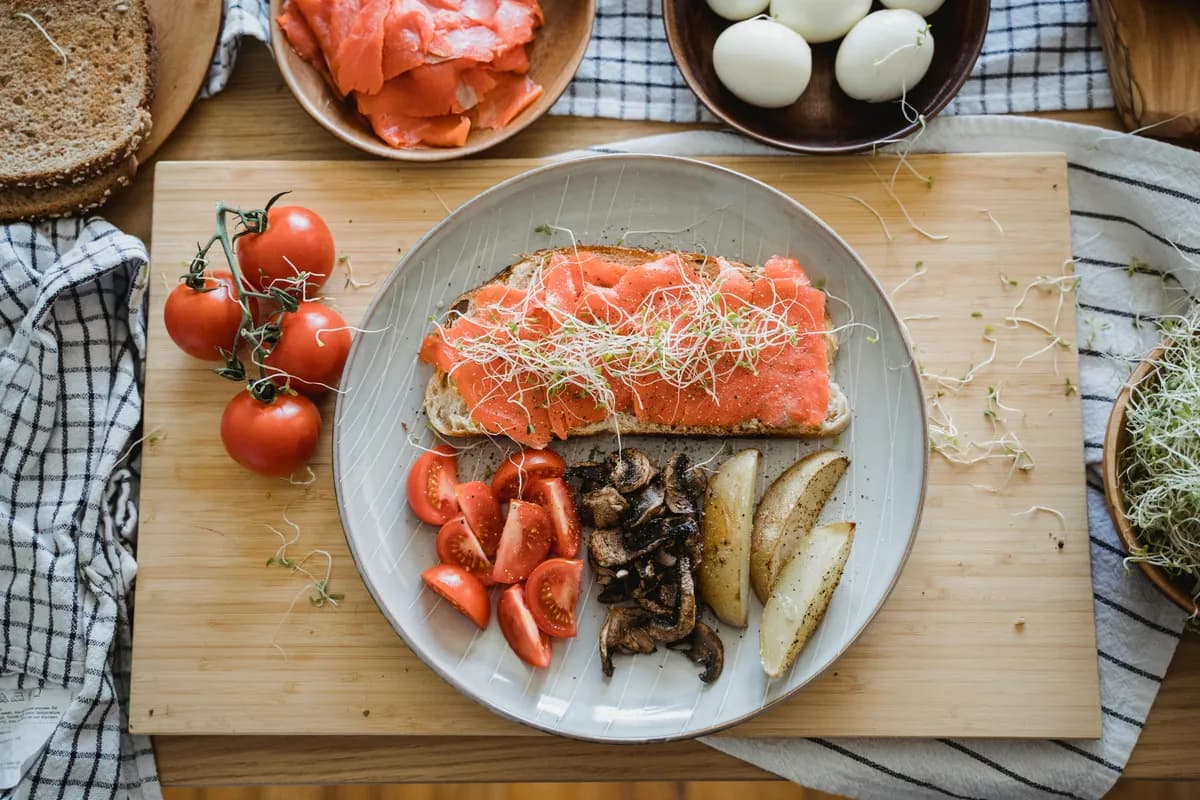
Immune-supportive foods: citrus, peppers, fish, nuts, and leafy greens

The reality

Support, not boost

Nutrition lets the immune system function well; no food supercharges it.

Top nutrients

Vitamins C, D, zinc

Strongest evidence; with vitamin A, selenium, iron, and omega-3s also key.

Gut connection

70–80% of immune cells

Most immune cells live in the gut, so diet and microbiome shape immunity.

What we'll cover

Nutrients & lifestyle

Micronutrients, the gut link, weight, and the lifestyle factors that matter.

Pathophysiology Profile

Pathophysiology Profile

Immunity depends on adequate micronutrients, intact barriers, a healthy gut microbiome, and balanced inflammation. Nutrition supports all of these, which is why an overall pattern, rather than any single "immune food," is what protects.

Top-Evidence Nutrients

C, D, and zinc

The micronutrients with the strongest evidence for supporting immune function.

Gut-Immune Link

70–80%

Most immune cells reside in gut-associated tissue, tying immunity to diet and microbiome.

Key Principle

Adequacy, not excess

Correcting deficiency helps; megadosing when not deficient offers little and can harm.

How Nutrition Supports Immunity

01

What Nutrition Actually Does

The immune system has two arms: innate immunity (the fast, first-line defense) and adaptive immunity (the slower, memory-based response). Nutrition supports both. It fuels the production and activity of immune cells, maintains the epithelial barriers (skin and mucous membranes) that physically keep pathogens out, regulates antioxidant defenses, and helps keep inflammation balanced. Both undernutrition and overnutrition impair immunity, and even mild micronutrient deficiencies can weaken immune responses long before any clinical symptom shows up. Good nutrition doesn't overcharge the system. What it does is remove the deficits that would otherwise hold it back.

Key Takeaways

  • Two arms: Nutrition supports both innate and adaptive immunity.
  • Barriers count: Diet maintains skin and mucosal barriers that block pathogens.
  • Deficiency hurts early: Even mild micronutrient gaps impair responses before symptoms.
02

The Micronutrients That Matter Most

Several vitamins and minerals are essential for immune defense, and the strongest evidence is for vitamins C and D and zinc. Vitamin C (citrus, peppers, strawberries, broccoli) supports immune cells and may modestly shorten colds. Vitamin D (sunlight, fatty fish, fortified foods, often supplements) influences several immune cell types, and deficiency raises infection risk. Zinc (oysters, beef, pumpkin seeds, legumes) is needed for antibody production and wound healing. Vitamin A maintains mucosal barriers, selenium supports antioxidant and antiviral defense, and iron is required for immune-cell proliferation. The principle throughout is balance: aim for adequacy from food, and avoid both deficiency and unnecessary high-dose supplementation.

Key Takeaways

  • Top three: Vitamins C and D and zinc have the strongest evidence.
  • Also key: Vitamin A, selenium, and iron each play defined roles.
  • Food first: Aim for adequacy through diet; supplement only to fix a real gap.
  • Balance matters: Both deficiency and excess can impair immunity.
03

The Gut-Immune Connection

One of the most important and underappreciated facts about immunity is where it lives: roughly 70–80% of immune cells reside in gut-associated lymphoid tissue. That makes the gut and its microbiome central to how well the immune system works. A fiber-rich, plant-diverse diet feeds beneficial bacteria that support immune signaling and help keep the gut barrier intact, while a healthy overall pattern, like a Mediterranean style of eating, supplies fiber, antioxidants, vitamins, and minerals together. This is a major reason that whole dietary patterns outperform any single "immune-boosting" food: they nourish the gut ecosystem that so much of immunity depends on.

Key Takeaways

  • Gut is central: Most immune cells live in gut-associated tissue.
  • Fiber feeds it: Plant-diverse, fiber-rich eating supports immune-friendly bacteria.
  • Pattern over food: Mediterranean-style eating supplies the nutrients together.
  • Barrier health: A healthy gut barrier is part of immune defense.
04

Body Weight, Inflammation, and Lifestyle

Nutrition's effect on immunity goes beyond individual nutrients. Obesity is linked to chronic low-grade inflammation and altered immune-cell populations, which can blunt the response to new infections and raise the risk of more severe illness, and sustained, modest weight loss through nutrient-dense eating tends to improve immune markers (crash diets, by contrast, can impair defense). Lifestyle works alongside diet: 7–9 hours of quality sleep supports antibody production, chronic stress raises immune-suppressing cortisol, and regular moderate exercise (around 150 minutes a week) improves immune surveillance, though overtraining can temporarily suppress it. Avoiding tobacco and excess alcohol, managing chronic conditions, and keeping up with vaccinations complete the picture.

Key Takeaways

  • Weight matters: Obesity drives inflammation that blunts immune response.
  • Sustainable, not crash: Gradual weight loss helps; extreme dieting hurts immunity.
  • Sleep & stress: Good sleep supports antibodies; chronic stress suppresses immunity.
  • Move moderately: ~150 min/week helps; overtraining can temporarily suppress.

Practical Strategies

Supporting immunity is about an overall nutrient-dense pattern, correcting genuine deficiencies, and the lifestyle habits that work alongside food. The goal is adequacy and balance, not boosting.

01
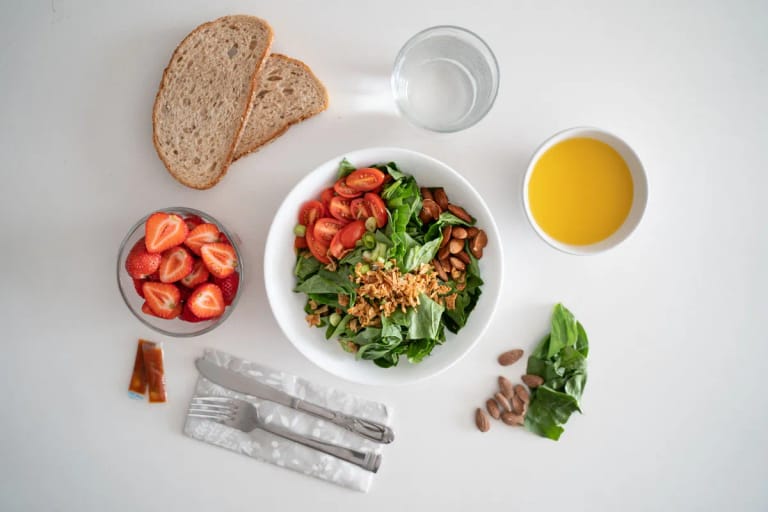
A colorful range of fruits and vegetables for immune support
Step 1

Eat for Adequacy

Build a varied, nutrient-dense pattern that naturally covers the key immune nutrients.
  • Follow a Mediterranean-style, plant-forward pattern.
  • Include vitamin C (citrus, peppers), zinc (legumes, seeds, lean meat), and fish.
  • Get enough fiber to support the gut-immune connection.
  • Limit ultra-processed, high-sugar foods that promote inflammation.
02
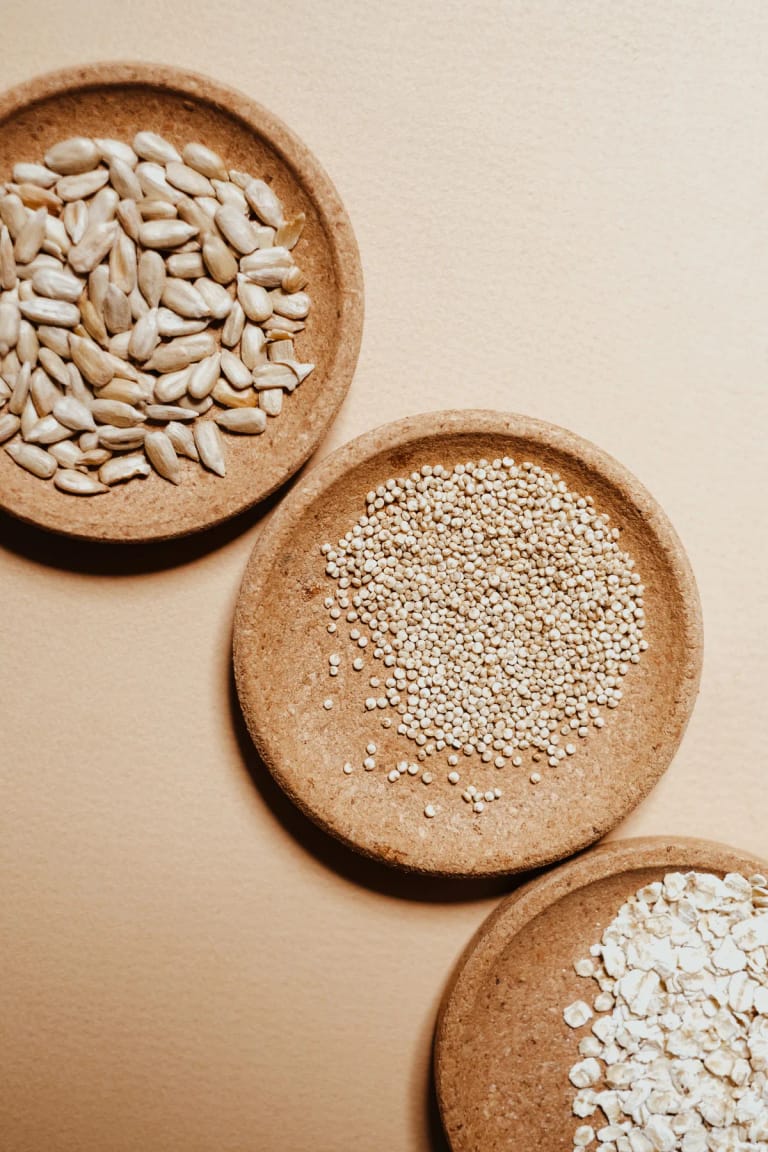
Vitamin D and food sources
Step 2

Use Supplements Only to Fill Gaps

Correct genuine deficiencies rather than loading up on 'immune' products.
  • Check vitamin D, which is commonly low and often worth supplementing.
  • Aim for adequacy, not megadoses, which offer little and can harm.
  • Match any supplement to your nutrient status, with guidance.
  • Remember food delivers these nutrients together in balance.
03
Step 3

Support It With Lifestyle

Sleep, stress, activity, and other habits shape immunity alongside diet.
  • Aim for 7–9 hours of quality sleep to support antibody production.
  • Manage stress to lower immune-suppressing cortisol.
  • Do about 150 minutes of moderate activity weekly.
  • Avoid tobacco and excess alcohol, and keep vaccinations up to date.

Common Myths About Immune-Boosting

Myths vs. Facts

Myth

A specific food or juice can 'boost' your immune system.

Hover to flipTap to flip
Fact
  • No single food supercharges immunity; nutrition lets the system function well.
  • The overall pattern, and the gut it feeds, matter far more than any one food.
Myth

Megadosing vitamin C or zinc makes you more immune.

Hover to flipTap to flip
Fact
  • Once you're adequate, more doesn't mean better, and high doses can cause harm.
  • Vitamin C may modestly shorten colds, but it doesn't prevent them by loading up.
Myth

If you take an immune supplement, your diet doesn't matter.

Hover to flipTap to flip
Fact
  • Supplements help mainly when they correct a real deficiency, like low vitamin D.
  • Food supplies immune nutrients together, plus the fiber that supports gut immunity.
Myth

Immunity is all about nutrition.

Hover to flipTap to flip
Fact
  • Sleep, stress, activity, weight, and vaccinations all shape immune function.
  • Nutrition works best as one part of a broader, healthy lifestyle.

Risk Factors

Certain nutritional and lifestyle factors impair how well the immune system works.

Factors That Weaken Immune Defense

Micronutrient deficiencies

Low vitamin D, zinc, vitamin C, vitamin A, or iron can impair immune responses, sometimes silently.

Undernutrition or obesity

Both extremes dysregulate immunity; obesity drives chronic inflammation that blunts responses.

Poor sleep and chronic stress

Insufficient sleep and high cortisol from chronic stress suppress immune function.

Smoking and excess alcohol

Both impair immune defense and increase susceptibility to infection.

Special Clinical Care

Some groups need particular attention to maintain immune-supporting nutrition.

Older adults

Immune function and nutrient absorption decline with age; vitamin D and zinc deserve attention.

People with limited sun exposure

At higher risk of vitamin D deficiency, which raises infection risk and often warrants supplementation.

Those on restricted diets or with chronic illness

May need help meeting key nutrients and correcting deficiencies that affect immunity.

Conclusion

No supplement or superfood makes you immune to illness, and chasing one misses the point. Nutrition's real job is to let a well-built immune system do its work, by supplying the micronutrients it needs (above all vitamins C and D and zinc), nourishing the gut where most immune cells live, and keeping inflammation in check. A varied, nutrient-dense diet does this far better than any single product, especially paired with good sleep, stress management, regular activity, a healthy weight, and up-to-date vaccinations. Correct genuine deficiencies, skip the megadoses, and let consistent, balanced eating build the resilience that protects you over the long term, ideally with a dietitian's guidance.

Frequently Asked Questions

Can food really 'boost' my immune system?

Not in the way ads suggest. No single food, juice, or supplement supercharges immunity. What nutrition does is allow your immune system to function properly: it supports immune cells, maintains the barriers (skin and mucous membranes) that keep pathogens out, and keeps inflammation balanced. Think of good nutrition as removing the brakes on a well-built system, not adding a turbocharger.

Which nutrients matter most for immunity?

Vitamins C and D and zinc have the strongest evidence, with vitamin A, selenium, iron, and omega-3s also playing important roles. Vitamin C supports immune cells and may modestly shorten colds; vitamin D influences several immune cell types and deficiency raises infection risk; zinc is essential for antibody production and wound healing. The goal is adequacy through food, not megadoses.

Should I take immune supplements?

Usually only to correct a genuine deficiency. Supplementing a nutrient you're actually low in (commonly vitamin D) can help, but loading up on high-dose 'immune' supplements when you're not deficient offers little benefit and can cause harm. Food provides these nutrients together in balanced amounts. Any supplement is best chosen based on your status and guided by a professional.

What's the connection between the gut and immunity?

A large one. Roughly 70–80% of your immune cells reside in gut-associated lymphoid tissue, so the health of your gut and microbiome directly shapes immune function. Fiber-rich, plant-diverse eating feeds beneficial bacteria that support immune signaling, which is one reason an overall healthy diet matters more than any single 'immune food.'

Can being overweight affect immunity?

Yes. Both undernutrition and overnutrition can dysregulate immunity. Obesity is linked to chronic low-grade inflammation and altered immune cells, which can blunt the response to new infections and raise the risk of more severe illness. Sustained, modest weight loss through nutrient-dense eating tends to improve immune markers, whereas crash diets can impair immune defense.

Besides diet, what supports immune health?

Nutrition works alongside other habits. Getting 7–9 hours of quality sleep supports antibody production, managing chronic stress lowers immune-suppressing cortisol, and regular moderate exercise (around 150 minutes a week) improves immune surveillance. Avoiding tobacco and excess alcohol, managing chronic conditions, and staying up to date on vaccinations round out a genuinely protective approach.

Sources & References

Gombart et al. — A Review of Micronutrients and the Immune System (Nutrients, 2020) doi.org/10.3390/nu12061562
1
Calder et al. — Optimal Nutritional Status for a Well-Functioning Immune System (Nutrients, 2020) doi.org/10.3390/nu12041181
2
NIH Office of Dietary Supplements — Micronutrient Fact Sheets ods.od.nih.gov/factsheets/Zinc-HealthProfessional/
3
Linus Pauling Institute — Micronutrient Information Center lpi.oregonstate.edu/mic/health-disease/immunity
4

Similar Blogs

clinical-nutrition
Cancer & Nutrition: Eating Well Through Treatment

An evidence-based overview of nutrition during cancer treatment: why protein and calories matter, managing side effects and cachexia, the truth about 'sugar feeds cancer,' and when to get support.

gut-health
Celiac Disease: A Clinical Nutrition Overview

An evidence-based overview of celiac disease: how it differs from gluten sensitivity, why a strict gluten-free diet is the only treatment, the deficiencies to watch for, and avoiding cross-contamination.

gut-health
GERD & Acid Reflux: A Clinical Nutrition Overview

An evidence-based overview of GERD and acid reflux: why weight loss, meal timing, and bed elevation beat blanket food bans, how to find your personal triggers, and when to see a doctor.

maternal-nutrition
Gestational Diabetes: A Clinical Nutrition Overview

An evidence-based overview of gestational diabetes (GDM): blood glucose targets, carbohydrate management, why most people manage with nutrition alone, and protecting both mother and baby.

clinical-nutrition
Gout & Nutrition: A Clinical Overview

An evidence-based overview of gout nutrition: the role of purines, fructose, and alcohol, why weight loss helps, the truth about cherries, and why diet supports but doesn't replace medication.

heart-health
Stroke & Nutrition: Prevention and Recovery

An evidence-based overview of nutrition for stroke: the dietary patterns and sodium targets that cut risk, plus how nutrition supports recovery, including dysphagia (swallowing difficulty).

clinical-nutrition
Type 2 Diabetes: A Clinical Nutrition Overview

An evidence-based overview of type 2 diabetes nutrition: how to manage and even reverse it, the plate method, carbohydrate quality, weight-loss targets, and what the latest ADA standards recommend.

gut-health
Ulcerative Colitis: A Clinical Nutrition Overview

An evidence-based overview of ulcerative colitis nutrition: how it differs from Crohn's, eating during flares vs remission, key deficiencies, the Mediterranean diet evidence, and avoiding needless restriction.

nutrient-deficiencies
Vitamin B12 Deficiency: A Clinical Nutrition Overview

An evidence-based overview of vitamin B12 deficiency: the at-risk groups (vegans, older adults, metformin and PPI users), the serious neurological signs, food sources, and when supplements or injections are needed.

nutrient-deficiencies
Anemia: A Clinical Nutrition Overview

An evidence-based overview of anemia, covering common causes, clinical features, diagnostic markers, iron-rich foods with absorption data, and nutrition-focused management strategies.