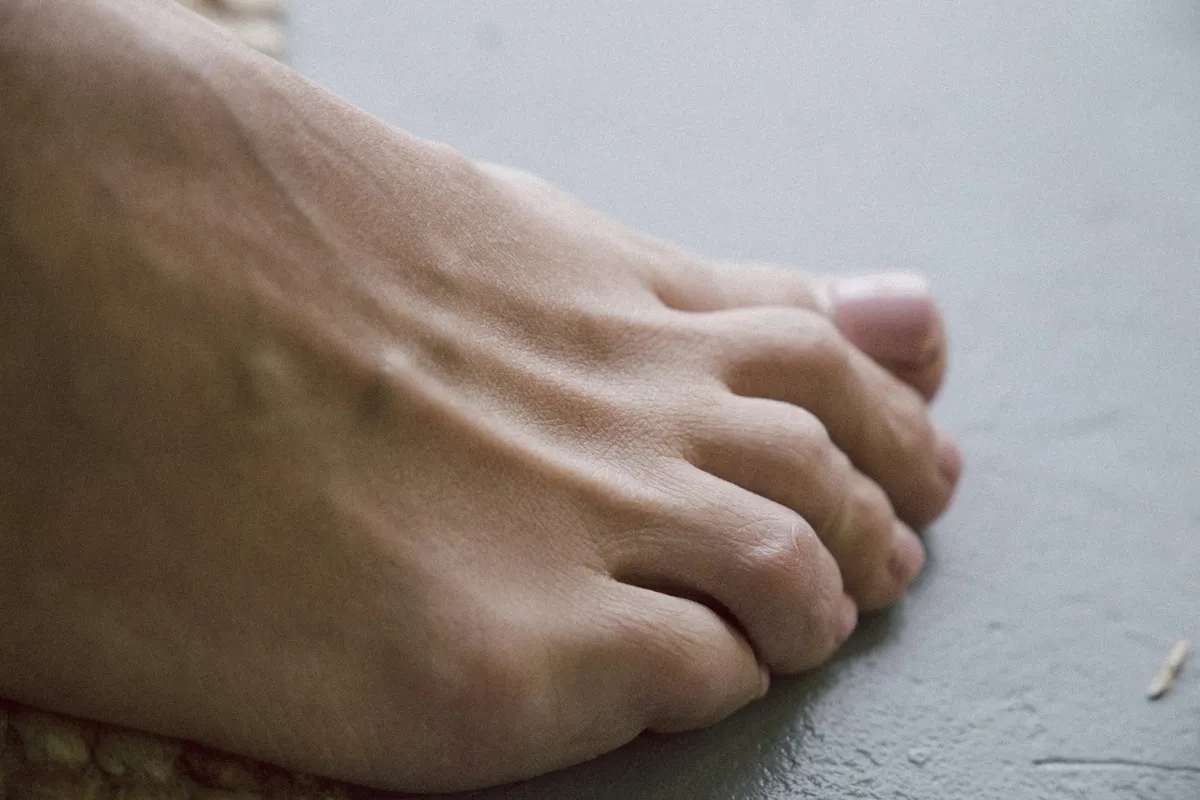
Gout is the most common form of inflammatory arthritis, caused by high levels of uric acid in the blood. When uric acid rises high enough, it can crystallize in a joint (classically the big toe) and trigger a gout "flare": sudden, intense pain, swelling, and redness that can be debilitating. Over time, recurrent flares can damage joints permanently, so keeping uric acid in check is the goal.
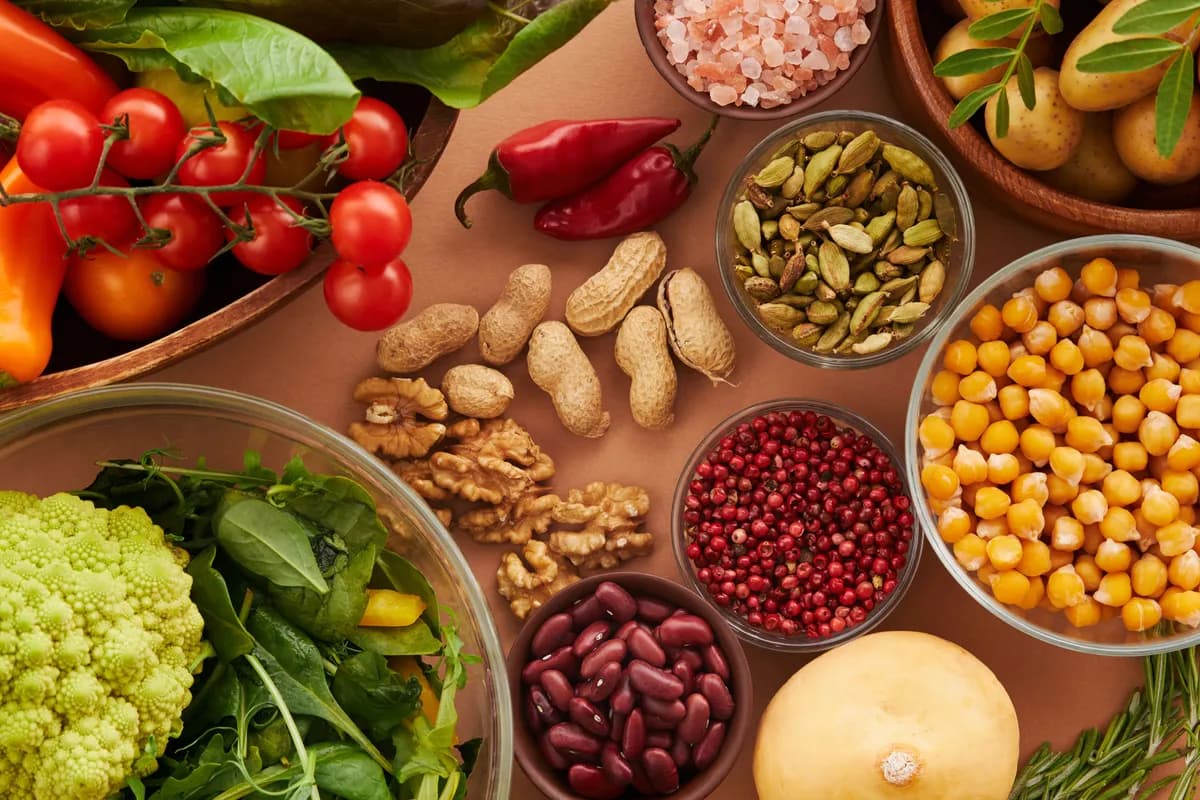
Diet has a real but often overstated role. Foods, alcohol, and weight genuinely affect uric acid and flare risk, which is why nutrition is part of every gout plan. But for most people, genetics drive uric acid levels more than diet does, and dietary changes alone usually lower uric acid only modestly. That means nutrition is a valuable supporting player, especially weight management and cutting the biggest triggers, but for recurrent gout, medication does most of the work.
This article reviews what raises uric acid (purines, fructose, alcohol), the dietary changes that genuinely help, the truth about cherries and vitamin C, and how nutrition fits alongside medical treatment.