Celiac Disease: A Clinical Nutrition Overview

The gluten-free diet as medical treatment, and how to do it without nutritional gaps

2026-06-07
📝1,677words
⏱️9min read
Gut Health
#Celiac Disease#Gluten Free#Digestive Health#Malabsorption#Nutrition

Celiac Disease

Celiac disease is an autoimmune condition in which eating gluten, a protein found in wheat, barley, and rye, triggers the immune system to attack the lining of the small intestine. This flattens the villi, the tiny folds responsible for absorbing nutrients, leading to malabsorption that can affect the whole body. Celiac disease is not an allergy or a simple intolerance; it's an autoimmune disease, and even trace amounts of gluten cause damage.

It affects roughly 1% of people, though many cases go undiagnosed for years because symptoms vary widely, from classic digestive complaints to fatigue, anemia, bone loss, or no obvious symptoms at all. With "gluten-free" now a common lifestyle trend, it's easy to overlook that for someone with celiac disease, gluten-free eating is not a preference. It is essential, lifelong medical treatment.

This article looks at how celiac disease differs from gluten sensitivity, why a strict gluten-free diet is the only treatment, the nutrient deficiencies to watch for, how to avoid cross-contamination, and why "gluten-free" doesn't automatically mean healthy.
Clinical Summary

Celiac Disease

Celiac disease is an autoimmune reaction to gluten that damages the small intestine, and a strict, lifelong gluten-free diet is the only treatment, done carefully to avoid nutritional gaps.

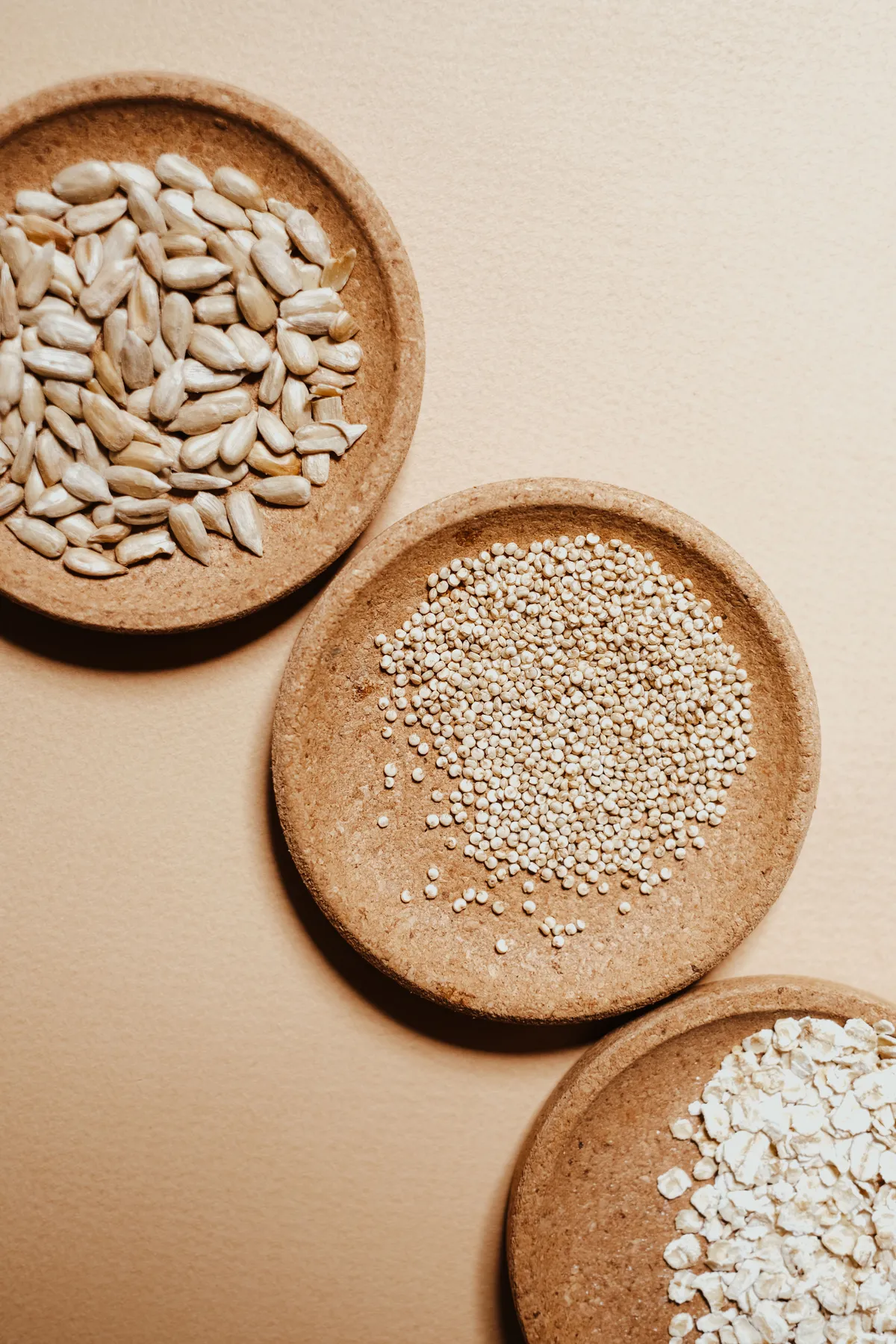
Naturally gluten-free whole foods

What it is

Autoimmune, not allergy

Gluten triggers immune damage to the small intestine, and even trace amounts cause harm.

The only treatment

Strict gluten-free

A lifelong gluten-free diet lets the gut heal and prevents complications.

Watch for

Deficiencies

Iron, B12, folate, vitamin D, and calcium, from both damage and the GF diet itself.

What we'll cover

Diet & pitfalls

Diagnosis vs. sensitivity, cross-contamination, deficiencies, and GF-isn't-healthy.

Pathophysiology Profile

Pathophysiology Profile

Celiac disease is an autoimmune response to gluten that damages the absorptive surface of the small intestine. Because the only treatment is dietary, getting the gluten-free diet right (strict, complete, and nutritionally sound) is the entire foundation of care.

The Trigger

Gluten

A protein in wheat, barley, and rye that provokes an autoimmune attack on the small intestine in celiac disease.

The Treatment

Strict gluten-free, for life

The only effective treatment; even trace gluten causes damage, so strictness matters.

Test First

Before going gluten-free

Diagnosis (blood tests, often biopsy) must happen while still eating gluten, so don't self-start a GF diet.

Diagnosis, the Diet, and Its Pitfalls

01

Celiac vs. Gluten Sensitivity vs. Allergy

These are often confused but are distinct. Celiac disease is autoimmune: gluten triggers the immune system to damage the small intestine, with measurable antibodies and intestinal changes, and real long-term risks if untreated. Non-celiac gluten/wheat sensitivity causes symptoms like bloating and fatigue without that autoimmune damage. A wheat allergy is an immediate allergic reaction to wheat proteins. The distinction is critical because only celiac disease requires strict lifelong avoidance and medical follow-up. And testing must be done while still eating gluten, so you should never start a gluten-free diet before being evaluated.

Key Takeaways

  • Celiac: Autoimmune, with intestinal damage and long-term risks; needs a strict lifelong GF diet.
  • Gluten sensitivity: Symptoms without autoimmune damage.
  • Wheat allergy: A separate, immediate allergic reaction.
  • Test first: Get diagnosed while still eating gluten, and don't self-start GF.
02

The Gluten-Free Diet: The Only Treatment

A strict, lifelong gluten-free diet is currently the only effective treatment for celiac disease. Removing all gluten allows the intestinal villi to heal, resolves symptoms, and prevents complications like osteoporosis, anemia, infertility, and (rarely) certain cancers. This means eliminating wheat, barley, and rye in all their forms, including less obvious sources like sauces, soups, processed foods, and even some medications and supplements. There is no pill that lets people with celiac disease eat gluten safely. The diet is the medicine.

Key Takeaways

  • Eliminate: Wheat, barley, and rye, plus their many hidden forms.
  • Healing: Strict avoidance lets the gut recover over months.
  • Prevents complications: Bone loss, anemia, and other long-term risks.
  • No alternative yet: Diet is the only proven treatment (research ongoing).
03

Cross-Contamination and Oats

Because even trace gluten causes harm, cross-contamination is a constant, practical challenge. Gluten can transfer from shared toasters, cutting boards, fryers, and utensils, or from bulk bins and shared production lines. At home, separate equipment and careful preparation help; when eating out, asking about preparation is essential. Oats are a special case: they're naturally gluten-free but frequently contaminated during processing, so only certified gluten-free oats are safe. A small minority also react to oat protein (avenin), so oats are introduced carefully.

Key Takeaways

  • Trace matters: Even small amounts of gluten cause damage.
  • Common sources: Shared toasters, fryers, utensils, cutting boards, bulk bins.
  • Eating out: Ask how food is prepared and about dedicated practices.
  • Oats: Only certified gluten-free, and introduce carefully (avenin sensitivity in a few).
04

Two Hidden Pitfalls: Deficiencies and 'Healthy' GF Junk

Two nutritional traps deserve special attention. First, deficiencies: intestinal damage before diagnosis commonly causes low iron, vitamin B12, folate, vitamin D, and calcium, which need checking and correcting. Second, the gluten-free diet itself can be nutritionally poorer, since many packaged gluten-free products are lower in fiber and B vitamins and higher in sugar, fat, and refined starch than regular versions. "Gluten-free" is not a synonym for "healthy." A well-built gluten-free diet leans on naturally gluten-free whole foods rather than processed substitutes.

Key Takeaways

  • Check deficiencies: Iron, B12, folate, vitamin D, and calcium, at diagnosis and follow-up.
  • GF ≠ healthy: Many GF products are low-fiber and high in sugar/fat.
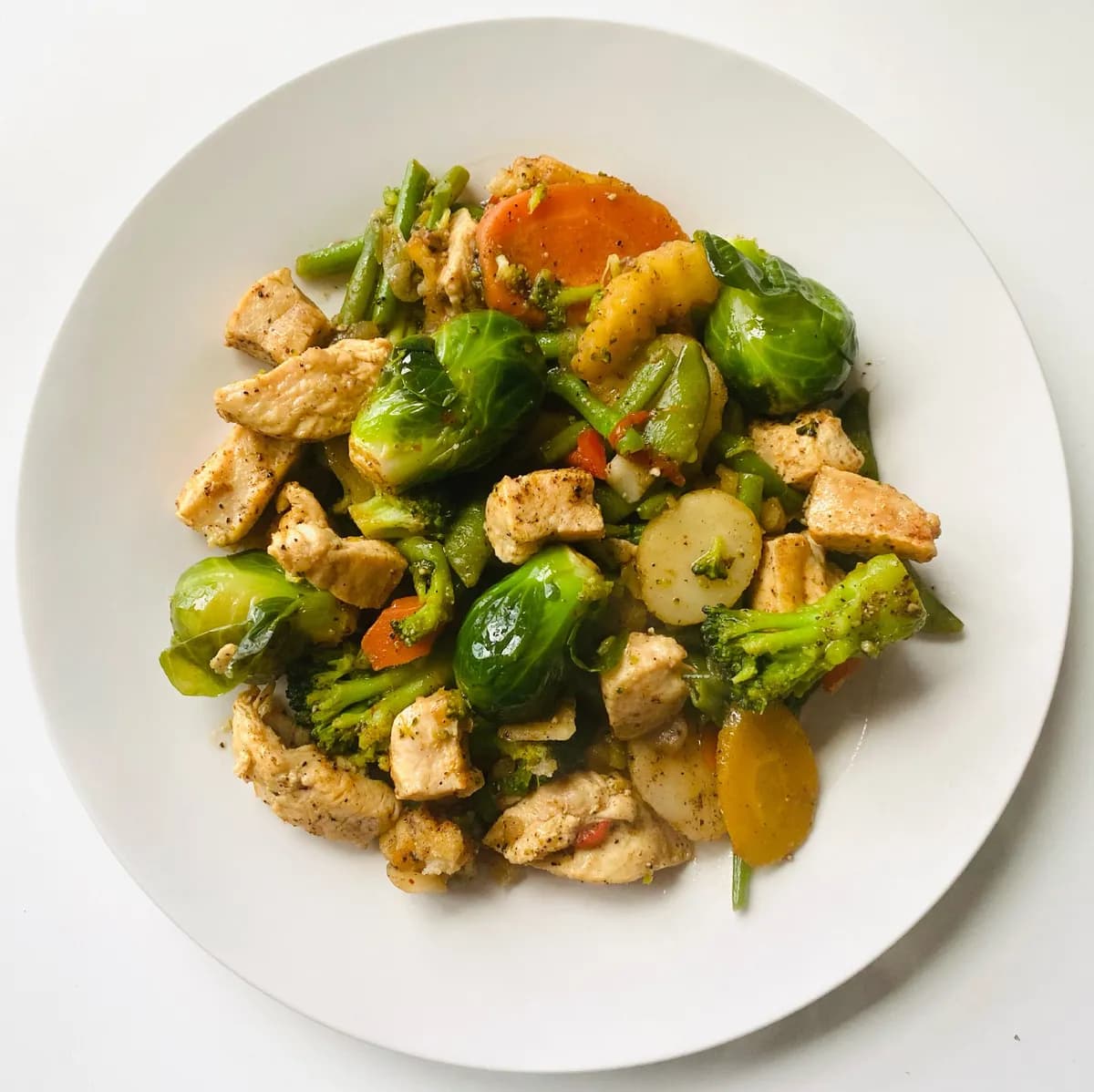
  • Build on whole foods: Fruit, veg, legumes, naturally GF grains, lean proteins.
  • Fiber focus: GF diets often fall short, so prioritize high-fiber GF foods.

Practical Strategies

Living well with celiac disease means mastering a strict but nourishing gluten-free diet: built on whole foods, protected from cross-contamination, and supported by monitoring for deficiencies.

01
Naturally gluten-free whole foods
Step 1

Build a Whole-Food Gluten-Free Diet

Base the diet on naturally gluten-free whole foods rather than processed gluten-free substitutes.
  • Center meals on vegetables, fruit, legumes, lean proteins, and naturally GF grains.
  • Choose GF whole grains: rice, quinoa, buckwheat, certified GF oats, millet.
  • Read every label, since gluten hides in sauces, soups, seasonings, and processed foods.
  • Don't assume 'gluten-free' products are healthy; check fiber and sugar.
02
Reading a food label for gluten
Step 2

Prevent Cross-Contamination

Because even traces cause harm, careful preparation at home and when eating out is essential.
  • Use separate toasters, cutting boards, and utensils at home.
  • Store gluten-free foods separately and avoid shared bulk bins.
  • When eating out, ask about dedicated prep and fryers.
  • Check medications and supplements, which can contain gluten.
03
Step 3

Monitor & Stay Supported

Ongoing follow-up catches deficiencies and confirms healing.
  • Have iron, B12, folate, vitamin D, and calcium checked and corrected.
  • Follow up to confirm antibody normalization and intestinal healing.
  • Work with a dietitian experienced in celiac disease.
  • Connect with celiac support resources for label and dining guidance.

Common Myths About Celiac & Gluten

Myths vs. Facts

Myth

Celiac disease is just a gluten intolerance.

Hover to flipTap to flip
Fact
  • It's an autoimmune disease that damages the small intestine, not a simple intolerance.
  • Even trace gluten causes harm, and untreated celiac risks serious complications.
Myth

Gluten-free food is automatically healthier.

Hover to flipTap to flip
Fact
  • Many packaged gluten-free products are higher in sugar and fat and lower in fiber.
  • A healthy GF diet is built on naturally gluten-free whole foods.
Myth

A little gluten now and then is fine if you feel okay.

Hover to flipTap to flip
Fact
  • Damage happens even without symptoms, so 'a little' still harms the intestine.
  • Strict, consistent avoidance is what allows healing and prevents complications.
Myth

You should go gluten-free to see if it helps before testing.

Hover to flipTap to flip
Fact
  • Testing requires that you're still eating gluten, and going GF first causes false negatives.
  • Always get evaluated before removing gluten if celiac is suspected.

Risk Factors

Celiac disease has a strong genetic component, and certain factors raise the likelihood of developing it.

Key Risk Factors

Family history

A first-degree relative with celiac disease substantially increases risk.

Genetic markers (HLA-DQ2/DQ8)

Nearly all people with celiac carry these genes, though most carriers don't develop it.

Other autoimmune conditions

Type 1 diabetes and autoimmune thyroid disease commonly co-occur with celiac.

Certain genetic conditions

Down syndrome, Turner syndrome, and others carry higher celiac risk.

Special Clinical Care

Some groups need particular attention in screening and managing celiac disease.

People with type 1 diabetes or thyroid disease

Higher celiac rates warrant screening; managing both diets together needs dietitian support.

Children

Untreated celiac can impair growth and development, so early diagnosis and a complete GF diet matter.

Newly diagnosed adults

Often have deficiencies and bone loss needing correction, plus intensive diet education.

Conclusion

Celiac disease is an autoimmune condition, not a lifestyle choice, and for the roughly 1% of people who have it, a strict, lifelong gluten-free diet is genuine medical treatment, not a trend. Done well, it heals the gut and prevents serious complications. Doing it well means three things: get diagnosed before going gluten-free, be strict about even trace gluten and cross-contamination, and build the diet on naturally gluten-free whole foods rather than processed substitutes while monitoring for deficiencies. With the guidance of a dietitian experienced in celiac disease, people can eat safely, completely, and well for life.

Frequently Asked Questions

What is celiac disease?

Celiac disease is an autoimmune condition in which eating gluten (a protein in wheat, barley, and rye) triggers the immune system to attack the lining of the small intestine. This damages the tiny absorptive folds (villi), leading to malabsorption of nutrients. It's not an allergy or an intolerance; it's an autoimmune disease, and even small amounts of gluten cause harm.

How is celiac disease different from gluten sensitivity?

Celiac disease is autoimmune and causes measurable intestinal damage and long-term complications if untreated. Non-celiac gluten/wheat sensitivity causes symptoms (bloating, discomfort, fatigue) without that autoimmune damage. A wheat allergy is a separate, immediate allergic reaction. The distinction matters because celiac disease requires strict, lifelong gluten avoidance and medical follow-up, and it should be diagnosed before starting a gluten-free diet.

Is a gluten-free diet really the only treatment?

Yes. A strict, lifelong gluten-free diet is currently the only effective treatment for celiac disease. Removing gluten lets the intestine heal, resolves symptoms, and prevents complications. There is no medication that allows people with celiac disease to safely eat gluten, though research is ongoing.

Can people with celiac disease eat oats?

Most can, but only certified gluten-free oats. Oats are naturally gluten-free; the problem is cross-contamination with wheat, barley, or rye during growing and processing. Gluten-free-labeled oats avoid this. A small number of people react to a protein in oats called avenin, so oats are best introduced carefully and with guidance.

Why do people with celiac disease often have nutrient deficiencies?

Two reasons. First, intestinal damage before diagnosis impairs absorption, so iron, vitamin B12, folate, vitamin D, and calcium deficiencies are common. Second, the gluten-free diet itself can be low in fiber, iron, B vitamins, and other nutrients, especially if it relies on processed gluten-free products. This is exactly why dietitian guidance matters.

Is gluten-free automatically healthy?

No, and this is a key misconception. Many packaged gluten-free foods are lower in fiber and fortification and higher in sugar, fat, and refined starch than their regular counterparts. A healthy gluten-free diet is built on naturally gluten-free whole foods (fruits, vegetables, legumes, gluten-free grains, lean proteins), not just swapping in processed gluten-free versions of bread and snacks.

Sources & References

ACG Clinical Guidelines: Diagnosis and Management of Celiac Disease (2023) journals.lww.com/ajg/fulltext/2023/01000/american_college_of_gastroenterology_guidelines.16.aspx
1
Nutrition Assessment and Management in Celiac Disease (Gastroenterology, 2024) www.gastrojournal.org/article/S0016-5085(24)00361-5/fulltext
2
Celiac Disease Foundation — What is Celiac Disease? celiac.org/about-celiac-disease/what-is-celiac-disease/
3
British Dietetic Association — Coeliac disease and gluten-free diet www.bda.uk.com/resource/coeliac-disease-and-gluten-free-diet.html
4

Similar Blogs

clinical-nutrition
Cancer & Nutrition: Eating Well Through Treatment

An evidence-based overview of nutrition during cancer treatment: why protein and calories matter, managing side effects and cachexia, the truth about 'sugar feeds cancer,' and when to get support.

gut-health
GERD & Acid Reflux: A Clinical Nutrition Overview

An evidence-based overview of GERD and acid reflux: why weight loss, meal timing, and bed elevation beat blanket food bans, how to find your personal triggers, and when to see a doctor.

maternal-nutrition
Gestational Diabetes: A Clinical Nutrition Overview

An evidence-based overview of gestational diabetes (GDM): blood glucose targets, carbohydrate management, why most people manage with nutrition alone, and protecting both mother and baby.

clinical-nutrition
Gout & Nutrition: A Clinical Overview

An evidence-based overview of gout nutrition: the role of purines, fructose, and alcohol, why weight loss helps, the truth about cherries, and why diet supports but doesn't replace medication.

heart-health
Stroke & Nutrition: Prevention and Recovery

An evidence-based overview of nutrition for stroke: the dietary patterns and sodium targets that cut risk, plus how nutrition supports recovery, including dysphagia (swallowing difficulty).

clinical-nutrition
Type 2 Diabetes: A Clinical Nutrition Overview

An evidence-based overview of type 2 diabetes nutrition: how to manage and even reverse it, the plate method, carbohydrate quality, weight-loss targets, and what the latest ADA standards recommend.

gut-health
Ulcerative Colitis: A Clinical Nutrition Overview

An evidence-based overview of ulcerative colitis nutrition: how it differs from Crohn's, eating during flares vs remission, key deficiencies, the Mediterranean diet evidence, and avoiding needless restriction.

nutrient-deficiencies
Vitamin B12 Deficiency: A Clinical Nutrition Overview

An evidence-based overview of vitamin B12 deficiency: the at-risk groups (vegans, older adults, metformin and PPI users), the serious neurological signs, food sources, and when supplements or injections are needed.

gut-health
Crohn’s Disease: A Clinical Nutrition Overview

An evidence-based overview of Crohn’s disease: how inflammation drives malabsorption, the specific deficiencies to watch, and proven nutrition therapies like exclusive enteral nutrition.

clinical-nutrition
Thyroid Health & Nutrition: A Clinical Overview

An evidence-based overview of thyroid health: how hypothyroidism and hyperthyroidism differ, the key nutrients (iodine, selenium, iron, zinc), medication timing, and what the goitrogen myth gets wrong.