GERD & Acid Reflux: A Clinical Nutrition Overview

What actually helps heartburn, beyond the usual 'avoid these foods' list

2026-06-07
📝1,673words
⏱️9min read
Gut Health
#GERD#Acid Reflux#Heartburn#Digestive Health#Nutrition

GERD & Acid Reflux

Acid reflux happens when stomach contents flow back up into the esophagus, often producing the burning chest sensation we call heartburn. Occasional reflux is completely normal, but when it becomes frequent (typically twice a week or more) or starts causing complications, it's diagnosed as GERD (gastroesophageal reflux disease). It's remarkably common, affecting roughly one in five adults in Western countries.

Most people with reflux are handed a long list of foods to avoid: coffee, chocolate, citrus, spice, tomatoes. But here's what the evidence actually shows. Those blanket "trigger food" lists are based largely on anecdote, triggers are highly individual, and the interventions that help most are often different ones entirely, such as weight management, meal timing, and how you sleep. Cutting foods you don't need to cut just makes life harder without fixing the problem.

This article reviews what reflux really is, the lifestyle and nutrition changes with the strongest evidence, how to find your own triggers without needless restriction, and when reflux warrants seeing a doctor.

Clinical Summary

GERD & Acid Reflux

GERD is frequent acid reflux into the esophagus, and the changes that help most are weight loss, meal timing, and bed elevation, not blanket food bans.

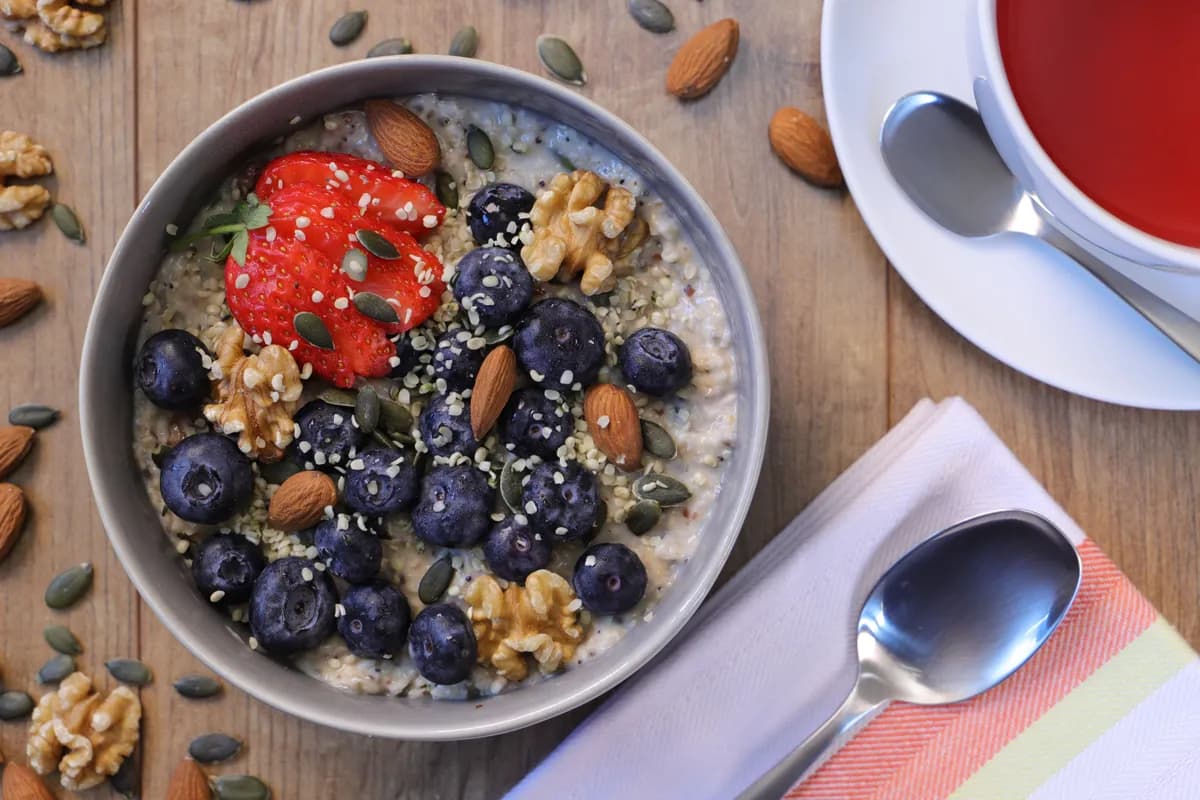
Reflux-friendly balanced meal

What it is

Frequent reflux

Stomach acid flowing back into the esophagus twice a week or more, or causing complications.

What helps most

Weight, timing, gravity

Weight loss, no late meals, smaller portions, and head-of-bed elevation lead the evidence.

The myth

Blanket food bans

Classic 'trigger food' lists are largely anecdotal, and triggers are individual.

What we'll cover

Evidence & triggers

The real high-impact changes, finding personal triggers, and red flags.

Pathophysiology Profile

Pathophysiology Profile

Reflux is mainly a problem of mechanics: pressure pushing acid up and gravity failing to keep it down. That's why weight, meal size, timing, and sleep position move the needle more than cutting individual foods, though personal triggers still matter for comfort.

Top Intervention

Weight loss

For those carrying excess weight, losing it is one of the most effective ways to reduce reflux.

Meal Timing

~3 hours before bed

Finishing eating ~3 hours before lying down, plus head-of-bed elevation, cuts nighttime acid exposure.

Trigger Foods

Individual, not universal

Classic 'avoid' lists are largely anecdotal, so identify your own triggers rather than banning categories.

How Reflux Works and What Truly Helps

01

What Reflux Actually Is

A ring of muscle called the lower esophageal sphincter (LES) normally acts as a one-way valve between the esophagus and stomach. Reflux happens when this valve relaxes or weakens, letting acidic stomach contents flow back up. Anything that increases pressure on the stomach (excess abdominal weight, large meals) or works against gravity (lying down soon after eating) makes reflux more likely. Understanding this mechanical picture explains why the most effective fixes target pressure and gravity, not just food choices.

Key Takeaways

  • The valve: A weak or relaxed lower esophageal sphincter lets acid escape upward.
  • Pressure: Abdominal weight and large meals push stomach contents up.
  • Gravity: Lying down after eating removes gravity's protective help.
02

The Trigger-Food Myth

Patients are routinely told to avoid coffee, chocolate, citrus, tomatoes, spicy and fatty foods, peppermint, and carbonated drinks. But these recommendations are based largely on anecdote rather than strong evidence, and research shows triggers vary widely between individuals, with many people not reacting to most items on the standard list. Blanket restriction is burdensome and often ineffective. The smarter approach is to identify your own triggers and only adjust what genuinely affects you, while keeping the diet as varied and enjoyable as possible.

Key Takeaways

  • Lists are anecdotal: The classic trigger list isn't backed by strong evidence.
  • Triggers are individual: Many people tolerate 'forbidden' foods fine.
  • Find yours: A food-and-symptom diary reveals your personal patterns.
  • Don't over-restrict: Needless bans reduce quality of life without fixing reflux.
03

The Changes With the Strongest Evidence

The interventions that most reliably reduce reflux are the ones often glossed over. Weight loss is among the most effective: excess abdominal weight raises stomach pressure, and losing it significantly improves symptoms, sometimes resolving them entirely. Meal timing matters greatly: finishing the last meal about 3 hours before lying down, and elevating the head of the bed by 6–8 inches (or using a wedge pillow), measurably cuts nighttime acid exposure. Smaller, more frequent meals reduce stomach pressure, and a fiber-rich, Mediterranean-style pattern is associated with fewer symptoms.

Key Takeaways

  • Lose excess weight: One of the single most effective steps.
  • Meal timing: No eating within ~3 hours of lying down.
  • Elevate the bed head: 6–8 inches or a wedge pillow for nighttime reflux.
  • Smaller meals + fiber: Reduce pressure; a Mediterranean pattern helps.
04

Finding Your Personal Triggers

Because triggers are individual, a short period of structured self-observation beats permanent guesswork. Keep a simple food-and-symptom diary for a couple of weeks, noting what you eat, when, and when symptoms occur. Patterns usually emerge, whether it's large late dinners, a specific food, or alcohol. Then you can adjust precisely, removing only what truly provokes symptoms while keeping everything else. This personalized approach controls reflux without the nutritional cost and frustration of a long banned-foods list.

Key Takeaways

  • Track for ~2 weeks: Note foods, timing, and symptoms together.
  • Look for patterns: Often it's meal size and timing more than specific foods.
  • Adjust precisely: Remove only your real triggers, keep the rest.
  • Common personal triggers: Large/late meals, alcohol, and sometimes coffee or fat, but verify for yourself.

Practical Strategies

Managing reflux works best by targeting its mechanics (weight, meal size, timing, and sleep position) and personalizing food choices, rather than following a one-size-fits-all banned-foods list.

01
Smaller balanced meal for reflux
Step 1

Target the Mechanics First

The highest-impact changes address pressure and gravity, not individual foods.
  • If overweight, pursue gradual weight loss, which is among the most effective steps.
  • Eat smaller, more frequent meals to reduce stomach pressure.
  • Stop eating about 3 hours before lying down.
  • Elevate the head of the bed 6–8 inches (or use a wedge pillow).
02
Food and symptom diary
Step 2

Personalize Your Food Choices

Skip blanket bans, and find and adjust only your individual triggers.
  • Keep a 2-week food-and-symptom diary to spot personal patterns.
  • Favor a fiber-rich, Mediterranean-style pattern, linked to fewer symptoms.
  • Adjust only what genuinely bothers you, and keep variety and enjoyment.
  • Common culprits to test: alcohol, very fatty or very large meals.
03
Step 3

Lifestyle & When to Get Help

A few more habits help, and persistent reflux needs medical attention.
  • Don't smoke; limit alcohol, both of which worsen reflux.
  • Avoid tight waistbands and lying down right after meals.
  • See a doctor for symptoms ≥twice/week or that persist despite changes.
  • Seek prompt care for 'alarm' signs: trouble swallowing, weight loss, vomiting, black stools.

Common Myths About Acid Reflux

Myths vs. Facts

Myth

Everyone with reflux must avoid coffee, chocolate, citrus, and spice.

Hover to flipTap to flip
Fact
  • These classic lists are largely anecdotal, and triggers are highly individual.
  • Many people tolerate these foods fine, so identify your own triggers instead.
Myth

Reflux is just about what you eat, not how or when.

Hover to flipTap to flip
Fact
  • Meal size, timing, weight, and sleep position often matter more than specific foods.
  • Not eating ~3 hours before bed and elevating the bed head are high-impact changes.
Myth

Reflux is caused by too much stomach acid, so it's harmless.

Hover to flipTap to flip
Fact
  • It's mainly a faulty valve and mechanics, not necessarily excess acid.
  • Untreated frequent GERD can damage the esophagus, so persistent reflux needs evaluation.
Myth

If antacids help, you don't need to change anything else.

Hover to flipTap to flip
Fact
  • Medication manages symptoms, but weight, timing, and lifestyle address the cause.
  • Combining them often reduces symptoms and reliance on medication over time.

Risk Factors

Several factors increase the likelihood and severity of acid reflux, and many of them are modifiable.

Key Risk Factors

Excess weight

Abdominal weight raises stomach pressure, pushing acid upward, and it's a leading, modifiable cause.

Large or late meals

Big meals and eating close to bedtime increase reflux, especially overnight.

Hiatal hernia

When part of the stomach moves above the diaphragm, the reflux barrier weakens.

Smoking & alcohol

Both relax the lower esophageal sphincter and worsen symptoms.

Special Clinical Care

Some groups experience reflux differently or need particular care.

Pregnant individuals

Hormonal changes and uterine pressure commonly cause reflux; gentle lifestyle measures are first-line.

People with obesity

Benefit most from weight loss, which can substantially reduce or resolve symptoms.

Those with persistent or alarm symptoms

Need medical evaluation to rule out complications rather than ongoing self-treatment.

Conclusion

GERD is one of the most common digestive conditions, and one where the conventional advice often misses the mark. Rather than handing over a long list of forbidden foods, the evidence points to higher-impact changes: lose excess weight, eat smaller meals, stop eating about 3 hours before bed, elevate the head of the bed, and find your own personal triggers rather than banning whole categories. These target the mechanics of reflux and keep eating varied and enjoyable. Combined with medication where needed, and prompt medical care for persistent or alarm symptoms, this personalized, evidence-based approach controls reflux far more sustainably than blanket restriction.

Frequently Asked Questions

What is the difference between heartburn, acid reflux, and GERD?

Acid reflux is when stomach contents flow back up into the esophagus; heartburn is the burning chest sensation it often causes. Occasional reflux is normal. GERD (gastroesophageal reflux disease) is the diagnosis when reflux is frequent (typically twice a week or more) or causes complications, and it's the form that benefits most from sustained lifestyle and nutrition changes.

Do I have to give up coffee, chocolate, and spicy food?

Not necessarily, and this is a common misconception. The classic 'trigger food' lists are based largely on anecdote, and triggers are highly individual. Rather than banning whole categories upfront, the better approach is to identify your personal triggers (a food-and-symptom diary helps) and adjust only what actually bothers you. Some people tolerate coffee or spice fine.

What actually helps GERD the most?

The interventions with the strongest evidence are often overlooked: losing excess weight (one of the most effective steps), not eating within about 3 hours of lying down, eating smaller meals, and elevating the head of the bed. These address the mechanics of reflux (pressure on the stomach and gravity) more reliably than cutting individual foods.

Why does meal timing matter so much?

When you lie down with a full stomach, gravity no longer helps keep acid down, so reflux is more likely overnight. Finishing your last meal about 3 hours before bed, and elevating the head of the bed by 6–8 inches (or using a wedge pillow), measurably reduces nighttime acid exposure, usually more than any single food change.

Can losing weight really improve reflux?

Yes, it's one of the best-supported strategies. Excess weight, especially around the abdomen, increases pressure on the stomach and pushes acid upward. Studies show that weight loss in people who are overweight significantly reduces reflux symptoms, and for some it resolves them. Even modest loss can help.

When should I see a doctor instead of just changing my diet?

See a doctor if you have frequent symptoms (twice a week or more), symptoms despite lifestyle changes or over-the-counter medication, or any 'alarm' signs such as difficulty or pain swallowing, unintended weight loss, vomiting, black stools, or anemia. Long-standing untreated GERD can damage the esophagus, so persistent reflux deserves medical evaluation.

Sources & References

ACG Clinical Guideline: Diagnosis and Management of Gastroesophageal Reflux Disease (2022) journals.lww.com/ajg/fulltext/2022/01000/acg_clinical_guideline_for_the_diagnosis_and.14.aspx
1
Mediterranean diet and reflux — lifestyle intervention evidence (JAMA Otolaryngology) jamanetwork.com/journals/jamaotolaryngology/fullarticle/2654401
2
Lifestyle intervention in GERD — weight loss & head-of-bed elevation (Clinical Gastroenterology & Hepatology) www.cghjournal.org/article/S1542-3565(15)00635-7/fulltext
3

Similar Blogs

clinical-nutrition
Cancer & Nutrition: Eating Well Through Treatment

An evidence-based overview of nutrition during cancer treatment: why protein and calories matter, managing side effects and cachexia, the truth about 'sugar feeds cancer,' and when to get support.

gut-health
Celiac Disease: A Clinical Nutrition Overview

An evidence-based overview of celiac disease: how it differs from gluten sensitivity, why a strict gluten-free diet is the only treatment, the deficiencies to watch for, and avoiding cross-contamination.

maternal-nutrition
Gestational Diabetes: A Clinical Nutrition Overview

An evidence-based overview of gestational diabetes (GDM): blood glucose targets, carbohydrate management, why most people manage with nutrition alone, and protecting both mother and baby.

clinical-nutrition
Gout & Nutrition: A Clinical Overview

An evidence-based overview of gout nutrition: the role of purines, fructose, and alcohol, why weight loss helps, the truth about cherries, and why diet supports but doesn't replace medication.

heart-health
Stroke & Nutrition: Prevention and Recovery

An evidence-based overview of nutrition for stroke: the dietary patterns and sodium targets that cut risk, plus how nutrition supports recovery, including dysphagia (swallowing difficulty).

clinical-nutrition
Type 2 Diabetes: A Clinical Nutrition Overview

An evidence-based overview of type 2 diabetes nutrition: how to manage and even reverse it, the plate method, carbohydrate quality, weight-loss targets, and what the latest ADA standards recommend.

gut-health
Ulcerative Colitis: A Clinical Nutrition Overview

An evidence-based overview of ulcerative colitis nutrition: how it differs from Crohn's, eating during flares vs remission, key deficiencies, the Mediterranean diet evidence, and avoiding needless restriction.

nutrient-deficiencies
Vitamin B12 Deficiency: A Clinical Nutrition Overview

An evidence-based overview of vitamin B12 deficiency: the at-risk groups (vegans, older adults, metformin and PPI users), the serious neurological signs, food sources, and when supplements or injections are needed.

clinical-nutrition
Thyroid Health & Nutrition: A Clinical Overview

An evidence-based overview of thyroid health: how hypothyroidism and hyperthyroidism differ, the key nutrients (iodine, selenium, iron, zinc), medication timing, and what the goitrogen myth gets wrong.

clinical-nutrition
Osteoporosis & Bone Health: A Clinical Nutrition Overview

An evidence-based overview of osteoporosis: the nutrients that build and preserve bone (calcium, vitamin D, protein), why food beats supplements, and how to lower fracture risk.