Stroke & Nutrition: Prevention and Recovery

How diet lowers stroke risk, and supports recovery and swallowing afterward

2026-06-07
📝1,650words
⏱️9min read
Heart Health
#Stroke#Cardiovascular Health#Blood Pressure#Dysphagia#Nutrition

Stroke & Nutrition

A stroke happens when blood flow to part of the brain is suddenly cut off, either by a clot (ischemic stroke) or by bleeding (hemorrhagic stroke), depriving brain tissue of oxygen. It's a leading cause of death and long-term disability worldwide. The encouraging news is that the great majority of strokes are preventable, and nutrition is one of the most powerful tools for prevention. That's because the biggest risk factors, including high blood pressure, high cholesterol, diabetes, and excess weight, are all strongly diet-related.

Nutrition matters on both sides of a stroke. Before one, the right eating pattern can dramatically lower risk. After one, nutrition becomes central to recovery: it supports rehabilitation, helps prevent a second stroke, and addresses the very common problem of dysphagia (difficulty swallowing), which makes eating safely a clinical priority.

This article reviews the dietary patterns and specific changes that lower stroke risk, the critical role of sodium and blood pressure, and how nutrition supports recovery, including safe eating when swallowing is impaired.

Clinical Summary

Stroke & Nutrition

Most strokes are preventable, and nutrition is central: it lowers blood pressure and cardiovascular risk before a stroke, and supports recovery and safe swallowing afterward.

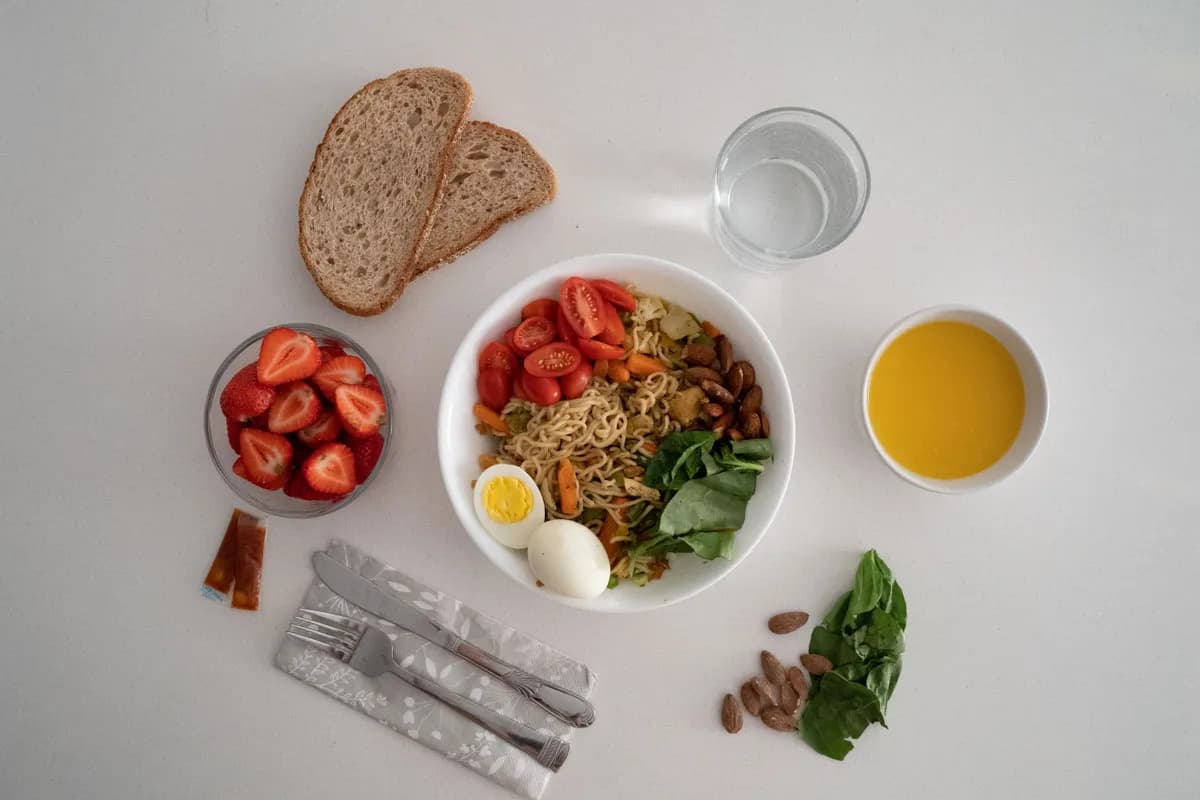
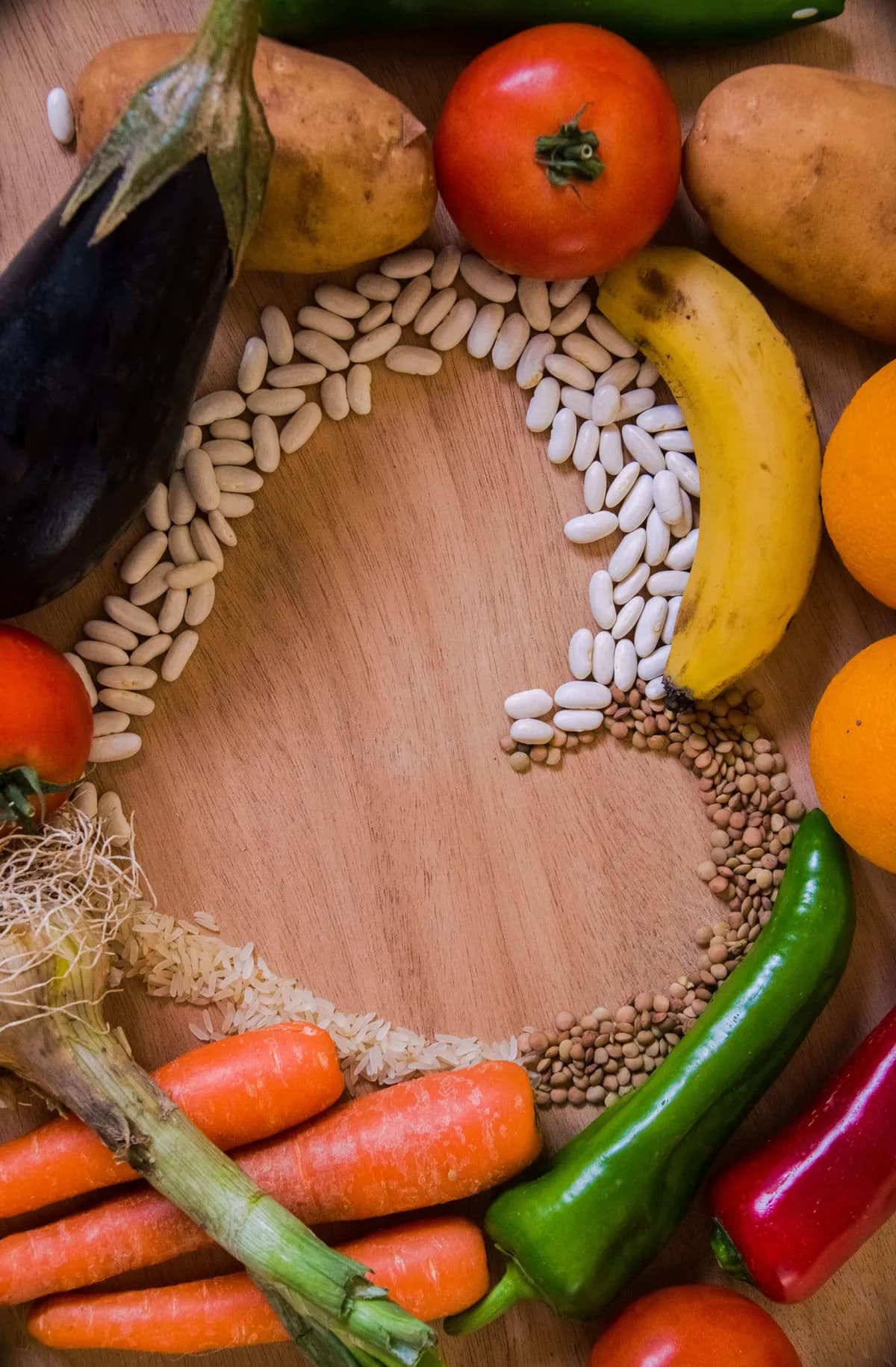
Heart-healthy foods for stroke prevention

What it is

Blood flow cut off

A clot or bleed deprives the brain of oxygen; it's a leading cause of disability, and mostly preventable.

Top risk factor

High blood pressure

The leading modifiable cause; sodium reduction and DASH/Mediterranean diets lower it.

After a stroke

Recovery & swallowing

Nutrition supports rehab and prevents recurrence; dysphagia needs safe, modified textures.

What we'll cover

Prevention & recovery

Dietary patterns, sodium, secondary prevention, and dysphagia nutrition.

Pathophysiology Profile

Pathophysiology Profile

Stroke is largely driven by modifiable cardiovascular risk, above all high blood pressure. Nutrition lowers that risk before a stroke and, afterward, supports recovery and safe eating, making it central across the whole journey.

Top Modifiable Cause

High blood pressure

The single biggest risk factor for stroke, and highly responsive to diet, especially sodium reduction.

Best Diet Evidence

Mediterranean / DASH

These patterns reduce cardiovascular events including stroke; PREDIMED showed Mediterranean benefit.

After a Stroke

Dysphagia is common

Swallowing difficulty raises choking and pneumonia risk, so texture-modified diets keep eating safe.

Prevention, Sodium, and Recovery Nutrition

01

Why Stroke Is Largely Preventable

Most strokes are ischemic, caused by a clot blocking blood flow, and they share their main risk factors with heart disease: high blood pressure, high cholesterol, diabetes, smoking, excess weight, and physical inactivity. The majority of these are modifiable, which is why an estimated large share of strokes can be prevented through lifestyle and medical management. Nutrition sits at the center because it directly influences blood pressure, cholesterol, blood sugar, and weight all at once.

Key Takeaways

  • Mostly ischemic: Clots blocking brain blood flow are the most common type.
  • Shared risk factors: Blood pressure, cholesterol, diabetes, weight, smoking.
  • Largely preventable: Most risk factors are modifiable through diet and lifestyle.
02

The Dietary Patterns That Lower Risk

The strongest evidence points to whole dietary patterns rather than single foods. The Mediterranean diet, rich in vegetables, fruit, whole grains, legumes, nuts, fish, and olive oil, significantly reduced major cardiovascular events, including stroke, in the landmark PREDIMED trial. The DASH diet, designed to lower blood pressure, is similarly protective. Both emphasize potassium-rich plants and healthy fats while limiting red and processed meat, refined carbs, and added sugar. Adopting one of these patterns addresses several stroke risk factors simultaneously.

Key Takeaways

  • Mediterranean: Proven to reduce stroke and cardiovascular events (PREDIMED).
  • DASH: Designed to lower blood pressure; directly targets the top risk factor.
  • Common ground: Plants, whole grains, fish, nuts, olive oil; less red/processed meat.
  • Multi-target: One pattern improves blood pressure, lipids, blood sugar, and weight.
03

Sodium: The Highest-Impact Single Change

Because high blood pressure is the leading cause of stroke, sodium reduction is one of the most effective dietary steps. Aiming for under 2,300 mg/day, ideally toward 1,500 mg, meaningfully lowers blood pressure. The key practical insight is that roughly 70% of dietary sodium is already in processed and restaurant foods, not the salt shaker, so the biggest gains come from cooking at home, reading labels, choosing lower-sodium products, and flavoring with herbs, citrus, and spices. Boosting potassium-rich foods (vegetables, fruit, beans) further helps counter sodium.

Key Takeaways

  • Target: <2,300 mg sodium/day, ideally toward 1,500 mg.
  • Hidden sources: ~70% of sodium comes from processed and restaurant foods.
  • Practical wins: Cook at home, read labels, season without salt.
  • Add potassium: Vegetables, fruit, and legumes help offset sodium.
04

Recovery and Dysphagia: Eating Safely After a Stroke

After a stroke, nutrition becomes central to recovery: adequate protein and calories preserve muscle and fuel rehabilitation, while a continued heart-healthy pattern helps prevent a second stroke. But a stroke can impair the muscles and nerves that control swallowing, causing dysphagia. This is a serious complication: it raises the risk of choking, dehydration, malnutrition, and aspiration pneumonia (food or fluid entering the lungs). Swallowing is therefore assessed before eating resumes, and diets are often texture-modified, with softened or pureed foods and thickened liquids, so people can eat safely while still meeting nutritional needs, ideally with a speech-language pathologist and dietitian involved.

Key Takeaways

  • Fuel recovery: Adequate protein and calories support rehabilitation and muscle.
  • Prevent recurrence: Keep up the heart-healthy pattern and risk-factor control.
  • Dysphagia is common: Swallowing difficulty raises choking and pneumonia risk.
  • Modified textures: Softened/pureed foods and thickened liquids allow safe eating.

Practical Strategies

Nutrition for stroke works on two fronts: lowering risk through a heart-healthy, lower-sodium pattern, and supporting recovery, including safe eating when swallowing is affected.

01
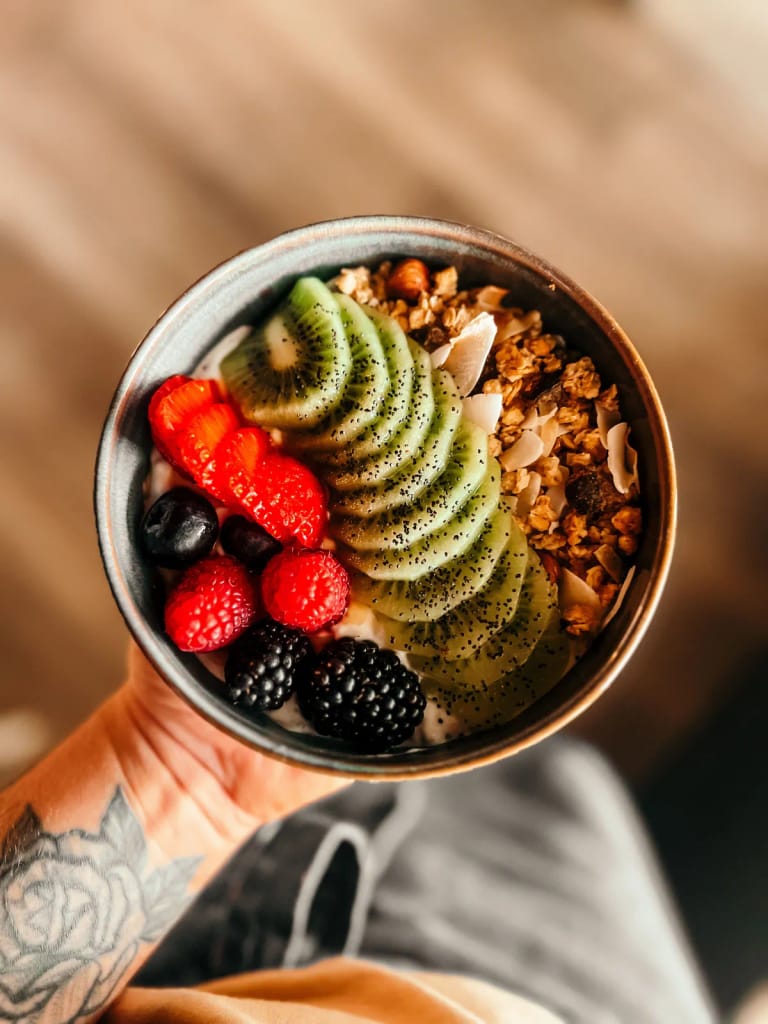
Mediterranean and DASH foods for stroke prevention
Step 1

Eat to Prevent Stroke

A Mediterranean or DASH pattern, lower in sodium, targets the biggest stroke risk factors at once.
  • Build meals on vegetables, fruit, whole grains, legumes, fish, nuts, and olive oil.
  • Cut sodium toward <2,300 mg/day (ideally 1,500 mg); read labels, cook at home.
  • Limit red and processed meat, refined carbs, and added sugar.
  • Add potassium-rich plants to help control blood pressure.
02
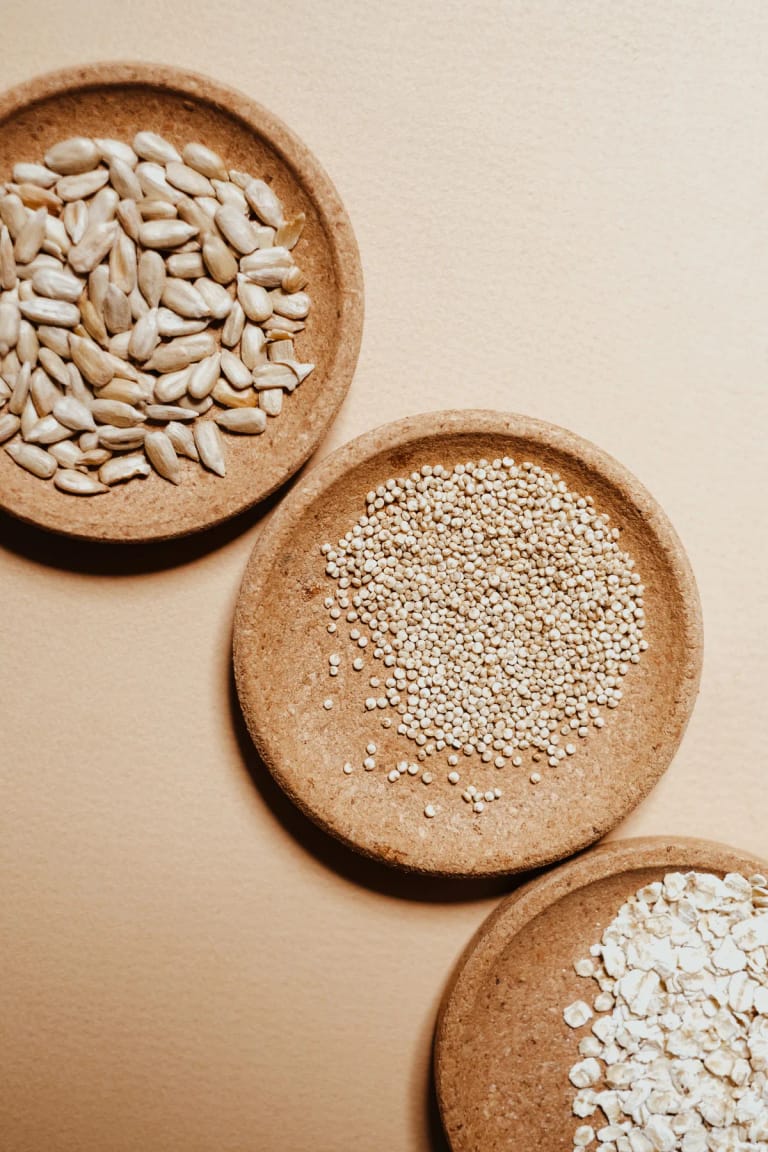
Nutritious recovery meal after stroke
Step 2

Support Recovery & Prevent Recurrence

After a stroke, nutrition fuels rehab and lowers the risk of another stroke.
  • Ensure adequate protein and calories to preserve muscle during rehab.
  • Continue the heart-healthy pattern for secondary prevention.
  • Prioritize fiber and fluids to prevent constipation with reduced mobility.
  • Take prescribed medications alongside nutrition, since they work together.
03
Step 3

Eat Safely With Dysphagia

When swallowing is impaired, modified textures keep eating safe and nourishing.
  • Follow swallowing assessment guidance before resuming normal eating.
  • Use texture-modified foods and thickened liquids as advised.
  • Eat upright, take small bites, and avoid distractions while eating.
  • Work with a speech-language pathologist and dietitian to meet needs safely.

Common Myths About Stroke & Diet

Myths vs. Facts

Myth

Strokes just happen, and there's nothing you can do.

Hover to flipTap to flip
Fact
  • The majority of strokes are preventable through managing blood pressure, diet, and lifestyle.
  • Nutrition directly influences the biggest risk factors.
Myth

Cutting salt at the table is enough to lower stroke risk.

Hover to flipTap to flip
Fact
  • About 70% of sodium comes from processed and restaurant foods, not the shaker.
  • Cooking at home and reading labels matter far more.
Myth

Once you've had a stroke, diet no longer makes a difference.

Hover to flipTap to flip
Fact
  • Nutrition is key to recovery and to preventing a second stroke.
  • A heart-healthy pattern plus medication significantly lowers recurrence risk.
Myth

After a stroke, people just need soft food and that's all there is to it.

Hover to flipTap to flip
Fact
  • Dysphagia requires proper assessment and specific texture modifications for safety.
  • Done wrong, eating risks choking and pneumonia, so it needs professional guidance.

Risk Factors

Most stroke risk factors are modifiable, and nutrition influences nearly all of them.

Key Risk Factors

High blood pressure

The single largest modifiable cause of stroke; sodium reduction and diet lower it.

High cholesterol & diabetes

Both damage blood vessels and raise stroke risk; diet improves both.

Excess weight & inactivity

Raise blood pressure and metabolic risk; weight loss and activity help.

Smoking & excess alcohol

Both independently increase stroke risk and compound other factors.

Special Clinical Care

Some groups need particular focus in stroke prevention or recovery nutrition.

People who've had a stroke or TIA

Secondary prevention is critical: sustained heart-healthy nutrition plus medication.

Stroke survivors with dysphagia

Need texture-modified diets and team support to eat safely and avoid aspiration.

Those with hypertension or diabetes

Highest-risk groups; benefit most from DASH/Mediterranean patterns and sodium reduction.

Conclusion

Stroke is a leading cause of disability, yet most strokes are preventable, and nutrition is one of the most powerful levers. Before a stroke, a Mediterranean or DASH pattern with reduced sodium targets high blood pressure and the other major risk factors at once. After a stroke, nutrition fuels recovery, helps prevent a second event, and, when swallowing is impaired, must be adapted with texture modifications for safety. Across prevention and recovery, and always alongside medical care, evidence-based nutrition protects the brain and supports the best possible outcomes.

Frequently Asked Questions

How does nutrition affect stroke risk?

Most strokes are linked to factors that diet strongly influences: high blood pressure (the single biggest risk factor), high cholesterol, diabetes, and excess weight. Eating patterns like the Mediterranean and DASH diets, along with cutting sodium, are proven to lower these risks and reduce the chance of a first or repeat stroke.

What's the best diet to prevent stroke?

The strongest evidence supports the Mediterranean and DASH dietary patterns: rich in vegetables, fruit, whole grains, legumes, nuts, fish, and olive oil, and lower in sodium, red and processed meat, and added sugar. In the PREDIMED trial, a Mediterranean diet significantly reduced major cardiovascular events including stroke. Cutting sodium toward 1,500–2,300 mg/day lowers blood pressure, the top stroke risk factor.

What is dysphagia and why does it matter after a stroke?

Dysphagia means difficulty swallowing, and it's common after a stroke because the muscles and nerves controlling swallowing can be affected. It's serious, raising the risk of choking, malnutrition, dehydration, and aspiration pneumonia (food or liquid entering the lungs). After a stroke, swallowing is assessed before eating resumes, and food and drink textures are often modified for safety.

How does nutrition support stroke recovery?

Recovery is demanding, and good nutrition supports it on several fronts: adequate protein and calories help preserve muscle and aid rehabilitation, proper hydration and fiber prevent constipation (common with reduced mobility), and continuing a heart-healthy pattern lowers the risk of another stroke. When swallowing is impaired, texture-modified diets ensure people can eat safely while still meeting their needs.

Can a healthy diet help prevent a second stroke?

Yes. Secondary prevention is crucial, since having one stroke raises the risk of another. Continuing to manage blood pressure, cholesterol, and blood sugar through a Mediterranean or DASH pattern, sodium reduction, and weight management, alongside prescribed medication, significantly lowers the risk of recurrence.

Is salt really that important for stroke?

Very. Excess sodium raises blood pressure, and high blood pressure is the leading modifiable cause of stroke. Since about 70% of dietary sodium comes from processed and restaurant foods, cutting back means cooking more at home, reading labels, and seasoning with herbs and spices rather than salt. It's one of the highest-impact dietary changes for stroke prevention.

Sources & References

AHA/ASA — Guideline for the Primary Prevention of Stroke (2024) www.ahajournals.org/doi/10.1161/STR.0000000000000475
1
PREDIMED — Mediterranean diet and cardiovascular events (NEJM) www.nejm.org/doi/full/10.1056/NEJMoa1800389
2
ASHA — Adult Dysphagia (swallowing disorders) www.asha.org/practice-portal/clinical-topics/adult-dysphagia/
4

Similar Blogs

clinical-nutrition
Cancer & Nutrition: Eating Well Through Treatment

An evidence-based overview of nutrition during cancer treatment: why protein and calories matter, managing side effects and cachexia, the truth about 'sugar feeds cancer,' and when to get support.

gut-health
Celiac Disease: A Clinical Nutrition Overview

An evidence-based overview of celiac disease: how it differs from gluten sensitivity, why a strict gluten-free diet is the only treatment, the deficiencies to watch for, and avoiding cross-contamination.

gut-health
GERD & Acid Reflux: A Clinical Nutrition Overview

An evidence-based overview of GERD and acid reflux: why weight loss, meal timing, and bed elevation beat blanket food bans, how to find your personal triggers, and when to see a doctor.

maternal-nutrition
Gestational Diabetes: A Clinical Nutrition Overview

An evidence-based overview of gestational diabetes (GDM): blood glucose targets, carbohydrate management, why most people manage with nutrition alone, and protecting both mother and baby.

clinical-nutrition
Gout & Nutrition: A Clinical Overview

An evidence-based overview of gout nutrition: the role of purines, fructose, and alcohol, why weight loss helps, the truth about cherries, and why diet supports but doesn't replace medication.

clinical-nutrition
Type 2 Diabetes: A Clinical Nutrition Overview

An evidence-based overview of type 2 diabetes nutrition: how to manage and even reverse it, the plate method, carbohydrate quality, weight-loss targets, and what the latest ADA standards recommend.

gut-health
Ulcerative Colitis: A Clinical Nutrition Overview

An evidence-based overview of ulcerative colitis nutrition: how it differs from Crohn's, eating during flares vs remission, key deficiencies, the Mediterranean diet evidence, and avoiding needless restriction.

nutrient-deficiencies
Vitamin B12 Deficiency: A Clinical Nutrition Overview

An evidence-based overview of vitamin B12 deficiency: the at-risk groups (vegans, older adults, metformin and PPI users), the serious neurological signs, food sources, and when supplements or injections are needed.

clinical-nutrition
Thyroid Health & Nutrition: A Clinical Overview

An evidence-based overview of thyroid health: how hypothyroidism and hyperthyroidism differ, the key nutrients (iodine, selenium, iron, zinc), medication timing, and what the goitrogen myth gets wrong.

clinical-nutrition
Osteoporosis & Bone Health: A Clinical Nutrition Overview

An evidence-based overview of osteoporosis: the nutrients that build and preserve bone (calcium, vitamin D, protein), why food beats supplements, and how to lower fracture risk.