Crohn’s Disease: A Clinical Nutrition Overview

Understanding inflammatory bowel disease, gastrointestinal damage, and nutrition-focused management

2025-12-01
📝1,623words
⏱️9min read
Gut Health
#Crohns Disease#Inflammatory Bowel Disease#Malabsorption#Gut Inflammation#Clinical Nutrition

Crohn’s Disease

Crohn’s disease is a chronic inflammatory bowel disease (IBD) marked by immune-mediated inflammation of the gastrointestinal tract. Unlike conditions limited to a single intestinal segment, Crohn’s disease may affect any region from the mouth to the anus and often involves the full thickness of the intestinal wall. Persistent inflammation can disrupt digestion, impair nutrient absorption, and damage intestinal tissue over time.

The condition commonly presents in adolescence or early adulthood, though it can occur at any age, and affects roughly 0.3–0.5% of people in North America and Europe. Disease activity varies, with periods of remission alternating with flares of active inflammation. Individuals may experience abdominal pain, diarrhea, fatigue, weight loss, and micronutrient deficiencies, though symptom patterns differ widely. Because inflammation often involves the small intestine, where most nutrients are absorbed, malabsorption is a frequent and serious clinical concern.

This article reviews the underlying disease mechanisms, common clinical features, the specific deficiencies to monitor, and the role of nutrition (including proven therapies like exclusive enteral nutrition) in comprehensive Crohn’s disease management.
Clinical Summary

Crohn’s Disease

Crohn’s disease is a chronic inflammatory condition of the gastrointestinal tract that disrupts digestion, absorption, and overall nutritional status.

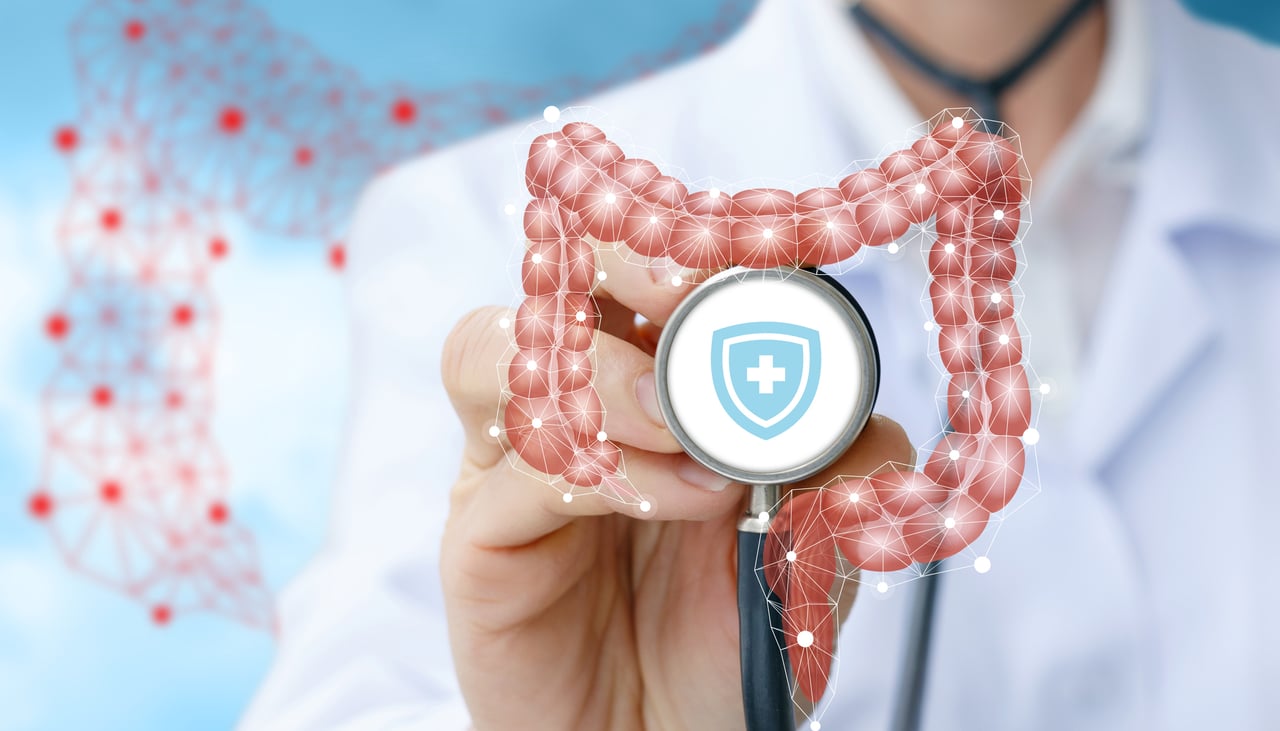
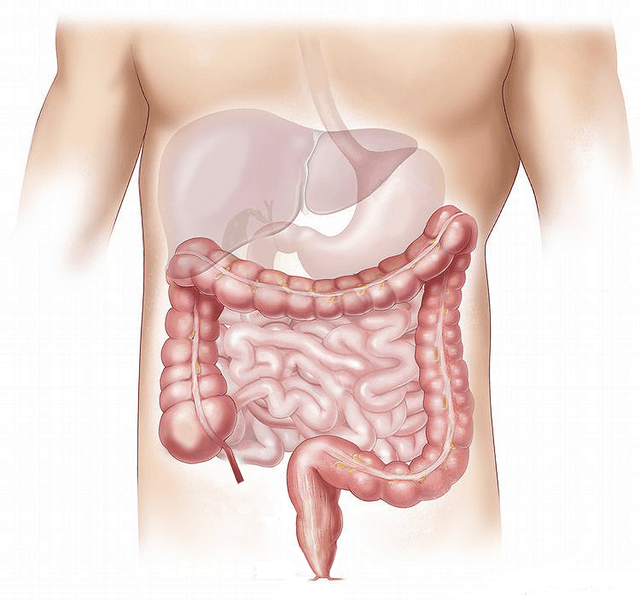
Illustration of inflamed intestinal segments

What it is

Chronic IBD

An immune-mediated disease causing relapsing, full-thickness inflammation anywhere along the GI tract, in patchy 'skip lesions'.

Why it matters

Malabsorption & deficiency

Ongoing inflammation can lead to malnutrition, iron and B12 deficiency, bone loss, and reduced quality of life.

Diet can treat it

EEN ~60–80%

Exclusive enteral nutrition can induce remission and is first-line in children. Here, diet is therapy, not just support.

What we'll cover

Mechanisms & nutrition

Disease physiology, deficiencies to monitor, flare vs remission eating, and nutrition therapies.

Pathophysiology Profile

Pathophysiology Profile

Crohn’s disease is a relapsing, full-thickness inflammatory condition. Long-term care combines medical therapy with nutrition, both to correct the deficiencies inflammation creates and, at times, to actively induce remission.

Where It Strikes

Mouth to anus

Crohn’s can affect any part of the GI tract in patchy 'skip lesions', most often the end of the small intestine (terminal ileum).

Nutrition as Therapy

EEN ~60–80%

Exclusive enteral nutrition can induce remission in 60–80% of cases and is first-line to induce remission in children.

Watch These Nutrients

Iron, B12, vit D

Malabsorption and blood loss make iron, vitamin B12, vitamin D, folate, and zinc deficiencies common and worth monitoring.

Pathophysiology, Deficiencies, and Nutrition Therapy

01

Immune-Mediated Intestinal Inflammation

Crohn’s disease arises from a dysregulated immune response to gut microbiota in genetically susceptible individuals, influenced by environmental triggers. This drives chronic activation of inflammatory pathways and tissue injury. Crucially, the inflammation is transmural: it extends through the full thickness of the bowel wall rather than just the lining. That is why it can lead to deep complications like strictures (narrowing), fistulas (abnormal tunnels), and abscesses.

Key Takeaways

  • Transmural Inflammation: Affects the full bowel-wall thickness, raising the risk of structural complications.
  • Skip Lesions: Diseased segments alternate with healthy ones anywhere from mouth to anus.
  • Altered Gut Barrier: Increased intestinal permeability and damage impair nutrient absorption.
02

Why Malabsorption Happens, and the Deficiencies It Causes

Most nutrient absorption occurs in the small intestine, the area Crohn’s most often involves. Inflammation, surgical removal of bowel segments, and chronic blood loss combine to create predictable, specific deficiencies. The location of disease predicts the problem: inflammation or surgery in the terminal ileum, for example, directly impairs vitamin B12 and bile-acid absorption, which in turn affects fat and fat-soluble vitamins.

Key Takeaways

  • Iron: Lost through bleeding and poorly absorbed during inflammation; the most common deficiency.
  • Vitamin B12: Specifically tied to terminal-ileum disease or resection; may need injections.
  • Vitamin D & calcium: Low from malabsorption and steroid use, raising osteoporosis risk.
  • Folate, zinc, magnesium: Frequently depleted during active disease and diarrhea.
03

Nutrition as Active Treatment: EEN and CDED

In Crohn’s, food is not only support. Specific dietary therapies can actively reduce inflammation. Exclusive enteral nutrition (EEN) means taking 100% of calories from a complete liquid formula for 6–8 weeks; it induces remission in roughly 60–80% of cases and is recommended as a first-line therapy to induce remission in children because it avoids steroid side effects. The Crohn’s Disease Exclusion Diet (CDED), which removes foods thought to drive inflammation while allowing whole foods, is an emerging alternative that is easier to sustain.

Key Takeaways

  • EEN: 6–8 weeks of formula-only nutrition; ~60–80% remission, first-line in children.
  • CDED: A structured whole-food exclusion diet, often paired with partial enteral nutrition.
  • Not DIY: These are medical therapies prescribed and monitored by an IBD team and dietitian.
  • General diets (e.g., specific carbohydrate diet) have weaker evidence and shouldn’t replace proven therapy.
04

Eating Through Flares vs. Remission

Day-to-day eating in Crohn’s is not one fixed diet but a strategy that shifts with disease activity. During remission, the goal is the widest, most nutrient-dense diet a person tolerates, since variety, including fiber, supports the gut microbiome and overall health. During a flare, or when a stricture causes narrowing, a temporary lower-fiber, lower-residue approach reduces pain and obstruction risk while inflammation is brought under control.

Key Takeaways

  • Remission: Eat as varied and balanced as tolerated; don’t restrict needlessly.
  • Flare: Smaller, frequent, lower-fiber, lower-fat meals are often better tolerated.
  • Strictures: Low-residue eating and well-cooked, peeled, or blended foods reduce blockage risk.
  • Hydration: Diarrhea and resection raise fluid and electrolyte needs.

Practical Strategies

Management of Crohn’s disease involves controlling inflammation, supporting nutritional adequacy, and adapting eating to disease activity in collaboration with healthcare providers.

01
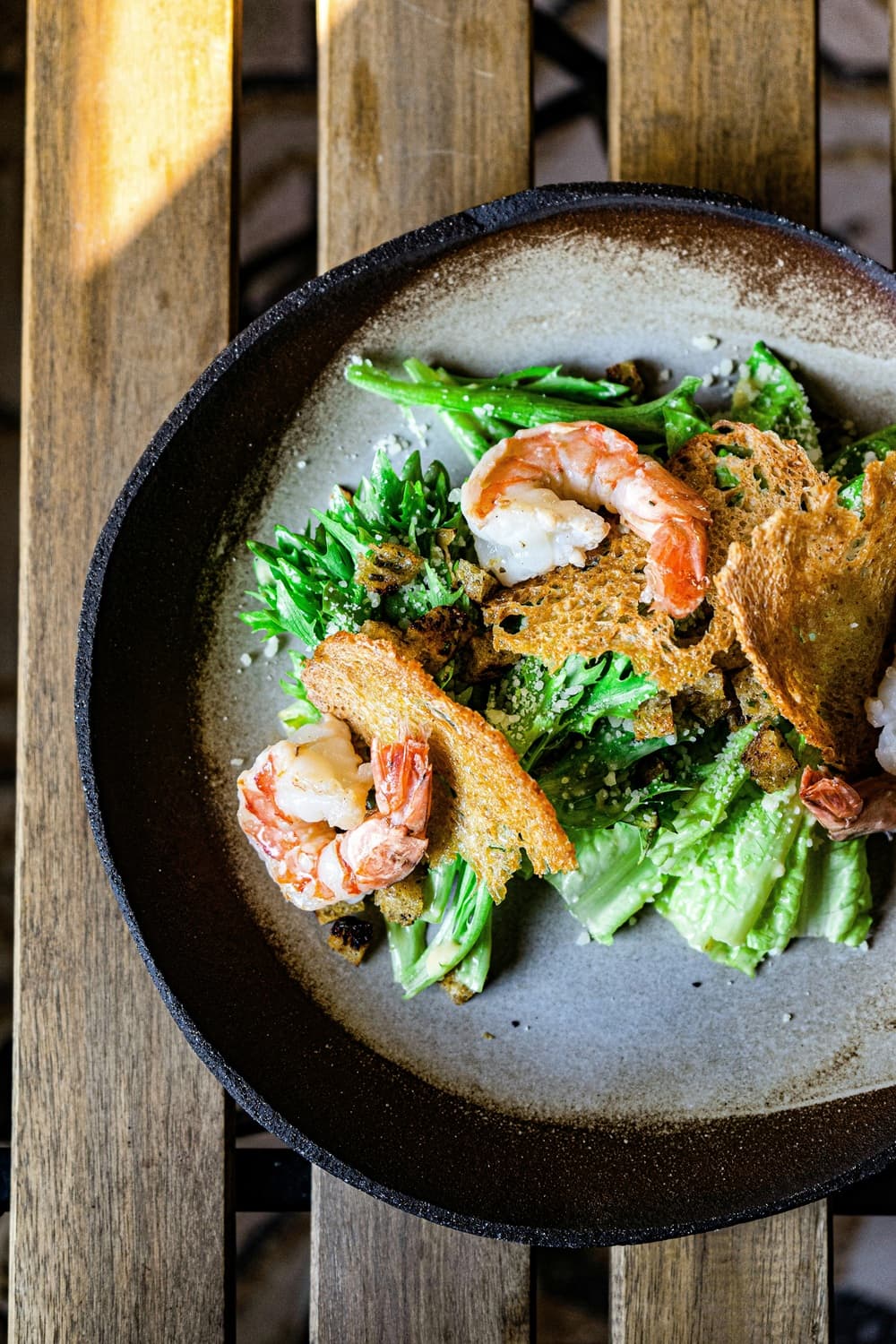
Balanced meal suitable for digestive conditions
Step 1

Match Eating to Disease Activity

There is no single Crohn’s diet. The right approach changes between remission and flares, and with disease location.
  • In remission: eat varied, nutrient-dense foods and don’t restrict without reason.
  • In a flare: try smaller, frequent, lower-fiber and lower-fat meals.
  • With a stricture: choose low-residue, well-cooked, peeled, or blended foods.
  • Keep a simple food-and-symptom log to spot personal triggers.
02
Clinical supplements
Step 2

Stay Ahead of Deficiencies

Because malabsorption is predictable, monitoring and replacing key nutrients prevents complications like anemia and bone loss.
  • Check iron, B12, folate, vitamin D, calcium, and zinc regularly.
  • Terminal-ileum disease or resection often needs B12 injections.
  • Vitamin D and calcium protect bone, especially with steroid use.
  • Use oral nutrition supplements if weight or intake is falling.
03
Step 3

Lifestyle & Monitoring

Ongoing monitoring and key lifestyle steps support remission and nutritional status.
  • Regular follow-up with gastroenterology and a dietitian.
  • Track inflammatory markers (CRP, fecal calprotectin) and nutrient labs.
  • Quit smoking, since it directly worsens Crohn’s outcomes.
  • Manage stress and prioritize sleep, which influence symptom burden.

Common Myths About Crohn’s and Diet

Myths vs. Facts

Myth

A specific food or diet caused my Crohn’s disease.

Hover to flipTap to flip
Fact
  • Crohn’s is driven by immune and genetic factors, not by eating a 'wrong' food.
  • Diet strongly influences symptoms and nutrition, but it isn’t the cause, so self-blame isn’t warranted.
Myth

People with Crohn’s should always avoid fiber.

Hover to flipTap to flip
Fact
  • Fiber is often restricted only during flares or with a stricture, not permanently.
  • In remission, a varied diet including fiber supports the gut and may be protective.
Myth

Diet is just 'support', and only drugs can treat Crohn’s.

Hover to flipTap to flip
Fact
  • Exclusive enteral nutrition can actively induce remission (~60–80%) and is first-line in children.
  • Nutrition therapy is a recognized treatment, not just an add-on.
Myth

Smoking only matters for the lungs, not the gut.

Hover to flipTap to flip
Fact
  • In Crohn’s, smoking increases flares, complications, and the need for surgery.
  • Quitting is one of the most effective lifestyle changes for the disease.

Risk Factors

Certain genetic, environmental, and clinical factors increase the likelihood or severity of Crohn’s disease.

Key Risk Factors

Family history

Genetic susceptibility increases disease risk, though most cases have no clear family link.

Smoking

The leading modifiable factor, associated with more flares, complications, and surgery.

Terminal-ileum disease or prior resection

Directly impairs B12 and bile-acid absorption, driving specific deficiencies.

Western diet & environment

Diets high in ultra-processed foods and low in fiber are linked to higher IBD incidence.

Special Clinical Care

Identifying risk factors and vulnerable groups supports early intervention and targeted nutrition care.

Children and adolescents

Growth and puberty are at risk; exclusive enteral nutrition is preferred first-line to induce remission.

Individuals with small-bowel involvement or resection

Highest risk of malabsorption, B12 deficiency, and short-bowel issues.

Pregnant individuals with Crohn’s

Need careful monitoring of nutrition and disease activity; remission before conception is ideal.

Conclusion

Crohn’s disease is a chronic inflammatory condition with wide-ranging effects on gastrointestinal function and nutritional status. Persistent, full-thickness inflammation can impair absorption, drive specific deficiencies (iron, B12, vitamin D and more), and contribute to complications over time. But nutrition is more than damage control: therapies like exclusive enteral nutrition can actively induce remission, eating can be loosened in remission and adjusted in flares, and quitting smoking meaningfully improves outcomes. Tailored to disease activity and location, and coordinated with an IBD team and dietitian, nutrition is a central pillar of living well with Crohn’s.

Frequently Asked Questions

What is the difference between Crohn’s disease and ulcerative colitis?

Both are forms of inflammatory bowel disease, but Crohn’s can affect any part of the gastrointestinal tract, from mouth to anus, in patchy 'skip lesions', and it involves the full thickness of the bowel wall. Ulcerative colitis is limited to the colon and rectum and affects only the inner lining.

Is there one 'Crohn’s diet' everyone should follow?

No. There is no single diet that works for everyone. Needs change dramatically between a flare and remission, and depend on where the disease is and whether there are strictures. Therapeutic diets like exclusive enteral nutrition or the Crohn’s Disease Exclusion Diet are used in specific situations under supervision.

Can nutrition put Crohn’s into remission?

In some cases, yes. Exclusive enteral nutrition (a complete liquid formula diet) can induce remission in roughly 60–80% of cases and is a first-line option to induce remission in children, with effectiveness comparable to steroids but without their side effects. It is used less in adults mainly because it is hard to sustain.

Which nutrient deficiencies are most common in Crohn’s?

Iron (from blood loss and inflammation), vitamin B12 (especially with disease or surgery in the last part of the small intestine, the ileum), vitamin D, folate, zinc, and calcium are the most common. Regular blood monitoring is important because deficiencies often appear before obvious symptoms.

Should I eat a high-fiber or low-fiber diet?

It depends on disease status. During remission, a varied diet including fiber is encouraged and may be protective. During a flare, and especially if you have a narrowing (stricture), a temporary low-fiber, low-residue diet reduces the risk of pain and blockage. This should be guided by your team.

Does smoking affect Crohn’s disease?

Yes, and it makes Crohn’s worse. Smokers have more flares, more complications, and more surgery. (This differs from ulcerative colitis.) Quitting smoking is one of the most effective things a person with Crohn’s can do.

Sources & References

Crohn’s & Colitis Foundation — What is Crohn’s Disease? www.crohnscolitisfoundation.org/what-is-crohns-disease
1
ESPEN Guideline on Clinical Nutrition in Inflammatory Bowel Disease (2023) www.espen.org/files/ESPEN-Guidelines/ESPEN_guideline_on_clinical_nutrition_in_inflammatory_bowel_disease.pdf
2
ACG Clinical Guideline: Management of Crohn’s Disease in Adults journals.lww.com/ajg/fulltext/2018/04000/acg_clinical_guideline__management_of_crohn_s.10.aspx
3

Similar Blogs

gut-health
Celiac Disease: A Clinical Nutrition Overview

An evidence-based overview of celiac disease: how it differs from gluten sensitivity, why a strict gluten-free diet is the only treatment, the deficiencies to watch for, and avoiding cross-contamination.

gut-health
Ulcerative Colitis: A Clinical Nutrition Overview

An evidence-based overview of ulcerative colitis nutrition: how it differs from Crohn's, eating during flares vs remission, key deficiencies, the Mediterranean diet evidence, and avoiding needless restriction.

nutrient-deficiencies
Anemia: A Clinical Nutrition Overview

An evidence-based overview of anemia, covering common causes, clinical features, diagnostic markers, iron-rich foods with absorption data, and nutrition-focused management strategies.

foundational-habits
Anti-Inflammatory Nutrition: A Clinical Overview

An evidence-based overview of anti-inflammatory nutrition: how diet influences inflammatory markers like CRP, the foods and patterns that genuinely help, and the myths (nightshades, celery juice, 'inflammatory food' lists) worth ignoring.