Meal Prep, Made Realistic
Meal prep has a reputation for tidy rows of identical containers and rigid Sunday marathons, and for a lot of people that image is exactly what makes it feel out of reach. In practice it's much simpler. Meal prep is just doing a little food preparation ahead of time so that eating well during a busy week takes less effort, and it works best when it fits your life rather than some influencer's.
Done in a realistic way, prep solves the problem that derails most healthy-eating plans: the moment you're tired, hungry, and staring at an empty fridge, when takeout becomes the easy answer. Having even a few components ready (a pot of grains, some roasted vegetables, a cooked protein) turns that moment into a quick assembly instead of a decision. That's where the savings in time, money, and stress come from.
This article covers the main styles of meal prep, how to plan a week without overcommitting, how to store food safely, and how to start small enough that the habit actually sticks.
The Core Framework
Cook Once, Eat All Week
Prep a few flexible bases ahead of time, store them safely, and assemble quick meals through the week. Start small and build the habit before you scale it up.
Key Insights
Start Small, Stay Consistent
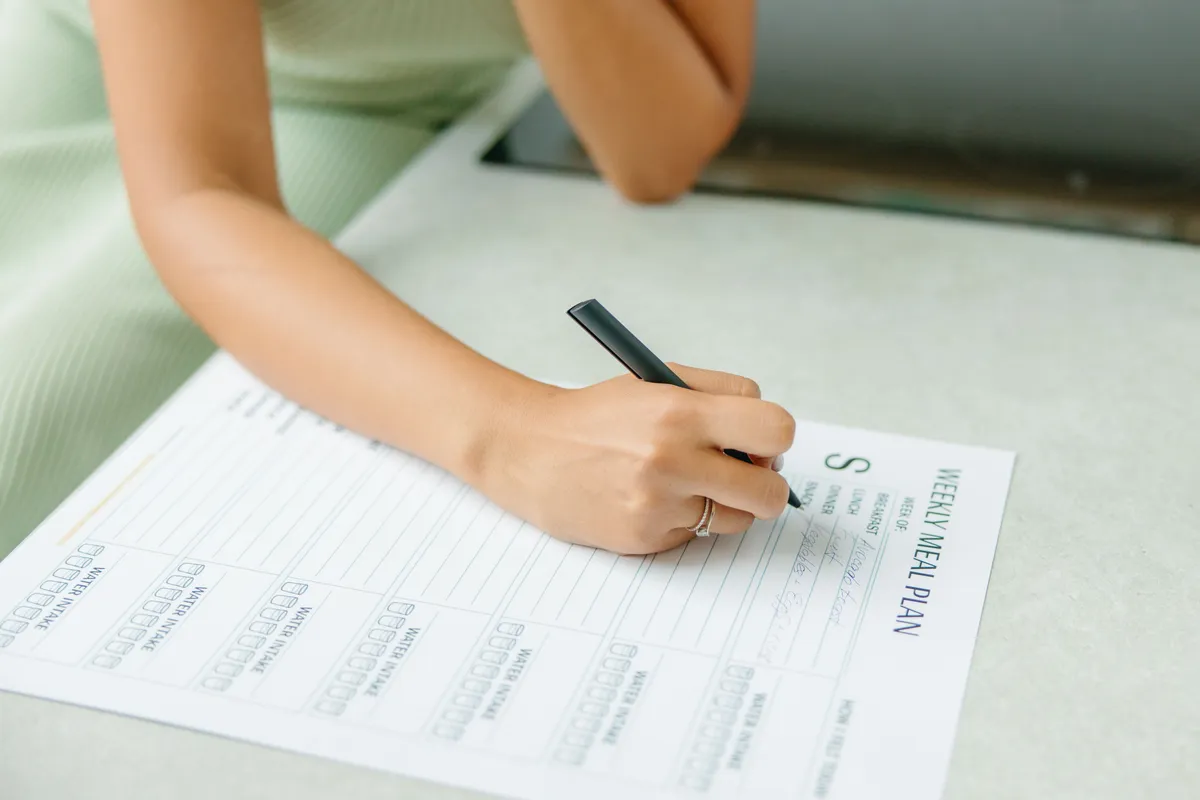
Prepping two or three meals you already know beats an ambitious seven-day plan you abandon. The habit matters more than the volume.
Build From Components
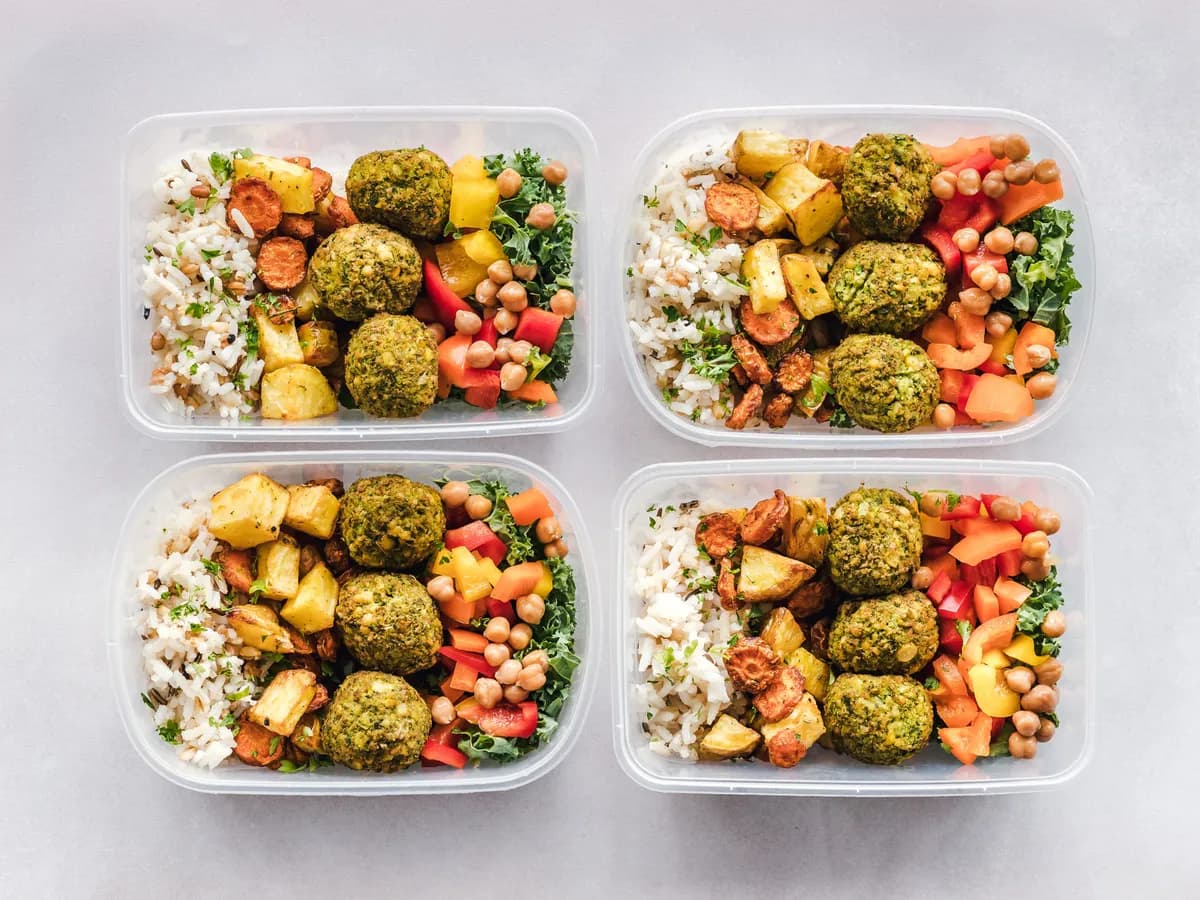
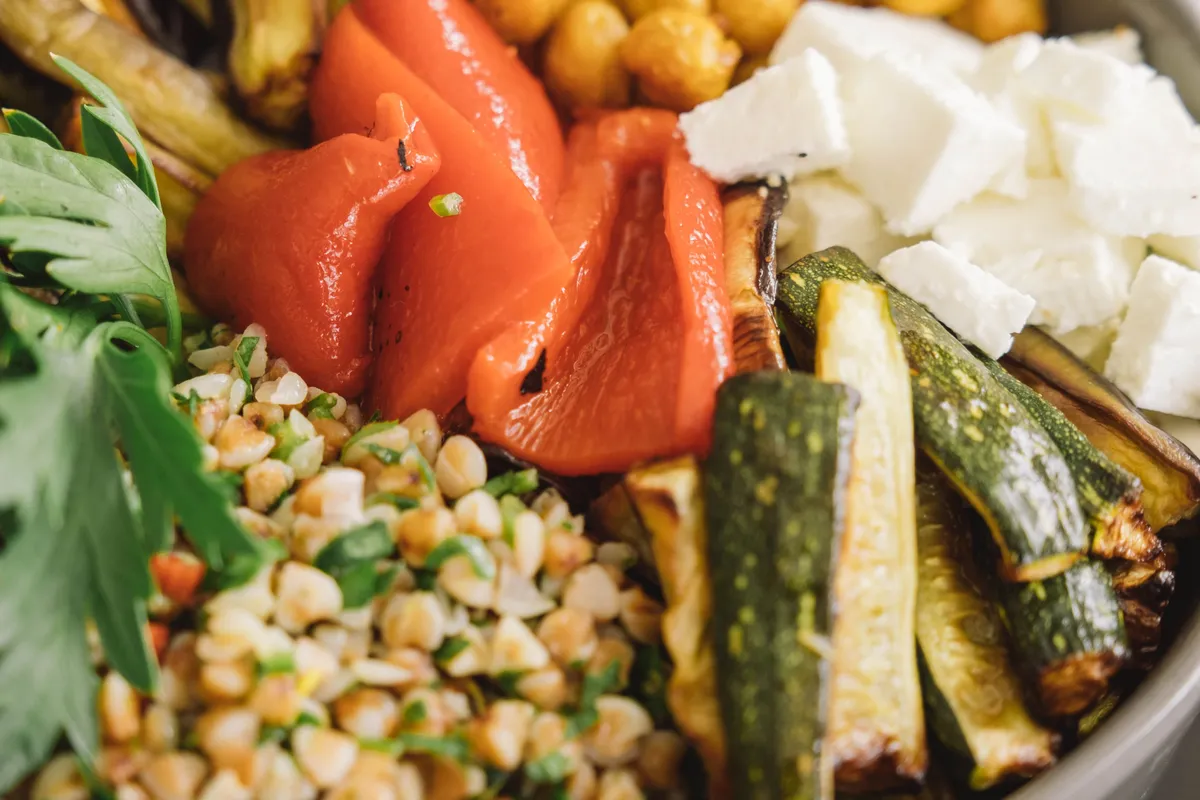
A grain, a protein, and some vegetables become many meals when you change the sauce or toppings. Variety comes from mixing, not from cooking everything separately.
Store It Safely
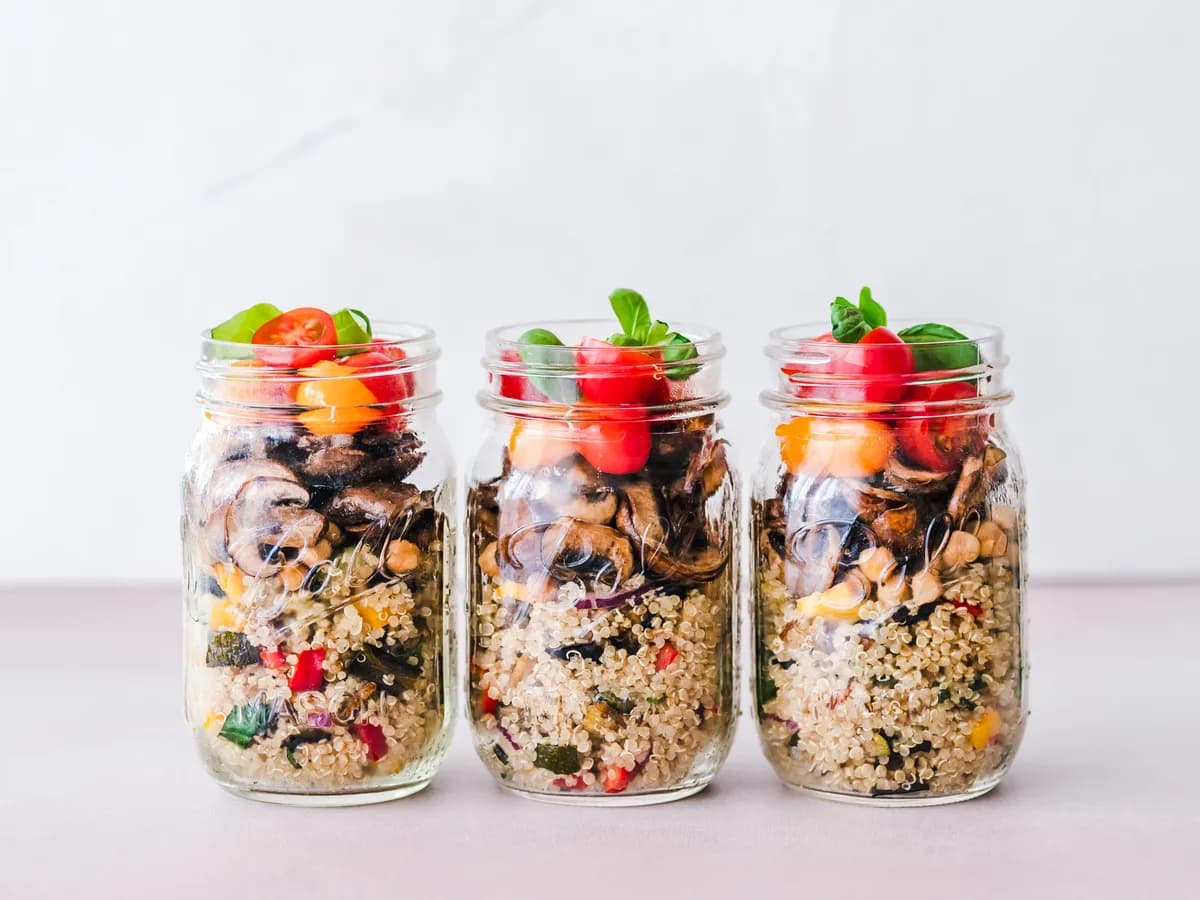
Refrigerate within two hours, keep cooked food three to four days, and reheat until steaming. Freeze anything you won't eat in that window.
Building Your First Prep
A good first meal prep is small, simple, and built from foods you already like. Here's how to put one together without overthinking it.
Plan a Light Week
- Pick just two or three meals to prep, not every meal.
- Choose recipes you already know and enjoy.
- Write a short grocery list from those recipes.
- Block one realistic prep window, even just an hour.
Cook in Batches
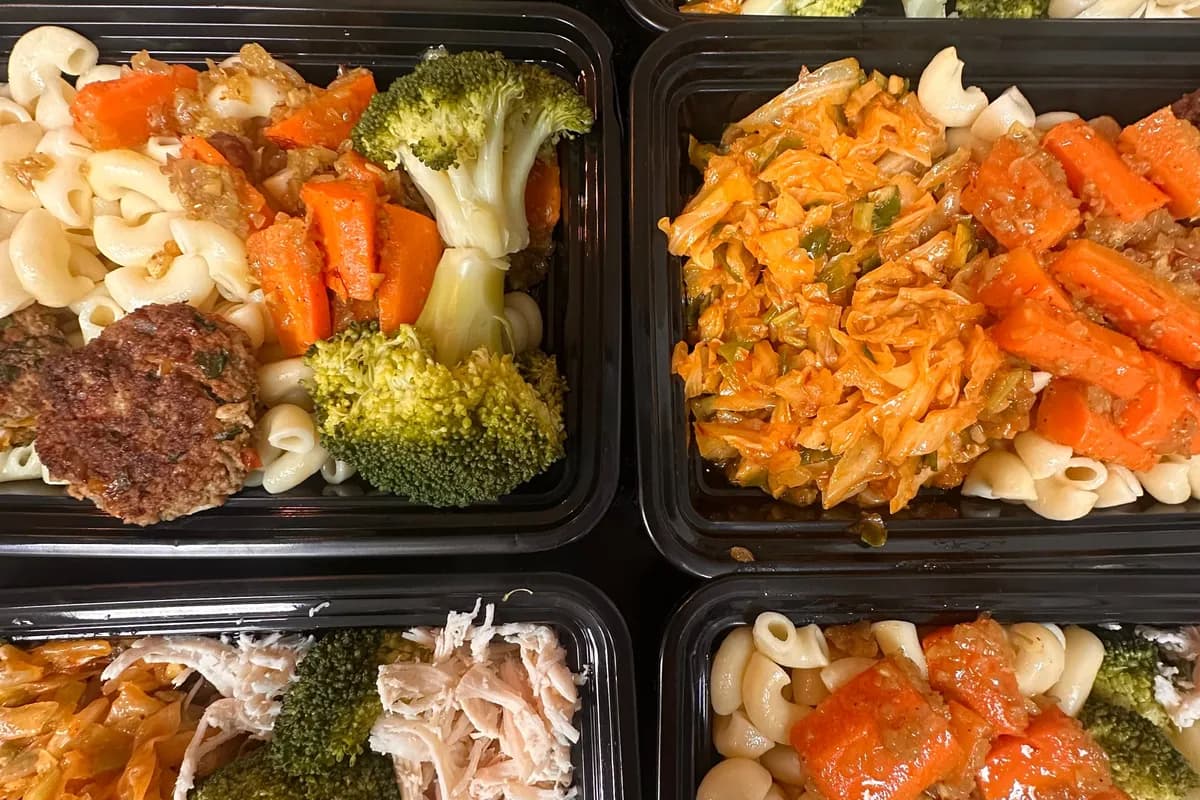
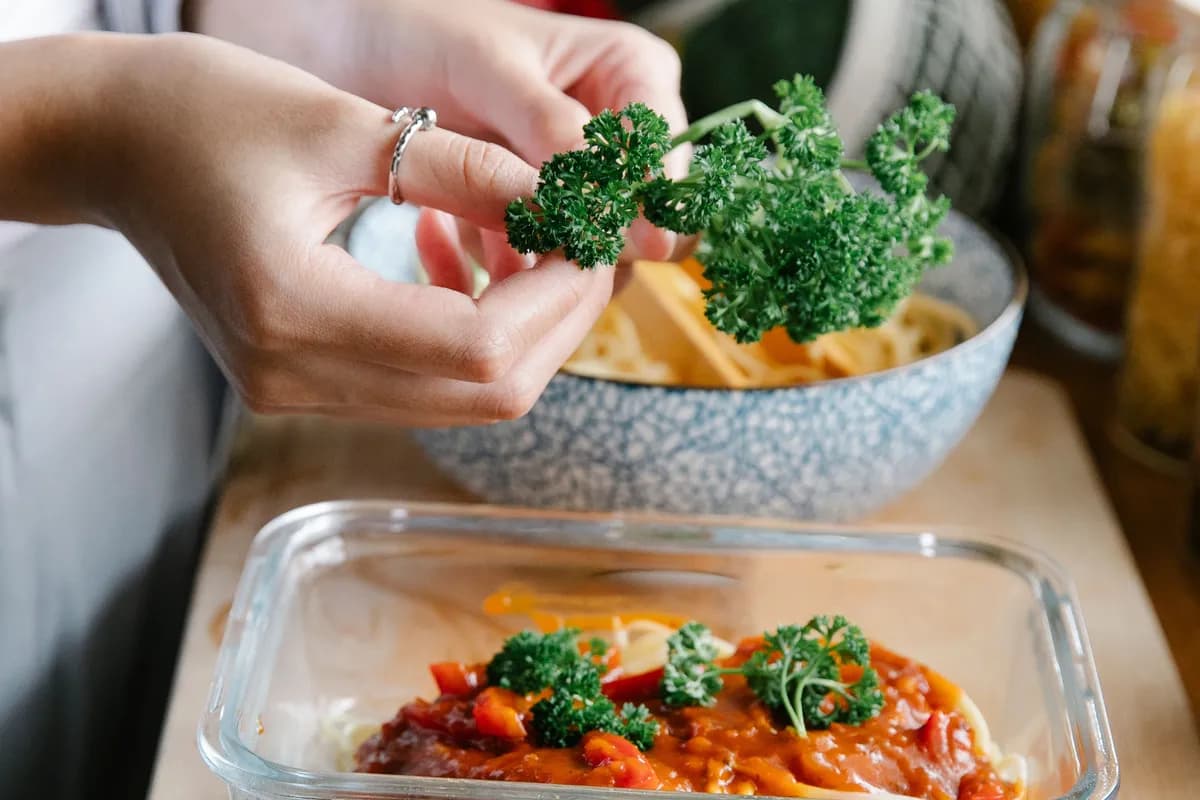
- Cook a big pot of a grain (rice, quinoa, farro).
- Roast a tray of mixed vegetables while the grain cooks.
- Prepare one or two proteins (chicken, beans, tofu, eggs).
- Make a sauce or two to vary the flavour through the week.
Store and Reheat
- Cool and refrigerate food within two hours of cooking.
- Use airtight containers; keep cooked meals three to four days.
- Freeze portions you won't eat within that window.
- Reheat until steaming hot before serving.
Why Meal Prep Works
The real power of meal prep isn't the containers; it's that it removes decisions at the exact moment your willpower is lowest. Most people don't abandon healthy eating because they lack knowledge. They abandon it at 6 p.m. on a weeknight, tired and hungry, when cooking from scratch feels impossible and ordering in feels inevitable. Prep changes that equation by moving the hard work to a calmer time, so the busy-night version of you only has to reheat and assemble.
Components Beat Fixed Meals
The most common beginner trap is treating meal prep as cooking seven identical dinners in advance, which is both a lot of work and a fast route to boredom. A more sustainable approach is to prep flexible components: a grain, a protein, and some vegetables, plus a couple of sauces. From those parts you can build a grain bowl, a wrap, a stir-fry, or a salad, and changing the sauce or toppings makes the same ingredients feel like different meals. This is how variety and minimal effort coexist.
Most healthy-eating plans don't fail in the grocery store. They fail at 6 p.m. on a tired weeknight, which is exactly the moment prep is designed to rescue.
Safety and Sustainability
A little food-safety knowledge keeps prep both safe and appealing. Cool and refrigerate cooked food within two hours, store it in airtight containers, and plan to eat it within three to four days, freezing anything beyond that. Beyond safety, prep tends to save money: planning means you buy what you'll use, batch cooking lets you buy staples cheaply, and having food ready cuts down on takeout. Start with a single small session, prove to yourself it makes the week easier, and scale up only once the habit feels natural. The goal is a system you'll actually keep, not a perfect one you'll quit.
Meal Prep Myths vs Facts
Myths vs Facts
Meal prep means eating the same boring meal every day.
- Prepping flexible components lets you vary meals with different sauces and toppings.
- A grain, a protein, and vegetables can become many different dishes.
You have to prep every meal for the whole week.
- Starting with two or three meals is more sustainable and less overwhelming.
- Even prepping a few base ingredients makes weeknight cooking much faster.
Prepped food isn't safe to eat days later.
- Cooked meals stored properly keep three to four days in the fridge.
- Refrigerate within two hours, use airtight containers, and reheat thoroughly.
Meal prep takes a whole day and special equipment.
- A useful prep can take an hour with ordinary pots and containers.
- Cooking a grain, roasting vegetables, and prepping a protein is often enough.
Resources and Tools
Evidence-based guidance on planning, prepping, and storing meals.
Official storage times and safe reheating guidance for prepped food.
Meal prep doesn't have to mean a kitchen marathon or a week of identical containers. At its most useful, it's simply shifting a bit of cooking to a calmer moment so that eating well on a busy day becomes easy. Prep a few flexible components, store them safely, and vary them with sauces and toppings through the week, and you'll find the habit saves time, money, and the daily "what's for dinner" stress. The key is to start small, two or three meals you already enjoy, and build only once it feels natural. If you'd like a plan tailored to your schedule, tastes, and goals, a dietitian can help you design one that lasts.