
Nutrition Myths Debunked

Simple, evidence-informed explanations to help you eat with confidence

2025-12-01
📝1,042words
⏱️6min read
Foundational Habits
#Healthy Eating#Meal Planning#Habit Building

Nutrition Myths Debunked

Nutrition information is everywhere, and it can feel overwhelming trying to sort out what’s fact from fiction. Between social media trends, well-meaning advice, and attention-grabbing headlines, it’s easy to adopt food rules that feel restrictive or stressful. This guide aims to bring clarity back into everyday eating, not perfection.

Many people feel frustrated when nutrition advice seems to change constantly or when one food is labelled “bad” and another “miraculous.” These messages often create guilt, confusion, and all-or-nothing thinking that make healthy habits harder to maintain. The good news is that most myths fall apart when we zoom out and focus on balanced, consistent patterns grounded in evidence.

In this article, we’ll look at a few key principles, some practical strategies, and the most common myths so you can feel more confident and calm around food.

The Core Framework
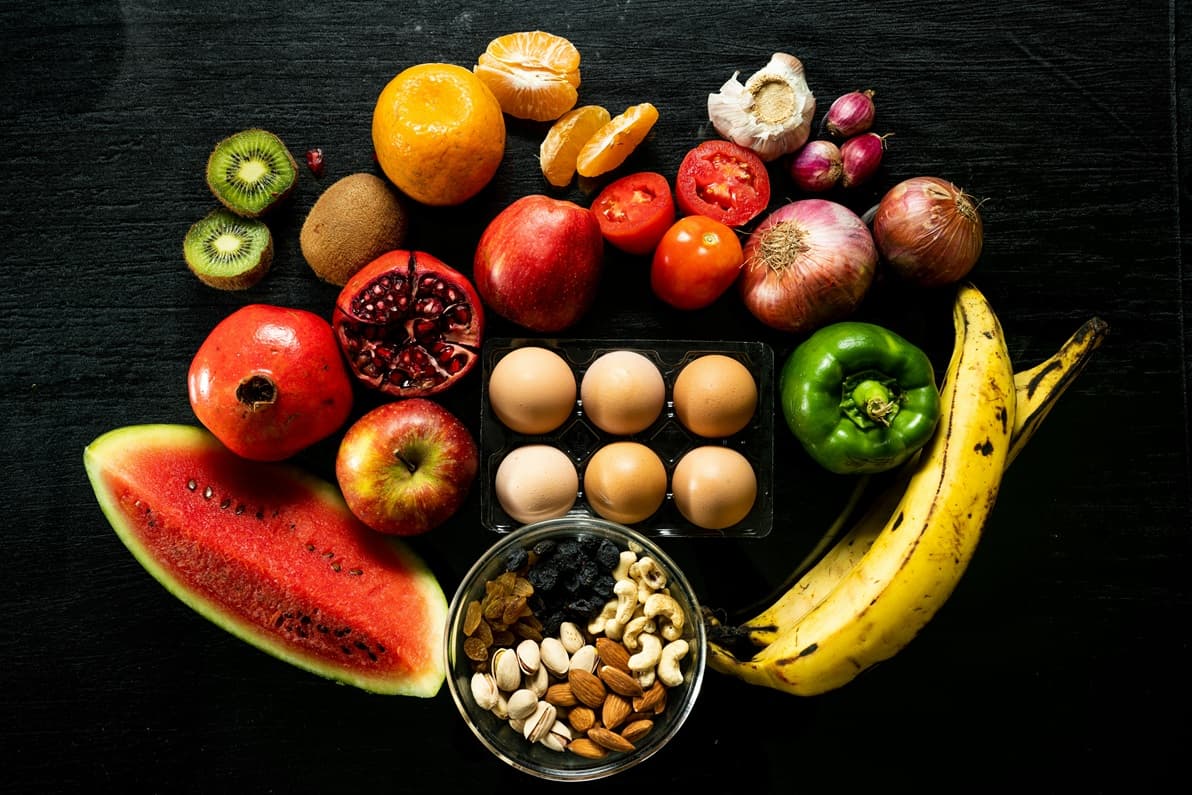
Framework illustrating balanced nutrition principles

The Balanced Nutrition Lens

A simple, grounded approach that helps you filter nutrition messages through balance, consistency, and personal well-being instead of fear or extreme rules.

Nutrition is most sustainable when it avoids rigid, all-or-nothing rules.
Foods exist on a spectrum, and variety helps meet your needs over time.
Small, steady habits usually matter more than any single food choice.

Key Insights

Balanced and comforting meal
💡

All Foods Fit in Moderation

No single food defines your diet. When you allow some flexibility, you reduce guilt and avoid the binge-and-restrict cycle.

Woman reading food labels mindfully

Trends Aren’t Always Truth

Viral nutrition claims often oversimplify complex topics. Checking sources helps you filter out noise and focus on what truly supports health.

Person making mindful food decisions
🌟

Your Needs Are Individual

A routine that works for someone else may not fit your lifestyle. Flexibility and self-awareness build habits that last.

Practical Strategies

Debunking nutrition myths becomes easier when you focus on habits that feel doable and relevant to your daily life. Flexible routines help you stay consistent while reducing the pressure to eat ‘perfectly.’

1

Getting Started

Simple steps for balanced eating
Start with gentle, approachable steps that build trust in your own judgment rather than strict food rules.
  • Swap rigid rules for guidelines like adding colour to your plate.
  • Prep a few staple foods to reduce stress on busy days.
  • Pair new habits with existing routines to make them stick.
  • Remember that imperfect days are part of the process.
2

Staying Consistent

Planning tools supporting healthy routines
Consistency comes from light structure, not rigidity. Small cues and flexible plans help habits feel more sustainable.
  • Plan flexible meals around your busiest days.
  • Use simple cues, like keeping fruit visible, to prompt supportive choices.
  • Have a ‘backup meal’ ready for weeks that don’t go as planned.
  • Check in weekly to adjust what isn’t working.
3

Adapting to Real Life

Life changes, and your habits can change with it. Flexibility prevents guilt and supports ongoing progress.
  • Choose simpler meals or snacks during low-energy days.
  • Challenge all-or-nothing thinking by focusing on the next supportive choice.
  • Trust that gradual changes still create meaningful results.
  • Revisit your goals regularly to ensure they still fit your season of life.

A Gentle Reminder

Progress Over Perfection

Nutrition is not about chasing rules. It’s about building habits that help you feel your best.

This reminder helps soften the pressure to make every meal perfect. When you shift your focus toward habits that support how you want to feel (energized, nourished, steady), myths lose their grip. Evidence, intuition, and lived experience all work together to guide your choices.

Flexibility Supports Consistency

Your experience matters. Consistency comes from light structure, not rigidity. Small cues and flexible plans help habits feel more sustainable.

Common Myths and Gentle Facts

Common Myths and Gentle Facts

Myth

Carbs are bad and you should avoid them to be healthy.

Hover to flipTap to flip
Fact
  • Carbohydrates are the body’s main energy source, and whole grains, fruit, and legumes bring fibre and nutrients with them.
  • The issue is rarely carbs themselves, but the amount of refined and sugary ones, so quality matters more than cutting the whole group.
Myth

Eating late at night causes weight gain.

Hover to flipTap to flip
Fact
  • Your body doesn’t ‘shut down’ at a certain hour; what you eat across the whole day matters more than the clock.
  • Late-night gain usually comes from extra mindless snacking, not the timing itself.
Myth

Fresh produce is always healthier than frozen.

Hover to flipTap to flip
Fact
  • Frozen fruit and vegetables are often picked and frozen at peak ripeness, locking in nutrients.
  • They can be just as nutritious as fresh, and they’re kinder to your budget and your time.
Myth

One dessert or ‘bad’ meal ruins your progress.

Hover to flipTap to flip
Fact
  • A single meal doesn’t define your overall pattern any more than one healthy salad makes a diet.
  • Enjoying a treat and carrying on with your usual habits is exactly how a sustainable approach works.
Myth

You need a perfect plan before you can start eating better.

Hover to flipTap to flip
Fact
  • Waiting for perfect is what keeps most people stuck; one small habit beats an unstarted master plan.
  • Adding a vegetable to tonight’s dinner counts as a real, useful first step.
Myth

Snacking is always a bad habit.

Hover to flipTap to flip
Fact
  • Balanced snacks can steady energy and prevent the overeating that comes with arriving at a meal too hungry.
  • Pairing a protein or fibre with the snack (fruit and nuts, yogurt, veg and hummus) makes it genuinely supportive.

Resources and Tools

A

MyFitnessPal (for Awareness)

App

Helpful for noticing patterns, not for chasing perfection. Use it to build awareness, not strict tracking.

W

The Nutrition Source

Website

A trustworthy, evidence-based resource that explains nutrition clearly without diet-culture messaging.

B

Gentle Nutrition by Evelyn Tribole

Book

This book explores flexible, compassionate nutrition habits rooted in well-being rather than restrictive rules.

Conclusion

Nutrition myths add stress to something that doesn’t need to be stressful. Once you can spot the common ones, eating gets calmer: carbs aren’t the enemy, one dessert doesn’t undo a week, and frozen vegetables are still vegetables. Focus on balanced, steady habits that fit your real life rather than chasing perfect rules, and if the noise ever feels like too much, a dietitian can help you sort signal from trend.


Frequently Asked Questions

Are nutrition myths harmful?

Myths often create confusion, guilt, or unnecessary food rules. Clearing them up helps you make choices with confidence and flexibility, rather than stress.

Why are nutrition myths so popular?

They spread quickly because they offer simple answers to complex topics. Evidence-based habits are usually more balanced, but less flashy.

How can I know if a nutrition claim is reliable?

Look for information supported by registered dietitians, reputable health organizations, or scientific research. When in doubt, ask a qualified professional.

Sources & References

Academy of Nutrition and Dietetics — Eat Right www.eatright.org/health/wellness
1
Harvard T.H. Chan School of Public Health — The Nutrition Source www.hsph.harvard.edu/nutritionsource/
2

Similar Blogs

clinical-nutrition
Cancer & Nutrition: Eating Well Through Treatment

An evidence-based overview of nutrition during cancer treatment: why protein and calories matter, managing side effects and cachexia, the truth about 'sugar feeds cancer,' and when to get support.

gut-health
Celiac Disease: A Clinical Nutrition Overview

An evidence-based overview of celiac disease: how it differs from gluten sensitivity, why a strict gluten-free diet is the only treatment, the deficiencies to watch for, and avoiding cross-contamination.

gut-health
GERD & Acid Reflux: A Clinical Nutrition Overview

An evidence-based overview of GERD and acid reflux: why weight loss, meal timing, and bed elevation beat blanket food bans, how to find your personal triggers, and when to see a doctor.

maternal-nutrition
Gestational Diabetes: A Clinical Nutrition Overview

An evidence-based overview of gestational diabetes (GDM): blood glucose targets, carbohydrate management, why most people manage with nutrition alone, and protecting both mother and baby.

clinical-nutrition
Gout & Nutrition: A Clinical Overview

An evidence-based overview of gout nutrition: the role of purines, fructose, and alcohol, why weight loss helps, the truth about cherries, and why diet supports but doesn't replace medication.

womens-health
Menopause & Nutrition: A Clinical Overview

An evidence-based overview of nutrition through menopause: why protein and bone matter more, the truth about soy and hot flashes, managing midlife weight gain, and protecting long-term heart and bone health.

heart-health
Stroke & Nutrition: Prevention and Recovery

An evidence-based overview of nutrition for stroke: the dietary patterns and sodium targets that cut risk, plus how nutrition supports recovery, including dysphagia (swallowing difficulty).

clinical-nutrition
Type 2 Diabetes: A Clinical Nutrition Overview

An evidence-based overview of type 2 diabetes nutrition: how to manage and even reverse it, the plate method, carbohydrate quality, weight-loss targets, and what the latest ADA standards recommend.

gut-health
Ulcerative Colitis: A Clinical Nutrition Overview

An evidence-based overview of ulcerative colitis nutrition: how it differs from Crohn's, eating during flares vs remission, key deficiencies, the Mediterranean diet evidence, and avoiding needless restriction.

nutrient-deficiencies
Vitamin B12 Deficiency: A Clinical Nutrition Overview

An evidence-based overview of vitamin B12 deficiency: the at-risk groups (vegans, older adults, metformin and PPI users), the serious neurological signs, food sources, and when supplements or injections are needed.

heart-health
Hyperlipidemia: Nutrition Strategies for Cholesterol Management

An overview of hyperlipidemia: what the lipid numbers mean, the diet changes that actually lower LDL (soluble fiber, plant sterols, swapping saturated fats), and how much each can move the needle.

foundational-habits
Healthy Eating in Restaurants

Eating out can fit into a healthy lifestyle. Learn practical, flexible strategies to make confident choices at restaurants without guilt or perfectionism.

heart-health
Heart Failure and Nutrition

An evidence-based overview of heart failure: the physiology, the sodium and fluid targets that ease congestion, and why protecting muscle matters as much as cutting salt.

foundational-habits
Detox Diets: What Actually Helps Your Body

Detox diets promise quick resets, but your body already has built-in detox systems. Learn what truly supports them through everyday habits.

nutrient-deficiencies
Anemia: A Clinical Nutrition Overview

An evidence-based overview of anemia, covering common causes, clinical features, diagnostic markers, iron-rich foods with absorption data, and nutrition-focused management strategies.

foundational-habits
Anti-Inflammatory Nutrition: A Clinical Overview

An evidence-based overview of anti-inflammatory nutrition: how diet influences inflammatory markers like CRP, the foods and patterns that genuinely help, and the myths (nightshades, celery juice, 'inflammatory food' lists) worth ignoring.

clinical-nutrition
Cirrhosis: A Clinical Nutrition Overview

An evidence-based overview of cirrhosis, covering liver function decline, complications, and the nutrition targets that protect muscle: energy, protein, the late-evening snack, sodium, and vitamins.

gut-health
Crohn’s Disease: A Clinical Nutrition Overview

An evidence-based overview of Crohn’s disease: how inflammation drives malabsorption, the specific deficiencies to watch, and proven nutrition therapies like exclusive enteral nutrition.

maternal-nutrition
Endometriosis: A Clinical Nutrition Overview

An evidence-based overview of endometriosis: the inflammation and estrogen drivers, the gut-and-hormone connection, and specific nutrition strategies (omega-3s, fiber, fat quality) that may ease symptoms.

meal-planning-prep
Meal Planning for Busy Families

A practical guide to help busy families simplify meal planning with flexible routines, quick strategies, and supportive habits that make weeknight meals easier.

maternal-nutrition
Vitamin D and Pregnancy: A Clinical Nutrition Overview

An evidence-based overview of vitamin D in pregnancy: maternal and fetal benefits, the 2024 guideline shift toward supplementation, realistic dosing, food sources, and who's most at risk of deficiency.

clinical-nutrition
Prediabetes & Insulin Resistance: A Clinical Nutrition Overview

An evidence-based overview of prediabetes and insulin resistance: the diagnostic numbers, why it's reversible, and the specific nutrition and lifestyle strategies proven to cut diabetes risk by up to 58%.

healthy-living
Reasons to Shop Seasonally

A lifestyle-friendly guide to seasonal shopping: why it can taste better, feel lighter on your budget, and bring more variety and ease to everyday meals.

clinical-nutrition
Thyroid Health & Nutrition: A Clinical Overview

An evidence-based overview of thyroid health: how hypothyroidism and hyperthyroidism differ, the key nutrients (iodine, selenium, iron, zinc), medication timing, and what the goitrogen myth gets wrong.

healthy-living
Impact of Rising Food Prices on Canadians’ Healthcare

Understand how rising food prices influence Canadians' eating habits, stress levels, and long-term healthcare outcomes, plus practical strategies to stay nourished on a budget.

gut-health
Irritable Bowel Syndrome (IBS): A Clinical Nutrition Overview

A clinically grounded overview of IBS: how it's diagnosed (Rome IV), why symptoms happen, and the specific nutrition strategies, including the 3-phase low-FODMAP diet, that reduce symptoms.

womens-health
PCOS (Now PMOS) and Nutrition: A Clinical Overview

An evidence-based overview of PCOS (recently renamed PMOS) covering the updated diagnosis, why insulin resistance is central, and the specific nutrition strategies that improve hormones, cycles, and metabolic health.

dietary-strategies
The Ketogenic Diet: A Clinical Nutrition Overview

An evidence-based overview of the ketogenic diet: how ketosis works, what the research shows for weight loss and type 2 diabetes, the real risks, and why sustainability is the catch.

clinical-nutrition
Osteoporosis & Bone Health: A Clinical Nutrition Overview

An evidence-based overview of osteoporosis: the nutrients that build and preserve bone (calcium, vitamin D, protein), why food beats supplements, and how to lower fracture risk.

brain-mental-health
Nutrition & Brain Health: A Clinical Overview

An evidence-based overview of nutrition and brain health: the nutrients tied to mood and cognition, the MIND and Mediterranean diets, and how eating patterns may protect against cognitive decline.

heart-health
Hypertension: A Clinical Nutrition Overview

An evidence-based overview of hypertension (high blood pressure): updated 2025 thresholds, why it's the 'silent killer,' and the specific nutrition strategies (DASH, sodium, potassium) that lower it.

gut-health
Pancreatitis: A Clinical Nutrition Overview

An evidence-based overview of pancreatitis: acute vs chronic, why early feeding now replaces 'pancreatic rest,' enzyme replacement and fat-soluble vitamins, and how nutrition protects the pancreas.

clinical-nutrition
MASLD (Formerly NAFLD): A Clinical Nutrition Overview

An evidence-based overview of metabolic dysfunction-associated steatotic liver disease (MASLD, formerly NAFLD): the new diagnosis, why it's so nutrition-responsive, and the specific strategies that reduce liver fat.

clinical-nutrition
Kidney Health: A Clinical Nutrition Overview

An evidence-based overview of kidney health: how the kidneys work, the stages of chronic kidney disease, kidney stones and oxalate, and the specific nutrition strategies that protect them.

gut-health
Nutrition for Gut Health: A Clinical Overview

An evidence-based overview of nutrition for gut health: how fiber and plant diversity feed the microbiome, what probiotics and fermented foods actually do, and strategies for common digestive concerns.

healthy-living
Nutrition for Immune Health: A Clinical Overview

An evidence-based overview of nutrition and immunity: the micronutrients that matter most, the gut-immune connection, why no single food 'boosts' immunity, and what actually supports your defenses.

healthy-living
Supplements: What Works and What Doesn't

An evidence-based overview of dietary supplements: who actually needs them, which have strong evidence, which are overhyped, which can harm, and how to choose safe, effective products.