Reasons to Shop Seasonally
Have you ever walked into the produce aisle and felt overwhelmed by choice, prices, or simply not knowing what’s actually “good” right now? Seasonal shopping offers a gentle way to simplify all of that. Instead of trying to buy everything, you lean into what’s already in season, which often means better flavour, more variety over the year, and less pressure to overthink every choice.
Of course, it’s not always easy. Busy schedules, picky eaters, tight budgets, and limited access to fresh markets can make seasonal eating feel like a nice idea that belongs on Pinterest, not in real life. You might also wonder whether it really makes a difference or how to start without turning your kitchen upside down.
This article explores what seasonal shopping actually means, why it can support your everyday life, and how to use simple strategies to make seasonal eating flexible, affordable, and realistic.
⚕ Key Takeaways
- Shopping seasonally usually means choosing fruits and vegetables that are naturally abundant at that time of year, which often leads to better taste and variety over the whole year.
- Focusing on what is in season can reduce decision fatigue in the grocery store and make meal planning feel simpler and more inspiring.
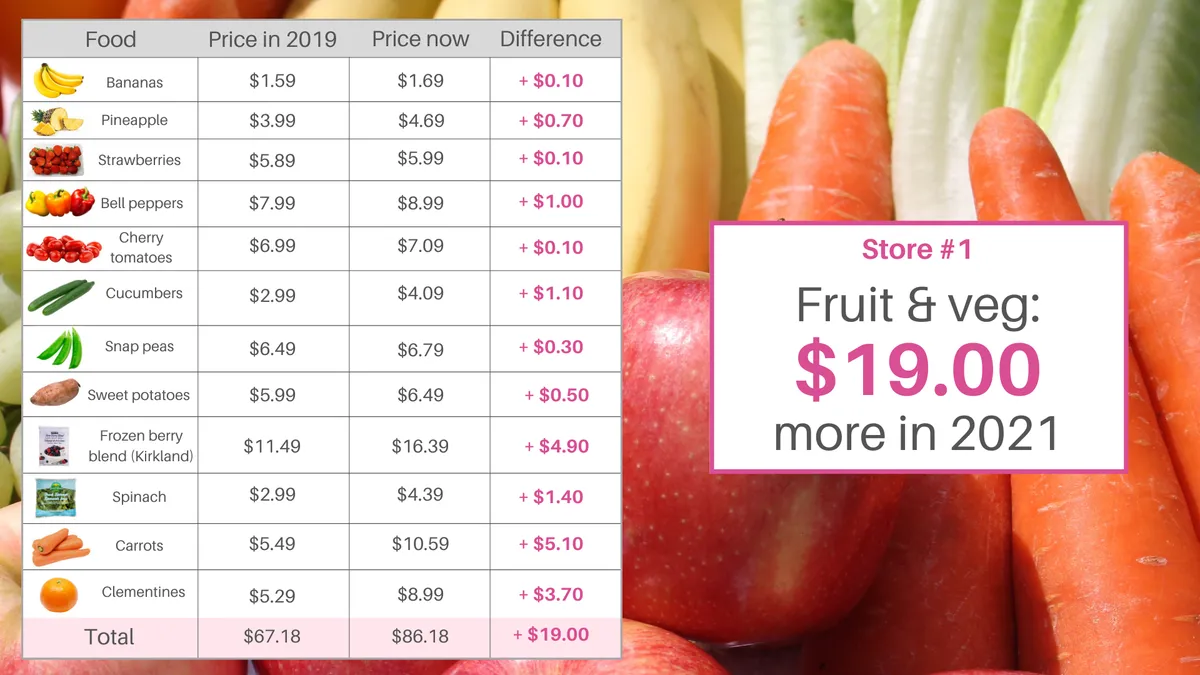
- Seasonal items are often more budget-friendly because they don’t rely as heavily on long-distance transport or greenhouse growing.
- You don’t have to be perfect. Using a mix of seasonal fresh produce, frozen options, and pantry staples is still considered seasonal-friendly eating.
- Small changes, like choosing one seasonal item each week or building a favourite ‘seasonal swap’ into your routine, can add up to more enjoyment and less stress over time.
Overview
What this is about
Shopping seasonally means choosing foods, especially fruits and vegetables, that are naturally grown and harvested at a particular time of year in your region or nearby areas.
Why it matters day to day
This way of shopping can make meals feel fresher, more flavourful, and easier to plan around, while often being gentler on your budget and more aligned with your local environment.
Common challenges
Many people feel confused by global supply, year-round options, changing prices, and limited time to figure out what’s actually in season, leading to decision fatigue or the same meals on repeat.
What you'll learn
You’ll learn the main benefits of seasonal shopping, how it fits into real-life routines and different seasons, and practical strategies to start or expand this habit without needing a perfect plan.
Understanding the Everyday Context
How Seasonal Shopping Shows Up in Everyday Life
Seasonal shopping doesn’t have to look like a picture-perfect basket at a farmer’s market. In real life, it might simply mean noticing that strawberries are suddenly on sale and extra sweet, or that hearty root vegetables are everywhere in the fall and winter. Over time, you might find yourself rotating favourites with the seasons (berries and leafy greens in warmer months, squash and citrus in cooler months) without needing a strict rulebook.
Mindset and Expectations
All-or-nothing thinking can make seasonal eating feel intimidating: “If I can’t buy everything local and seasonal, why bother?” In reality, even one seasonal choice per shop is meaningful. A more flexible mindset sounds like: “I’ll pick one or two in-season items and build a couple of meals around them.” This lowers pressure and leaves space for exploration.
From Perfection to Exploration
Treat seasonal shopping as a gentle experiment rather than a test to pass. Each season is a chance to discover what works for your taste, schedule, and budget, not a requirement to follow rigid rules.
Social and Environmental Factors
Your ability to shop seasonally is shaped by where you live, how you get to the store, and the time and energy you have. Urban environments tend to rely more on grocery chains, while some suburban or rural areas have easier access to farm stands or markets. Family schedules, shift work, and kids’ activities can limit how often you shop. Instead of seeing these as failures, it helps to view them as real constraints and to build seasonal habits around them.
Navigating Different Seasons and Busy Periods
Some seasons of life feel busier than others. Seasonal shopping may look less like browsing and more like grabbing a few dependable items that happen to be in season and on sale. It can also mean leaning on simple recipes your household already enjoys instead of reinventing meals each week.
Practical Context Examples
A hectic winter week might mean picking up carrots, onions, and potatoes for soups and sheet-pan meals. Summer might bring tomatoes and cucumbers for quick salads and sandwiches. During spring or fall, frozen vegetables and canned tomatoes can help bridge gaps.
Flexible, Not Fancy
Seasonal shopping works best when it serves your real life. Familiar meals with small seasonal tweaks are far more sustainable, and satisfying, than complicated menus.
Practical Strategies
You don’t need to overhaul your entire way of eating to benefit from seasonal shopping. Adding one or two simple habits, like checking store flyers, planning a couple of flexible recipes, and using frozen produce, can make seasonal eating both easy and enjoyable.
Getting Started

- Look for store sales or signs featuring seasonal items.
- Choose one seasonal fruit or vegetable each week and build one meal around it.
- Pair new seasonal foods with familiar ingredients your household already enjoys.
- Keep expectations low-pressure: some weeks will be more seasonal than others.
Staying Consistent

- Create a list of go-to meals for each season (e.g., summer salads, winter soups).
- Use small cues, like a reminder on your phone, to check what's in season.
- On busy weeks, limit yourself to one seasonal item rather than a full menu.
- Review your use of seasonal items weekly and adjust your plan as needed.
Adapting to Real Life
- Use frozen veggies or pre-chopped produce on low-energy days.
- Challenge perfection by reminding yourself that even small seasonal swaps count.
- Repeat seasonal meals that work well instead of chasing novelty.
- Adjust goals during busy seasons. Sometimes preventing waste is the real win.
Seasonal shopping works best when treated as a flexible framework. Paying attention to what’s in season, planning a few simple meals, and allowing room for frozen or pantry options makes everyday eating more flavourful, budget-friendly, and enjoyable.
Seasonal Eating on Your Terms
Seasonal shopping looks different for everyone. Some people visit markets regularly, while others rely solely on nearby grocery stores or online delivery. Work schedules, mobility, and family responsibilities all shape what’s realistic.
Your seasonal approach might include occasional market visits, relying on frozen produce, or buying extra in-season items to freeze for later. All versions are valid.
A Simple Seasonal Reminder

“Eating with the seasons isn’t about perfection. It’s about letting nature do some of the planning for you.”
Treating seasonal eating as a flexible guideline rather than a strict rule makes it more realistic and enjoyable. The seasons naturally create variety, so you can repeat simple meals and add small twists instead of trying to reinvent everything each week.
Supporting Ideas
- Seasonal foods simplify decisions rather than complicate them.
- Repeating favourite seasonal meals is completely valid.
- Even one seasonal swap a week adds freshness and enjoyment.
Seasonal Strategies at a Glance
Weekday Seasonal Swaps
On busy weekdays, use small seasonal swaps, like adding in-season vegetables to stir-fries or choosing a seasonal fruit for snacks. These small routines keep things easy.
Weekend Seasonal Experiments
On weekends, try new seasonal recipes, visit a market, or batch-cook soups with seasonal produce. These low-pressure experiments build skills and variety.

Key Things to Remember
- Seasonal habits should support your real routine.
- Busy weeks call for simple swaps; calmer weeks allow experimentation.
- Seasonal habits can shift year to year, and that’s normal.

Weekday Seasonal Swaps
On busy weekdays, use small seasonal swaps, like adding in-season vegetables to stir-fries or choosing a seasonal fruit for snacks. These small routines keep things easy.
Weekend Seasonal Experiments
On weekends, try new seasonal recipes, visit a market, or batch-cook soups with seasonal produce. These low-pressure experiments build skills and variety.
Key Things to Remember
- Seasonal habits should support your real routine.
- Busy weeks call for simple swaps; calmer weeks allow experimentation.
- Seasonal habits can shift year to year, and that’s normal.
Sticky Notes for Real-Life Seasonal Shopping
“I don’t have time to research what’s in season every week.”
- Start by noticing store flyers or signs that highlight seasonal sales.
- Keep a short seasonal list on your phone to reuse each year.
“My family is picky, so seasonal eating will lead to wasted food.”
- Introduce new seasonal foods slowly and pair them with familiar meals.
- Buy small amounts at first and repeat what’s well received.
“Seasonal shopping sounds expensive.”
- Focus on abundant, on-sale produce and pair it with pantry basics.
- Use frozen produce during off-seasons to reduce cost and waste.
A Simple Seasonal Shopping Framework
The “Notice, Repeat, Adapt” Approach
This framework helps you notice what’s in season, repeat what works, and adapt using frozen or pantry ingredients when needed, making seasonal eating both flexible and sustainable.
Notice
1–2 seasonal items
Each week, simply notice what’s affordable and in abundance.
Repeat
Go-to seasonal meals
Reuse favourite meals throughout the season to save time and energy.
Adapt
Frozen & pantry
Use frozen vegetables and pantry staples to support seasonal eating when life gets busy.
Step-by-Step: Bringing Seasonal Shopping into Your Routine
Step 1: Pick One Seasonal Focus
Add your first strategy content here.
Step 2: Anchor a Simple Meal
Add your second strategy content here.
Step 3: Reflect and Adjust
Add your third strategy content here.
Myths and Facts About Seasonal Shopping
“You have to shop only at markets to eat seasonally.”
- Grocery stores carry seasonal items too.
- Seasonal eating is about what works for your life, not strict rules.
“Seasonal shopping is more expensive.”
- In-season items are often cheaper because they’re more abundant.
- Pair with pantry staples for a budget-friendly routine.
“It’s not worth doing unless you do it perfectly.”
- Even one seasonal choice per week is meaningful.
- Seasonal eating is a spectrum, and every step counts.
Who This Helps and When It Feels Hard
Many people are interested in seasonal shopping but feel unsure where to start or worry it will take too much time or money. These concerns are shaped by real constraints.
Common Situational Challenges
Limited time and decision fatigue
Rushed grocery trips make it tempting to buy the same items every week.
Unpredictable schedules
Shift work, commutes, or caregiving can limit time for planning seasonal meals.
Fear of food waste
Trying unfamiliar seasonal items may feel risky if produce spoils before it's used.
Life Contexts Where This Matters Most
Busy households
Simple seasonal swaps and frozen options can make seasonal eating manageable.
Students and young adults
Seasonal shopping offers affordable ways to build basic cooking skills.
People interested in sustainability
Choosing seasonal produce can align with environmental values.
There is no single right way to shop seasonally. Your version can be small, flexible, and personalized.
Resources and Tools
Explore which fruits and vegetables are in season in your region, with simple ideas for how to use them.
Helps find nearby farmer’s markets and local producers when that fits your schedule.
Apps that help save seasonal recipes, plan meals, and build grocery lists easily.
Cookbooks featuring simple, affordable recipes using produce and pantry staples.
General guidance on enjoying a variety of vegetables and fruits, adaptable to seasonal availability.
Conclusion
Seasonal shopping doesn’t need to be perfect or time-consuming to make a difference. Simply paying more attention to what’s abundant and affordable in each season can refresh your meals, reduce decision fatigue, and bring more enjoyment to everyday eating. Small changes, like one seasonal fruit, a repeated seasonal soup, or freezing extra produce, can add up gently over time.
Your seasonal routine may include frozen vegetables, pantry staples, or convenience items, and that’s completely valid. Your habits will naturally shift with the seasons of your life. If you’d like personalized guidance, a Registered Dietitian or another trusted professional can help you explore options that fit your circumstances. In the end, it’s sustainable habits, not perfection, that support long-term wellbeing.