Rising Food Prices and Your Health
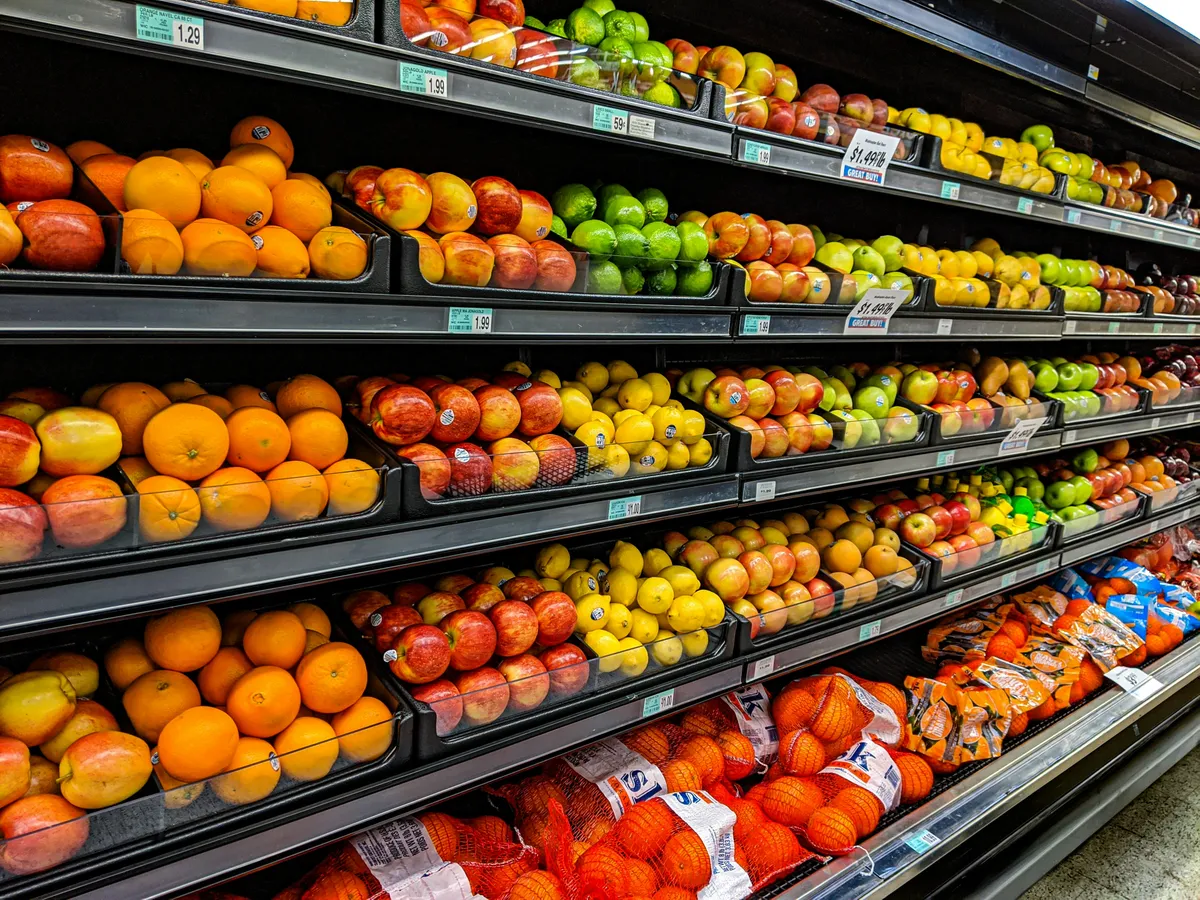
Food prices in Canada have risen sharply in recent years, making it harder for many families to keep eating the way they’d like. When groceries cost more, people often turn to cheaper, lower-nutrient foods or cut back on fresh produce, lean proteins, and whole grains. Those changes show up in everyday life, because energy, mood, and well-being are closely tied to what we can actually access and afford.
At the same time, rising costs create real stress around budgeting and meal planning. For households already stretched thin, the increases can make healthy eating feel out of reach. And while one grocery bill won’t make or break anyone’s health, widespread shifts in how a whole population eats can, over time, add to the demand on the healthcare system.
This article looks at how higher food prices affect daily life and health, why it matters beyond the individual household, and the practical strategies that help families eat well even as prices climb.
The Core Framework
Nourishing, Not Perfect
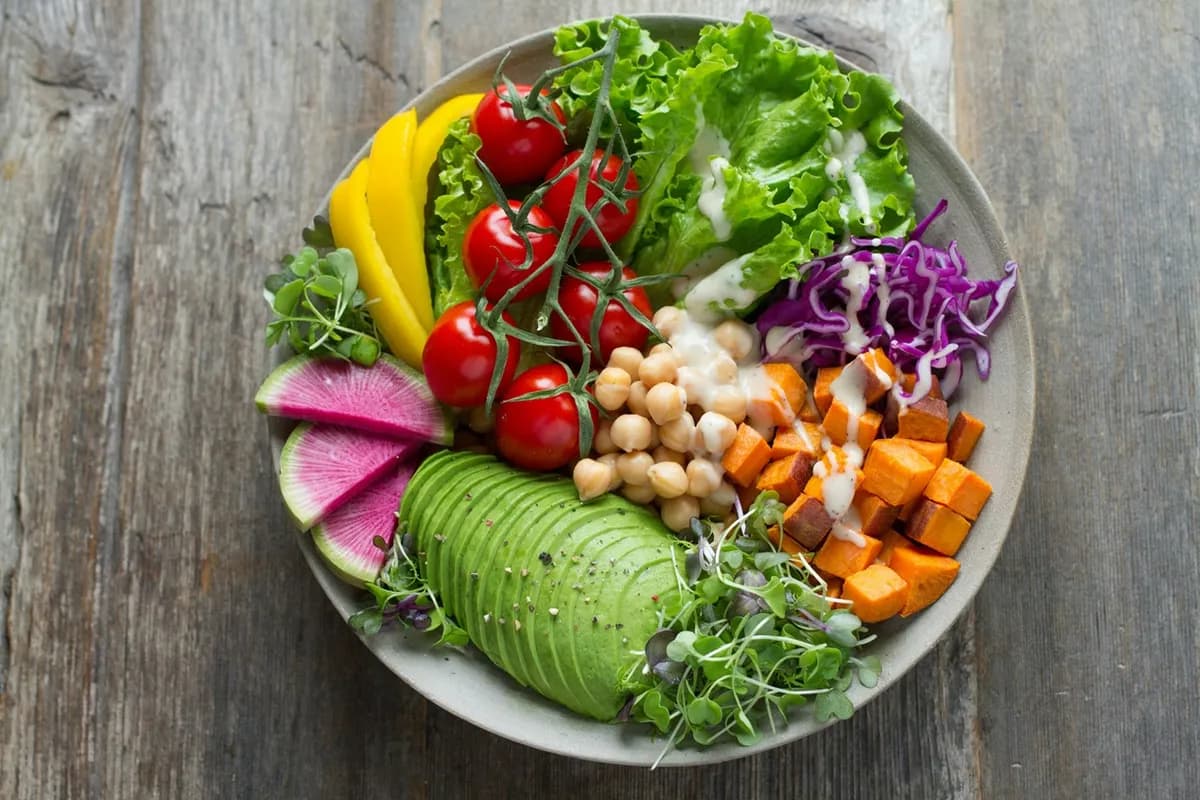
Eating well on a budget is about flexible, affordable habits, not expensive ingredients. Small, sustainable choices matter more than perfection.
Key Insights
Cost Shapes the Cart
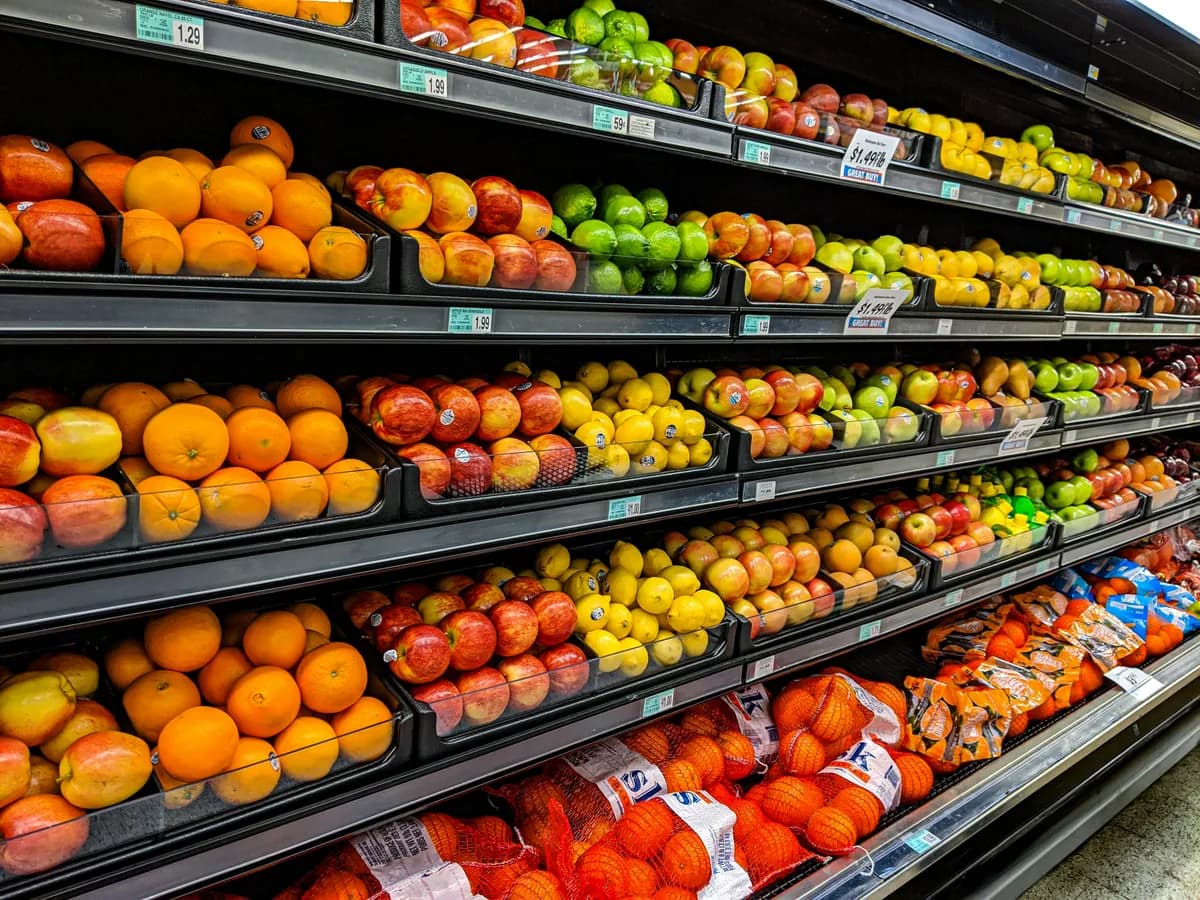
When prices climb, people often buy less variety and lean on lower-cost foods higher in sodium, sugar, or saturated fat. That’s a reasonable response, and it’s also where small swaps help most.

Budget Stress Is Real
Financial pressure around groceries affects more than the wallet. It influences mood, decision-making, and the sense of guilt people feel about food choices.
Affordable Can Be Nutritious
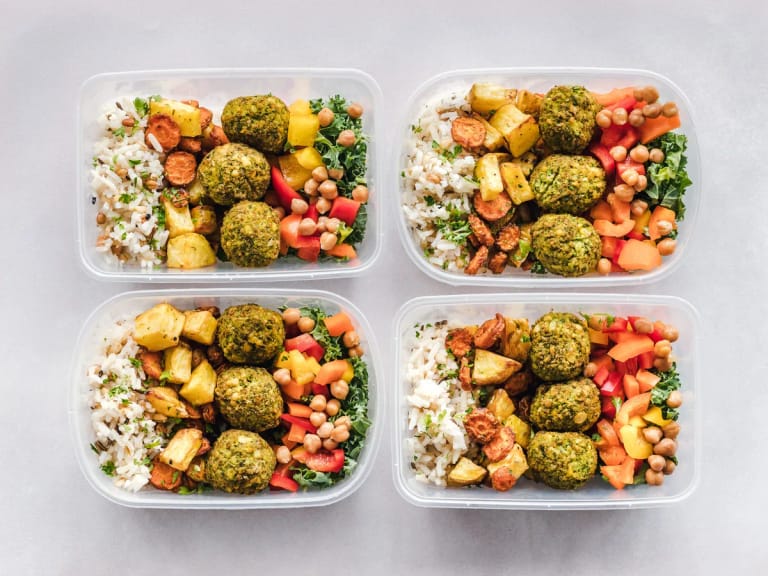
Beans, lentils, frozen vegetables, eggs, and whole grains are inexpensive and nutrient-dense. Eating well on a budget is genuinely achievable.
Practical Strategies
You don’t need a gourmet budget to eat well. A few realistic habits, like planning lightly, choosing affordable whole foods, and staying flexible, keep meals balanced without overspending.
Plan a Little
- Sketch a basic weekly meal outline.
- Check flyers or apps for sales before shopping.
- Plan one or two low-cost meals to stretch the budget.
- Use leftovers creatively to cut waste.
Choose Affordable Whole Foods
- Buy frozen produce to lower cost and reduce waste.
- Use beans and lentils as protein-rich staples.
- Choose whole grains like oats, barley, or brown rice.
- Opt for store brands on pantry items.
Stay Flexible and Creative
- Swap expensive ingredients for affordable equivalents.
- Cook simple recipes built on pantry staples.
- Batch-cook and freeze portions.
- Stock up on shelf-stable items when they’re on sale.
Food Costs and the Bigger Picture
Rising food prices affect everyone a little differently, and there’s no single right way to respond. Some households buy in bulk; others lean on meals that stretch across several days. The aim isn’t to follow a strict rulebook but to find choices that support your energy, satisfaction, and financial comfort at the same time.
Why Affordability Shapes Health
Nutritious staples like lean proteins, fruits, vegetables, and whole grains often cost more than processed alternatives. When those become harder to reach, it’s easy to feel discouraged or unsure how to keep meals balanced. But a balanced diet doesn’t require expensive or gourmet ingredients. Swapping one item for a more affordable whole-food option still moves you in the right direction, and consistency beats perfection every time.
A balanced diet doesn’t require expensive ingredients. Small, sustainable choices still support your well-being, even when prices rise.
The Link to Healthcare
There’s a wider connection worth understanding. When affordability pushes a whole population toward lower-nutrient diets, the long-term strain on healthcare grows. One person’s grocery bill won’t change health outcomes, but widespread patterns do. Seeing that link helps put individual choices in context and underlines why access to affordable, nutritious food matters for everyone, not just at the dinner table but across the system.
Stock Up When You Can
One of the simplest budget tools is buying shelf-stable foods, grains, canned goods, and frozen vegetables, when they go on sale. It lowers your monthly food costs, reduces last-minute stress, and means there’s always something nourishing on hand for a busy day.
Budget Eating Myths vs Facts
Myths vs Facts
Eating healthy is always more expensive than eating processed food.
- Many nutrient-dense staples (beans, lentils, oats, frozen produce, eggs) are very cheap.
- Bought thoughtfully and in less-processed forms, healthy eating can cost less, not more.
If you can’t afford fresh produce, you can’t eat well.
- Frozen and canned produce is just as nutritious and usually cheaper.
- A balanced plate can be built almost entirely from affordable, shelf-stable foods.
Budget meals have to be boring or repetitive.
- Simple swaps, batch cooking, and pantry staples allow plenty of variety.
- Flexibility and a rotating list of go-to meals keep budget eating interesting.
Small food choices don’t really matter for health.
- Day to day, consistent small choices shape energy, mood, and long-term well-being.
- Across a population, those patterns even influence demand on the healthcare system.
Helpful Tools and Resources
Practical government guidance for eating healthy on a budget.
Affordable, cost-per-serving recipes designed for tight grocery budgets.
Aggregates local flyers and sales to help you shop around price increases.
Rising food prices are a real strain, but eating well on a budget is more achievable than it often feels. The most nutritious foods, beans, lentils, oats, frozen produce, are also among the cheapest, and a little planning plus a flexible mindset stretches a grocery budget a long way. Focus on affordable whole foods, shop the sales, and let small, sustainable swaps matter more than a perfect cart. If high food costs are making healthy eating feel out of reach, a dietitian can help you build a realistic, budget-friendly plan that works for your household.