Meal Planning for Busy Families
Between work, school, activities, and the usual weekday rush, getting nutritious meals on the table can feel like one more thing on an already full plate. Many families want to eat well but struggle with limited time, low energy, and the mental load of constantly answering, “What’s for dinner?” Meal planning helps reduce that stress, but only if it stays simple and flexible enough to work in real life.
It’s very normal to feel overwhelmed, or to assume meal planning requires elaborate prep and perfect organization. In reality, small routines, prepared ingredients, and a few repeatable systems can make weeknight meals smoother without adding pressure or perfectionism.
This article explores practical strategies for busy families, including easy planning frameworks, realistic habits, mindset shifts, and tools that help you spend less time deciding and more time enjoying meals together.
The Core Framework
The Three-Anchor Meal Method
A simple, family-friendly approach that reduces decision fatigue by planning just a few dependable meals each week instead of mapping out every day.
Key Insights

Less Planning Still Works
You don’t need a seven-day menu for meal planning to be effective. Even two structured meals can reduce stress and guide the rest of the week’s choices.

Prep Ingredients, Not Entire Meals
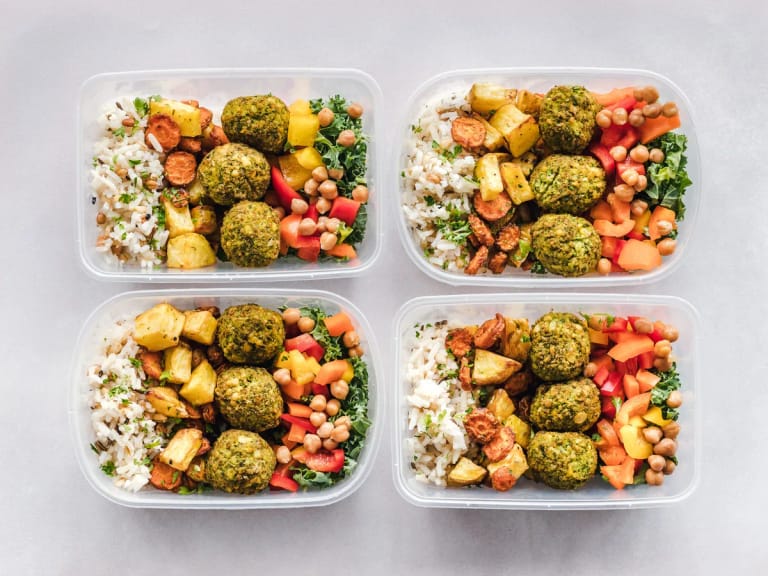
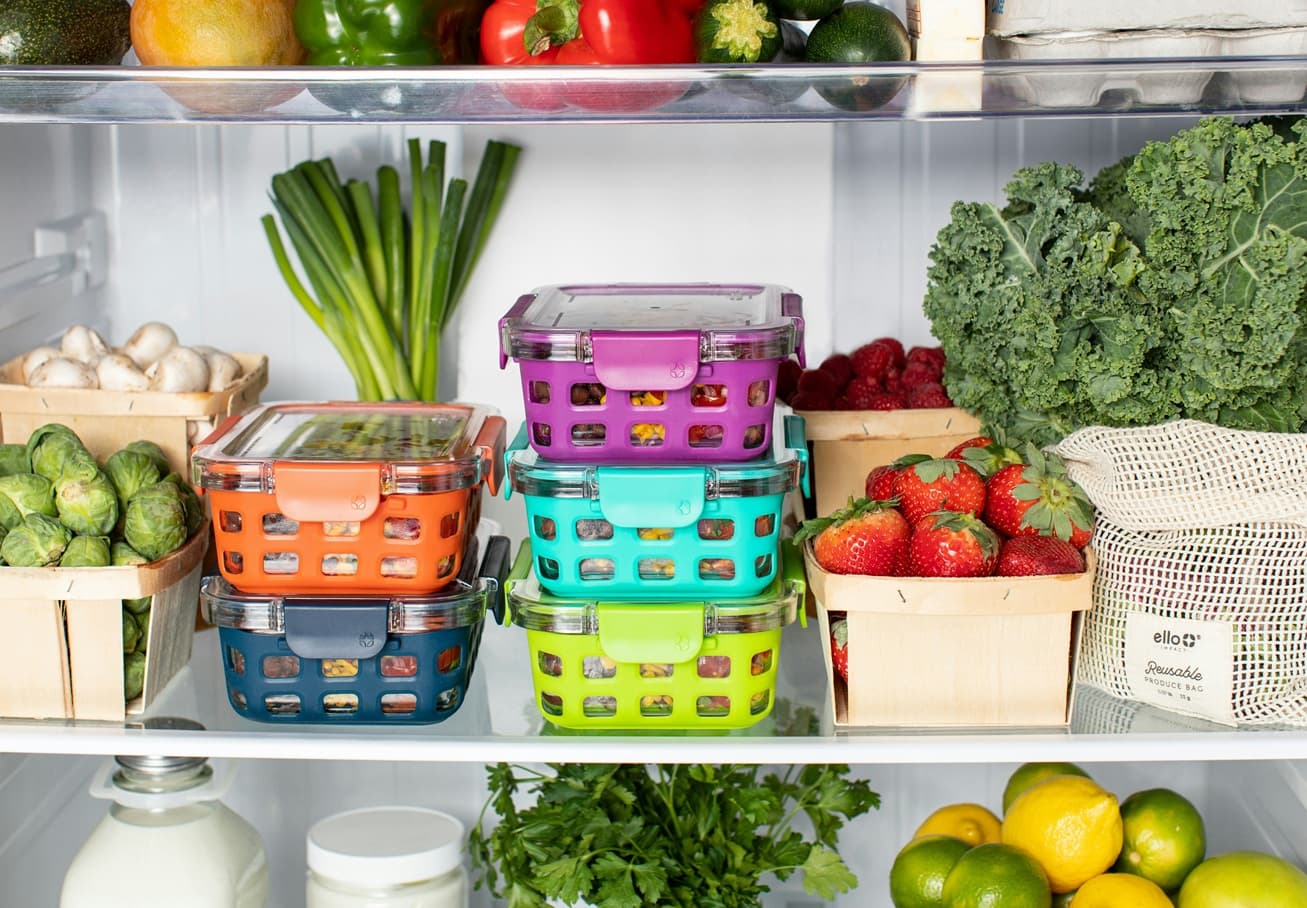
Washing produce, chopping vegetables, or cooking one grain can save significant time on busy nights without requiring a full meal-prep session.

Flexibility Beats Perfection
Family life changes quickly. Plans shift, moods change, and energy varies. Meal planning works best when it leaves room for grace, backup options, and the occasional off night.
Practical Strategies
Meal planning doesn’t need to be complicated. A few predictable routines and a handful of go-to ingredients can dramatically reduce stress during busy weeks. These strategies are designed to fit into real family life, messy schedules and shifting preferences included.

Getting Started
- Choose 2–3 anchor meals for the week (e.g., pasta night, taco bowls, sheet-pan dinner).
- Build a short list of family-approved meals to rotate regularly.
- Prep just one or two ingredients ahead, like washed greens or cooked rice.
- Aim for progress, not perfection.

Staying Consistent
- Create a weekly ‘reset moment’, such as Sunday evenings, to choose your anchor meals.
- Keep a running grocery list on your phone or fridge.
- Expect interruptions and use backup meals for extra-busy nights.
- Check in each week to see what worked and what felt stressful.
Adapting to Real Life
- Scale meals up or down depending on your week’s energy levels.
- Let go of all-or-nothing expectations. Quick meals still count.
- Celebrate small wins and adjust as the seasons of life change.
- Revisit your anchor meal list whenever preferences shift.
Troubleshooting Common Barriers
When you’re juggling unpredictable schedules, different food preferences, and limited time, meal planning can feel like an obligation rather than a tool. The most common roadblocks have fairly simple ways around them.
Ditch the “Sunday Marathon” Prep
You do not need to spend your entire Sunday prepping food or map out a strict seven-day menu. Small habits, like washing produce when you get home or chopping onions while dinner cooks, save just as much time. Planning just two or three “anchor meals” provides enough structure while allowing room for leftovers and spontaneous nights.
Match Meals to Your Daily Energy
Weekday vs. Weekend: Plan simpler, low-effort meals for busy weekdays, and save flexible or creative dishes for weekends when time tends to be higher. Home Days vs. On-the-Go: Choose slow-cooker meals or leftovers for hectic days, and quicker assemble-style meals when family members are in and out.
Redefine “Healthy”
Family dinners do not need to be cooked entirely from scratch every night. Using pre-chopped vegetables, frozen grains, or a rotisserie chicken are excellent, practical ways to get balanced meals on the table. Convenience items are tools to support your energy, not shortcuts to feel guilty about.
Meal-Planning Myths vs Facts
Meal-Planning Myths vs Facts
Meal planning means prepping the whole week every Sunday.
- Even two or three anchor meals give enough structure to ease the week.
- Small habits, like washing produce or cooking one grain, save just as much time as a marathon session.
A healthy family meal has to be cooked from scratch.
- Pre-chopped vegetables, frozen grains, and a rotisserie chicken can build a balanced plate fast.
- Convenience foods are tools that protect your energy, not something to feel guilty about.
A plan only works if you stick to it exactly.
- Family weeks rarely go to plan, so backup meals and swaps are part of the system, not a failure.
- A plan you adjust is still working; flexibility is what makes it last.
Everyone has to eat the same thing for it to count.
- A shared base with customizable add-ons (sauces, toppings, sides) keeps one meal working for different tastes.
- Letting people finish a plate their own way is easier than cooking several separate dinners.
A Helpful Reframe

“Meal planning isn’t about getting it perfect. It’s about reducing stress so you can enjoy your meals and your time together.”
This mindset shift helps many families release the pressure to create flawless plans or cook from scratch every night. When you treat meal planning as a supportive tool rather than a strict rule, it becomes easier to build routines that genuinely fit your life.
Supporting Ideas
- Focus on reducing decisions, not controlling every meal.
- Keep backup foods for unexpected schedule changes.
- Let your plan evolve as your family’s needs change.
Resources and Tools
A customizable meal-planning app that helps busy families choose recipes, build grocery lists, and streamline weekly cooking.
A family-friendly recipe site with balanced, approachable ideas for quick meals and snacks.
Offers strategies, conversation starters, and tips for making family meals more enjoyable and achievable in real life.
Meal planning for busy families works best when it makes everyday life easier rather than adding another set of rules. A few anchor meals, a little prep, and permission to lean on shortcuts can take a lot of the weeknight stress out of dinner. Let your approach shift as your family’s needs change, and if you’d like help building routines that fit your household, a dietitian can work through it with you.