How Much Water, Really?
Few pieces of health advice are as widely repeated, or as widely misunderstood, as "drink eight glasses of water a day." It's a memorable rule, but it was never a precise scientific requirement, and taken literally it can make hydration feel like a daily quota to anxiously hit. In practice it's more flexible than that: your body is good at managing fluid, and for most healthy people, staying well hydrated is simpler than the slogans suggest.
Part of the confusion is that "hydration" has become a wellness trend, complete with giant water bottles and electrolyte powders that imply ordinary drinking isn't enough. But much of your fluid comes from food and from drinks other than water, your real needs shift with activity and climate, and your body sends clear signals when it wants more. Knowing how to read those signals matters more than chasing a number.
This article looks at where the eight-glasses idea came from, how much fluid you actually need, the role of food and other beverages, how to tell if you're getting enough, and why more isn't always better.
The Core Framework
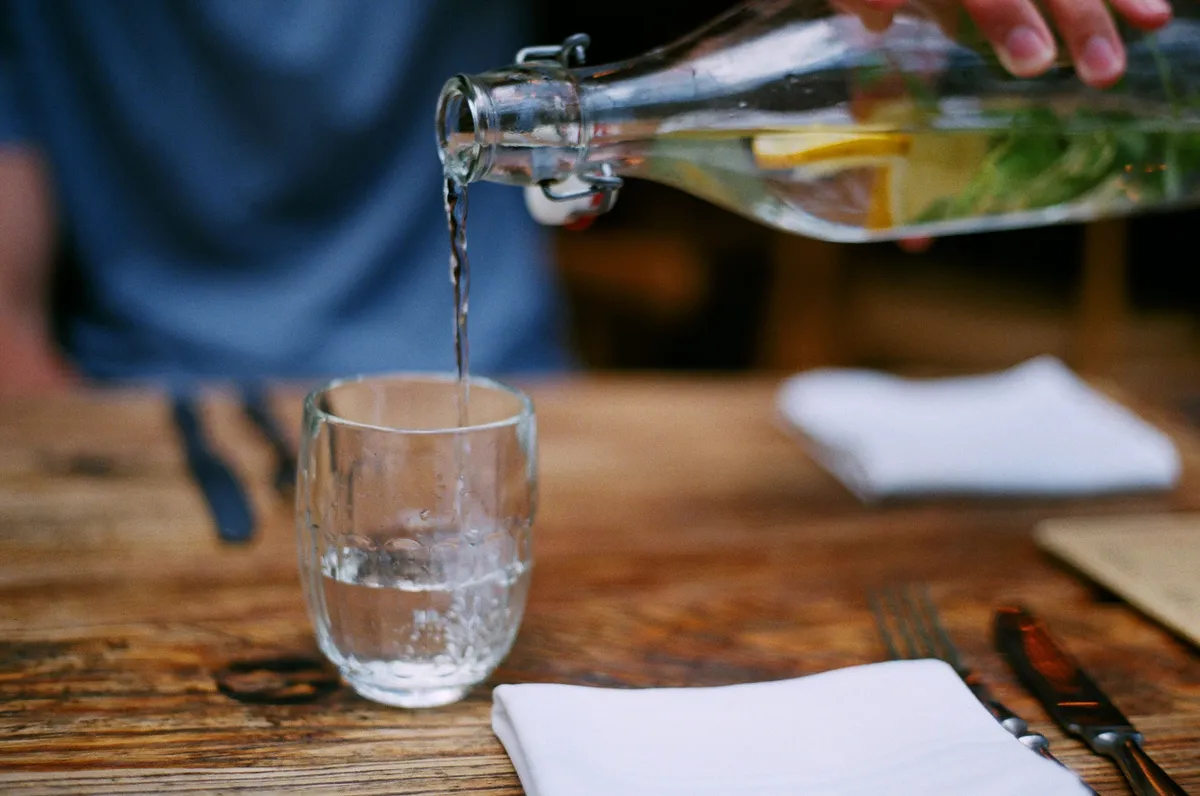
Drink to Thirst, Check Your Urine
Total fluid comes from water, other drinks, and food. For most healthy people, drinking when thirsty and aiming for pale-yellow urine works better than counting glasses.
Key Insights
Eight Glasses Is a Slogan
Real fluid needs vary with body size, activity, and climate, and they include all drinks and food, not just plain water. There's no single magic number.
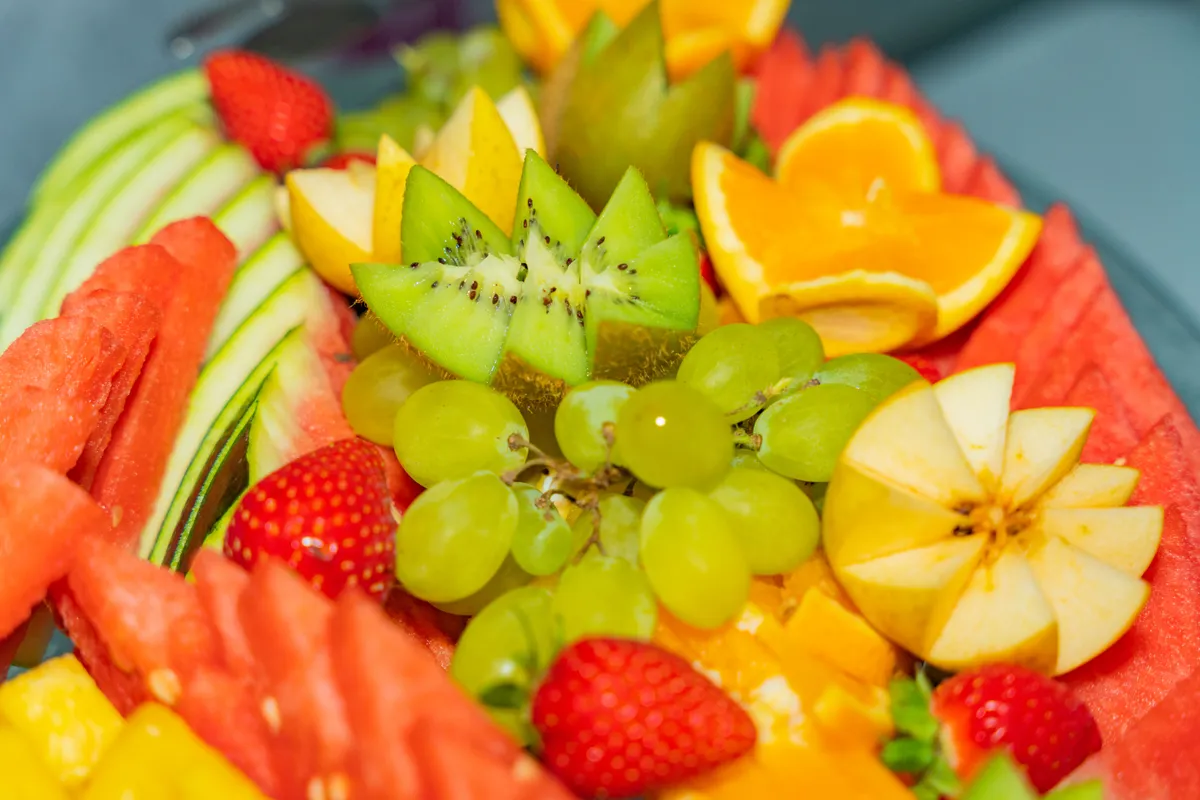
Food and Drinks Count
About a fifth of your fluid comes from food, and coffee, tea, and milk all hydrate. A diet rich in fruits and vegetables quietly tops you up.

Read Your Body's Signals
Pale-yellow urine means well hydrated; dark yellow means drink more. Thirst, headache, and fatigue are early cues, especially in heat or exercise.
Staying Well Hydrated
Good hydration doesn't require a quota or special products, just a few simple habits and a little attention to your body and your day.
Make Water the Default
- Keep water visible and within reach during the day.
- Drink a glass with each meal as an easy anchor.
- Choose water over sugary drinks most of the time.
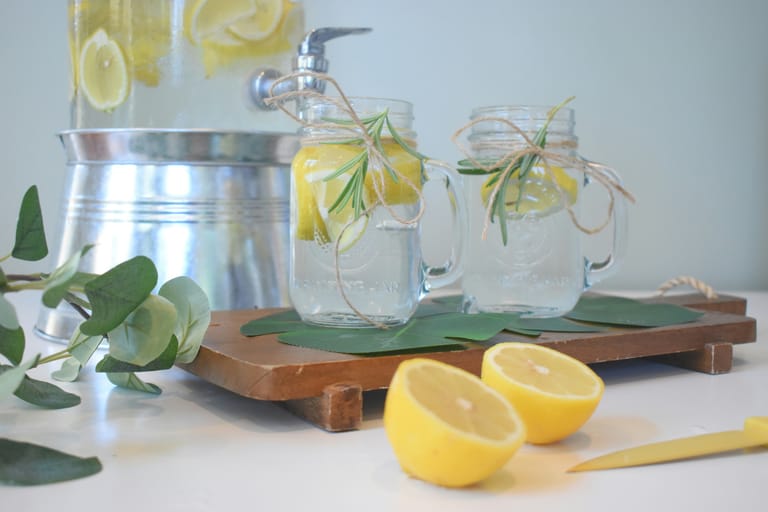
- Flavour it with fruit or herbs if plain water bores you.
Let Food and Drinks Help
- Eat plenty of fruits and vegetables; many are mostly water.
- Count coffee, tea, and milk toward your fluids.
- Enjoy soups, yogurt, and water-rich snacks.
- Remember there's no need to hit a number with water alone.
Adjust to Your Day
- Drink more in hot weather and during exercise.
- Increase fluids when ill, especially with fever or upset stomach.
- Older adults should drink on a schedule, not just on thirst.
- Use plain water for everyday activity; save electrolyte drinks for long, intense efforts.
What Hydration Really Requires
The eight-glasses rule has been repeated so often that it feels like settled science, but its origins are surprisingly vague, likely a misreading of older guidance that already accounted for the water in food. The more accurate picture is that total fluid needs hover around 2.7 litres a day for women and 3.7 litres for men, and crucially, that figure includes every source: plain water, other drinks, and the substantial amount of water hidden in food. Treating "eight glasses of water" as a separate daily target on top of all that overstates what most people actually need.
Food and Other Drinks Do Real Work
Roughly a fifth of your daily fluid comes from food, and it adds up fast when your diet includes water-heavy items like cucumbers, tomatoes, watermelon, oranges, soups, and yogurt. Beverages beyond water count too. The long-standing worry that coffee and tea are dehydrating is overblown; their mild diuretic effect is easily outweighed by the fluid they provide. This is why a person who rarely drinks plain water but eats lots of produce and drinks tea can be perfectly well hydrated. Plain water is still the best default because it's free of sugar and calories, but it's not the only path.
The eight-glasses rule was never hard science. Your body manages fluid well across a wide range of intake, which is why thirst and urine colour beat counting glasses.
Reading the Signals, and Knowing the Limits
Rather than chasing a number, watch what your body tells you. Pale-yellow urine usually means you're well hydrated; dark yellow is a nudge to drink more. Thirst is a reliable early signal for most healthy adults, though it fades with age, so older adults benefit from drinking on a schedule. The flip side is that more isn't automatically better. Drinking enormous amounts in a short span can dangerously dilute blood sodium, a rare condition called hyponatremia seen mainly in endurance athletes. For nearly everyone in daily life, the practical risk is too little, not too much, and the popular electrolyte powders are unnecessary unless you're sweating heavily for a long time or recovering from illness.
Hydration Myths vs Facts
Myths vs Facts
Everyone needs exactly eight glasses of water a day.
- Fluid needs vary with body size, activity, and climate.
- Guidance counts all drinks and food, not just plain water.
Coffee and tea dehydrate you and don't count.
- The mild diuretic effect is outweighed by the fluid in the drink.
- Nearly all beverages contribute to your daily hydration.
Only what you drink keeps you hydrated.
- About a fifth of your fluid comes from food.
- Water-rich fruits, vegetables, soups, and yogurt all help.
The more water you drink, the healthier you are.
- Drinking far too much can dangerously dilute blood sodium.
- For most people the realistic concern is getting too little.
Resources and Tools
Practical guidance on staying hydrated and choosing healthier drinks.
A clear breakdown of fluid needs and the factors that change them.
Hydration is far simpler than the slogans and giant water bottles suggest. There's no magic number of glasses; your real fluid needs depend on your body, your activity, and the weather, and they're met by everything you drink and much of what you eat. For most healthy people, the best approach is also the easiest: make water your default drink, eat plenty of water-rich fruits and vegetables, drink a little more when it's hot or you're active, and let thirst and pale-yellow urine guide you rather than a quota. More isn't better, and special electrolyte products are rarely needed. If you have a health condition that affects fluid balance, or you're unsure what's right for you, a dietitian or your healthcare provider can offer personalized guidance.