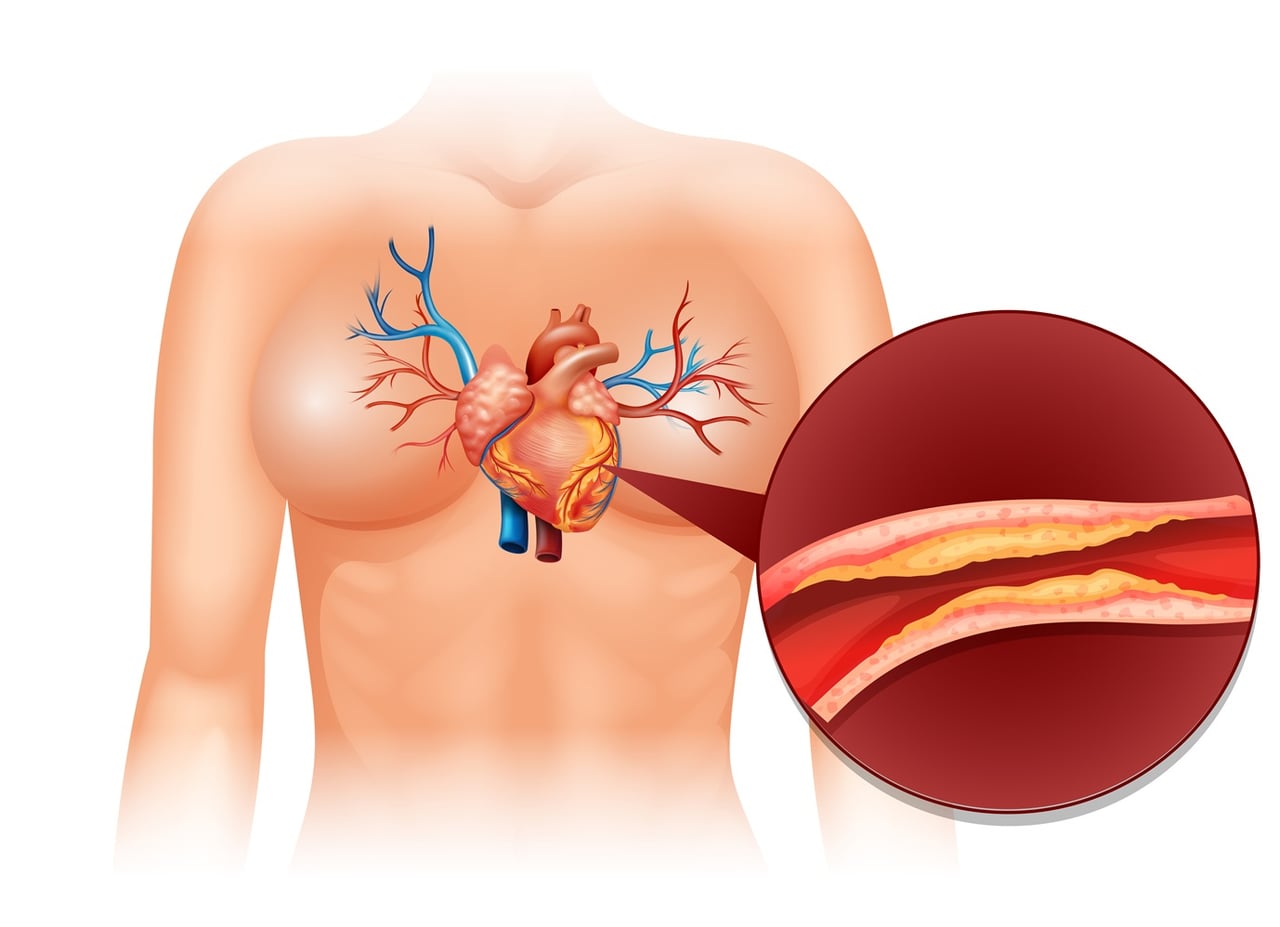
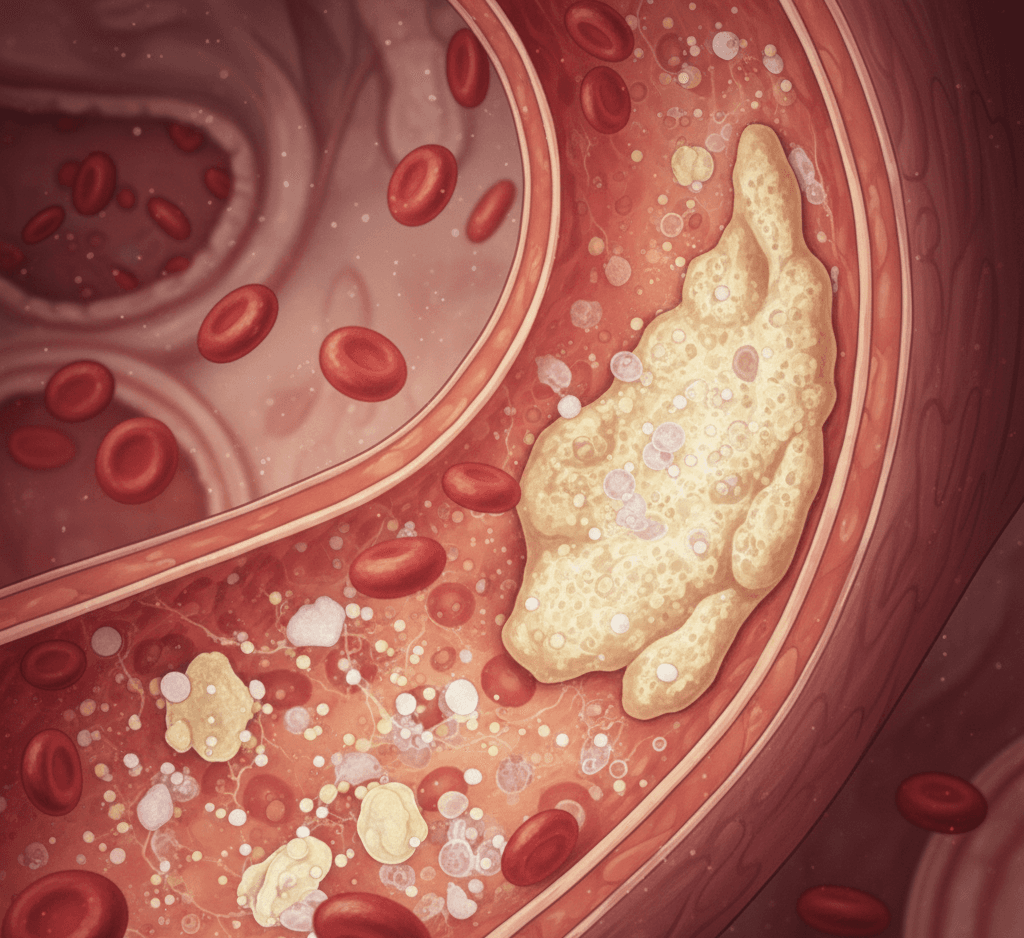
Hyperlipidemia is a clinical condition defined by abnormally elevated levels of lipids in the blood, most commonly cholesterol and triglycerides. These lipids play essential roles in hormone production, cell membrane structure, and energy storage, but excess circulating levels, particularly low-density lipoprotein (LDL) cholesterol, contribute to atherosclerosis and cardiovascular disease. Nutrition strongly influences lipid metabolism through its effects on hepatic lipid production, intestinal absorption, and lipoprotein transport.
Hyperlipidemia is highly prevalent in adults and often develops without noticeable symptoms, making routine screening essential. Risk is influenced by genetics, aging, dietary patterns, physical inactivity, and coexisting conditions such as diabetes or metabolic syndrome. Over time, unmanaged dyslipidemia increases the likelihood of coronary artery disease, stroke, and peripheral vascular disease.
This article reviews the physiology of lipid metabolism, what the numbers on a lipid panel mean, and the specific, evidence-based nutrition strategies used to support lipid management and cardiovascular health, including how much each one actually lowers LDL.