Understanding high cholesterol
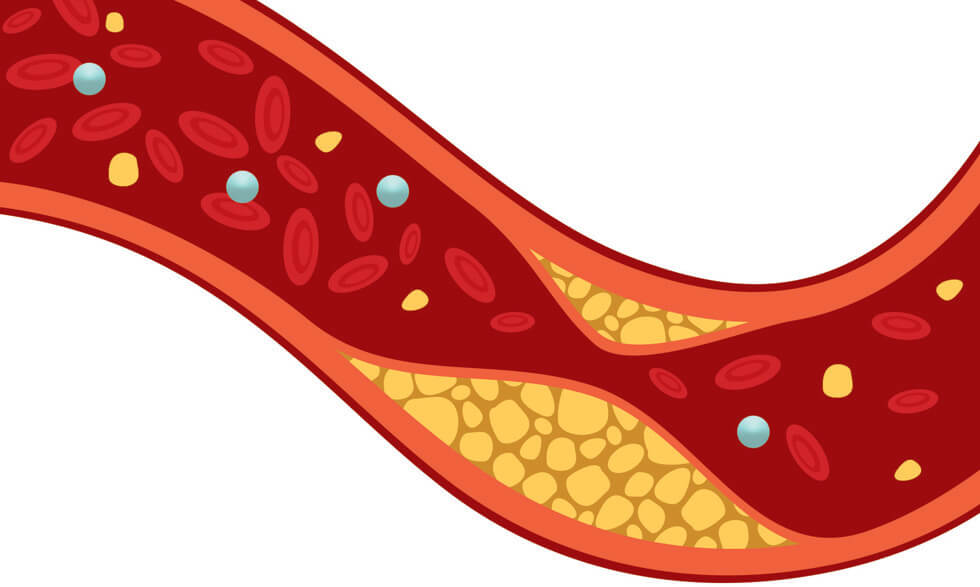
High cholesterol usually means a high LDL cholesterol, the particle that builds plaque in artery walls. High triglycerides are a related problem with different causes and a different plan. Neither causes symptoms, so most people find out from routine bloodwork.
Diet can lower LDL meaningfully on its own, and it adds to the effect of a statin. Whether diet alone is enough depends on your overall cardiovascular risk, which your physician calculates. Some people have a genetic form, familial hypercholesterolemia, where LDL is high from childhood and medication is almost always needed; food still matters for them.
How a dietitian helps with high cholesterol
Reading your lipid panel with you: LDL, non-HDL cholesterol, triglycerides and, if measured, lipoprotein(a) and apoB.
Building a Portfolio-style plan: soluble fibre from oats, barley, legumes and psyllium, nuts, soy or pulse protein, and plant sterols.
Changing the type of fat rather than cutting all fat: olive and canola oil, nuts, seeds and fish in place of butter, fatty processed meats and pastries.
A separate plan for high triglycerides: less alcohol, added sugar and refined starch, and weight loss where relevant.
Checking the result with a repeat lipid panel and adjusting the plan with you and your physician.
What the evidence says
Diet changes usually lower LDL by 10 to 20%. In a Canadian trial, the Portfolio Diet lowered LDL by about 13%, compared with 3% for a standard low-saturated-fat diet.
Replacing saturated fat with unsaturated fats lowers LDL; replacing it with refined starch and sugar does not lower heart risk.
For most people, saturated and trans fat raise LDL more than the cholesterol in food. Current guidelines focus on the overall eating pattern rather than a daily cholesterol number.
About 2 g of plant sterols a day lowers LDL by roughly 5 to 10%. They come from fortified foods or supplements, since ordinary food provides far less.
The adequate intake for fibre is 25 g a day for women and 38 g for men up to age 50. Soluble fibre from oats, barley and psyllium is the kind that lowers LDL.
Your nutrition care
Nutrition care for high cholesterol starts with a full assessment: your medical history, current medications, recent lab results, weight history and the way you actually eat. From there your Registered Dietitian builds a plan around your diagnosis, your treatment goals and the foods you like, and adjusts it at each follow-up as your results come in.
We see patients in person at our Ottawa and Gatineau clinics and by secure video across Ontario and Quebec, so you can keep appointments between medical visits without travelling. With your consent, we share the plan with your physician or specialist team so everyone is working from the same numbers.
Not sure where to start? Book a free initial consultation. We will go over your situation, answer your questions and tell you honestly whether nutrition therapy is likely to help.
Book NowQuestions about nutrition care for high cholesterol
Can diet lower my LDL cholesterol without a statin?
Diet changes typically lower LDL by 10 to 20 %, and combining several proven foods (soluble fibre from oats, barley and legumes, nuts, soy protein and plant sterols) can lower it further. Whether that is enough depends on your overall cardiovascular risk, which your physician assesses. If you take a statin, the same changes add to its effect.
Are eggs and shrimp off-limits?
Usually not. For most people, saturated and trans fat raise LDL more than the cholesterol in food does. Some people respond more strongly to dietary cholesterol, which is why we judge the plan by your follow-up bloodwork rather than by general rules.
How long before diet changes show up in my bloodwork?
LDL responds to diet within about four to six weeks, so a repeat lipid panel two to three months after you start gives a fair picture. Triglycerides can change faster, especially when alcohol and added sugar go down.
My triglycerides are high but my LDL is normal. Is the plan different?
Yes. High triglycerides respond most to cutting alcohol, added sugar and refined starch, and to weight loss where relevant, more than to cutting saturated fat. Triglycerides above 10 mmol/L carry a risk of pancreatitis and need a much stricter fat limit and a prompt medical assessment.
Can I see a dietitian for high cholesterol online?
Yes. We offer secure video appointments across Ontario and Quebec, as well as in-person visits at our Ottawa and Gatineau clinics. Online visits include the same assessment, plan and follow-ups.
Sources and guidelines
- Pearson et al. (2021). Canadian Cardiovascular Society guidelines for the management of dyslipidemia. Canadian Journal of Cardiology.
- Jenkins et al. (2011). Effect of a dietary portfolio of cholesterol-lowering foods on serum lipids. JAMA.
- Sacks et al. (2017). Dietary fats and cardiovascular disease: a presidential advisory from the American Heart Association. Circulation.
- Health Canada. Dietary Reference Intakes tables.
This page is general information, not individual advice. Your dietitian sets your own targets. Daily intake figures for healthy adults are Health Canada's Dietary Reference Intakes.