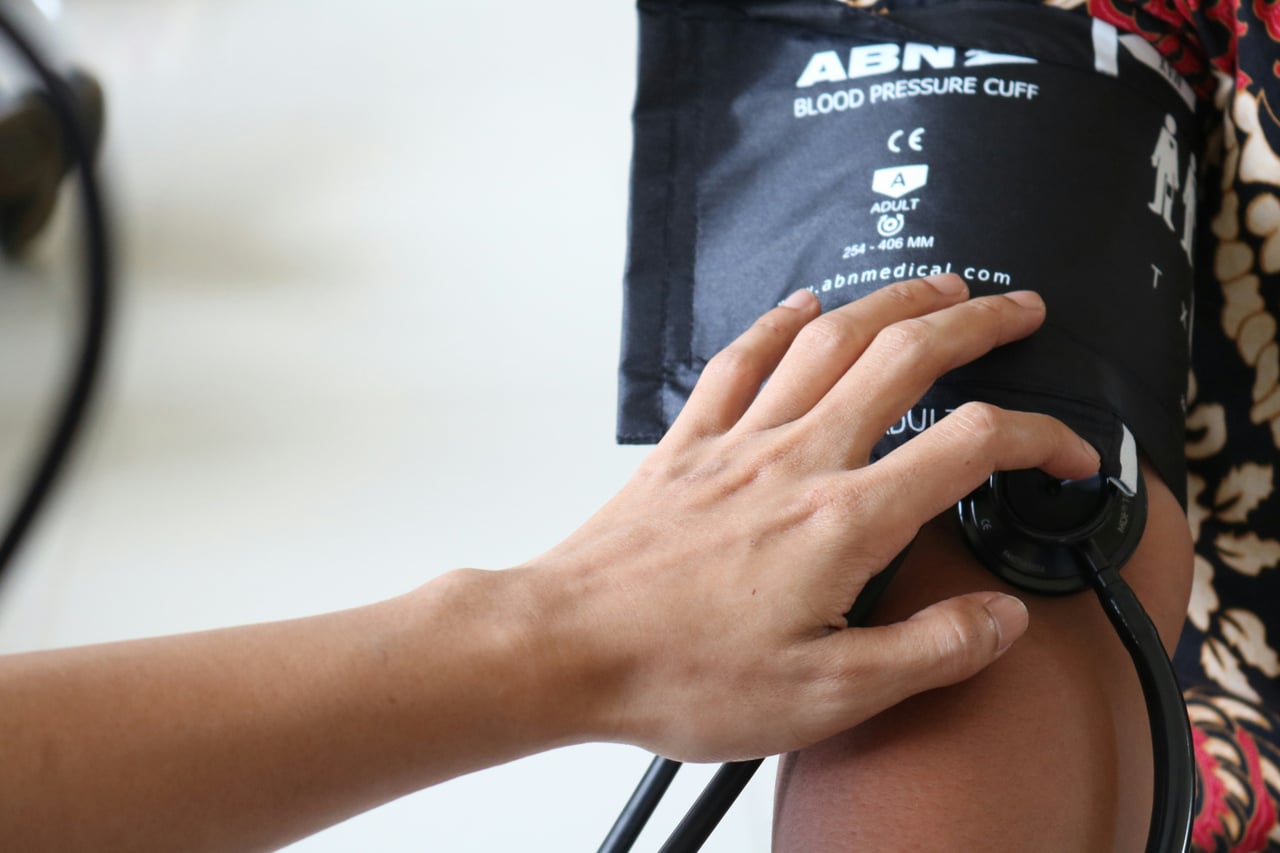
Understanding high blood pressure
In Canada, hypertension is diagnosed when blood pressure measured in the office stays at 140/90 mmHg or higher, or when home readings average 135/85 or higher. With diabetes, the threshold is 130/80. High blood pressure rarely causes symptoms, but over time it damages the heart, brain, kidneys and eyes.
Food changes can lower blood pressure nearly as much as a first medication, and they make medications work better when you need them. The biggest levers are the DASH eating pattern, less sodium, more potassium-rich foods where safe, less alcohol and weight loss when it applies.
How a dietitian helps with high blood pressure
Moving your meals toward the DASH pattern: vegetables, fruit, legumes, nuts, whole grains and low-fat dairy, in amounts that fit your life.
Finding where your sodium comes from, usually bread, deli meats, cheese, soups, sauces and restaurant meals, and swapping the few items that matter most.
More potassium from food, after checking that your kidneys and medications (some ACE inhibitors, ARBs and potassium-sparing diuretics) make it safe.
Alcohol, weight and activity: the changes with the largest effect after DASH and sodium.
Using your home blood pressure readings to see what is working.
What the evidence says
In the DASH trial, the eating pattern lowered blood pressure by about 11/6 mmHg in people with hypertension; cutting sodium on top of DASH lowered it further.
Health Canada's ceiling for healthy adults is 2,300 mg of sodium a day; Hypertension Canada recommends about 2,000 mg for people with high blood pressure.
Health Canada's adequate intake for potassium is 2,600 mg a day for women and 3,400 mg for men, mostly from vegetables, fruit, legumes, dairy and nuts.
Each kilogram of weight lost lowers blood pressure by about 1 mmHg on average.
Readings of 130 to 139 over 85 to 89 mmHg are considered high-normal: the best time to start, before medication is needed.
Your nutrition care
Nutrition care for high blood pressure starts with a full assessment: your medical history, current medications, recent lab results, weight history and the way you actually eat. From there your Registered Dietitian builds a plan around your diagnosis, your treatment goals and the foods you like, and adjusts it at each follow-up as your results come in.
We see patients in person at our Ottawa and Gatineau clinics and by secure video across Ontario and Quebec, so you can keep appointments between medical visits without travelling. With your consent, we share the plan with your physician or specialist team so everyone is working from the same numbers.
Not sure where to start? Book a free initial consultation. We will go over your situation, answer your questions and tell you honestly whether nutrition therapy is likely to help.
Book NowQuestions about nutrition care for high blood pressure
How much can diet lower my blood pressure?
In the original DASH trial, the eating pattern lowered systolic blood pressure by about 11 mmHg in people with hypertension, and reducing sodium adds to that effect. Combined with weight loss, regular activity and less alcohol, the result can be comparable to adding a blood pressure medication.
How much sodium should I eat per day?
Hypertension Canada recommends limiting sodium to about 2,000 mg a day. Most of the sodium Canadians eat comes from processed and restaurant foods, so label reading and a few targeted swaps usually do more than putting away the salt shaker.
Are salt substitutes safe?
Potassium-based salt substitutes lower blood pressure and are a good option for many people, but not for everyone. If you have kidney disease or take medications that raise potassium, such as some ACE inhibitors, ARBs or potassium-sparing diuretics, check with your physician or dietitian first.
Do coffee and alcohol affect blood pressure?
Alcohol raises blood pressure in proportion to how much you drink, and cutting back is one of the most effective changes for regular drinkers. Moderate coffee causes a short rise but does not appear to raise long-term blood pressure in most habitual drinkers. Your dietitian looks at your overall pattern rather than at single foods.
Can I see a dietitian for high blood pressure online?
Yes. We offer secure video appointments across Ontario and Quebec, as well as in-person visits at our Ottawa and Gatineau clinics. Online visits include the same assessment, plan and follow-ups.
Sources and guidelines
- Rabi et al. (2020). Hypertension Canada’s 2020 comprehensive guidelines for the prevention, diagnosis, risk assessment, and treatment of hypertension. Canadian Journal of Cardiology.
- Appel et al. (1997). A clinical trial of the effects of dietary patterns on blood pressure (DASH). New England Journal of Medicine.
- Sacks et al. (2001). Effects on blood pressure of reduced dietary sodium and the DASH diet. New England Journal of Medicine.
- Neter et al. (2003). Influence of weight reduction on blood pressure: a meta-analysis of randomized controlled trials. Hypertension.
- National Academies of Sciences, Engineering, and Medicine (2019). Dietary Reference Intakes for Sodium and Potassium.
- Health Canada. Dietary Reference Intakes tables.
This page is general information, not individual advice. Your dietitian sets your own targets. Daily intake figures for healthy adults are Health Canada's Dietary Reference Intakes.