Digestive Health

Digestive health · Gut microbiome: Gut Health & Microbiome

Feed the bacteria that look after you, with food, not hype.

Support a healthy gut microbiome with fibre, plant variety and fermented foods, and get clear answers about probiotics and gut tests, with a Registered Dietitian. In person in Ottawa and Gatineau, or online anywhere in Ontario and Quebec.

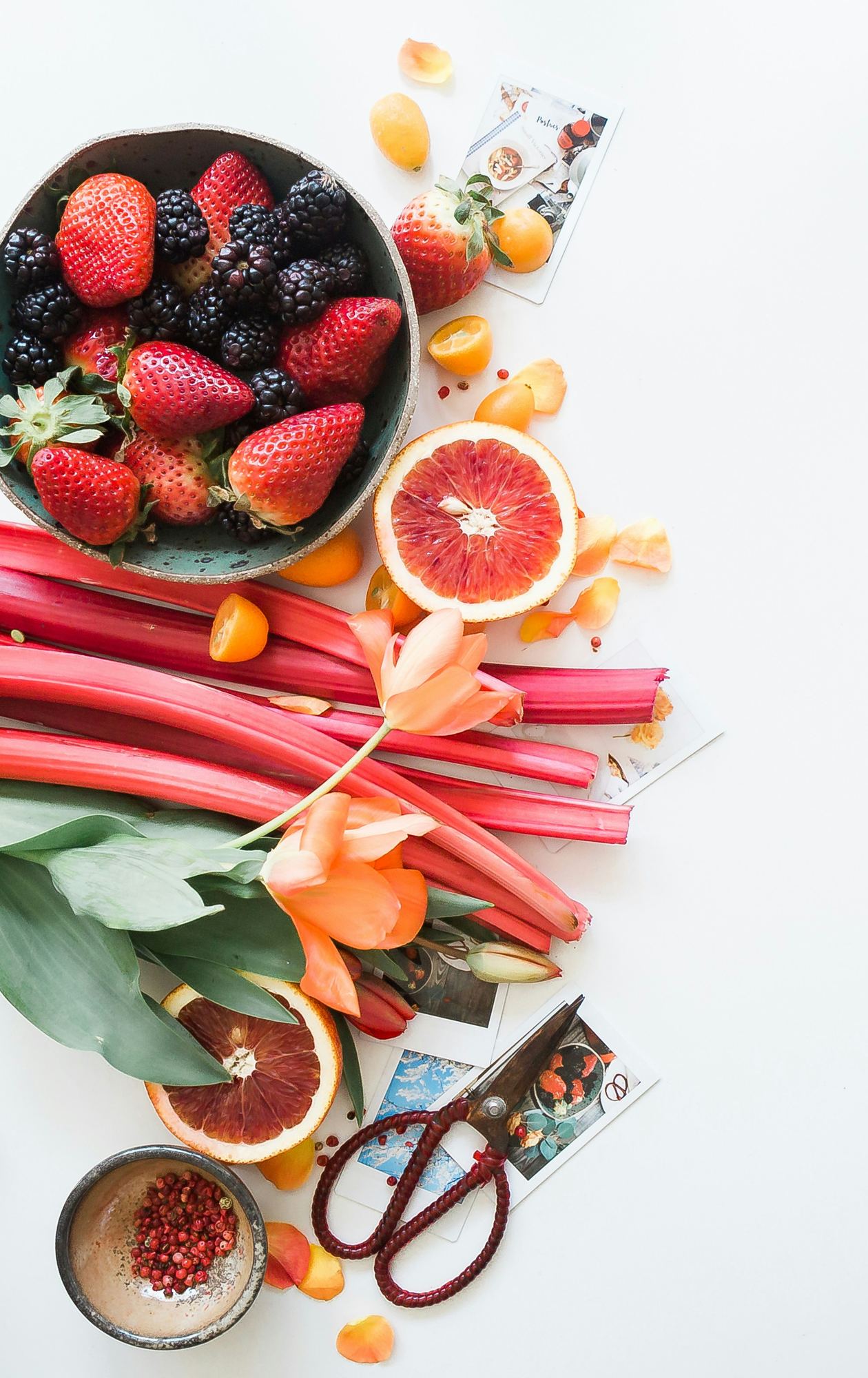
Strawberries, blackberries, grapefruit and rhubarb on a white table
Food first, evidence alwaysFibre. Variety. Fermented foods.

Start with understanding

What the gut microbiome is, and where food fits in

Your large intestine is home to trillions of bacteria and other microbes, known as the gut microbiome. They break down fibre your body can’t digest, produce compounds that nourish the lining of your gut, and help train your immune system. A more diverse microbiome is generally linked to better health, although the science is young and there is no single “perfect” microbiome.

What food can do

What you eat is one of the strongest everyday influences on these bacteria, and changes can show up within days. Fibre is their main food, and most Canadians eat only about half the recommended amount. Studies link eating a wide variety of plant foods to more diverse gut bacteria, and in a 2021 trial, adding fermented foods every day for ten weeks increased microbiome diversity and lowered markers of inflammation. Probiotic supplements are a different story: their effects depend on the strain and the situation.

Who we see

We work with adults who want to improve their gut health through food, people recovering from antibiotics or coming off a restrictive diet, people with IBS, IBD or constipation, and anyone unsure what to make of probiotics, supplements or microbiome tests.

Your path forward

Three steps to a well-fed gut

Small, steady changes work better than a dramatic “gut reset”. Your bacteria, and your comfort, adjust as you go.

  1. 01

    Weeks 1 to 4

    Add fibre, slowly

    Increase fibre a little each week from different sources, with enough fluids, so your gut has time to adjust without extra gas and bloating.

    • Oats, legumes, whole grains
    • A little more each week
    • Water alongside
  2. 02

    Next

    Widen your plant variety

    Fruit, vegetables, legumes, whole grains, nuts, seeds, herbs and spices all count. People who eat many different plant foods each week tend to have more diverse gut bacteria.

    • Mixed beans and grains
    • Nuts and seeds
    • Herbs and spices count
  3. 03

    Ongoing

    Add fermented foods you enjoy

    Yogurt, kefir, kimchi, sauerkraut, miso or kombucha, starting with small amounts. Some fermented foods are high in salt, so we choose with your whole diet in mind.

    • Yogurt or kefir
    • Kimchi or sauerkraut
    • Small portions to start

Every gut is different

Every gut is different

Where you’re starting from changes what will help most, and how fast to go.

Situation 01

Low-fibre or processed diet

What’s going on

Few fruits, vegetables, legumes or whole grains, and many ultra-processed foods.

How nutrition helps

A gradual increase in fibre from a variety of plant foods, and swapping some ultra-processed foods for whole foods you enjoy.

Microbiome science is moving fast, but much of it is still early. We base advice on what has been tested in people, and say so when the evidence is uncertain.

Support for your everyday

How we support you between visits

We use clinical software so your plan builds fibre and variety at a pace your gut can handle.

Meal plans built to a fibre target

Your dietitian builds meal plans with the fibre in each day calculated, so you increase it gradually instead of all at once.

A food and symptom journal we review together

You log meals and symptoms in our patient portal. Your dietitian checks how new foods are going and adjusts the pace if they cause discomfort.

Recipes checked against your list

If you avoid specific foods, the recipes we suggest are checked against your list at the portion you’ll actually eat.

Your doctor kept in the loop

With your consent, we share our notes with your family doctor or specialist, especially if you have a digestive condition.

Putting it into practice

Everyday habits that help

Eat more plants, and more kinds

Aim to add new fruits, vegetables, legumes, whole grains, nuts and seeds each week. Variety matters as much as quantity.

Increase fibre gradually

Adding fibre slowly over a few weeks, with enough fluids, keeps gas and bloating in check.

Include fermented foods

A small serving of yogurt, kefir, kimchi or sauerkraut most days is an easy place to start.

Choose whole foods most of the time

Diets high in ultra-processed foods and low in fibre are linked to less diverse gut bacteria.

Use antibiotics only as prescribed

Antibiotics are sometimes essential, but they also affect helpful bacteria. Take them only when prescribed, as directed.

Move, sleep and manage stress

Regular activity, enough sleep and stress management are all linked to a healthier gut.

WORKING WITH YOUR DIETITIAN

How we work on it together

Book Now
  1. 01

    Assessment

    We review your usual diet and fibre intake, digestive symptoms, recent antibiotics and medications, and what you want to change.

  2. 02

    A plan that suits you

    We build fibre and variety at a comfortable pace, with fermented foods and recipes you’ll actually enjoy.

  3. 03

    Follow-up

    We adjust the plan as your gut adapts, and help you sort through supplements, probiotics and tests with the evidence in hand.

FAQ

Common questions

Do I need a probiotic?

Most healthy people don’t. Food comes first. Specific probiotic strains have evidence for specific situations, so if you’re considering one, we can review whether it fits your goal.

What’s the difference between probiotics and prebiotics?

Probiotics are live microbes that provide a health benefit, found in some supplements and fermented foods. Prebiotics are fibres that feed helpful gut bacteria, found in foods such as oats, legumes, onions, garlic, leeks, asparagus and bananas. Several of these are high in FODMAPs, so people with IBS may need a different approach.

Should I get my microbiome tested?

Consumer microbiome tests can describe which bacteria are in a stool sample, but they can’t yet reliably tell you what to eat or diagnose a condition. Your diet and symptoms are a better guide for now.

Is yogurt enough?

Yogurt is a good choice, but fibre and a wide variety of plant foods do more for your gut bacteria than any single food.

How quickly can I change my microbiome?

Your gut bacteria respond to diet changes within days, but lasting benefits come from habits you keep over months and years.

Is it covered by insurance?

Many private insurance plans cover services from a Registered Dietitian. We provide receipts for you to submit. Check your plan for coverage details.

Can I meet online?

Yes. Online appointments by secure video are available anywhere in Ontario and Quebec. You log your meals and symptoms in our patient portal, and we go over them together at each visit.

Let’s take the next step

Get a plan built around your digestion.

Start with a free initial consultation, in person in Ottawa or Gatineau, or online anywhere in Ontario and Quebec.

Book Now