Hypertension: A Clinical Nutrition Overview

Causes, the numbers that matter, and nutrition strategies to lower blood pressure

2024-12-06
📝1,730words
⏱️9min read
Heart Health
#Hypertension#High Blood Pressure#Dash Diet#Sodium#Cardiovascular Health

Hypertension

Hypertension, or high blood pressure, is a chronic elevation of the pressure within the arteries. Often called the "silent killer," it can remain symptomless for years while quietly damaging arterial walls and vital organs. Left unmanaged, it significantly raises the risk of heart disease, stroke, kidney disease, and heart failure. It is one of the most common chronic conditions in the world, affecting an estimated 1.3 billion adults, yet it is also highly responsive to nutrition and lifestyle change.

Because it's invisible, the only way to know your numbers is to measure them, and the numbers themselves have evolved. The 2025 US (ACC/AHA) guidelines now define hypertension starting at 130/80 mmHg, lower than the traditional 140/90 still used for diagnosis in much of Europe. The practical message is the same across guidelines: blood pressure in the 130s warrants action, and that action begins with diet and lifestyle.

This article reviews how blood pressure is classified today, why uncontrolled hypertension is so dangerous, and the specific, evidence-based nutrition strategies (DASH, sodium reduction, and potassium) that lower it.


Clinical Summary

Hypertension

Hypertension is persistently high arterial pressure that silently raises cardiovascular and kidney risk, and it responds strongly to the DASH diet, sodium reduction, and potassium.

Blood pressure measurement for hypertension

What it is

Silent high BP

Persistently elevated blood pressure that usually causes no symptoms and is diagnosed only by measuring.

The numbers

130/80 (US)

2025 ACC/AHA: Stage 1 = 130–139/80–89; Europe diagnoses at 140/90. Goal under 130/80 for most.

Why it matters

1.3 billion

Affects ~1.3 billion adults; a leading cause of heart attack, stroke, kidney disease, and early death.

What we'll cover

DASH & sodium

Updated thresholds, organ risks, and evidence-based nutrition: DASH, sodium, and potassium.

Pathophysiology Profile

Pathophysiology Profile

Hypertension silently strains the arteries, heart, kidneys, and brain. Because diet directly drives blood pressure through sodium, potassium, weight, and overall eating pattern, nutrition is genuinely first-line therapy, used before and alongside medication.

Diagnosis (2025)

≥130/80 (US)

2025 ACC/AHA: Stage 1 = 130–139/80–89, Stage 2 = ≥140/90. Europe still diagnoses at 140/90.

Sodium Target

<2,300 mg/day

Aim under 2,300 mg/day, ideally below 1,500 mg; ~70% of sodium comes from processed and restaurant foods.

DASH Effect

−8 to −11 mmHg

The DASH eating pattern can lower systolic blood pressure by roughly 8–11 mmHg, comparable to some medications.

The Numbers, the Risks, and How Nutrition Works

01

Understanding the Numbers (Updated 2025)

Blood pressure is written as systolic (the top number, pressure when the heart beats) over diastolic (the bottom number, pressure when the heart rests). The thresholds that define "high" were lowered in the US: the 2025 ACC/AHA guideline classifies 130–139/80–89 mmHg as Stage 1 hypertension and ≥140/90 as Stage 2, with a treatment goal under 130/80 for most adults. European guidelines retain 140/90 for diagnosis but still flag the 130s as elevated. The takeaway is consistent: readings in the 130s deserve attention and lifestyle action.

Key Takeaways

  • Normal: Under 120/80 mmHg.
  • Stage 1 (2025 ACC/AHA): 130–139 systolic or 80–89 diastolic.
  • Stage 2: ≥140 systolic or ≥90 diastolic.
  • Goal: Under 130/80 mmHg for most adults.
02

Why It's the 'Silent Killer'

Hypertension rarely causes symptoms, yet the sustained extra pressure steadily damages the body. It thickens and stiffens arteries, forces the heart to work harder (leading toward heart failure), scars the delicate filtering vessels of the kidneys, and raises the risk of both clot- and bleed-type strokes. Because all of this happens invisibly, many people are unaware until a major event occurs, which is exactly why routine measurement and early action are so important.

Key Takeaways

  • Heart: Higher workload drives thickening and, over time, heart failure.
  • Brain: A leading cause of both ischemic and hemorrhagic stroke.
  • Kidneys: Damages filtering vessels, a major cause of chronic kidney disease.
  • Eyes & arteries: Causes retinopathy and peripheral artery disease.
03

The DASH Diet: The Evidence Base

The DASH diet (Dietary Approaches to Stop Hypertension) is the most evidence-based eating pattern for blood pressure, shown to lower systolic pressure by roughly 8–11 mmHg, an effect comparable to some single medications. It works on two fronts at once: it's naturally lower in sodium and saturated fat, and it's rich in the minerals that lower blood pressure (potassium, magnesium, and calcium). Rather than a restrictive "diet," it's a sustainable whole-food pattern.

Key Takeaways

  • What it is: Vegetables, fruits, whole grains, low-fat dairy, fish, poultry, beans, nuts.
  • Limits: Sodium, added sugars, saturated fat, and red/processed meat.
  • Mineral boost: High in potassium, magnesium, and calcium.
  • Effect: Roughly −8 to −11 mmHg systolic, comparable to some medications.
04

Sodium and Potassium: The Mineral Balance

Sodium and potassium work as a pair in blood pressure regulation. Too much sodium makes the body hold onto water, raising the volume and pressure in the arteries; the modern target is under 2,300 mg/day, moving toward an ideal of 1,500 mg. Crucially, about 70% of dietary sodium is already in processed and restaurant foods before any salt is added at the table. Potassium counterbalances sodium (it helps the kidneys excrete it and relaxes blood vessel walls), so eating more potassium-rich foods amplifies the benefit of cutting salt.

Key Takeaways

  • Sodium: Aim <2,300 mg/day, ideally <1,500 mg; most comes from processed/restaurant food.
  • Read labels: Watch bread, deli meats, canned soups, sauces, and snacks.
  • Potassium: Leafy greens, beans, lentils, bananas, potatoes, yogurt help lower BP.
  • Kidney caution: Those with kidney disease must individualize potassium with their team.

Practical Strategies

Lowering blood pressure combines a DASH-style diet, sodium reduction with more potassium, regular activity, and the supporting habits that protect the heart, used before and alongside any medication.

01
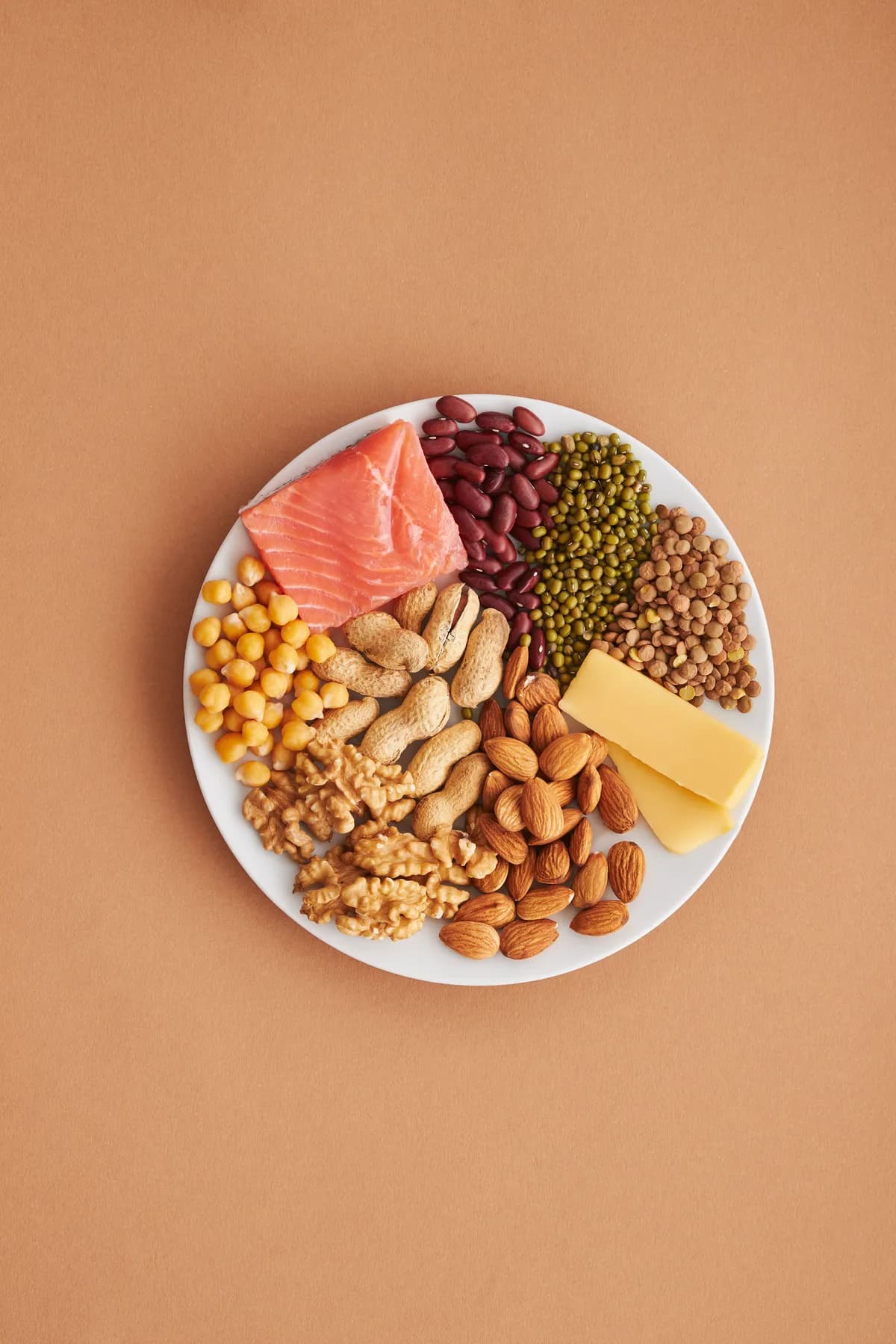
DASH diet spread of vegetables, fruit, grains, and lean proteins for blood pressure
Step 1

Eat the DASH Way

A DASH-style pattern is the single most effective dietary change: fiber- and mineral-rich, lower in sodium and saturated fat.
  • Fill half your plate with vegetables and fruit; choose whole grains.
  • Include low-fat dairy, beans, lentils, fish, and nuts for potassium, magnesium, and calcium.
  • Limit red and processed meat, added sugars, and saturated fat.
  • Use herbs, citrus, garlic, and spices to flavor food instead of salt.
02
Cooking at home to reduce sodium
Step 2

Cut Sodium, Boost Potassium

The biggest sodium wins come from packaged and restaurant foods, and pairing salt reduction with potassium-rich foods multiplies the benefit.
  • Aim for <2,300 mg sodium/day, ideally toward 1,500 mg.
  • Cook at home and read labels (target lower-sodium options).
  • Cut the biggest sources: deli meats, canned soups, frozen meals, salty snacks, sauces.
  • Add potassium-rich foods, but individualize if you have kidney disease.
03
Step 3

Move, Moderate & Monitor

Lifestyle factors beyond diet meaningfully lower blood pressure and protect the heart and kidneys.
  • Do ≥150 min/week of moderate aerobic activity (e.g., 30 min, 5 days).
  • Lose excess weight; even small losses lower blood pressure.
  • Limit alcohol, stop smoking, and manage stress (mindfulness, sleep).
  • Check blood pressure regularly, including at home, and track the trend.

Common Myths About Blood Pressure

Myths vs. Facts

Myth

You'd feel it if your blood pressure were high.

Hover to flipTap to flip
Fact
  • Hypertension is usually symptom-free; the 'silent killer' damages organs invisibly.
  • The only way to know is to measure it, which is why regular checks matter.
Myth

Just not adding salt at the table is enough.

Hover to flipTap to flip
Fact
  • About 70% of sodium is already in processed and restaurant foods before you pick up the shaker.
  • Reading labels and cooking at home matter far more than the table salt habit.
Myth

Once you're on blood pressure medication, diet doesn't matter.

Hover to flipTap to flip
Fact
  • Diet and lifestyle make medications more effective and can lower the dose needed.
  • DASH, sodium reduction, and activity protect the heart and kidneys beyond the BP number.
Myth

Cutting salt is the only thing that helps blood pressure.

Hover to flipTap to flip
Fact
  • Potassium, weight loss, activity, and the overall DASH pattern each lower blood pressure too.
  • Potassium-rich foods help the body excrete sodium and relax blood vessels.

Risk Factors

Hypertension arises from a mix of modifiable and non-modifiable factors, and the modifiable ones are where nutrition and lifestyle make the biggest difference.

Key Risk Factors

High sodium / low potassium diet

Excess sodium and too little potassium directly raise blood pressure.

Excess weight & inactivity

Both increase blood pressure; even modest weight loss and activity lower it.

Alcohol, smoking & stress

All elevate blood pressure and compound cardiovascular risk.

Family history & age

Non-modifiable risks rise with age and genetics, which makes lifestyle even more important.

Special Clinical Care

Some groups need lower targets or extra care in how blood pressure is managed.

People with diabetes or kidney disease

Often have lower BP goals; potassium and sodium must be balanced carefully in kidney disease.

Older adults

Higher prevalence; benefit greatly from DASH and sodium reduction, with careful monitoring.

Those with established heart disease

Tighter control and combined diet-plus-medication approaches reduce future events.

Conclusion

Hypertension is one of the most common and most preventable chronic conditions, and one of the most nutrition-responsive. Understanding the updated numbers (the 2025 ACC/AHA threshold of 130/80, alongside Europe's 140/90) turns an invisible risk into something you can act on. The evidence is clear and practical: a DASH-style diet can lower systolic blood pressure by 8–11 mmHg, sodium reduction toward 1,500 mg and more potassium add further benefit, and weight loss and activity round out the approach. Whether used before medication or alongside it, nutrition is the cornerstone of protecting the heart, brain, and kidneys, and it works best with the guidance of a healthcare provider and registered dietitian.

Frequently Asked Questions

What blood pressure counts as high?

It depends on the guideline. The 2025 US (ACC/AHA) guidelines define Stage 1 hypertension as 130–139/80–89 mmHg and Stage 2 as ≥140/90 mmHg, with a treatment goal under 130/80 for most adults. European guidelines keep 140/90 as the diagnostic threshold but still flag 130–139/80–89 as 'elevated' and worth acting on. Either way, the lifestyle advice is the same, and it starts early.

Why is hypertension called the 'silent killer'?

Because it usually causes no symptoms while it quietly damages arteries, the heart, kidneys, brain, and eyes over years. Many people feel completely well right up until a serious event like a heart attack or stroke. That's why regular blood pressure checks matter, because you can't feel high blood pressure.

What is the DASH diet?

DASH (Dietary Approaches to Stop Hypertension) is the most evidence-based eating pattern for blood pressure. It emphasizes vegetables, fruits, whole grains, low-fat dairy, fish, poultry, beans, and nuts, while limiting sodium, added sugars, and saturated fat. It works by boosting blood-pressure-lowering minerals (potassium, magnesium, calcium) while cutting sodium, and it can lower systolic blood pressure by roughly 8–11 mmHg.

How much sodium should I have?

Aim for less than 2,300 mg of sodium per day (about one teaspoon of salt), moving toward an ideal of under 1,500 mg/day for greater blood-pressure benefit. Around 70% of dietary sodium comes from processed and restaurant foods, not the salt shaker, so reading labels and cooking at home matter most.

Is potassium as important as cutting salt?

It's a powerful and often-overlooked partner. Potassium helps the body excrete sodium and relaxes blood vessel walls, so increasing potassium-rich foods (leafy greens, beans, lentils, bananas, yogurt) lowers blood pressure alongside sodium reduction. Note: people with kidney disease need to be cautious with potassium and should follow medical advice.

Can I manage hypertension without medication?

Many people with Stage 1 hypertension and low cardiovascular risk can try 3–6 months of lifestyle changes first, and some avoid medication entirely. But lifestyle and medication aren't either/or. Even when drugs are needed, DASH, sodium reduction, activity, and weight loss make them work better and may reduce the dose. Decisions should be made with your healthcare provider.

Sources & References

2025 AHA/ACC Guideline for the Management of High Blood Pressure in Adults www.jacc.org/doi/10.1016/j.jacc.2025.07.010
1
DASH Eating Plan — National Heart, Lung, and Blood Institute (NIH) www.nhlbi.nih.gov/education/dash-eating-plan
2
Heart & Stroke Foundation of Canada — DASH Diet www.heartandstroke.ca/healthy-living/healthy-eating/dash-diet
3

Similar Blogs

clinical-nutrition
Cancer & Nutrition: Eating Well Through Treatment

An evidence-based overview of nutrition during cancer treatment: why protein and calories matter, managing side effects and cachexia, the truth about 'sugar feeds cancer,' and when to get support.

gut-health
Celiac Disease: A Clinical Nutrition Overview

An evidence-based overview of celiac disease: how it differs from gluten sensitivity, why a strict gluten-free diet is the only treatment, the deficiencies to watch for, and avoiding cross-contamination.

gut-health
GERD & Acid Reflux: A Clinical Nutrition Overview

An evidence-based overview of GERD and acid reflux: why weight loss, meal timing, and bed elevation beat blanket food bans, how to find your personal triggers, and when to see a doctor.

maternal-nutrition
Gestational Diabetes: A Clinical Nutrition Overview

An evidence-based overview of gestational diabetes (GDM): blood glucose targets, carbohydrate management, why most people manage with nutrition alone, and protecting both mother and baby.

clinical-nutrition
Gout & Nutrition: A Clinical Overview

An evidence-based overview of gout nutrition: the role of purines, fructose, and alcohol, why weight loss helps, the truth about cherries, and why diet supports but doesn't replace medication.

womens-health
Menopause & Nutrition: A Clinical Overview

An evidence-based overview of nutrition through menopause: why protein and bone matter more, the truth about soy and hot flashes, managing midlife weight gain, and protecting long-term heart and bone health.

heart-health
Stroke & Nutrition: Prevention and Recovery

An evidence-based overview of nutrition for stroke: the dietary patterns and sodium targets that cut risk, plus how nutrition supports recovery, including dysphagia (swallowing difficulty).

clinical-nutrition
Type 2 Diabetes: A Clinical Nutrition Overview

An evidence-based overview of type 2 diabetes nutrition: how to manage and even reverse it, the plate method, carbohydrate quality, weight-loss targets, and what the latest ADA standards recommend.

gut-health
Ulcerative Colitis: A Clinical Nutrition Overview

An evidence-based overview of ulcerative colitis nutrition: how it differs from Crohn's, eating during flares vs remission, key deficiencies, the Mediterranean diet evidence, and avoiding needless restriction.

nutrient-deficiencies
Vitamin B12 Deficiency: A Clinical Nutrition Overview

An evidence-based overview of vitamin B12 deficiency: the at-risk groups (vegans, older adults, metformin and PPI users), the serious neurological signs, food sources, and when supplements or injections are needed.

heart-health
Hyperlipidemia: Nutrition Strategies for Cholesterol Management

An overview of hyperlipidemia: what the lipid numbers mean, the diet changes that actually lower LDL (soluble fiber, plant sterols, swapping saturated fats), and how much each can move the needle.

foundational-habits
Healthy Eating in Restaurants

Eating out can fit into a healthy lifestyle. Learn practical, flexible strategies to make confident choices at restaurants without guilt or perfectionism.

heart-health
Heart Failure and Nutrition

An evidence-based overview of heart failure: the physiology, the sodium and fluid targets that ease congestion, and why protecting muscle matters as much as cutting salt.

foundational-habits
Detox Diets: What Actually Helps Your Body

Detox diets promise quick resets, but your body already has built-in detox systems. Learn what truly supports them through everyday habits.

nutrient-deficiencies
Anemia: A Clinical Nutrition Overview

An evidence-based overview of anemia, covering common causes, clinical features, diagnostic markers, iron-rich foods with absorption data, and nutrition-focused management strategies.

foundational-habits
Anti-Inflammatory Nutrition: A Clinical Overview

An evidence-based overview of anti-inflammatory nutrition: how diet influences inflammatory markers like CRP, the foods and patterns that genuinely help, and the myths (nightshades, celery juice, 'inflammatory food' lists) worth ignoring.

clinical-nutrition
Cirrhosis: A Clinical Nutrition Overview

An evidence-based overview of cirrhosis, covering liver function decline, complications, and the nutrition targets that protect muscle: energy, protein, the late-evening snack, sodium, and vitamins.

gut-health
Crohn’s Disease: A Clinical Nutrition Overview

An evidence-based overview of Crohn’s disease: how inflammation drives malabsorption, the specific deficiencies to watch, and proven nutrition therapies like exclusive enteral nutrition.

maternal-nutrition
Endometriosis: A Clinical Nutrition Overview

An evidence-based overview of endometriosis: the inflammation and estrogen drivers, the gut-and-hormone connection, and specific nutrition strategies (omega-3s, fiber, fat quality) that may ease symptoms.

meal-planning-prep
Meal Planning for Busy Families

A practical guide to help busy families simplify meal planning with flexible routines, quick strategies, and supportive habits that make weeknight meals easier.

foundational-habits
Nutrition Myths Debunked

A clear, approachable guide that breaks down common nutrition myths and replaces them with realistic, everyday habits that support long-term wellness.

maternal-nutrition
Vitamin D and Pregnancy: A Clinical Nutrition Overview

An evidence-based overview of vitamin D in pregnancy: maternal and fetal benefits, the 2024 guideline shift toward supplementation, realistic dosing, food sources, and who's most at risk of deficiency.

clinical-nutrition
Prediabetes & Insulin Resistance: A Clinical Nutrition Overview

An evidence-based overview of prediabetes and insulin resistance: the diagnostic numbers, why it's reversible, and the specific nutrition and lifestyle strategies proven to cut diabetes risk by up to 58%.

healthy-living
Reasons to Shop Seasonally

A lifestyle-friendly guide to seasonal shopping: why it can taste better, feel lighter on your budget, and bring more variety and ease to everyday meals.

clinical-nutrition
Thyroid Health & Nutrition: A Clinical Overview

An evidence-based overview of thyroid health: how hypothyroidism and hyperthyroidism differ, the key nutrients (iodine, selenium, iron, zinc), medication timing, and what the goitrogen myth gets wrong.

healthy-living
Impact of Rising Food Prices on Canadians’ Healthcare

Understand how rising food prices influence Canadians' eating habits, stress levels, and long-term healthcare outcomes, plus practical strategies to stay nourished on a budget.

gut-health
Irritable Bowel Syndrome (IBS): A Clinical Nutrition Overview

A clinically grounded overview of IBS: how it's diagnosed (Rome IV), why symptoms happen, and the specific nutrition strategies, including the 3-phase low-FODMAP diet, that reduce symptoms.

womens-health
PCOS (Now PMOS) and Nutrition: A Clinical Overview

An evidence-based overview of PCOS (recently renamed PMOS) covering the updated diagnosis, why insulin resistance is central, and the specific nutrition strategies that improve hormones, cycles, and metabolic health.

dietary-strategies
The Ketogenic Diet: A Clinical Nutrition Overview

An evidence-based overview of the ketogenic diet: how ketosis works, what the research shows for weight loss and type 2 diabetes, the real risks, and why sustainability is the catch.

clinical-nutrition
Osteoporosis & Bone Health: A Clinical Nutrition Overview

An evidence-based overview of osteoporosis: the nutrients that build and preserve bone (calcium, vitamin D, protein), why food beats supplements, and how to lower fracture risk.

brain-mental-health
Nutrition & Brain Health: A Clinical Overview

An evidence-based overview of nutrition and brain health: the nutrients tied to mood and cognition, the MIND and Mediterranean diets, and how eating patterns may protect against cognitive decline.

gut-health
Pancreatitis: A Clinical Nutrition Overview

An evidence-based overview of pancreatitis: acute vs chronic, why early feeding now replaces 'pancreatic rest,' enzyme replacement and fat-soluble vitamins, and how nutrition protects the pancreas.

clinical-nutrition
MASLD (Formerly NAFLD): A Clinical Nutrition Overview

An evidence-based overview of metabolic dysfunction-associated steatotic liver disease (MASLD, formerly NAFLD): the new diagnosis, why it's so nutrition-responsive, and the specific strategies that reduce liver fat.

clinical-nutrition
Kidney Health: A Clinical Nutrition Overview

An evidence-based overview of kidney health: how the kidneys work, the stages of chronic kidney disease, kidney stones and oxalate, and the specific nutrition strategies that protect them.

gut-health
Nutrition for Gut Health: A Clinical Overview

An evidence-based overview of nutrition for gut health: how fiber and plant diversity feed the microbiome, what probiotics and fermented foods actually do, and strategies for common digestive concerns.

healthy-living
Nutrition for Immune Health: A Clinical Overview

An evidence-based overview of nutrition and immunity: the micronutrients that matter most, the gut-immune connection, why no single food 'boosts' immunity, and what actually supports your defenses.

healthy-living
Supplements: What Works and What Doesn't

An evidence-based overview of dietary supplements: who actually needs them, which have strong evidence, which are overhyped, which can harm, and how to choose safe, effective products.