Kidney Health: A Clinical Nutrition Overview

Understanding kidney function, disease stages, and nutrition for prevention and management

2024-10-23
📝1,695words
⏱️9min read
Clinical Nutrition
#Kidney Health#Chronic Kidney Disease#Kidney Stones#Renal Nutrition#Prevention

Kidney Health

The kidneys do a lot of quiet work: they filter the blood, balance fluids and minerals, and produce hormones that regulate blood pressure, red blood cells, and bone health. Kidney diseases, including chronic kidney disease (CKD), acute kidney injury (AKI), and kidney stones, are increasingly common and can significantly affect quality of life, with advanced disease sometimes requiring dialysis or transplantation.

The encouraging news is that many kidney problems are preventable or manageable, especially when addressed early. Because the most common causes of CKD are diabetes and high blood pressure, and because early disease is often silent, nutrition and lifestyle play a central role both in protecting healthy kidneys and in slowing disease once it appears.

This article reviews how the kidneys work, how kidney disease is staged, what drives kidney stones, and the specific, evidence-based nutrition strategies used for prevention and management at each stage.

Clinical Summary

Kidney Health

The kidneys filter waste, balance fluids and minerals, and produce key hormones, and nutrition is central to protecting them and slowing kidney disease.

What they do

Filter & regulate

Filter ~180 L of fluid daily, balance electrolytes, and make hormones for blood pressure, red cells, and bone.

Why it matters

Often silent

CKD affects ~1 in 10 adults and usually has no early symptoms, so screening and prevention are key.

Top causes

Diabetes & BP

Diabetes and high blood pressure cause most CKD; controlling them is the first line of defense.

What we'll cover

Stages & nutrition

Kidney function, CKD stages, kidney stones, and stage-specific nutrition strategies.

Pathophysiology Profile

Pathophysiology Profile

Kidney disease is largely driven by diabetes, high blood pressure, and modifiable dietary factors. Because early CKD is silent and kidney stones are often recurrent, nutrition is a powerful, evidence-based tool for prevention and management at every stage.

Daily Filtration

~180 L

The kidneys filter about 180 litres of fluid a day, reabsorbing nearly all of it and excreting only ~1.5 L as urine.

CKD Staging

eGFR 90 → <15

Chronic kidney disease is staged 1–5 by estimated glomerular filtration rate; stage 5 (under 15) is kidney failure.

Stone Prevention

~2.5 L urine/day

Producing about 2.5 L of urine daily is the single most effective step, and it sharply lowers kidney stone risk.

Kidney Function, Disease, and Stones

01

How the Kidneys Work

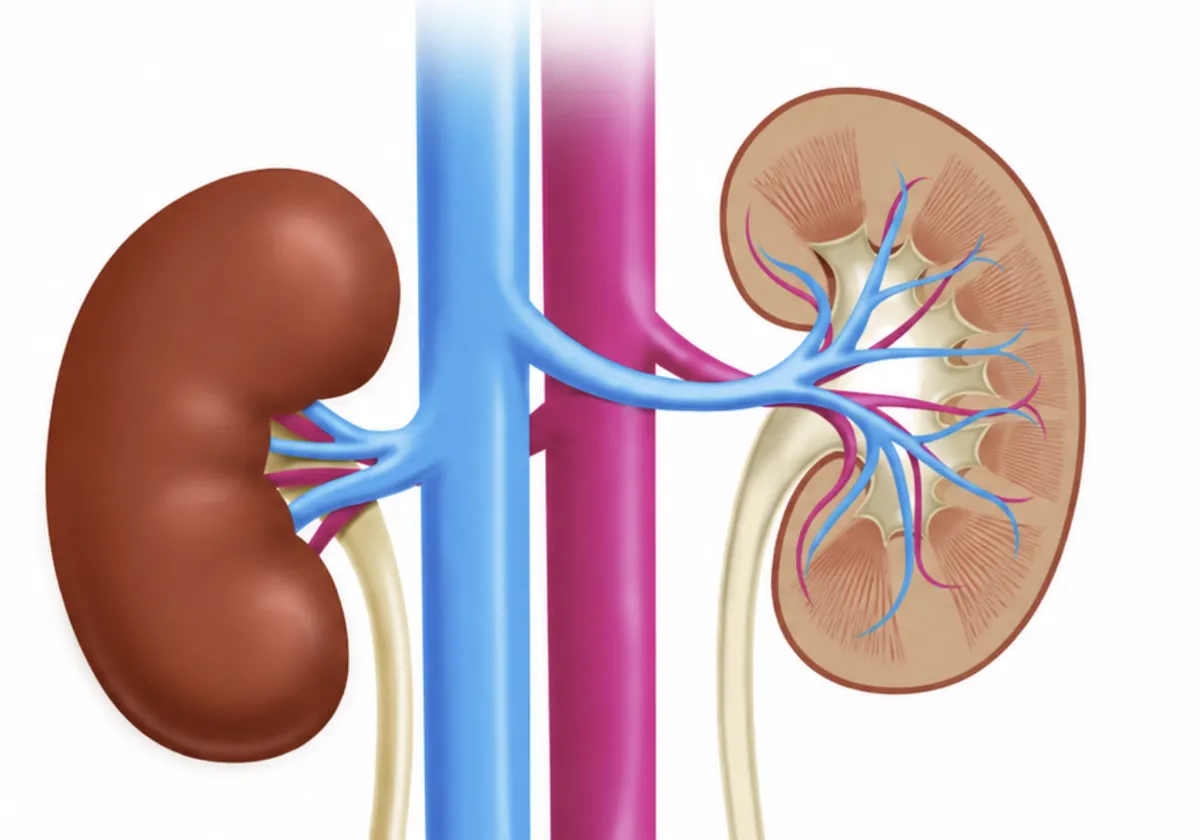
Each day, roughly 1,600 litres of blood pass through the kidneys, where a vast network of filtering units called nephrons removes waste, excess electrolytes, and toxins. About 180 litres of filtrate are produced, but nearly all of it is reabsorbed, leaving only about 1.5 litres excreted as urine. Beyond filtration, the kidneys are an endocrine organ: they release renin to regulate blood pressure, produce erythropoietin to drive red blood cell production, and activate vitamin D into calcitriol for calcium absorption and bone health.

Key Takeaways

  • Filtration: Nephrons clear waste and balance fluid, electrolytes, and acid-base status.
  • Blood pressure: Renin helps regulate vascular tone and fluid balance.
  • Red cells & bone: Erythropoietin supports red blood cells; activated vitamin D supports bone.
02

Acute vs. Chronic Kidney Disease

Acute kidney injury (AKI) is a sudden drop in kidney function, often from dehydration, infection, obstruction, or nephrotoxic drugs, and is frequently reversible if caught early. Chronic kidney disease (CKD) is a progressive, irreversible loss of function lasting more than three months. As filtration falls, waste and fluid build up while hormone production declines, causing anemia and bone disease. CKD is staged by the estimated glomerular filtration rate (eGFR), which guides how aggressively nutrition and treatment are applied.

Key Takeaways

  • AKI: Sudden, often reversible; dehydration, infection, and nephrotoxins are common triggers.
  • CKD stages 1–2 (eGFR ≥60): Kidney damage with preserved function, so the focus is prevention.
  • CKD stages 3–4 (eGFR 15–59): Declining function, where targeted dietary adjustments slow progression.
  • CKD stage 5 (eGFR <15): Kidney failure, which may require dialysis or transplant.
03

Kidney Stones and Oxalate

Kidney stones form when minerals crystallize in concentrated urine; calcium oxalate stones are by far the most common. Risk rises with low fluid intake, high sodium, high animal protein, excess sugar, obesity, and conditions like gout or malabsorption. Here is a key and often misunderstood point: dietary calcium actually protects against the most common stones, because calcium binds oxalate in the gut so it's excreted in stool rather than absorbed and sent to the kidneys.

Key Takeaways

  • Hydrate first: Aim for fluid that yields ~2.5 L of urine daily (often ~3 L intake).
  • Limit sodium: Under ~2,300 mg/day reduces calcium in the urine.
  • Pair oxalate with calcium: Eat high-oxalate foods alongside a calcium source to bind oxalate.
  • Moderate animal protein & sugar: Both raise stone risk; favor plant proteins.
04

Nutrition Across the CKD Journey

Nutrition needs change dramatically with kidney disease stage, which is why a one-size diet is wrong and professional guidance matters. In prevention and early CKD, the focus is controlling diabetes and blood pressure, limiting sodium, and staying hydrated. As CKD advances, the diet may need to manage potassium, phosphorus, and protein. Crucially, protein is moderated rather than eliminated in advanced pre-dialysis CKD, while protein needs actually increase once a person is on dialysis.

Key Takeaways

  • Sodium: Keep under ~2,300 mg/day across all stages to limit fluid overload and BP.
  • Protein: No restriction for healthy kidneys; ~0.6–0.8 g/kg/day may slow advanced CKD; needs rise on dialysis.
  • Potassium & phosphorus: Monitored and adjusted mainly in later stages, guided by blood tests.
  • Individualize: A renal dietitian tailors the plan to stage, labs, and other conditions.

Practical Strategies

Protecting kidney health combines managing the root causes (diabetes, blood pressure), sensible everyday nutrition, and stage-specific adjustments for those with established kidney disease.

01
Balanced, kidney-friendly meal of chicken and vegetables
Step 1

Protect Healthy Kidneys

For prevention, the biggest wins come from controlling the conditions that damage kidneys and from simple, sustainable diet habits.
  • Keep blood sugar and blood pressure in target range, since they are the top two CKD causes.
  • Limit sodium to under ~2,300 mg/day; cut processed and restaurant foods.
  • Stay well hydrated and maintain a healthy body weight.
  • Favor a plant-forward, whole-food pattern (e.g., DASH or Mediterranean).
02
Glass of water with mint for hydration and kidney stone prevention
Step 2

Prevent Kidney Stones

Stone prevention is highly diet-responsive, and recurrence is common, so consistent habits matter.
  • Drink enough to produce ~2.5 L of urine daily (often ~3 L intake).
  • Keep dietary calcium adequate and pair it with high-oxalate foods.
  • Moderate high-oxalate foods (spinach, nuts, beets) rather than eliminating them.
  • Limit sodium, added sugar, and excess animal protein.
03
Step 3

Living with CKD

With established kidney disease, nutrition is tailored to stage and lab results, always alongside medical care.
  • Follow a renal dietitian's individualized plan, since needs shift by stage.
  • Monitor potassium and phosphorus mainly in later stages, guided by bloodwork.
  • Moderate (don't crash) protein pre-dialysis; increase protein on dialysis.
  • Prefer food over supplements; clear any supplement with your care team.

Common Myths About Kidney Health

Myths vs. Facts

Myth

Cutting calcium prevents kidney stones.

Hover to flipTap to flip
Fact
  • The opposite is usually true: adequate dietary calcium binds oxalate in the gut and lowers stone risk.
  • It's high-dose calcium supplements, not food calcium, that can raise risk.
Myth

Everyone with kidney disease must eat very little protein.

Hover to flipTap to flip
Fact
  • Protein is moderated only in certain advanced pre-dialysis stages, never for healthy kidneys.
  • On dialysis, protein needs actually go up, and over-restriction risks malnutrition.
Myth

You'd know if your kidneys were failing.

Hover to flipTap to flip
Fact
  • Early CKD is usually silent, with no symptoms until significant function is lost.
  • Simple blood (eGFR) and urine tests catch it early, which matters for at-risk people.
Myth

Detox teas, cleanses, or extra supplements 'flush' the kidneys.

Hover to flipTap to flip
Fact
  • No cleanse improves kidney function; some herbal and high-dose supplements can harm kidneys.
  • Plain water and managing diabetes and blood pressure are what actually protect them.

Risk Factors

Several medical, lifestyle, and genetic factors raise the risk of kidney disease and kidney stones.

Key Risk Factors

Diabetes

The leading cause of CKD; high blood sugar damages the filtering nephrons over time.

High blood pressure

The second leading cause; it strains and stiffens kidney blood vessels.

Obesity & metabolic syndrome

Increase both CKD and kidney stone risk through multiple pathways.

Low fluid intake & high sodium

Concentrate the urine and raise the risk of stone formation.

Special Clinical Care

Some groups need closer monitoring and more individualized nutrition support for kidney health.

People with diabetes or hypertension

Highest CKD risk; tight control of blood sugar and blood pressure is protective.

Individuals on dialysis

Have higher protein needs and tightly managed potassium, phosphorus, and fluid.

Recurrent stone formers

Benefit from a targeted prevention plan based on stone type and 24-hour urine testing.

Conclusion

Kidney disease is increasingly common but, in many cases, highly preventable, and nutrition is one of the most powerful tools available. Protecting the kidneys starts with managing diabetes and blood pressure, staying hydrated, and limiting sodium, while kidney stone prevention hinges on fluid, adequate dietary calcium, and moderation rather than elimination. Once CKD is established, nutrition has to be carefully tailored to the stage, balancing protein, potassium, and phosphorus without tipping into malnutrition. With early screening and the guidance of a registered dietitian, most people can meaningfully protect their long-term kidney health.

Frequently Asked Questions

What do the kidneys actually do?

The kidneys filter about 180 litres of fluid from the blood each day, returning almost all of it and excreting roughly 1.5 litres as urine. They balance fluids and electrolytes, remove waste, regulate blood pressure (via renin), stimulate red blood cell production (via erythropoietin), and activate vitamin D for bone health.

What is chronic kidney disease (CKD) and how is it staged?

CKD is a gradual, lasting loss of kidney function over more than three months, measured by the estimated glomerular filtration rate (eGFR). Stage 1 is normal eGFR (≥90) with kidney damage, through to stage 5 (eGFR <15), which is kidney failure that may require dialysis or transplant. Early stages often have no symptoms, so screening matters for at-risk people.

Do people with kidney disease need a low-protein diet?

It depends on the stage. Healthy kidneys need no protein restriction at all. In moderate-to-advanced CKD (not on dialysis), a moderately lower protein intake (often around 0.6–0.8 g/kg/day) may help slow progression. On dialysis, protein needs actually rise. This has to be individualized with a renal dietitian to avoid malnutrition.

How can I lower my risk of kidney stones through diet?

The single most effective step is drinking enough fluid to produce about 2.5 litres of urine a day (often ~3 litres of intake). Also limit sodium (under ~2,300 mg/day), keep animal protein moderate, and limit added sugar. Counterintuitively, you should also keep calcium intake adequate, since dietary calcium binds oxalate in the gut and reduces stone risk.

Should I avoid high-oxalate foods like spinach completely?

Not usually. Most high-oxalate foods (spinach, nuts, beets, rhubarb) are nutritious. The goal is moderation, not elimination. It also helps to eat them together with a calcium source (like yogurt) so the oxalate binds to calcium in the gut rather than being absorbed and reaching the kidneys.

Are supplements safe for my kidneys?

Some can raise risk. High-dose calcium supplements (unlike dietary calcium) and high-dose vitamin C can increase kidney stone risk, and many herbal and high-dose supplements stress compromised kidneys. Food sources are preferred; always review supplements with your healthcare team, especially if you have CKD.

Sources & References

National Kidney Foundation — Nutrition and CKD www.kidney.org/atoz/content/nutrition
1
KDIGO 2024 Clinical Practice Guideline for the Evaluation and Management of CKD kdigo.org/guidelines/ckd-evaluation-and-management/
2

Similar Blogs

clinical-nutrition
Cancer & Nutrition: Eating Well Through Treatment

An evidence-based overview of nutrition during cancer treatment: why protein and calories matter, managing side effects and cachexia, the truth about 'sugar feeds cancer,' and when to get support.

gut-health
Celiac Disease: A Clinical Nutrition Overview

An evidence-based overview of celiac disease: how it differs from gluten sensitivity, why a strict gluten-free diet is the only treatment, the deficiencies to watch for, and avoiding cross-contamination.

gut-health
GERD & Acid Reflux: A Clinical Nutrition Overview

An evidence-based overview of GERD and acid reflux: why weight loss, meal timing, and bed elevation beat blanket food bans, how to find your personal triggers, and when to see a doctor.

maternal-nutrition
Gestational Diabetes: A Clinical Nutrition Overview

An evidence-based overview of gestational diabetes (GDM): blood glucose targets, carbohydrate management, why most people manage with nutrition alone, and protecting both mother and baby.

clinical-nutrition
Gout & Nutrition: A Clinical Overview

An evidence-based overview of gout nutrition: the role of purines, fructose, and alcohol, why weight loss helps, the truth about cherries, and why diet supports but doesn't replace medication.

womens-health
Menopause & Nutrition: A Clinical Overview

An evidence-based overview of nutrition through menopause: why protein and bone matter more, the truth about soy and hot flashes, managing midlife weight gain, and protecting long-term heart and bone health.

heart-health
Stroke & Nutrition: Prevention and Recovery

An evidence-based overview of nutrition for stroke: the dietary patterns and sodium targets that cut risk, plus how nutrition supports recovery, including dysphagia (swallowing difficulty).

clinical-nutrition
Type 2 Diabetes: A Clinical Nutrition Overview

An evidence-based overview of type 2 diabetes nutrition: how to manage and even reverse it, the plate method, carbohydrate quality, weight-loss targets, and what the latest ADA standards recommend.

gut-health
Ulcerative Colitis: A Clinical Nutrition Overview

An evidence-based overview of ulcerative colitis nutrition: how it differs from Crohn's, eating during flares vs remission, key deficiencies, the Mediterranean diet evidence, and avoiding needless restriction.

nutrient-deficiencies
Vitamin B12 Deficiency: A Clinical Nutrition Overview

An evidence-based overview of vitamin B12 deficiency: the at-risk groups (vegans, older adults, metformin and PPI users), the serious neurological signs, food sources, and when supplements or injections are needed.

heart-health
Hyperlipidemia: Nutrition Strategies for Cholesterol Management

An overview of hyperlipidemia: what the lipid numbers mean, the diet changes that actually lower LDL (soluble fiber, plant sterols, swapping saturated fats), and how much each can move the needle.

foundational-habits
Healthy Eating in Restaurants

Eating out can fit into a healthy lifestyle. Learn practical, flexible strategies to make confident choices at restaurants without guilt or perfectionism.

heart-health
Heart Failure and Nutrition

An evidence-based overview of heart failure: the physiology, the sodium and fluid targets that ease congestion, and why protecting muscle matters as much as cutting salt.

foundational-habits
Detox Diets: What Actually Helps Your Body

Detox diets promise quick resets, but your body already has built-in detox systems. Learn what truly supports them through everyday habits.

nutrient-deficiencies
Anemia: A Clinical Nutrition Overview

An evidence-based overview of anemia, covering common causes, clinical features, diagnostic markers, iron-rich foods with absorption data, and nutrition-focused management strategies.

foundational-habits
Anti-Inflammatory Nutrition: A Clinical Overview

An evidence-based overview of anti-inflammatory nutrition: how diet influences inflammatory markers like CRP, the foods and patterns that genuinely help, and the myths (nightshades, celery juice, 'inflammatory food' lists) worth ignoring.

clinical-nutrition
Cirrhosis: A Clinical Nutrition Overview

An evidence-based overview of cirrhosis, covering liver function decline, complications, and the nutrition targets that protect muscle: energy, protein, the late-evening snack, sodium, and vitamins.

gut-health
Crohn’s Disease: A Clinical Nutrition Overview

An evidence-based overview of Crohn’s disease: how inflammation drives malabsorption, the specific deficiencies to watch, and proven nutrition therapies like exclusive enteral nutrition.

maternal-nutrition
Endometriosis: A Clinical Nutrition Overview

An evidence-based overview of endometriosis: the inflammation and estrogen drivers, the gut-and-hormone connection, and specific nutrition strategies (omega-3s, fiber, fat quality) that may ease symptoms.

meal-planning-prep
Meal Planning for Busy Families

A practical guide to help busy families simplify meal planning with flexible routines, quick strategies, and supportive habits that make weeknight meals easier.

foundational-habits
Nutrition Myths Debunked

A clear, approachable guide that breaks down common nutrition myths and replaces them with realistic, everyday habits that support long-term wellness.

maternal-nutrition
Vitamin D and Pregnancy: A Clinical Nutrition Overview

An evidence-based overview of vitamin D in pregnancy: maternal and fetal benefits, the 2024 guideline shift toward supplementation, realistic dosing, food sources, and who's most at risk of deficiency.

clinical-nutrition
Prediabetes & Insulin Resistance: A Clinical Nutrition Overview

An evidence-based overview of prediabetes and insulin resistance: the diagnostic numbers, why it's reversible, and the specific nutrition and lifestyle strategies proven to cut diabetes risk by up to 58%.

healthy-living
Reasons to Shop Seasonally

A lifestyle-friendly guide to seasonal shopping: why it can taste better, feel lighter on your budget, and bring more variety and ease to everyday meals.

clinical-nutrition
Thyroid Health & Nutrition: A Clinical Overview

An evidence-based overview of thyroid health: how hypothyroidism and hyperthyroidism differ, the key nutrients (iodine, selenium, iron, zinc), medication timing, and what the goitrogen myth gets wrong.

healthy-living
Impact of Rising Food Prices on Canadians’ Healthcare

Understand how rising food prices influence Canadians' eating habits, stress levels, and long-term healthcare outcomes, plus practical strategies to stay nourished on a budget.

gut-health
Irritable Bowel Syndrome (IBS): A Clinical Nutrition Overview

A clinically grounded overview of IBS: how it's diagnosed (Rome IV), why symptoms happen, and the specific nutrition strategies, including the 3-phase low-FODMAP diet, that reduce symptoms.

womens-health
PCOS (Now PMOS) and Nutrition: A Clinical Overview

An evidence-based overview of PCOS (recently renamed PMOS) covering the updated diagnosis, why insulin resistance is central, and the specific nutrition strategies that improve hormones, cycles, and metabolic health.

dietary-strategies
The Ketogenic Diet: A Clinical Nutrition Overview

An evidence-based overview of the ketogenic diet: how ketosis works, what the research shows for weight loss and type 2 diabetes, the real risks, and why sustainability is the catch.

clinical-nutrition
Osteoporosis & Bone Health: A Clinical Nutrition Overview

An evidence-based overview of osteoporosis: the nutrients that build and preserve bone (calcium, vitamin D, protein), why food beats supplements, and how to lower fracture risk.

brain-mental-health
Nutrition & Brain Health: A Clinical Overview

An evidence-based overview of nutrition and brain health: the nutrients tied to mood and cognition, the MIND and Mediterranean diets, and how eating patterns may protect against cognitive decline.

heart-health
Hypertension: A Clinical Nutrition Overview

An evidence-based overview of hypertension (high blood pressure): updated 2025 thresholds, why it's the 'silent killer,' and the specific nutrition strategies (DASH, sodium, potassium) that lower it.

gut-health
Pancreatitis: A Clinical Nutrition Overview

An evidence-based overview of pancreatitis: acute vs chronic, why early feeding now replaces 'pancreatic rest,' enzyme replacement and fat-soluble vitamins, and how nutrition protects the pancreas.

clinical-nutrition
MASLD (Formerly NAFLD): A Clinical Nutrition Overview

An evidence-based overview of metabolic dysfunction-associated steatotic liver disease (MASLD, formerly NAFLD): the new diagnosis, why it's so nutrition-responsive, and the specific strategies that reduce liver fat.

gut-health
Nutrition for Gut Health: A Clinical Overview

An evidence-based overview of nutrition for gut health: how fiber and plant diversity feed the microbiome, what probiotics and fermented foods actually do, and strategies for common digestive concerns.

healthy-living
Nutrition for Immune Health: A Clinical Overview

An evidence-based overview of nutrition and immunity: the micronutrients that matter most, the gut-immune connection, why no single food 'boosts' immunity, and what actually supports your defenses.

healthy-living
Supplements: What Works and What Doesn't

An evidence-based overview of dietary supplements: who actually needs them, which have strong evidence, which are overhyped, which can harm, and how to choose safe, effective products.