Prediabetes & Insulin Resistance: A Clinical Nutrition Overview

Nutrition strategies to reverse insulin resistance and prevent type 2 diabetes

2025-03-26
📝1,642words
⏱️9min read
Clinical Nutrition
#Prediabetes#Insulin Resistance#Type 2 Diabetes#Metabolic Syndrome#Prevention

Prediabetes & Insulin Resistance

Prediabetes and insulin resistance are a critical early stage on the path to type 2 diabetes, and one of the most important opportunities in all of preventive nutrition. At this stage, blood sugar is elevated but the body's glucose control hasn't yet broken down, which means the process can often be slowed, halted, or reversed.

The evidence here is unusually strong. The landmark Diabetes Prevention Program showed that intensive nutrition and lifestyle change reduced the risk of developing type 2 diabetes by 58%, more effective than medication, and follow-up studies show that benefit persisting for over two decades. Yet most people with prediabetes don't know they have it, because it usually causes no symptoms. Registered dietitians play a central role in detecting it, explaining it, and supporting the changes that make the biggest difference.

This article reviews how prediabetes is diagnosed, what insulin resistance actually is, and the specific, evidence-based nutrition and lifestyle strategies that improve insulin sensitivity and prevent progression to diabetes.
Clinical Summary

Prediabetes & Insulin Resistance

Prediabetes is higher-than-normal blood sugar driven by insulin resistance. It's a reversible warning stage where nutrition and lifestyle can prevent type 2 diabetes.

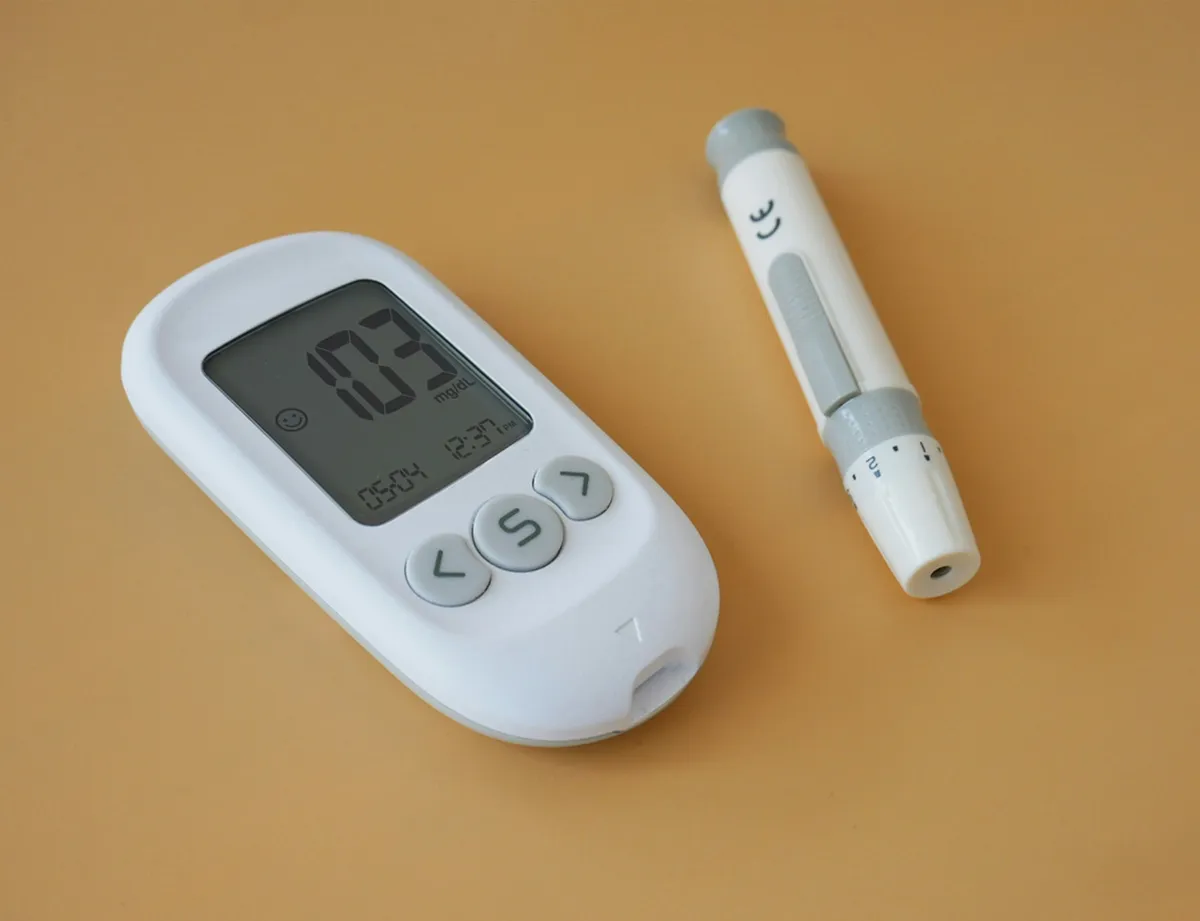
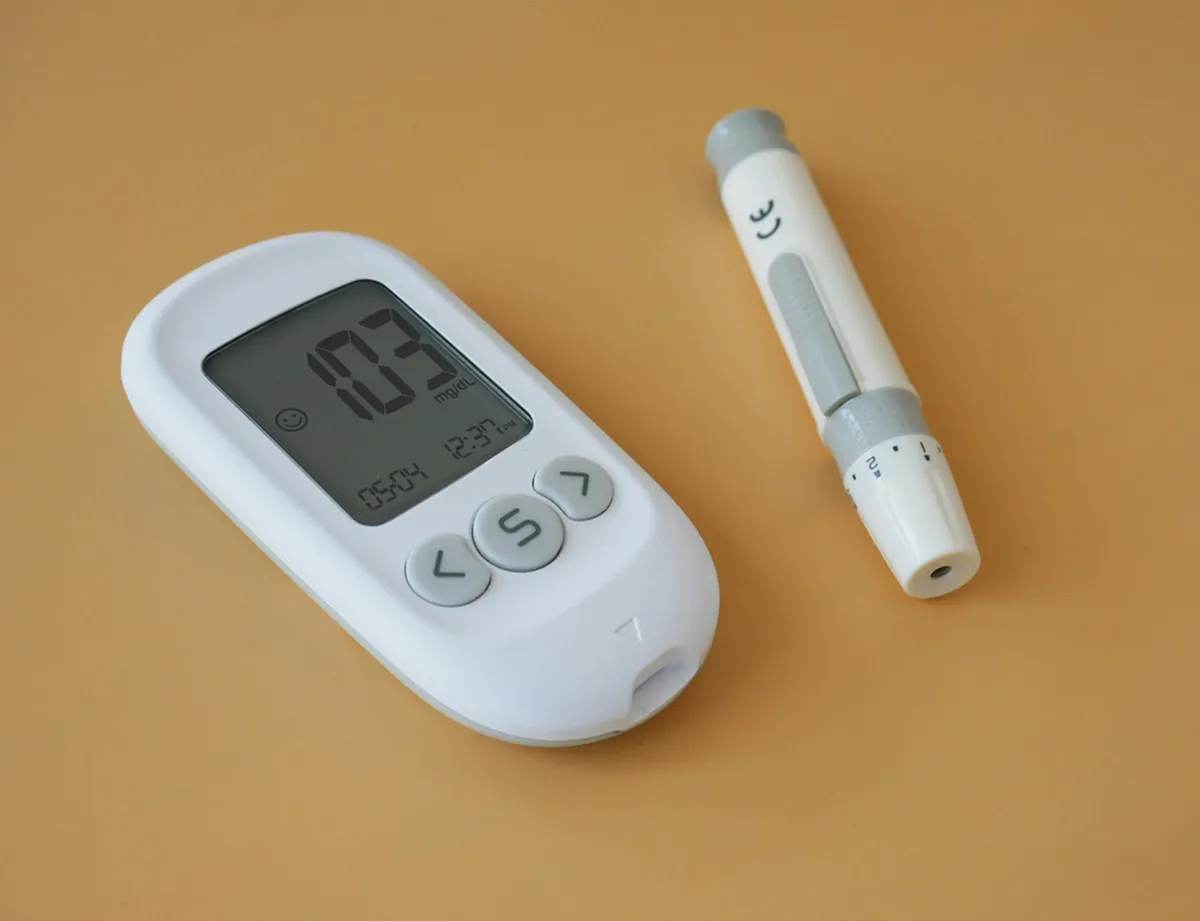
Blood glucose testing for prediabetes

What it is

Elevated blood sugar

Fasting glucose 5.6–6.9 mmol/L (100–125 mg/dL) or A1C 5.7–6.4%: above normal, below diabetes.

The driver

Insulin resistance

Cells respond less to insulin; the pancreas compensates until it can't, and glucose rises.

The opportunity

−58% risk

Lifestyle change cut progression to type 2 diabetes by 58% in the Diabetes Prevention Program.

What we'll cover

Diagnosis & nutrition

The numbers, the mechanism, and evidence-based nutrition and lifestyle strategies.

Pathophysiology Profile

Pathophysiology Profile

Prediabetes is the reversible early phase of insulin resistance, before the pancreas loses the ability to compensate. Because the metabolic machinery still works, targeted nutrition and lifestyle change can restore glucose balance, which makes this the single best window for prevention.

Diagnosis

A1C 5.7–6.4%

Prediabetes is defined by A1C 5.7–6.4%, fasting glucose 100–125 mg/dL, or 2-hour glucose 140–199 mg/dL.

Proven Risk Reduction

−58%

Intensive lifestyle change cut progression to type 2 diabetes by 58% in the DPP, more than metformin.

The Target

7% + 150 min

The DPP goal: lose ~7% of body weight and do 150 minutes of moderate activity per week.

Diagnosis, Mechanism, and the Prevention Evidence

01

How Prediabetes Is Diagnosed

Prediabetes is identified through routine blood tests, and any one of three thresholds confirms it. Because it usually causes no symptoms, screening is the only way to catch it. That matters because it's silently common, affecting well over a third of adults in many countries, the majority undiagnosed. Knowing your numbers turns an invisible risk into something concrete and trackable.

Key Takeaways

  • Fasting plasma glucose: 5.6–6.9 mmol/L (100–125 mg/dL).
  • A1C: 5.7–6.4% (a 3-month average of blood sugar).
  • 2-hour OGTT: 7.8–11.0 mmol/L (140–199 mg/dL).
  • Screen if at risk: Most people have no symptoms, so testing is essential.
02

What Insulin Resistance Actually Is

Insulin is the hormone that lets cells take glucose out of the blood for energy. In insulin resistance, cells respond less to that signal, so the pancreas compensates by producing more and more insulin (hyperinsulinemia) to keep blood sugar normal. For years this works, which is why blood sugar can look fine while resistance quietly builds. Eventually the overworked pancreas can't keep up, glucose rises into the prediabetes range, and without change, progresses to type 2 diabetes. The key point is that acting while the pancreas still copes is what makes reversal possible.

Key Takeaways

  • Compensation phase: High insulin keeps glucose normal, so resistance is hidden early.
  • Decompensation: When the pancreas can't keep up, glucose rises.
  • Visceral fat & inactivity are major drivers of resistance.
  • Early action works because the system isn't yet exhausted.
03

Why Early Intervention Matters

Prediabetes isn't a harmless waiting room. Risk to the body begins before diabetes is diagnosed. It's associated with increased heart disease and stroke risk, early kidney and nerve changes, and low-grade inflammation. But this is also where the most powerful prevention evidence in medicine applies: structured lifestyle change dramatically lowers the chance of ever developing diabetes, and improves blood pressure, lipids, and inflammation along the way.

Key Takeaways

  • Risks start early: Cardiovascular, kidney, and nerve effects can begin in prediabetes.
  • Reversal benefits: Normalized glucose, better lipids, lower blood pressure and inflammation.
  • Whole-body payoff: Managing prediabetes protects the heart, not just blood sugar.
04

The Landmark Prevention Evidence (DPP)

The Diabetes Prevention Program (DPP) is the cornerstone study. It randomized high-risk adults with prediabetes to intensive lifestyle change, metformin, or placebo. The result was striking: the lifestyle group cut their risk of developing type 2 diabetes by 58%, compared with 31% for metformin, so lifestyle nearly doubled the benefit of the drug. Follow-up over a 22-year average showed the prevention effect persisted for decades. The lifestyle target was modest and achievable, which is exactly why it's so motivating.

Key Takeaways

  • 58% risk reduction from intensive lifestyle change (vs. 31% for metformin).
  • The goal: ~7% body-weight loss + 150 min/week of moderate activity.
  • Durable: Benefits persisted over a 22-year average follow-up.
  • Lifestyle first: Nutrition and activity outperformed medication in prevention.

Practical Strategies

Reversing insulin resistance combines carbohydrate quality, modest weight loss, regular movement, and the supporting habits (sleep, stress) that all influence blood sugar.

01
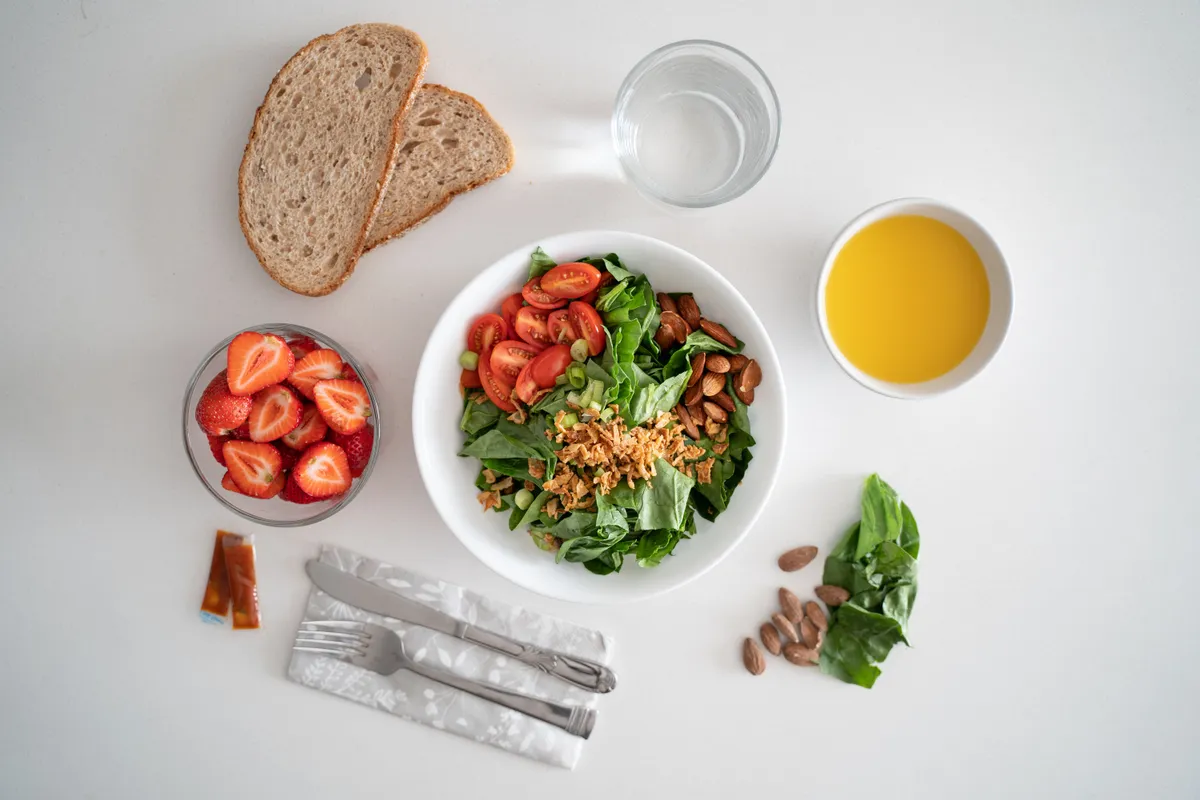
High-fiber whole grains, legumes, and vegetables for blood sugar control
Step 1

Carbohydrate Quality & Fiber

What matters most isn't cutting carbs to zero. It's choosing better carbs, adding fiber, and spreading them through the day.
  • Build meals on whole grains, legumes, vegetables, and fruit (low-glycemic carbs).
  • Aim for 25–40 g/day of fiber to blunt blood sugar spikes.
  • Cut sugary drinks, refined grains, and sweets; spread carbs evenly across meals.
  • Follow a proven pattern such as Mediterranean, DASH, or plant-forward.
02
Walking after meals for blood sugar control
Step 2

Modest Weight Loss & Activity

The DPP showed a small, achievable target delivers outsized results, so you don't need a dramatic transformation.
  • Aim for ~7% body-weight loss (even 5% helps insulin sensitivity).
  • Do 150 min/week of moderate aerobic activity, plus resistance training 2–3×/week.
  • Take a 10–15 min walk after meals to lower post-meal glucose spikes.
  • Use a moderate, sustainable calorie reduction and avoid crash diets.
03
Step 3

Supporting Habits & Monitoring

Sleep, stress, and steady follow-up all influence insulin sensitivity and keep you on track.
  • Prioritize 7–9 hours of quality sleep; poor sleep worsens insulin resistance.
  • Manage chronic stress (mindfulness, activity), which raises blood sugar.
  • Include healthy fats (olive oil, avocado, omega-3s); ensure magnesium and vitamin D.
  • Recheck A1C/glucose periodically and track blood pressure, lipids, and weight.

Common Myths About Prediabetes

Myths vs. Facts

Myth

Prediabetes always turns into diabetes, and there's nothing you can do.

Hover to flipTap to flip
Fact
  • The Diabetes Prevention Program showed lifestyle change cut progression by 58%.
  • Many people return their blood sugar to the normal range, especially acting early.
Myth

You'd feel sick if your blood sugar were high.

Hover to flipTap to flip
Fact
  • Prediabetes is usually completely symptom-free, which is why it's so often missed.
  • A simple A1C or fasting glucose test is the only reliable way to know.
Myth

You have to cut out all carbs to fix insulin resistance.

Hover to flipTap to flip
Fact
  • Carb quality and fiber matter more than eliminating carbs entirely.
  • Whole grains, legumes, and vegetables are protective, and proven patterns include them.
Myth

You need dramatic weight loss to make a difference.

Hover to flipTap to flip
Fact
  • The proven target is just ~7% of body weight, and even 5% improves insulin sensitivity.
  • Pairing modest loss with 150 min/week of activity drives the biggest benefit.

Risk Factors

Several factors raise the likelihood of insulin resistance and progression to type 2 diabetes.

Key Risk Factors

Overweight & central obesity

Excess visceral fat is a primary driver of insulin resistance.

Family history of type 2 diabetes

A close relative with diabetes substantially raises personal risk.

Physical inactivity

Sedentary time reduces insulin sensitivity; activity is directly protective.

Related conditions

PCOS/PMOS, hypertension, dyslipidemia, and prior gestational diabetes increase risk.

Special Clinical Care

Some groups face higher risk and benefit from earlier screening and tailored support.

History of gestational diabetes

Markedly higher lifetime risk of type 2 diabetes, which warrants ongoing screening and prevention.

Higher-risk ancestries

Indigenous, South Asian, African, and Hispanic backgrounds carry elevated risk, often at lower body weights.

People with PCOS/PMOS

Shared insulin resistance makes prediabetes screening and nutrition especially valuable.

Conclusion

Prediabetes and insulin resistance give you a time-limited window for prevention, and the evidence for acting is among the strongest in nutrition. The landmark Diabetes Prevention Program showed that modest, achievable changes, about 7% weight loss and 150 minutes of weekly activity alongside a high-fiber, quality-carbohydrate diet, cut the risk of type 2 diabetes by 58%, with benefits lasting decades. Paired with good sleep, stress management, and regular monitoring, these strategies can reverse insulin resistance and restore metabolic health. With early detection and individualized support from a registered dietitian, prediabetes is far more often a turning point than a destination.

Frequently Asked Questions

What exactly is prediabetes?

Prediabetes means blood sugar is higher than normal but not yet in the diabetes range. It's diagnosed by any of: fasting glucose 5.6–6.9 mmol/L (100–125 mg/dL), an A1C of 5.7–6.4%, or a 2-hour glucose of 7.8–11.0 mmol/L (140–199 mg/dL) on an oral glucose tolerance test. It's a warning stage, and a major opportunity to change course.

What is insulin resistance and how does it lead to diabetes?

Insulin resistance means your cells respond less to insulin, so the pancreas pumps out more to keep blood sugar normal. For years this compensation works, but eventually the pancreas can't keep up and blood sugar rises, first into the prediabetes range, then to type 2 diabetes. Catching it early, while the pancreas still copes, is what makes reversal possible.

Can prediabetes really be reversed?

Yes, and this is one of the best-evidenced facts in nutrition. The landmark Diabetes Prevention Program showed that intensive lifestyle change cut the risk of developing type 2 diabetes by 58%, far more than medication. Many people return their blood sugar to the normal range, especially when they act early.

How much weight loss makes a difference?

The proven target from the Diabetes Prevention Program is modest: about 7% of body weight (e.g., ~6 kg for a 90 kg person), combined with 150 minutes a week of moderate activity. Even 5–7% meaningfully improves insulin sensitivity, so you don't need dramatic weight loss to see results.

Which diet is best for insulin resistance?

There's no single 'prediabetes diet,' but several patterns have strong evidence: Mediterranean, DASH, plant-forward/flexitarian, and low-glycemic-index plans. The common threads are high fiber (25–40 g/day), quality carbohydrates spread evenly through the day, and limiting refined grains and sugary drinks.

Does walking after meals actually help blood sugar?

Yes. Even a short 10–15 minute walk after eating measurably lowers the post-meal blood sugar spike by helping muscles take up glucose. It's one of the simplest, most effective habits for insulin sensitivity, and it adds up alongside the weekly activity target.

Sources & References

Diabetes Prevention Program (DPP) — Reduction in Incidence of T2D with Lifestyle or Metformin (NEJM, 2002) www.nejm.org/doi/full/10.1056/NEJMoa012512
1
American Diabetes Association — Standards of Care in Diabetes (latest) diabetesjournals.org/care/issue/standards-of-care
3
Diabetes Canada — Clinical Practice Guidelines: Reducing the Risk of Diabetes guidelines.diabetes.ca/cpg
4

Similar Blogs

clinical-nutrition
Cancer & Nutrition: Eating Well Through Treatment

An evidence-based overview of nutrition during cancer treatment: why protein and calories matter, managing side effects and cachexia, the truth about 'sugar feeds cancer,' and when to get support.

gut-health
Celiac Disease: A Clinical Nutrition Overview

An evidence-based overview of celiac disease: how it differs from gluten sensitivity, why a strict gluten-free diet is the only treatment, the deficiencies to watch for, and avoiding cross-contamination.

gut-health
GERD & Acid Reflux: A Clinical Nutrition Overview

An evidence-based overview of GERD and acid reflux: why weight loss, meal timing, and bed elevation beat blanket food bans, how to find your personal triggers, and when to see a doctor.

maternal-nutrition
Gestational Diabetes: A Clinical Nutrition Overview

An evidence-based overview of gestational diabetes (GDM): blood glucose targets, carbohydrate management, why most people manage with nutrition alone, and protecting both mother and baby.

clinical-nutrition
Gout & Nutrition: A Clinical Overview

An evidence-based overview of gout nutrition: the role of purines, fructose, and alcohol, why weight loss helps, the truth about cherries, and why diet supports but doesn't replace medication.

womens-health
Menopause & Nutrition: A Clinical Overview

An evidence-based overview of nutrition through menopause: why protein and bone matter more, the truth about soy and hot flashes, managing midlife weight gain, and protecting long-term heart and bone health.

heart-health
Stroke & Nutrition: Prevention and Recovery

An evidence-based overview of nutrition for stroke: the dietary patterns and sodium targets that cut risk, plus how nutrition supports recovery, including dysphagia (swallowing difficulty).

clinical-nutrition
Type 2 Diabetes: A Clinical Nutrition Overview

An evidence-based overview of type 2 diabetes nutrition: how to manage and even reverse it, the plate method, carbohydrate quality, weight-loss targets, and what the latest ADA standards recommend.

gut-health
Ulcerative Colitis: A Clinical Nutrition Overview

An evidence-based overview of ulcerative colitis nutrition: how it differs from Crohn's, eating during flares vs remission, key deficiencies, the Mediterranean diet evidence, and avoiding needless restriction.

nutrient-deficiencies
Vitamin B12 Deficiency: A Clinical Nutrition Overview

An evidence-based overview of vitamin B12 deficiency: the at-risk groups (vegans, older adults, metformin and PPI users), the serious neurological signs, food sources, and when supplements or injections are needed.

heart-health
Hyperlipidemia: Nutrition Strategies for Cholesterol Management

An overview of hyperlipidemia: what the lipid numbers mean, the diet changes that actually lower LDL (soluble fiber, plant sterols, swapping saturated fats), and how much each can move the needle.

foundational-habits
Healthy Eating in Restaurants

Eating out can fit into a healthy lifestyle. Learn practical, flexible strategies to make confident choices at restaurants without guilt or perfectionism.

heart-health
Heart Failure and Nutrition

An evidence-based overview of heart failure: the physiology, the sodium and fluid targets that ease congestion, and why protecting muscle matters as much as cutting salt.

foundational-habits
Detox Diets: What Actually Helps Your Body

Detox diets promise quick resets, but your body already has built-in detox systems. Learn what truly supports them through everyday habits.

nutrient-deficiencies
Anemia: A Clinical Nutrition Overview

An evidence-based overview of anemia, covering common causes, clinical features, diagnostic markers, iron-rich foods with absorption data, and nutrition-focused management strategies.

foundational-habits
Anti-Inflammatory Nutrition: A Clinical Overview

An evidence-based overview of anti-inflammatory nutrition: how diet influences inflammatory markers like CRP, the foods and patterns that genuinely help, and the myths (nightshades, celery juice, 'inflammatory food' lists) worth ignoring.

clinical-nutrition
Cirrhosis: A Clinical Nutrition Overview

An evidence-based overview of cirrhosis, covering liver function decline, complications, and the nutrition targets that protect muscle: energy, protein, the late-evening snack, sodium, and vitamins.

gut-health
Crohn’s Disease: A Clinical Nutrition Overview

An evidence-based overview of Crohn’s disease: how inflammation drives malabsorption, the specific deficiencies to watch, and proven nutrition therapies like exclusive enteral nutrition.

maternal-nutrition
Endometriosis: A Clinical Nutrition Overview

An evidence-based overview of endometriosis: the inflammation and estrogen drivers, the gut-and-hormone connection, and specific nutrition strategies (omega-3s, fiber, fat quality) that may ease symptoms.

meal-planning-prep
Meal Planning for Busy Families

A practical guide to help busy families simplify meal planning with flexible routines, quick strategies, and supportive habits that make weeknight meals easier.

foundational-habits
Nutrition Myths Debunked

A clear, approachable guide that breaks down common nutrition myths and replaces them with realistic, everyday habits that support long-term wellness.

maternal-nutrition
Vitamin D and Pregnancy: A Clinical Nutrition Overview

An evidence-based overview of vitamin D in pregnancy: maternal and fetal benefits, the 2024 guideline shift toward supplementation, realistic dosing, food sources, and who's most at risk of deficiency.

healthy-living
Reasons to Shop Seasonally

A lifestyle-friendly guide to seasonal shopping: why it can taste better, feel lighter on your budget, and bring more variety and ease to everyday meals.

clinical-nutrition
Thyroid Health & Nutrition: A Clinical Overview

An evidence-based overview of thyroid health: how hypothyroidism and hyperthyroidism differ, the key nutrients (iodine, selenium, iron, zinc), medication timing, and what the goitrogen myth gets wrong.

healthy-living
Impact of Rising Food Prices on Canadians’ Healthcare

Understand how rising food prices influence Canadians' eating habits, stress levels, and long-term healthcare outcomes, plus practical strategies to stay nourished on a budget.

gut-health
Irritable Bowel Syndrome (IBS): A Clinical Nutrition Overview

A clinically grounded overview of IBS: how it's diagnosed (Rome IV), why symptoms happen, and the specific nutrition strategies, including the 3-phase low-FODMAP diet, that reduce symptoms.

womens-health
PCOS (Now PMOS) and Nutrition: A Clinical Overview

An evidence-based overview of PCOS (recently renamed PMOS) covering the updated diagnosis, why insulin resistance is central, and the specific nutrition strategies that improve hormones, cycles, and metabolic health.

dietary-strategies
The Ketogenic Diet: A Clinical Nutrition Overview

An evidence-based overview of the ketogenic diet: how ketosis works, what the research shows for weight loss and type 2 diabetes, the real risks, and why sustainability is the catch.

clinical-nutrition
Osteoporosis & Bone Health: A Clinical Nutrition Overview

An evidence-based overview of osteoporosis: the nutrients that build and preserve bone (calcium, vitamin D, protein), why food beats supplements, and how to lower fracture risk.

brain-mental-health
Nutrition & Brain Health: A Clinical Overview

An evidence-based overview of nutrition and brain health: the nutrients tied to mood and cognition, the MIND and Mediterranean diets, and how eating patterns may protect against cognitive decline.

heart-health
Hypertension: A Clinical Nutrition Overview

An evidence-based overview of hypertension (high blood pressure): updated 2025 thresholds, why it's the 'silent killer,' and the specific nutrition strategies (DASH, sodium, potassium) that lower it.

gut-health
Pancreatitis: A Clinical Nutrition Overview

An evidence-based overview of pancreatitis: acute vs chronic, why early feeding now replaces 'pancreatic rest,' enzyme replacement and fat-soluble vitamins, and how nutrition protects the pancreas.

clinical-nutrition
MASLD (Formerly NAFLD): A Clinical Nutrition Overview

An evidence-based overview of metabolic dysfunction-associated steatotic liver disease (MASLD, formerly NAFLD): the new diagnosis, why it's so nutrition-responsive, and the specific strategies that reduce liver fat.

clinical-nutrition
Kidney Health: A Clinical Nutrition Overview

An evidence-based overview of kidney health: how the kidneys work, the stages of chronic kidney disease, kidney stones and oxalate, and the specific nutrition strategies that protect them.

gut-health
Nutrition for Gut Health: A Clinical Overview

An evidence-based overview of nutrition for gut health: how fiber and plant diversity feed the microbiome, what probiotics and fermented foods actually do, and strategies for common digestive concerns.

healthy-living
Nutrition for Immune Health: A Clinical Overview

An evidence-based overview of nutrition and immunity: the micronutrients that matter most, the gut-immune connection, why no single food 'boosts' immunity, and what actually supports your defenses.

healthy-living
Supplements: What Works and What Doesn't

An evidence-based overview of dietary supplements: who actually needs them, which have strong evidence, which are overhyped, which can harm, and how to choose safe, effective products.