MASLD (Formerly NAFLD): A Clinical Nutrition Overview

Nutrition and lifestyle strategies to prevent, manage, and reverse fatty liver disease

2024-11-09
📝1,737words
⏱️9min read
Clinical Nutrition
#MASLD#NAFLD#Liver Health#Metabolic Syndrome#Insulin Resistance

MASLD / Fatty Liver

Metabolic dysfunction-associated steatotic liver disease (MASLD, the condition formerly known as non-alcoholic fatty liver disease, or NAFLD) has become the most common chronic liver disease in the world, affecting an estimated 25–30% of adults. It is strongly tied to metabolic syndrome, insulin resistance, and excess weight. The encouraging news is that it is largely preventable and often reversible with early nutrition and lifestyle changes.

In 2023, more than 200 international liver experts renamed the condition. "NAFLD" became MASLD and its inflammatory form, "NASH," became MASH. The change did more than swap letters. It removed the stigmatizing word "fatty," dropped the confusing "non-alcoholic," and, most importantly, redefined the disease positively, as liver fat plus at least one cardiometabolic risk factor. This reframes fatty liver for what it truly is: a metabolic condition, which is exactly why nutrition is so central to treating it.

This article reviews the updated terminology and diagnosis, why MASLD is so nutrition-responsive, and the specific, evidence-based dietary and lifestyle strategies that reduce liver fat and protect long-term health.
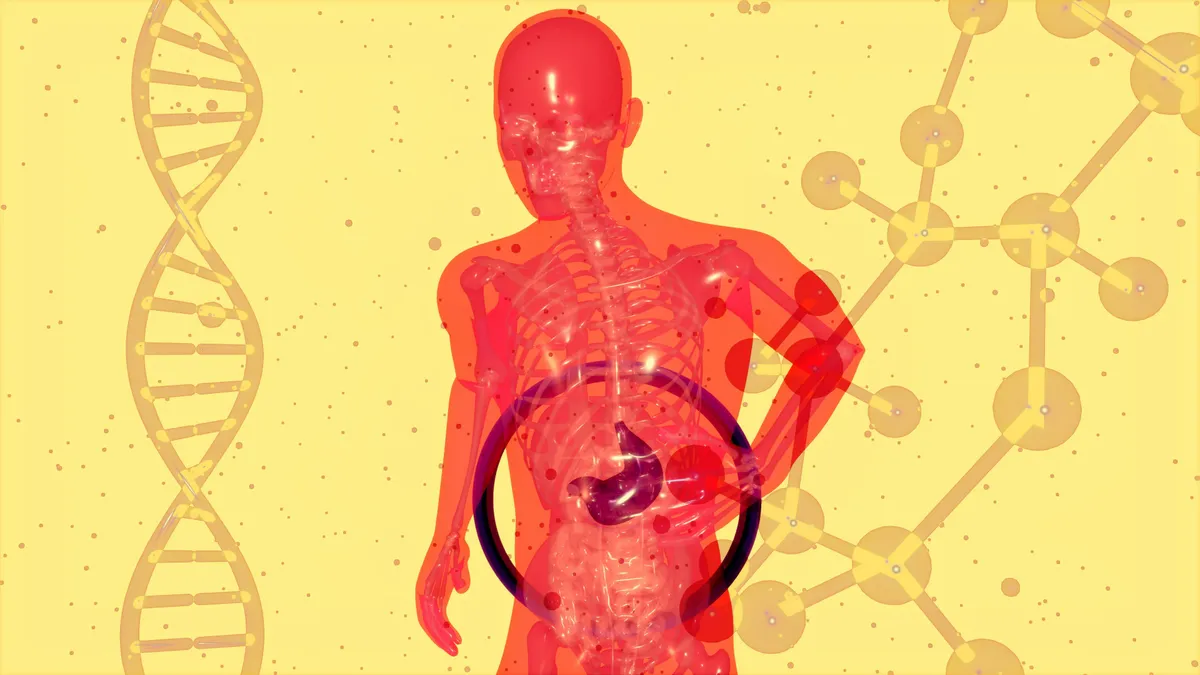
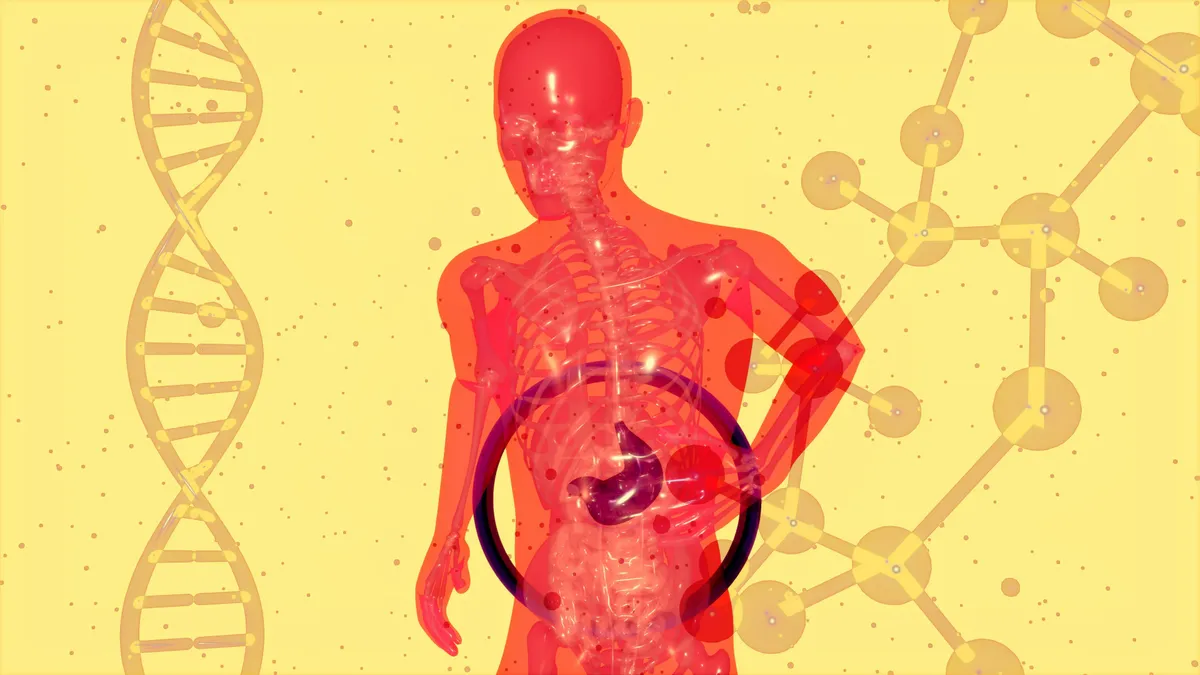
Clinical Summary

MASLD (Formerly NAFLD)

MASLD is excess liver fat driven by metabolic dysfunction. It is the most common chronic liver disease, and one of the most reversible through nutrition.

Illustration of the liver and fatty liver disease

What it is

Metabolic liver fat

Fat build-up in the liver driven by metabolic factors; renamed MASLD (from NAFLD) in 2023.

Why it matters

Most common, often silent

Affects ~25–30% of adults; can progress to MASH, fibrosis, and cirrhosis, and raises heart-disease risk.

The good news

Reversible

5–10% weight loss and a Mediterranean pattern can substantially reduce, and even reverse, liver fat.

What we'll cover

Diagnosis & nutrition

The new terminology, the metabolic link, and evidence-based nutrition and lifestyle strategies.

Pathophysiology Profile

Pathophysiology Profile

MASLD is fundamentally a metabolic condition: excess liver fat driven by insulin resistance and cardiometabolic risk. Because diet and weight directly drive the underlying process, nutrition is the cornerstone of both prevention and reversal.

New Name (2023)

NAFLD → MASLD

Renamed metabolic dysfunction-associated steatotic liver disease; NASH became MASH. Defined by liver fat plus a metabolic risk factor.

Prevalence

~25–30%

The most common chronic liver disease worldwide, closely tracking obesity and type 2 diabetes.

Reversal Target

7–10% weight loss

~3–5% loss cuts liver fat; 7–10% improves inflammation and fibrosis (MASH). Go gradual, not crash.

Terminology, Stages, and the Metabolic Link

01

The 2023 Name Change and New Diagnosis

In 2023, a global consensus of over 200 experts replaced the old, problematic terminology. "Non-alcoholic fatty liver disease (NAFLD)" became MASLD, and "non-alcoholic steatohepatitis (NASH)" became MASH. Beyond removing stigmatizing language, the change flipped the definition: rather than diagnosing by exclusion (ruling out alcohol), MASLD is now a positive diagnosis: liver fat (steatosis) plus at least one of five cardiometabolic risk factors. A new category, MetALD, covers people who have MASLD and also drink higher amounts of alcohol.

Key Takeaways

  • MASLD: Liver fat + ≥1 cardiometabolic risk factor (overweight, high glucose, high BP, abnormal lipids).
  • MASH: The inflammatory, more advanced form (formerly NASH) with liver cell damage and fibrosis.
  • MetALD: A new category for MASLD plus higher alcohol intake.
  • Why it matters: The disease is now defined by its metabolic cause, which reinforces the role of nutrition.
02

From Simple Fat to Fibrosis: The Stages

MASLD exists on a spectrum. Most people have simple steatosis (fat in the liver without much inflammation), which is benign on its own but signals metabolic risk. In a subset, this progresses to MASH, where inflammation damages liver cells and lays down scar tissue (fibrosis). Advanced fibrosis can lead to cirrhosis and liver cancer. The stage matters because it sets how aggressive treatment needs to be, and because earlier stages are far more reversible.

Key Takeaways

  • Simple steatosis: Liver fat without significant inflammation; often reversible.
  • MASH: Inflammation + cell damage + fibrosis; higher risk, needs active management.
  • Fibrosis stage is the strongest predictor of long-term liver outcomes.
  • Cardiovascular disease, not liver failure, is the leading cause of death in MASLD.
03

Why MASLD Is So Nutrition-Responsive

MASLD develops when the liver takes in or makes more fat than it can clear, largely driven by insulin resistance and excess dietary energy, especially refined carbohydrates and fructose. The liver converts excess fructose (from sugar-sweetened drinks and added sugars) directly into fat, which is why these are particularly harmful. The flip side is encouraging: because diet drives the process, dietary change can rapidly reverse it. Even before significant weight loss, improving diet quality and insulin sensitivity measurably lowers liver fat.

Key Takeaways

  • Insulin resistance is the central driver of fat accumulation.
  • Fructose & added sugar: Converted straight to liver fat, a key target to cut.
  • Diet quality alone can reduce liver fat, even ahead of weight-loss goals.
  • Mediterranean pattern has the strongest evidence for reducing liver fat.
04

Weight Loss: How Much, How Fast

Weight loss is the most effective intervention for MASLD, but the targets and pace matter. Research shows clear dose-response thresholds: about 3–5% body weight loss reduces liver fat, while 7–10% is needed to improve inflammation and reverse fibrosis. The pace is just as important: losing more than ~1.5 kg per week can paradoxically worsen liver inflammation. The goal is a moderate, sustainable calorie deficit alongside better food quality, not a crash diet.

Key Takeaways

  • ~3–5% loss: Reduces liver fat (steatosis).
  • 7–10% loss: Improves inflammation and fibrosis (MASH).
  • Gradual pace: Aim for steady loss; avoid >1.5 kg/week.
  • Deficit target: A moderate ~500–750 kcal/day deficit is effective and safe.

Practical Strategies

MASLD management combines a Mediterranean-style, lower-sugar diet, gradual weight loss, regular activity, and management of the metabolic risk factors that drive it.

01
Mediterranean-style spread of protein, legumes, and vegetables for liver health
Step 1

Mediterranean Eating & Cut the Sugar

The Mediterranean pattern has the best evidence for reducing liver fat, and cutting added sugar (especially fructose) directly targets fat production in the liver.
  • Build meals around vegetables, legumes, nuts, olive oil, and fatty fish.
  • Cut sugar-sweetened drinks and added sugar (fructose is converted straight to liver fat).
  • Choose low-glycemic, whole-food carbs over refined ones; limit processed meats.
  • Include soluble fiber to support the gut–liver axis.
02
Portion-controlled healthy meal preparation
Step 2

Gradual Weight Loss & Supplements

Aim for steady, moderate weight loss, and use only the supplements with real evidence, under supervision.
  • Target a ~500–750 kcal/day deficit for gradual loss; avoid >1.5 kg/week.
  • Aim for 3–5% loss to cut liver fat, 7–10% to improve MASH.
  • Protein ~1.0–1.5 g/kg/day to preserve muscle during weight loss.
  • Vitamin E (~800 IU/day) may help select non-diabetic MASH cases, but only with physician oversight; correct low vitamin D; omega-3s may lower liver fat.
03
Step 3

Move More & Manage Risk Factors

Exercise reduces liver fat independent of weight loss, and controlling the metabolic drivers protects the liver and the heart.
  • Aim for ≥150 min/week of moderate aerobic activity plus resistance training.
  • Limit or avoid alcohol (and avoid it entirely with MASH or fibrosis).
  • Manage diabetes, blood pressure, and lipids, since cardiovascular risk is the top threat.
  • Optimize sleep, treat sleep apnea, and stop smoking; monitor ALT/AST and fibrosis scores.

Common Myths About Fatty Liver

Myths vs. Facts

Myth

Only people who drink heavily get fatty liver.

Hover to flipTap to flip
Fact
  • MASLD (formerly 'non-alcoholic' fatty liver) is driven by metabolic factors, not alcohol.
  • That confusion is exactly why it was renamed; it's tied to insulin resistance and weight.
Myth

Fatty liver is harmless and nothing to worry about.

Hover to flipTap to flip
Fact
  • It can progress to MASH, fibrosis, cirrhosis, and liver cancer if unmanaged.
  • It also signals high cardiovascular risk, the leading cause of death in MASLD.
Myth

Once you have fatty liver, the damage is permanent.

Hover to flipTap to flip
Fact
  • Early MASLD is highly reversible: 5–10% weight loss can dramatically cut liver fat.
  • A Mediterranean diet can lower liver fat even before major weight loss.
Myth

A 'liver detox' or supplement will clean out a fatty liver.

Hover to flipTap to flip
Fact
  • No cleanse reverses fatty liver; diet, weight loss, and exercise do.
  • Only specific supplements (e.g., vitamin E in select cases) have evidence, and only with medical oversight.

Risk Factors

MASLD is closely tied to metabolic health; the following factors substantially raise risk.

Key Risk Factors

Overweight & central obesity

Especially visceral (abdominal) fat, a primary driver of liver fat accumulation.

Insulin resistance & type 2 diabetes

The metabolic engine of MASLD; diabetes also speeds up progression to MASH.

High added sugar / fructose intake

Sugary drinks and added fructose are converted directly into liver fat.

Dyslipidemia & hypertension

Part of the metabolic syndrome cluster that defines and drives MASLD.

Special Clinical Care

Some groups face higher MASLD risk or need particularly close monitoring.

People with type 2 diabetes

Very high prevalence and faster progression, which warrant proactive screening and nutrition care.

Those with PCOS/PMOS

Shared insulin resistance raises MASLD risk; managing both together is beneficial.

Certain ancestries (e.g., Hispanic, South Asian)

Genetic factors increase susceptibility at lower body weights.

Conclusion

MASLD, the condition formerly called NAFLD, is the most common chronic liver disease, but it is also among the most modifiable. The 2023 renaming did more than update terminology: by defining the disease through its metabolic cause, it underscored why nutrition is the cornerstone of care. Gradual weight loss (3–5% to cut liver fat, 7–10% to improve inflammation), a Mediterranean-style diet, cutting added sugar and fructose, and regular activity can reduce liver fat, and reverse it in early stages, while lowering the cardiovascular risk that most threatens these patients. Personalized, sustained support from a registered dietitian is central to protecting long-term liver and metabolic health.

Frequently Asked Questions

What is MASLD, and how is it different from NAFLD?

MASLD (metabolic dysfunction-associated steatotic liver disease) is the new name, adopted in 2023, for what used to be called NAFLD (non-alcoholic fatty liver disease). It means a build-up of fat in the liver that is driven by metabolic factors. The change removed the stigmatizing word 'fatty' and the confusing 'non-alcoholic.' More importantly, it redefined the condition around what causes it rather than what it isn't.

Why was NAFLD renamed to MASLD?

The old name defined the disease by exclusion (ruling out alcohol) and used the stigmatizing term 'fatty.' Over 200 international experts agreed in 2023 to rename it MASLD, defined positively as liver fat plus at least one cardiometabolic risk factor (such as overweight, high blood sugar, high blood pressure, or abnormal lipids). NASH, the inflammatory form, became MASH, and a new category, MetALD, covers people with MASLD who also drink more alcohol.

Can fatty liver disease be reversed?

Yes, especially in the early stages. MASLD is one of the most nutrition-responsive liver conditions. Studies show that losing 5–10% of body weight significantly reduces liver fat, inflammation, and even fibrosis, and a Mediterranean dietary pattern can lower liver fat even without major weight loss. Acting early can reverse simple fatty liver before it progresses.

What's the best diet for MASLD?

The Mediterranean diet has the strongest evidence: plenty of vegetables, legumes, nuts, olive oil, and fatty fish, with limited refined carbohydrates, sugar-sweetened drinks, and processed meats. Cutting added sugar, especially fructose from sugary drinks, is particularly important, since the liver converts excess fructose directly into fat.

How much weight loss makes a difference?

The targets are well defined: ~3–5% body weight loss reduces liver fat (steatosis), while 7–10% is needed to improve inflammation and fibrosis (MASH). The pace matters too: weight loss should be gradual, since rapid loss over ~1.5 kg/week can actually worsen liver inflammation.

Do I need to give up alcohol completely?

Because MASLD is metabolic in origin, alcohol adds extra liver stress and should be limited or avoided. Significant alcohol intake alongside MASLD now has its own category (MetALD). Anyone with more advanced disease (MASH or fibrosis) is generally advised to avoid alcohol entirely. Discuss your situation with your healthcare team.

Sources & References

AASLD — New MASLD Nomenclature (2023) www.aasld.org/new-masld-nomenclature
1
AASLD Practice Guidance on the Clinical Assessment and Management of MASLD (2023) journals.lww.com/hep/fulltext/2023/05000/aasld_practice_guidance_on_the_clinical_assessment.31.aspx
2
EASL-EASD-EASO Clinical Practice Guidelines on the management of MASLD (2024) www.journal-of-hepatology.eu/article/S0168-8278(24)00329-5/fulltext
3
Younossi Z et al. Global Epidemiology of NAFLD/MASLD. Hepatology. doi.org/10.1002/hep.29362
4

Similar Blogs

clinical-nutrition
Cancer & Nutrition: Eating Well Through Treatment

An evidence-based overview of nutrition during cancer treatment: why protein and calories matter, managing side effects and cachexia, the truth about 'sugar feeds cancer,' and when to get support.

gut-health
Celiac Disease: A Clinical Nutrition Overview

An evidence-based overview of celiac disease: how it differs from gluten sensitivity, why a strict gluten-free diet is the only treatment, the deficiencies to watch for, and avoiding cross-contamination.

gut-health
GERD & Acid Reflux: A Clinical Nutrition Overview

An evidence-based overview of GERD and acid reflux: why weight loss, meal timing, and bed elevation beat blanket food bans, how to find your personal triggers, and when to see a doctor.

maternal-nutrition
Gestational Diabetes: A Clinical Nutrition Overview

An evidence-based overview of gestational diabetes (GDM): blood glucose targets, carbohydrate management, why most people manage with nutrition alone, and protecting both mother and baby.

clinical-nutrition
Gout & Nutrition: A Clinical Overview

An evidence-based overview of gout nutrition: the role of purines, fructose, and alcohol, why weight loss helps, the truth about cherries, and why diet supports but doesn't replace medication.

womens-health
Menopause & Nutrition: A Clinical Overview

An evidence-based overview of nutrition through menopause: why protein and bone matter more, the truth about soy and hot flashes, managing midlife weight gain, and protecting long-term heart and bone health.

heart-health
Stroke & Nutrition: Prevention and Recovery

An evidence-based overview of nutrition for stroke: the dietary patterns and sodium targets that cut risk, plus how nutrition supports recovery, including dysphagia (swallowing difficulty).

clinical-nutrition
Type 2 Diabetes: A Clinical Nutrition Overview

An evidence-based overview of type 2 diabetes nutrition: how to manage and even reverse it, the plate method, carbohydrate quality, weight-loss targets, and what the latest ADA standards recommend.

gut-health
Ulcerative Colitis: A Clinical Nutrition Overview

An evidence-based overview of ulcerative colitis nutrition: how it differs from Crohn's, eating during flares vs remission, key deficiencies, the Mediterranean diet evidence, and avoiding needless restriction.

nutrient-deficiencies
Vitamin B12 Deficiency: A Clinical Nutrition Overview

An evidence-based overview of vitamin B12 deficiency: the at-risk groups (vegans, older adults, metformin and PPI users), the serious neurological signs, food sources, and when supplements or injections are needed.

heart-health
Hyperlipidemia: Nutrition Strategies for Cholesterol Management

An overview of hyperlipidemia: what the lipid numbers mean, the diet changes that actually lower LDL (soluble fiber, plant sterols, swapping saturated fats), and how much each can move the needle.

foundational-habits
Healthy Eating in Restaurants

Eating out can fit into a healthy lifestyle. Learn practical, flexible strategies to make confident choices at restaurants without guilt or perfectionism.

heart-health
Heart Failure and Nutrition

An evidence-based overview of heart failure: the physiology, the sodium and fluid targets that ease congestion, and why protecting muscle matters as much as cutting salt.

foundational-habits
Detox Diets: What Actually Helps Your Body

Detox diets promise quick resets, but your body already has built-in detox systems. Learn what truly supports them through everyday habits.

nutrient-deficiencies
Anemia: A Clinical Nutrition Overview

An evidence-based overview of anemia, covering common causes, clinical features, diagnostic markers, iron-rich foods with absorption data, and nutrition-focused management strategies.

foundational-habits
Anti-Inflammatory Nutrition: A Clinical Overview

An evidence-based overview of anti-inflammatory nutrition: how diet influences inflammatory markers like CRP, the foods and patterns that genuinely help, and the myths (nightshades, celery juice, 'inflammatory food' lists) worth ignoring.

clinical-nutrition
Cirrhosis: A Clinical Nutrition Overview

An evidence-based overview of cirrhosis, covering liver function decline, complications, and the nutrition targets that protect muscle: energy, protein, the late-evening snack, sodium, and vitamins.

gut-health
Crohn’s Disease: A Clinical Nutrition Overview

An evidence-based overview of Crohn’s disease: how inflammation drives malabsorption, the specific deficiencies to watch, and proven nutrition therapies like exclusive enteral nutrition.

maternal-nutrition
Endometriosis: A Clinical Nutrition Overview

An evidence-based overview of endometriosis: the inflammation and estrogen drivers, the gut-and-hormone connection, and specific nutrition strategies (omega-3s, fiber, fat quality) that may ease symptoms.

meal-planning-prep
Meal Planning for Busy Families

A practical guide to help busy families simplify meal planning with flexible routines, quick strategies, and supportive habits that make weeknight meals easier.

foundational-habits
Nutrition Myths Debunked

A clear, approachable guide that breaks down common nutrition myths and replaces them with realistic, everyday habits that support long-term wellness.

maternal-nutrition
Vitamin D and Pregnancy: A Clinical Nutrition Overview

An evidence-based overview of vitamin D in pregnancy: maternal and fetal benefits, the 2024 guideline shift toward supplementation, realistic dosing, food sources, and who's most at risk of deficiency.

clinical-nutrition
Prediabetes & Insulin Resistance: A Clinical Nutrition Overview

An evidence-based overview of prediabetes and insulin resistance: the diagnostic numbers, why it's reversible, and the specific nutrition and lifestyle strategies proven to cut diabetes risk by up to 58%.

healthy-living
Reasons to Shop Seasonally

A lifestyle-friendly guide to seasonal shopping: why it can taste better, feel lighter on your budget, and bring more variety and ease to everyday meals.

clinical-nutrition
Thyroid Health & Nutrition: A Clinical Overview

An evidence-based overview of thyroid health: how hypothyroidism and hyperthyroidism differ, the key nutrients (iodine, selenium, iron, zinc), medication timing, and what the goitrogen myth gets wrong.

healthy-living
Impact of Rising Food Prices on Canadians’ Healthcare

Understand how rising food prices influence Canadians' eating habits, stress levels, and long-term healthcare outcomes, plus practical strategies to stay nourished on a budget.

gut-health
Irritable Bowel Syndrome (IBS): A Clinical Nutrition Overview

A clinically grounded overview of IBS: how it's diagnosed (Rome IV), why symptoms happen, and the specific nutrition strategies, including the 3-phase low-FODMAP diet, that reduce symptoms.

womens-health
PCOS (Now PMOS) and Nutrition: A Clinical Overview

An evidence-based overview of PCOS (recently renamed PMOS) covering the updated diagnosis, why insulin resistance is central, and the specific nutrition strategies that improve hormones, cycles, and metabolic health.

dietary-strategies
The Ketogenic Diet: A Clinical Nutrition Overview

An evidence-based overview of the ketogenic diet: how ketosis works, what the research shows for weight loss and type 2 diabetes, the real risks, and why sustainability is the catch.

clinical-nutrition
Osteoporosis & Bone Health: A Clinical Nutrition Overview

An evidence-based overview of osteoporosis: the nutrients that build and preserve bone (calcium, vitamin D, protein), why food beats supplements, and how to lower fracture risk.

brain-mental-health
Nutrition & Brain Health: A Clinical Overview

An evidence-based overview of nutrition and brain health: the nutrients tied to mood and cognition, the MIND and Mediterranean diets, and how eating patterns may protect against cognitive decline.

heart-health
Hypertension: A Clinical Nutrition Overview

An evidence-based overview of hypertension (high blood pressure): updated 2025 thresholds, why it's the 'silent killer,' and the specific nutrition strategies (DASH, sodium, potassium) that lower it.

gut-health
Pancreatitis: A Clinical Nutrition Overview

An evidence-based overview of pancreatitis: acute vs chronic, why early feeding now replaces 'pancreatic rest,' enzyme replacement and fat-soluble vitamins, and how nutrition protects the pancreas.

clinical-nutrition
Kidney Health: A Clinical Nutrition Overview

An evidence-based overview of kidney health: how the kidneys work, the stages of chronic kidney disease, kidney stones and oxalate, and the specific nutrition strategies that protect them.

gut-health
Nutrition for Gut Health: A Clinical Overview

An evidence-based overview of nutrition for gut health: how fiber and plant diversity feed the microbiome, what probiotics and fermented foods actually do, and strategies for common digestive concerns.

healthy-living
Nutrition for Immune Health: A Clinical Overview

An evidence-based overview of nutrition and immunity: the micronutrients that matter most, the gut-immune connection, why no single food 'boosts' immunity, and what actually supports your defenses.

healthy-living
Supplements: What Works and What Doesn't

An evidence-based overview of dietary supplements: who actually needs them, which have strong evidence, which are overhyped, which can harm, and how to choose safe, effective products.