Nutrition & Brain Health: A Clinical Overview

How diet supports mood, memory, and long-term cognitive function

2024-12-10
📝1,802words
⏱️10min read
Brain Mental Health
#Brain Health#Mental Health#Cognitive Decline#Mind Diet#Nutrition

Nutrition & Brain Health

The link between nutrition and brain health is one of the most active areas in nutrition science. Research is still evolving, but a consistent picture has emerged: certain nutrients and, more importantly, overall dietary patterns are associated with mood regulation, cognitive function, and the long-term risk of decline. The brain is metabolically demanding and sensitive to inflammation, oxidative stress, and nutrient supply, all of which diet influences.

What's striking is how much may be modifiable. Research suggests nearly 45% of dementia cases could be delayed or prevented by addressing factors like diet, activity, and cardiovascular health, and Mediterranean-style eating may help delay cognitive aging by up to about 3.5 years. Diet is not a treatment for mental illness or dementia, but it is a genuine, evidence-backed way to support the brain over a lifetime.

This article reviews the nutrients most tied to brain function, the dietary patterns with the best evidence (especially the MIND diet), how eating relates to mood and dementia risk, and practical, sustainable strategies.

Clinical Summary

Nutrition & Brain Health

Dietary patterns shape mood and long-term cognition. The MIND and Mediterranean diets have the strongest evidence, supported by key nutrients like omega-3s, B vitamins, and minerals.

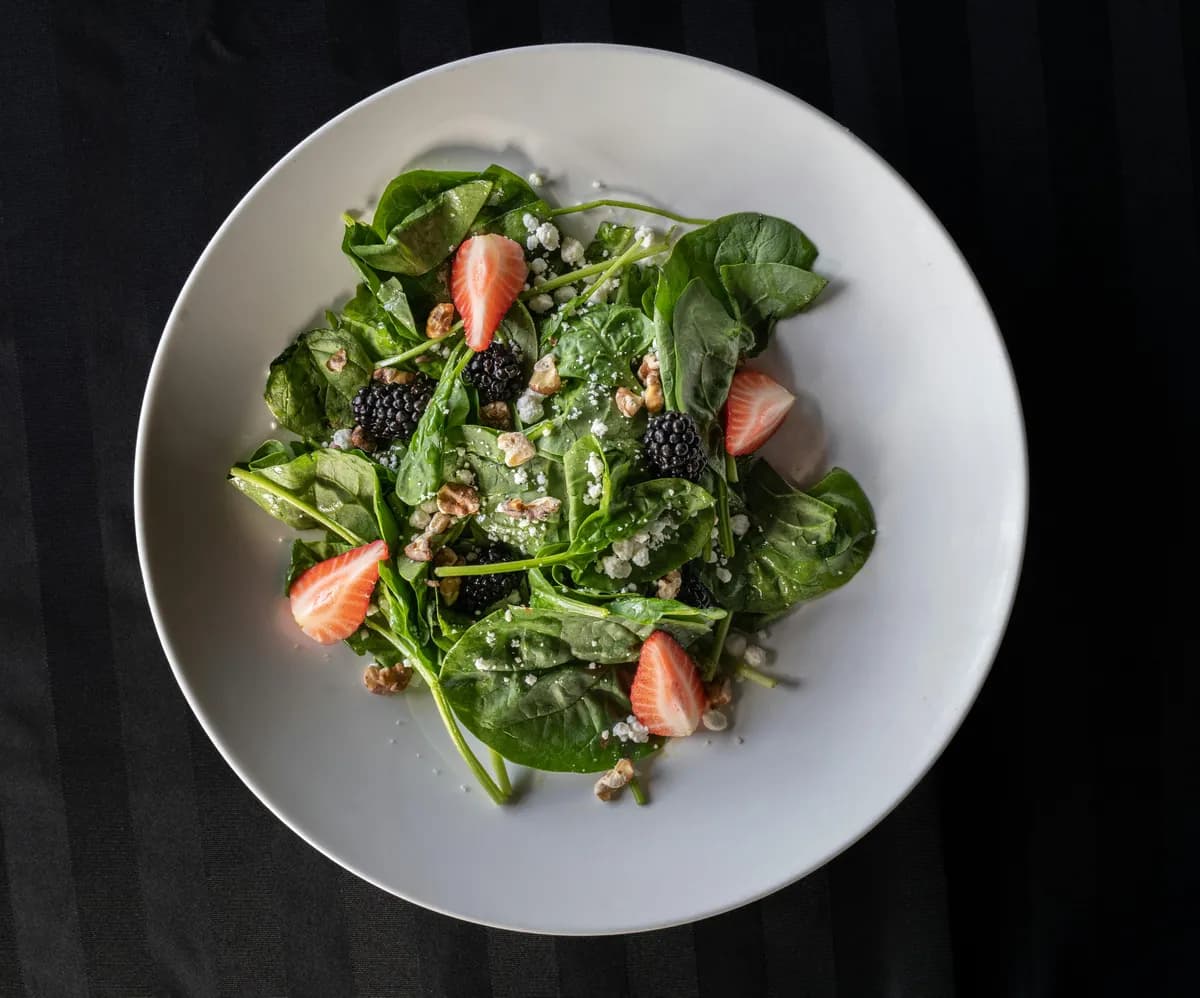
Brain-healthy foods: fish, leafy greens, berries, and nuts

What helps most

The whole pattern

Overall diet quality matters more than any single nutrient for mood and cognition.

Best-evidence diet

MIND diet

A Mediterranean-DASH blend built for the brain; Mediterranean shows the most consistent benefit.

The potential

~45% modifiable

A large share of dementia risk is tied to modifiable factors, including diet.

What we'll cover

Nutrients & patterns

Key brain nutrients, the MIND/Mediterranean/DASH diets, mood, dementia, and strategies.

Pathophysiology Profile

Pathophysiology Profile

The brain is highly sensitive to inflammation, oxidative stress, and nutrient supply. Diet acts on all three, which is why consistent, nutrient-dense patterns, rather than single foods, show the strongest links to mood and long-term cognitive protection.

Best-Evidence Diet

MIND

A Mediterranean-DASH blend designed for the brain; linked to slower cognitive decline.

Cognitive Aging

Up to 3.5 years

Mediterranean eating may help delay cognitive aging by up to roughly 3.5 years.

Modifiable Risk

~45%

A large share of dementia cases may be delayed or prevented through modifiable factors, including diet.

Nutrients, Patterns, and the Brain

01

Key Brain Nutrients

Several nutrients have repeatedly been tied to mood and cognition. Omega-3 fatty acids (EPA and DHA) are building blocks of brain cell membranes and influence serotonin and dopamine signaling; omega-3 supplementation may help in mood disorders such as major depression, typically alongside medication. B vitamins matter for neurotransmitter synthesis, with B12 deficiency (common in older adults, vegans, and some GI conditions) and low folate linked to mood and cognitive problems. Vitamin D, iron, magnesium, zinc, and selenium all play supporting roles, with iron deficiency in particular linked to depressive symptoms in children and adolescents. A varied diet usually supplies these, and correcting a genuine deficiency can have a real effect.

Key Takeaways

  • Omega-3 (EPA/DHA): Support neurotransmitters; may aid mood disorders alongside treatment.
  • B vitamins: B12 and folate are key; deficiency affects mood and cognition.
  • Minerals & D: Iron, magnesium, zinc, selenium, and vitamin D all play supporting roles.
  • Food first: A varied diet usually covers needs; fix real deficiencies with guidance.
02

Why Patterns Beat Single Nutrients

While individual nutrients matter, the strongest signal in the research is for whole dietary patterns, which act together rather than in isolation. A nutrient-dense, plant-forward pattern reduces inflammation and oxidative stress (both implicated in mood and cognitive disorders), steadies blood sugar, supports the gut, and supplies the brain's raw materials at once. This is why a single "brain superfood" rarely makes much difference, while a consistent overall pattern does. In practice that's good news: you don't need exotic foods or supplements, just a varied, balanced way of eating kept up over time.

Key Takeaways

  • Synergy: Whole patterns lower inflammation and oxidative stress together.
  • Multiple pathways: Gut, blood sugar, and nutrient supply all contribute.
  • No single superfood: Consistent overall eating outperforms any one food.
  • Sustainable: Everyday, varied eating beats exotic fixes.
03

The MIND, Mediterranean, and DASH Diets

Three patterns dominate the evidence. The Mediterranean diet (vegetables, fruit, whole grains, legumes, olive oil, nuts, fish) is associated with lower risk of cognitive decline and Alzheimer's, and shows the most consistent cognitive benefit overall. The DASH diet emphasizes the same plant-forward, nutrient-dense eating and is linked to less vascular dementia and hypertension-related cognitive impairment. The MIND diet was purpose-built for the brain by combining the two, and it singles out neuroprotective foods (leafy greens, berries, whole grains, nuts, beans, olive oil, fish, poultry) while limiting red meat, butter, cheese, fried food, pastries, and sweets. MIND and Mediterranean eating are linked to fewer amyloid plaques and tau tangles, and benefits appear even with moderate adherence.

Key Takeaways

  • Mediterranean: Most consistent cognitive benefit; lower Alzheimer's risk.
  • DASH: Plant-forward; linked to less vascular dementia.
  • MIND: Built for the brain; emphasizes greens, berries, and fish, limits red meat and sweets.
  • Even moderate helps: Benefits show up without perfect adherence.
04

Diet, Mood, and Dementia Risk

For mood, no food prevents mental illness, but traditional whole-food diets (Mediterranean, Japanese, Norwegian) are associated with lower depression risk, while diets heavy in ultra-processed, fried, and sugary foods are linked to higher risk, likely via inflammation and oxidative stress. For cognition, the dementia picture is more hopeful than many people expect: with nearly half of dementia risk tied to modifiable factors, the same patterns that protect the heart appear to protect the brain. Nutrition complements medical care for mood and cognitive conditions, it doesn't replace it, but as a lifelong, low-risk strategy, eating well is one of the most accessible things a person can do for their brain.

Key Takeaways

  • Mood: Whole-food patterns lower depression risk; ultra-processed diets raise it.
  • Dementia: Heart-healthy patterns appear brain-protective; much risk is modifiable.
  • Complement, not replace: Nutrition supports, but doesn't substitute for, treatment.
  • Accessible: Eating well is a low-risk, lifelong brain strategy.

Practical Strategies

Supporting brain health is about a sustainable, nutrient-dense pattern plus the lifestyle factors that work alongside it. The aim is consistency, not perfection.

01
MIND diet foods: leafy greens, berries, nuts, and fish
Step 1

Eat the MIND Way

Build meals around the brain-protective foods at the heart of the MIND and Mediterranean patterns.
  • Make leafy greens and colorful vegetables a daily habit.
  • Add berries, nuts, beans, and whole grains regularly.
  • Use olive oil and include fish for omega-3s.
  • Limit red and processed meat, fried foods, and sweets.
02
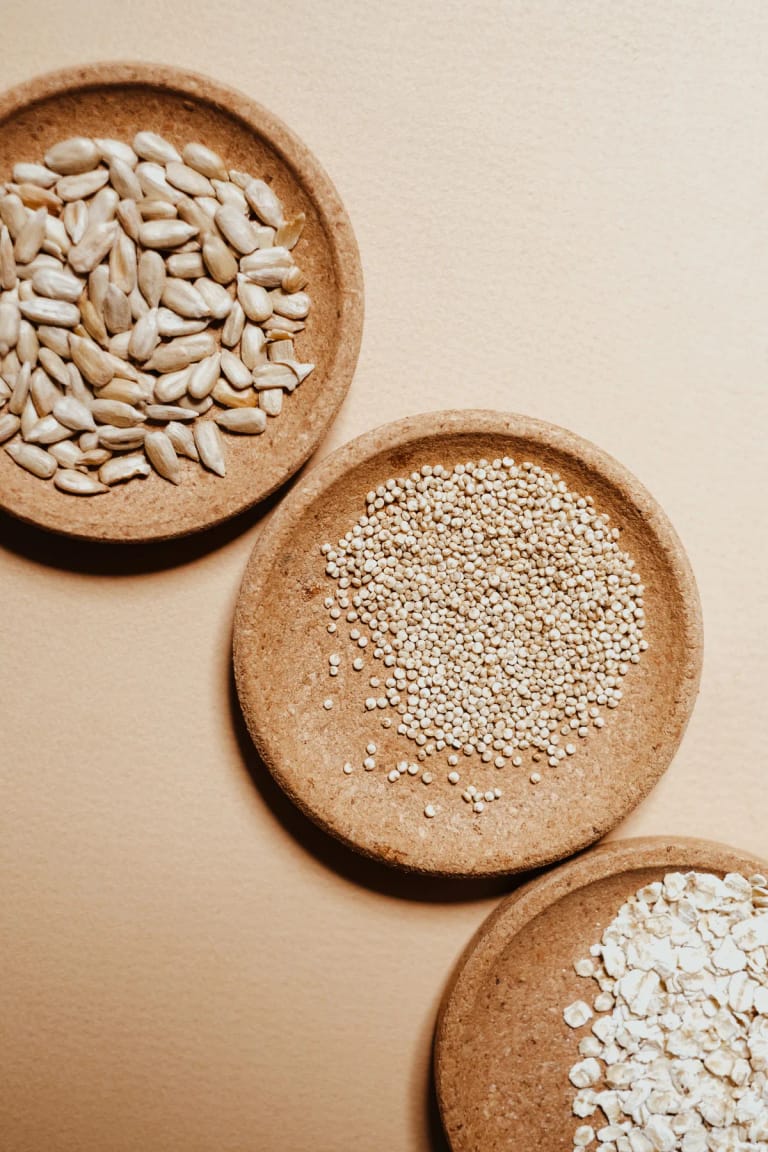
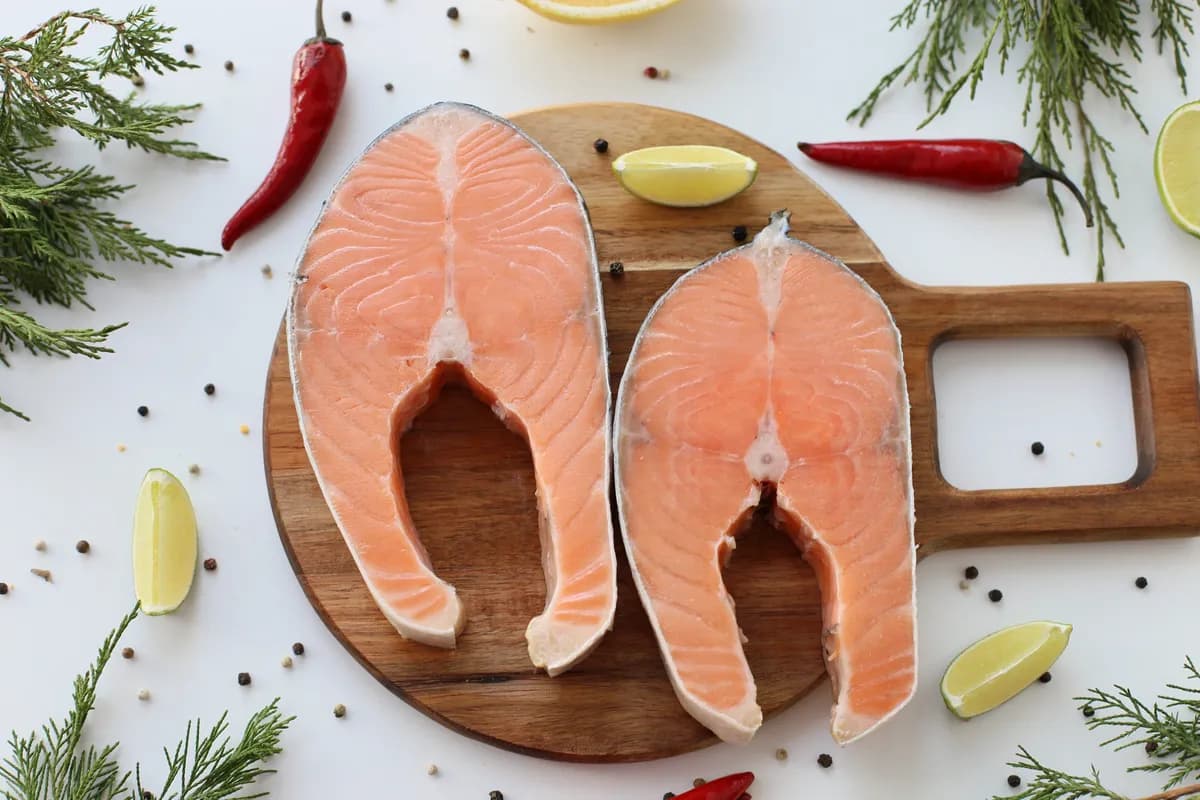
Omega-3 and nutrient-rich foods for the brain
Step 2

Mind Your Nutrients

Cover the key brain nutrients through food, and address genuine deficiencies.
  • Include omega-3 sources (fish, canned fish, seeds, walnuts).
  • Watch for B12, iron, and vitamin D, especially in at-risk groups.
  • Get nutrients from a varied diet before reaching for supplements.
  • Use supplements for diagnosed deficiencies, under guidance.
03
Step 3

Support It With Lifestyle

Diet works best alongside the other pillars of brain health.
  • Stay physically active to support mood and cognition.
  • Prioritize sleep for memory and emotional regulation.
  • Stay socially connected, which builds mental resilience.
  • Manage stress to protect mood and the brain over time.

Common Myths About Brain Food

Myths vs. Facts

Myth

There's a single 'brain superfood' that boosts memory.

Hover to flipTap to flip
Fact
  • No one food protects the brain; the benefit comes from the overall pattern over time.
  • The MIND and Mediterranean diets work because they combine many supportive foods.
Myth

Supplements are the best way to support your brain.

Hover to flipTap to flip
Fact
  • Food delivers brain nutrients together in forms that work well; supplements rarely match that.
  • Supplements have a real role for diagnosed deficiencies, but aren't a blanket 'brain booster.'
Myth

If memory or mood is slipping, diet can't make a difference.

Hover to flipTap to flip
Fact
  • A large share of dementia risk is modifiable, and benefits appear even with moderate dietary change.
  • For mood, whole-food patterns are linked to lower depression risk alongside proper care.
Myth

Brain health is all about genetics, so eating well won't help.

Hover to flipTap to flip
Fact
  • Genetics matter, but lifestyle and diet meaningfully shape brain aging and mood.
  • Heart-healthy, nutrient-dense eating is one of the most accessible protective steps.

Risk Factors

Certain eating patterns and gaps are associated with worse mood and faster cognitive decline.

Dietary Factors That Strain the Brain

Ultra-processed, high-sugar diets

Heavy intake of processed, fried, and sugary foods is linked to inflammation and higher depression risk.

Key nutrient deficiencies

Low B12, iron, or vitamin D can affect mood and cognition, especially in at-risk groups.

Low omega-3 intake

Little fish or other omega-3 sources removes a nutrient tied to mood and brain-cell function.

Cardiovascular risk factors

High blood pressure, blood sugar, and lipids that come with poor diet also raise dementia risk.

Special Clinical Care

Some groups need particular attention to protect brain and mental health through nutrition.

Older adults

Higher risk of B12 deficiency and cognitive decline; nutrient-dense patterns are especially valuable.

People on restricted or plant-based diets

Need to plan for B12, iron, and omega-3 to avoid deficiencies that affect mood and cognition.

Those managing mood or cognitive conditions

Benefit from nutrition as a complement to medical treatment, individualized to their needs.

Conclusion

The science connecting diet and the brain keeps getting stronger, and the message is practical rather than exotic. Nutrients like omega-3s, B vitamins, and minerals matter, but it's the cumulative effect of nutrient-dense patterns, above all the MIND and Mediterranean diets, that shows the most promise for mood and long-term cognitive protection. With so much dementia risk tied to modifiable factors, eating well is one of the most accessible things you can do for your brain. None of it replaces medical care, but paired with activity, sleep, and stress management, and translated into a realistic plan with a dietitian, good nutrition is a genuine investment in how your brain ages.

Frequently Asked Questions

Can what I eat really affect my brain and mood?

Increasingly, the evidence says yes. Nutrition won't replace mental-health treatment, but dietary patterns are linked to mood regulation and the risk of cognitive decline. The effect comes mainly from the overall pattern, working through inflammation, oxidative stress, blood-sugar control, and the supply of nutrients the brain uses to make neurotransmitters.

What's the best diet for brain health?

The strongest evidence points to the MIND diet, a blend of the Mediterranean and DASH diets designed specifically for the brain. It emphasizes leafy greens, berries, whole grains, nuts, beans, olive oil, and fish, while limiting red meat, butter, fried foods, and sweets. Mediterranean eating shows the most consistent cognitive benefit, and may help delay cognitive aging by up to about 3.5 years.

Which nutrients matter most for the brain?

Omega-3 fatty acids (EPA and DHA) support neurotransmitter function and may help in mood disorders alongside treatment. B vitamins (especially B12 and folate), vitamin D, iron, magnesium, zinc, and selenium are all linked to mood and cognition. A varied, nutrient-dense diet usually supplies these; correcting a genuine deficiency (like low B12 or iron) can make a real difference.

Can diet help prevent depression and anxiety?

No single food prevents mental illness, but traditional whole-food patterns (Mediterranean, Japanese, Norwegian) are associated with lower risk of depression. Diets high in ultra-processed and fried foods and added sugar are linked to higher risk, likely through inflammation and oxidative stress. Eating well supports prevention and complements care, but isn't a substitute for it.

Can diet lower my risk of dementia?

It appears to help. Research suggests that nearly 45% of dementia cases could be delayed or prevented by addressing modifiable factors, including diet, activity, and cardiovascular health. MIND and Mediterranean patterns are associated with fewer amyloid plaques and tau tangles (the hallmarks of Alzheimer's) and slower cognitive decline, even when followed only moderately.

Do I need supplements for brain health?

Usually not, if your diet is varied. Food delivers these nutrients together in forms that work well. Supplements have a clear role when there's a diagnosed deficiency (for example B12 in older adults or vegans, or iron) or low fish intake (omega-3), but they should be guided by your nutrient status and clinician rather than taken as a blanket 'brain booster.'

Sources & References

MIND and Mediterranean Diet and Alzheimer's — Long-Term Neuroprotective Effect (Scientific Reports, 2025) www.nature.com/articles/s41598-025-17055-5
1
Effects of the MIND Diet on Cognitive Function in Older Adults — Systematic Review pmc.ncbi.nlm.nih.gov/articles/PMC12629411/
2
Mediterranean, DASH, and MIND Diets Associated with Less Cognitive Decline (Advances in Nutrition) doi.org/10.1093/advances/nmz054
3
Linus Pauling Institute — Cognitive Function & Micronutrients lpi.oregonstate.edu/mic/health-disease/cognitive-function
4

Similar Blogs

clinical-nutrition
Cancer & Nutrition: Eating Well Through Treatment

An evidence-based overview of nutrition during cancer treatment: why protein and calories matter, managing side effects and cachexia, the truth about 'sugar feeds cancer,' and when to get support.

gut-health
Celiac Disease: A Clinical Nutrition Overview

An evidence-based overview of celiac disease: how it differs from gluten sensitivity, why a strict gluten-free diet is the only treatment, the deficiencies to watch for, and avoiding cross-contamination.

gut-health
GERD & Acid Reflux: A Clinical Nutrition Overview

An evidence-based overview of GERD and acid reflux: why weight loss, meal timing, and bed elevation beat blanket food bans, how to find your personal triggers, and when to see a doctor.

maternal-nutrition
Gestational Diabetes: A Clinical Nutrition Overview

An evidence-based overview of gestational diabetes (GDM): blood glucose targets, carbohydrate management, why most people manage with nutrition alone, and protecting both mother and baby.

clinical-nutrition
Gout & Nutrition: A Clinical Overview

An evidence-based overview of gout nutrition: the role of purines, fructose, and alcohol, why weight loss helps, the truth about cherries, and why diet supports but doesn't replace medication.

heart-health
Stroke & Nutrition: Prevention and Recovery

An evidence-based overview of nutrition for stroke: the dietary patterns and sodium targets that cut risk, plus how nutrition supports recovery, including dysphagia (swallowing difficulty).

clinical-nutrition
Type 2 Diabetes: A Clinical Nutrition Overview

An evidence-based overview of type 2 diabetes nutrition: how to manage and even reverse it, the plate method, carbohydrate quality, weight-loss targets, and what the latest ADA standards recommend.

gut-health
Ulcerative Colitis: A Clinical Nutrition Overview

An evidence-based overview of ulcerative colitis nutrition: how it differs from Crohn's, eating during flares vs remission, key deficiencies, the Mediterranean diet evidence, and avoiding needless restriction.

nutrient-deficiencies
Vitamin B12 Deficiency: A Clinical Nutrition Overview

An evidence-based overview of vitamin B12 deficiency: the at-risk groups (vegans, older adults, metformin and PPI users), the serious neurological signs, food sources, and when supplements or injections are needed.

clinical-nutrition
Thyroid Health & Nutrition: A Clinical Overview

An evidence-based overview of thyroid health: how hypothyroidism and hyperthyroidism differ, the key nutrients (iodine, selenium, iron, zinc), medication timing, and what the goitrogen myth gets wrong.