Pancreatitis: A Clinical Nutrition Overview

Causes, complications, and the updated nutrition approach for acute and chronic pancreatitis

2024-12-05
📝1,645words
⏱️9min read
Gut Health
#Pancreatitis#Acute Pancreatitis#Chronic Pancreatitis#Digestive Health#Nutrition

Pancreatitis

Pancreatitis is inflammation of the pancreas, a vital organ that produces digestive enzymes and the hormones (like insulin) that regulate blood sugar. When the pancreas becomes inflamed, its digestive enzymes activate too early and begin to damage its own tissue, sometimes affecting nearby organs. It presents in two main forms: acute pancreatitis, which comes on suddenly and often resolves within a week, and chronic pancreatitis, which involves long-standing, progressive damage.

Pancreatitis is a leading reason for gastrointestinal hospitalization, and its incidence is rising worldwide alongside obesity and alcohol use. The nutrition approach has also modernized. The old practice of "resting the pancreas" with prolonged fasting has been replaced, for most mild cases, by early feeding, and strict low-fat diets are no longer automatically required. Nutrition is central both to recovery from an attack and to preventing the malnutrition, deficiencies, and complications of chronic disease.

This article reviews the two forms of pancreatitis, the updated evidence on feeding and fat, the role of enzyme replacement and fat-soluble vitamins, and the lifestyle steps that protect the pancreas.


Clinical Summary

Pancreatitis

Pancreatitis is inflammation of the pancreas, acute or chronic, where nutrition has shifted toward early feeding, balanced fat, and (in chronic disease) enzyme replacement to prevent malnutrition.

Person with upper abdominal pain from pancreatitis

What it is

Pancreas inflammation

Digestive enzymes activate early and damage the pancreas, whether acute (sudden) or chronic (progressive).

Updated approach

Feed early

Early oral feeding (24–48h) now replaces prolonged 'pancreatic rest' in mild acute cases.

Chronic-disease risk

Malabsorption

Fat malabsorption causes steatorrhea and A/D/E/K deficiencies, managed with enzyme therapy (PERT).

What we'll cover

Feeding & nutrients

Acute vs chronic, the fat-and-feeding update, PERT, vitamins, and prevention.

Pathophysiology Profile

Pathophysiology Profile

Pancreatitis ranges from a single acute attack to progressive chronic damage. Modern nutrition care (early feeding, balanced fat, enzyme replacement, and vitamin monitoring) protects against malnutrition and complications, alongside removing the causes (alcohol, smoking).

Feeding (Updated)

Within 24–48h

For mild acute pancreatitis, early oral feeding now replaces prolonged fasting, and most patients tolerate it well.

Most Common Causes

Alcohol & gallstones

Alcohol is the top cause of chronic pancreatitis; gallstones are the leading cause of acute attacks.

Chronic-Disease Watch

A, D, E, K + PERT

Fat malabsorption depletes fat-soluble vitamins; enzyme replacement (PERT) restores digestion.

Acute vs Chronic, and the Modern Nutrition Shift

01

Acute vs. Chronic Pancreatitis

The two forms differ in course and consequences. Acute pancreatitis is a sudden episode, with upper abdominal pain, nausea, vomiting, and fever, that usually settles within about a week when managed well, though severe cases can be life-threatening. Chronic pancreatitis is long-standing inflammation that progressively scars the gland, eventually impairing both its digestive (enzyme) and hormonal (insulin) functions. Repeated acute attacks can lead to chronic disease over time.

Key Takeaways

  • Acute: Sudden onset; often resolves in ~7 days; can recur or progress.
  • Chronic: Progressive scarring; impairs enzyme and insulin production.
  • Overlap: Recurrent acute attacks can evolve into chronic pancreatitis.
02

The Feeding Shift: 'Pancreatic Rest' Is Outdated

For decades, acute pancreatitis was treated with "nothing by mouth" to rest the pancreas. The evidence has reversed that: current guidelines recommend early oral feeding within 24–48 hours in mild acute pancreatitis, as tolerated. Studies show over 80% of patients tolerate early feeding, and it's linked to faster recovery and shorter hospital stays. The routine strict low-fat diet is also being questioned: recent trials found a normal-fat balanced diet delivered more calories and better quality of life without increasing complications.

Key Takeaways

  • Feed early: Oral feeding within 24–48h for mild acute pancreatitis, not prolonged fasting.
  • Well tolerated: Most patients (>80%) handle early feeding without problems.
  • Fat is not the enemy: A balanced, normal-fat diet is appropriate for many; strict low-fat isn't routine.
  • Severity matters: Moderate-severe disease uses enteral nutrition (tube feeding) over IV nutrition.
03

Chronic Pancreatitis: Malabsorption and PERT

The central nutrition challenge in chronic pancreatitis is malabsorption. As the gland loses the ability to release enough digestive enzymes, dietary fat isn't broken down, causing greasy, floating stools (steatorrhea) and weight loss. Because fat carries the fat-soluble vitamins, deficiencies of A, D, E, and K follow, and low vitamin D and calcium can lead to bone disease. The cornerstone treatment is pancreatic enzyme replacement therapy (PERT): prescription enzymes taken with meals so food is properly digested.

Key Takeaways

  • Steatorrhea: Undigested fat causes greasy stools and weight loss.
  • PERT: Enzyme capsules with meals restore fat digestion and absorption.
  • Fat-soluble vitamins (A, D, E, K): Monitor and replace; protect bone with vitamin D and calcium.
  • Don't crash fat intake: With PERT, adequate fat supports calories and vitamin absorption.
04

Eating Well Despite a Compromised Pancreas

Whether recovering from an acute attack or living with chronic disease, the practical goals are to maintain nutrition, ease symptoms, and avoid overloading the pancreas. Small, frequent meals reduce the digestive workload at any one time. Emphasizing nutrient-dense foods and healthy fats (with PERT where needed) supports calorie and vitamin needs, while complete alcohol avoidance is non-negotiable for protecting the gland and preventing recurrence.

Key Takeaways

  • Small, frequent meals: 5–6 per day ease pancreatic workload and improve tolerance.
  • Nutrient-dense + healthy fats: Support calories and fat-soluble vitamins (with PERT if needed).
  • No alcohol: Complete avoidance protects the pancreas and prevents recurrence.
  • Hydration and protein: Support recovery and preserve muscle.

Practical Strategies

Pancreatitis nutrition focuses on feeding appropriately for the stage, replacing what the pancreas can't (enzymes, vitamins), and removing the causes, always individualized with the care team.

01
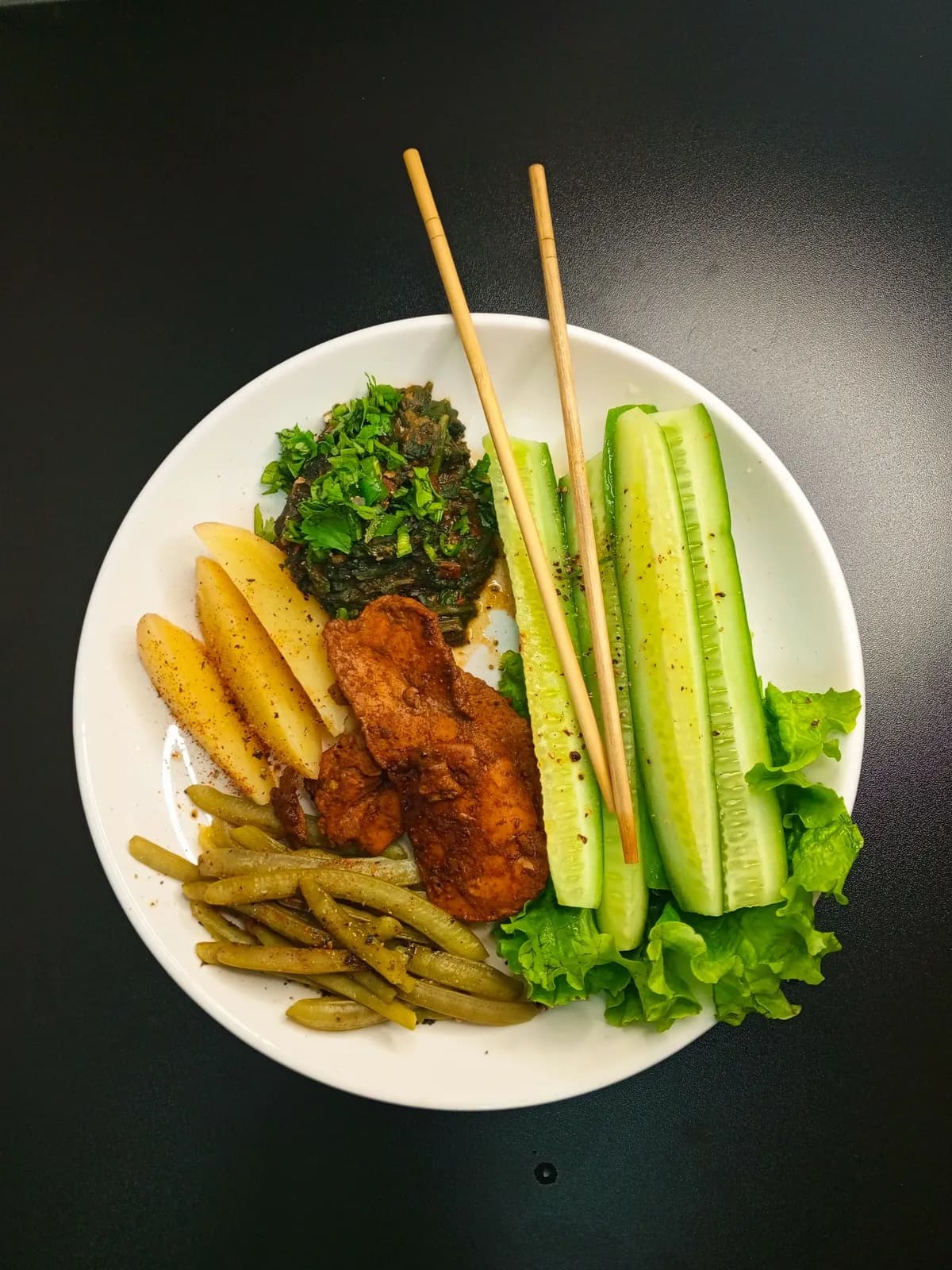
Balanced, nutrient-dense meal for pancreatitis
Step 1

Eat for the Stage

The right approach differs between an acute attack and chronic disease, but both favor balanced, frequent, nutrient-dense meals over prolonged fasting or extreme restriction.
  • Mild acute: resume eating early (24–48h) as tolerated, rather than prolonged fasting.
  • Eat 5–6 small meals/snacks daily to reduce pancreatic workload.
  • Include healthy fats and adequate protein; a strict low-fat diet isn't routinely required.
  • Stay well hydrated, especially during and after an acute episode.
02
Enzyme and vitamin supplements for chronic pancreatitis
Step 2

Replace What's Missing (PERT & Vitamins)

In chronic pancreatitis, enzyme replacement and vitamin monitoring prevent malabsorption, deficiencies, and bone disease.
  • Take prescribed pancreatic enzymes (PERT) with meals and snacks.
  • Monitor and replace fat-soluble vitamins A, D, E, and K.
  • Protect bone with adequate vitamin D and calcium.
  • Check for and manage pancreatitis-related diabetes.
03
Step 3

Remove the Causes & Monitor

Long-term outcomes depend on eliminating what damages the pancreas and staying on top of complications.
  • Avoid alcohol completely; it's the single most important step.
  • Stop smoking (a major driver of chronic pancreatitis).
  • Manage triglycerides, weight, and gallstone risk with your team.
  • Keep regular follow-up: nutrition, blood sugar, vitamins, and bone health.

Common Myths About Pancreatitis

Myths vs. Facts

Myth

You must fast to 'rest the pancreas' after an attack.

Hover to flipTap to flip
Fact
  • Current guidelines recommend early oral feeding (24–48h) in mild acute pancreatitis.
  • Most patients tolerate it well, and early feeding is linked to faster recovery.
Myth

Everyone with pancreatitis needs a strict low-fat diet forever.

Hover to flipTap to flip
Fact
  • Recent trials show a balanced, normal-fat diet works well for many, with better calorie intake and quality of life.
  • Severe chronic disease may need fat adjusted, but with enzyme therapy, adequate fat is important.
Myth

Only heavy drinkers get pancreatitis.

Hover to flipTap to flip
Fact
  • Gallstones are the leading cause of acute pancreatitis, not alcohol.
  • Smoking, high triglycerides, obesity, and genetics also contribute.
Myth

Cutting fat fixes the greasy stools of chronic pancreatitis.

Hover to flipTap to flip
Fact
  • Steatorrhea comes from missing enzymes, not just dietary fat.
  • The real fix is pancreatic enzyme replacement (PERT) with meals.

Risk Factors

Several modifiable and non-modifiable factors raise the risk of acute and chronic pancreatitis.

Key Risk Factors

Excess alcohol

The most common cause of chronic pancreatitis and a major trigger of acute attacks.

Gallstones

The leading cause of acute pancreatitis by blocking the pancreatic duct.

Smoking

A major, independent driver of chronic pancreatitis and disease progression.

High triglycerides & obesity

Very high triglycerides can trigger acute pancreatitis; high BMI raises risk and severity.

Special Clinical Care

Some groups need especially careful nutrition monitoring and support.

People with chronic pancreatitis

At high risk of malnutrition, A/D/E/K deficiency, bone disease, and diabetes; they need PERT and monitoring.

Those with pancreatitis-related diabetes

Damaged insulin-producing cells require coordinated blood sugar and nutrition management.

Recovering from severe acute pancreatitis

May need enteral nutrition support and gradual, monitored return to normal eating.

Conclusion

Pancreatitis is a serious inflammatory condition, but its nutrition care has modernized in ways that genuinely help. For mild acute attacks, early feeding has replaced prolonged "pancreatic rest," and routine strict low-fat diets are no longer required for everyone. In chronic disease, the priorities are preventing malnutrition through enzyme replacement (PERT), adequate fat and calories, and monitoring of fat-soluble vitamins and bone health. Above all, removing the causes (especially alcohol and smoking) protects the gland from further damage. With individualized, evidence-based support from a registered dietitian and the wider care team, people with pancreatitis can recover well and limit long-term complications.

Frequently Asked Questions

What is pancreatitis?

Pancreatitis is inflammation of the pancreas, the organ that makes digestive enzymes and the hormones that regulate blood sugar. In pancreatitis, those enzymes activate too early and begin to damage the pancreas itself. It comes in two main forms: acute (sudden, often resolving within a week) and chronic (long-standing, progressive damage).

Do you really have to 'rest the pancreas' and not eat?

This is outdated for most cases. The old approach was 'nothing by mouth' to rest the pancreas, but current guidelines recommend early oral feeding within 24–48 hours in mild acute pancreatitis, as tolerated. Studies show most people (over 80%) tolerate early feeding well, and it's linked to faster recovery and shorter hospital stays.

Do I need a strict low-fat diet with pancreatitis?

Not necessarily, and the evidence here has shifted. Recent trials found a normal-fat balanced diet provided more calories and better quality of life than a fat-restricted one in mild-to-moderate acute pancreatitis, without more complications. The focus now is a balanced, nutrient-dense diet with healthy fats, though severe chronic pancreatitis with fat malabsorption may still need fat adjusted alongside enzyme therapy.

What is PERT (pancreatic enzyme replacement therapy)?

In chronic pancreatitis, the damaged pancreas may not make enough digestive enzymes, causing fat malabsorption and greasy, floating stools (steatorrhea). PERT means taking prescription enzyme capsules with meals so food, especially fat and its vitamins, is properly digested and absorbed. It's a cornerstone of managing chronic pancreatitis and preventing malnutrition.

Why do people with chronic pancreatitis get vitamin deficiencies?

When the pancreas can't release enough enzymes, dietary fat isn't absorbed, and the fat-soluble vitamins A, D, E, and K go with it. This is why chronic pancreatitis often leads to deficiencies and even bone disease (low vitamin D and calcium). Regular monitoring and replacement of these vitamins, alongside enzyme therapy, is essential.

Is alcohol always the cause?

It's the most common cause of chronic pancreatitis and a major cause of acute attacks, but not the only one. Gallstones are the leading cause of acute pancreatitis, and smoking, high triglycerides, obesity, and genetic factors also contribute. Regardless of the cause, completely avoiding alcohol is recommended to prevent recurrence and further damage.

Sources & References

ESPEN Practical Guideline on Clinical Nutrition in Acute and Chronic Pancreatitis (2023) www.clinicalnutritionjournal.com/article/S0261-5614(23)00459-4/fulltext
1
ACG Clinical Guideline: Management of Acute Pancreatitis www.guidelinecentral.com/guideline/12896/
2
Normal-fat versus fat-restricted diets in acute pancreatitis — RCT (NouRish-AP, 2025) www.sciencedirect.com/science/article/abs/pii/S142439032500585X
3
Canadian Digestive Health Foundation — Pancreatitis cdhf.ca/en/digestive-disorders/pancreatitis/
4

Similar Blogs

clinical-nutrition
Cancer & Nutrition: Eating Well Through Treatment

An evidence-based overview of nutrition during cancer treatment: why protein and calories matter, managing side effects and cachexia, the truth about 'sugar feeds cancer,' and when to get support.

gut-health
Celiac Disease: A Clinical Nutrition Overview

An evidence-based overview of celiac disease: how it differs from gluten sensitivity, why a strict gluten-free diet is the only treatment, the deficiencies to watch for, and avoiding cross-contamination.

gut-health
GERD & Acid Reflux: A Clinical Nutrition Overview

An evidence-based overview of GERD and acid reflux: why weight loss, meal timing, and bed elevation beat blanket food bans, how to find your personal triggers, and when to see a doctor.

maternal-nutrition
Gestational Diabetes: A Clinical Nutrition Overview

An evidence-based overview of gestational diabetes (GDM): blood glucose targets, carbohydrate management, why most people manage with nutrition alone, and protecting both mother and baby.

clinical-nutrition
Gout & Nutrition: A Clinical Overview

An evidence-based overview of gout nutrition: the role of purines, fructose, and alcohol, why weight loss helps, the truth about cherries, and why diet supports but doesn't replace medication.

heart-health
Stroke & Nutrition: Prevention and Recovery

An evidence-based overview of nutrition for stroke: the dietary patterns and sodium targets that cut risk, plus how nutrition supports recovery, including dysphagia (swallowing difficulty).

clinical-nutrition
Type 2 Diabetes: A Clinical Nutrition Overview

An evidence-based overview of type 2 diabetes nutrition: how to manage and even reverse it, the plate method, carbohydrate quality, weight-loss targets, and what the latest ADA standards recommend.

gut-health
Ulcerative Colitis: A Clinical Nutrition Overview

An evidence-based overview of ulcerative colitis nutrition: how it differs from Crohn's, eating during flares vs remission, key deficiencies, the Mediterranean diet evidence, and avoiding needless restriction.

nutrient-deficiencies
Vitamin B12 Deficiency: A Clinical Nutrition Overview

An evidence-based overview of vitamin B12 deficiency: the at-risk groups (vegans, older adults, metformin and PPI users), the serious neurological signs, food sources, and when supplements or injections are needed.

clinical-nutrition
Thyroid Health & Nutrition: A Clinical Overview

An evidence-based overview of thyroid health: how hypothyroidism and hyperthyroidism differ, the key nutrients (iodine, selenium, iron, zinc), medication timing, and what the goitrogen myth gets wrong.