Nutrition for Gut Health: A Clinical Overview

How diet shapes the microbiome, digestion, and long-term gut resilience

2024-08-13
📝1,774words
⏱️9min read
Gut Health
#Gut Health#Microbiome#Fiber#Probiotics#Nutrition

Nutrition for Gut Health

Your gut is home to trillions of bacteria and other microbes, collectively the gut microbiome, that do far more than help you digest food. They produce vitamins and beneficial compounds, train a large share of your immune system, and even communicate with the brain. A diverse, balanced microbiome is linked to smoother digestion, lower inflammation, and better health overall, and diet is the single most powerful lever you have to shape it.

What makes this encouraging is how directly food feeds the gut. Gut bacteria ferment plant fiber into short-chain fatty acids that strengthen the gut lining and calm inflammation, and variety matters a great deal here: people who eat more than 30 different plant types a week have far more diverse microbiomes than those eating 10 or fewer. A healthy gut comes from consistent, varied eating over time, not from a quick "reset" or an extreme diet.

This article reviews why gut health matters, how to build a gut-supportive diet, what probiotics and fermented foods really do, nutrition for common digestive conditions, and the lifestyle factors that round it out.
Clinical Summary

Nutrition for Gut Health

A diverse, fiber-rich, plant-forward diet is the strongest driver of a healthy microbiome. Probiotics and fermented foods can help in specific cases, but variety and consistency matter most.

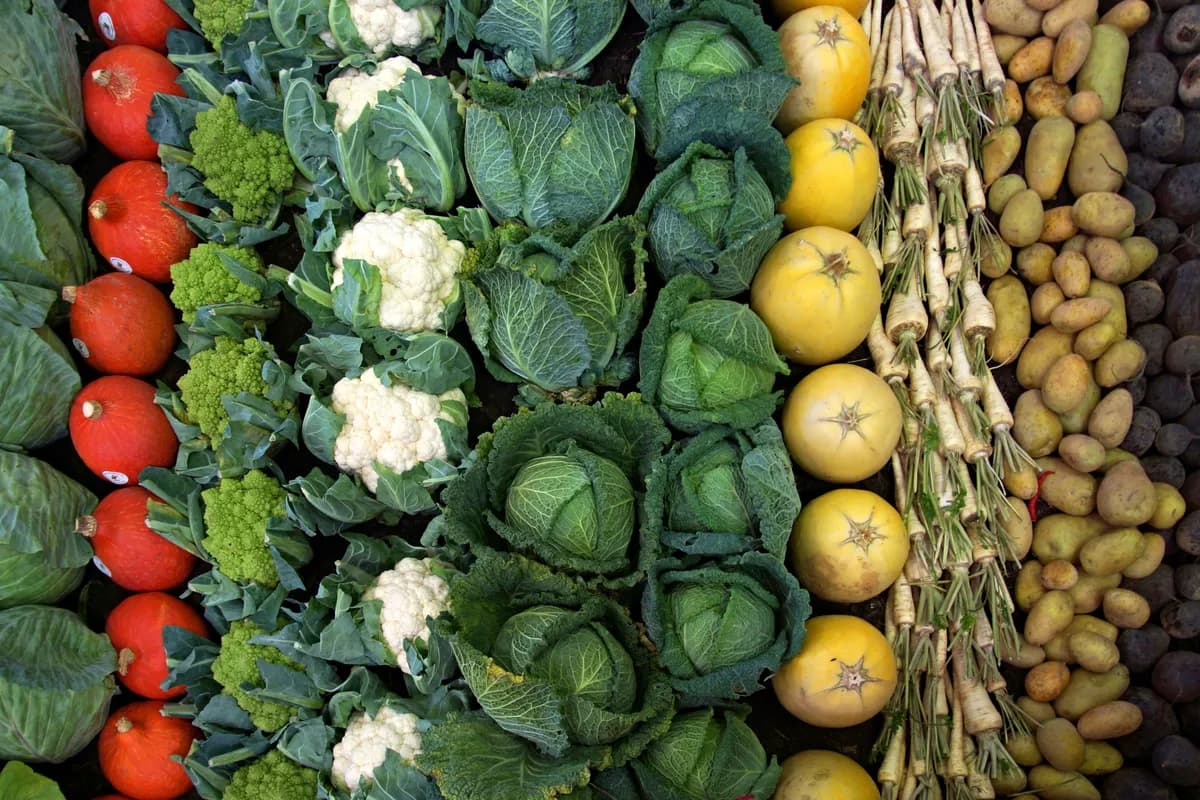
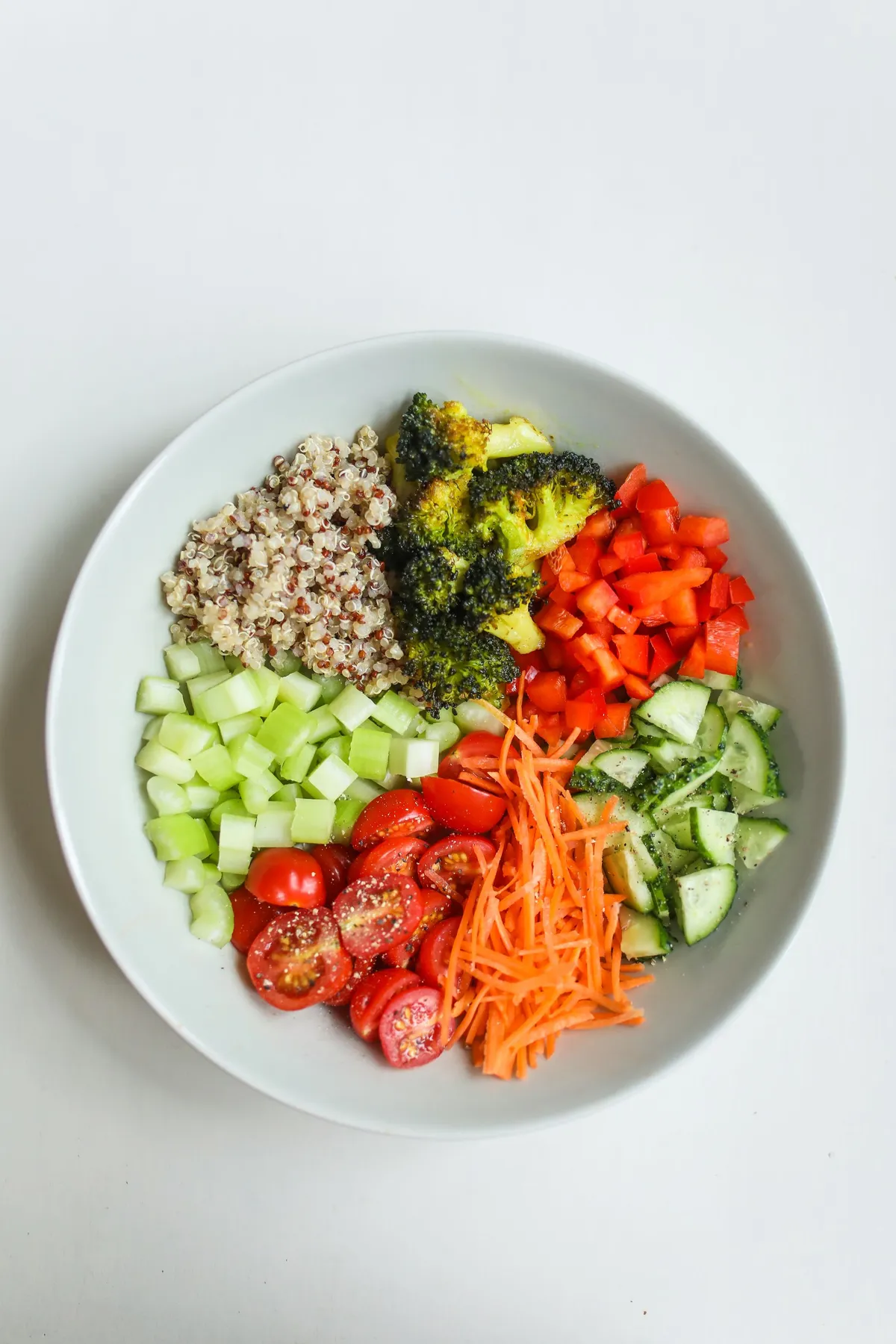
Fiber-rich foods: vegetables, legumes, whole grains, and fruit

The driver

Fiber & diversity

Plant fiber feeds microbes that make short-chain fatty acids; variety is key.

Plant benchmark

30+ plants/week

Eating 30+ plant types weekly is linked to a far more diverse microbiome.

Probiotics

Strain-specific

Useful for particular situations (IBS, antibiotic diarrhea), not a blanket booster.

What we'll cover

Diet & conditions

Why gut health matters, building the diet, probiotics, fermented foods, and IBS/IBD.

Pathophysiology Profile

Pathophysiology Profile

The gut microbiome thrives on diverse dietary fiber, which it ferments into short-chain fatty acids that maintain the intestinal barrier and modulate inflammation and immunity. This is why plant variety, rather than any single food or supplement, is the foundation of gut health.

Fiber Target

25–38 g/day

A practical daily range from varied plant foods, supporting microbes and motility.

Plant Diversity

30+ types/week

Eating more than 30 different plants weekly is linked to far greater microbial diversity.

Key Microbial Output

Short-chain fatty acids

Bacteria ferment fiber into SCFAs like butyrate, which strengthen the gut lining and calm inflammation.

Feeding a Healthy Gut

01

Why Gut Health Matters

The gut does far more than break down food. It absorbs the vitamins, minerals, and macronutrients the body runs on, houses a large portion of the immune system, and maintains a barrier that keeps harmful substances out of the bloodstream. Beneficial bacteria ferment fiber into short-chain fatty acids (SCFAs) like butyrate, which fuel the cells lining the colon, strengthen that barrier, and help keep inflammation in check. When this system is disrupted, through low microbial diversity, barrier dysfunction, or chronic inflammation, the result can range from everyday symptoms (bloating, gas, irregular bowels, as in IBS) to broader effects on immune reactivity, metabolism, and inflammatory conditions.

Key Takeaways

  • More than digestion: The gut drives absorption, immunity, and barrier protection.
  • SCFAs: Bacteria turn fiber into compounds that fuel and protect the gut lining.
  • When disrupted: Low diversity and inflammation drive symptoms and broader effects.
02

Building a Gut-Healthy Diet

Diet is the strongest driver of microbiome resilience, and the principle is simple: feed your bacteria a wide variety of plant fibers. Aim for roughly 25–38 grams of fiber a day, from vegetables, fruit, whole grains, legumes, nuts, and seeds, and include both soluble fiber (oats, chia, psyllium) and insoluble fiber (whole grains, vegetable skins). The standout finding is about diversity: eating more than 30 different plant types per week is linked to a far more diverse microbiome than eating 10 or fewer, which beats hitting a single fiber number from the same few foods. Increase fiber gradually and stay well hydrated, since water supports fermentation and motility.

Key Takeaways

  • Fiber target: Roughly 25–38 g/day from varied plant foods.
  • Both kinds: Include soluble (oats, chia, psyllium) and insoluble (whole grains, veg) fiber.
  • 30+ plants/week: Diversity drives microbiome diversity more than any single food.
  • Go gradual & hydrate: Ramp fiber up slowly, with plenty of water.
03

Probiotics, Prebiotics, and Fermented Foods

These tools help, but they're often misunderstood. Prebiotics are the fibers that feed beneficial bacteria, found naturally in garlic, onions, leeks, asparagus, bananas, and oats. Probiotics are live microbes that can benefit health in adequate amounts, but their effects are strain-specific, with the strongest evidence for particular strains in IBS, antibiotic-associated diarrhea, and some infections, not as a universal "gut booster." Fermented foods (yogurt with live cultures, kefir, sauerkraut, kimchi, miso, tempeh) supply diverse microbes and beneficial compounds and may add to gut diversity, though effects vary by product and individual tolerance. For most people, feeding existing bacteria with fiber and variety does more than any single supplement.

Key Takeaways

  • Prebiotics: Fibers (garlic, onion, banana, oats) that feed good bacteria.
  • Probiotics: Strain-specific; best evidence for IBS and antibiotic diarrhea, not everyone.
  • Fermented foods: Yogurt, kefir, kimchi, etc. may add diversity; tolerance varies.
  • Food first: Fiber and variety usually beat any single pill.
04

Nutrition for IBS, IBD, and Common Concerns

Specific conditions call for tailored, supervised approaches. For irritable bowel syndrome (IBS), a temporary low-FODMAP diet can reduce symptoms, but it should be guided by a dietitian and followed by structured reintroduction so the diet doesn't stay needlessly restrictive long-term. For inflammatory bowel disease (IBD), nutrition is individualized to flare versus remission, leaning on anti-inflammatory, nutrient-dense eating with adequate fiber and omega-3s in remission, while watching for malabsorption and deficiencies. Across the board, gentle everyday habits help: eat slowly and mindfully, keep meal timing fairly consistent, stay hydrated, and manage stress, since the gut-brain connection means stress directly affects digestion.

Key Takeaways

  • IBS: Low-FODMAP can help short-term, with dietitian guidance and reintroduction.
  • IBD: Individualize to flare vs remission; watch for malabsorption.
  • Everyday habits: Eat slowly, keep regular timing, hydrate, manage stress.
  • Gut-brain link: Stress directly affects motility and symptoms.

Practical Strategies

Gut health is built through diverse, fiber-rich eating, supported by lifestyle habits, and individualized when conditions are involved. Consistency over time beats any quick reset.

01
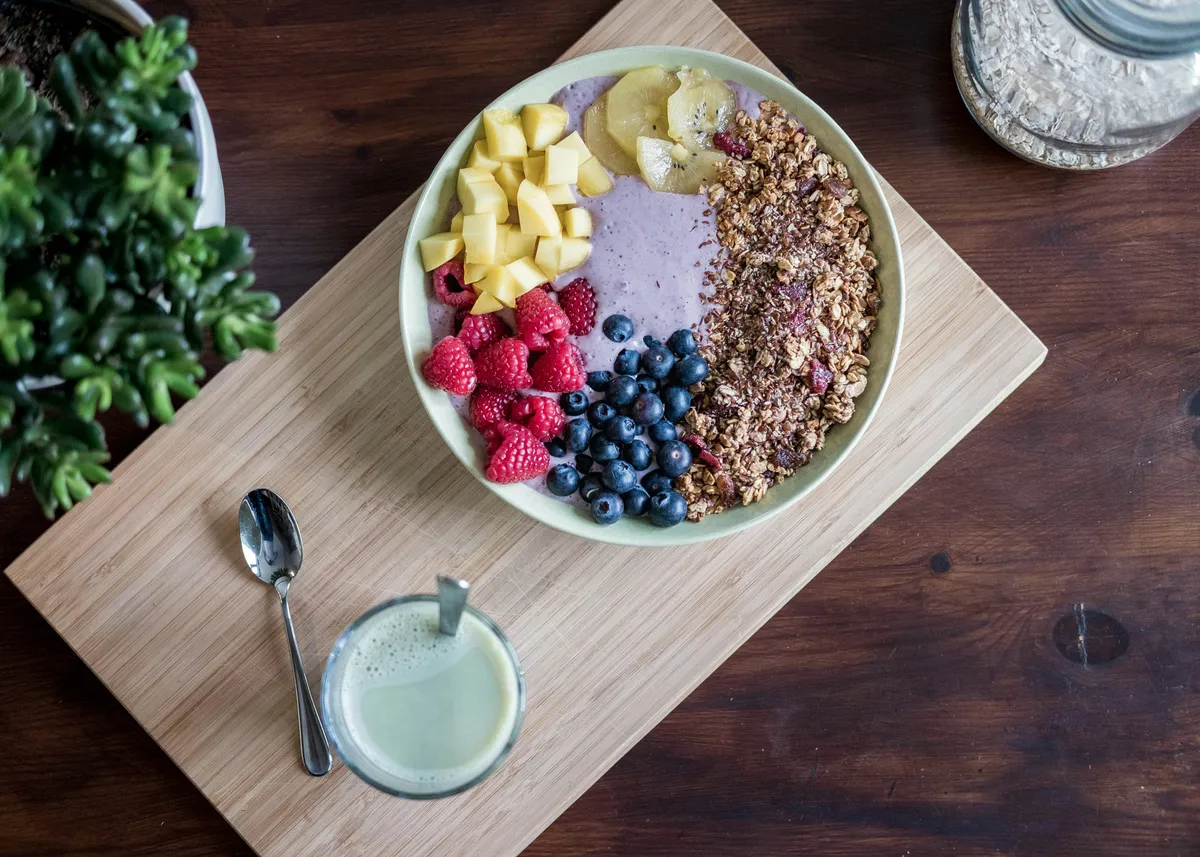
A diverse spread of vegetables, fruit, legumes, nuts, and seeds
Step 1

Eat for Diversity

Feed your microbiome a wide variety of plant fibers rather than chasing a single food.
  • Aim for 30+ different plant types across the week.
  • Hit roughly 25–38 g of fiber daily, soluble and insoluble.
  • Add quick boosters: ground flaxseed, psyllium, beans, berries, oats.
  • Increase fiber gradually and stay well hydrated.
02
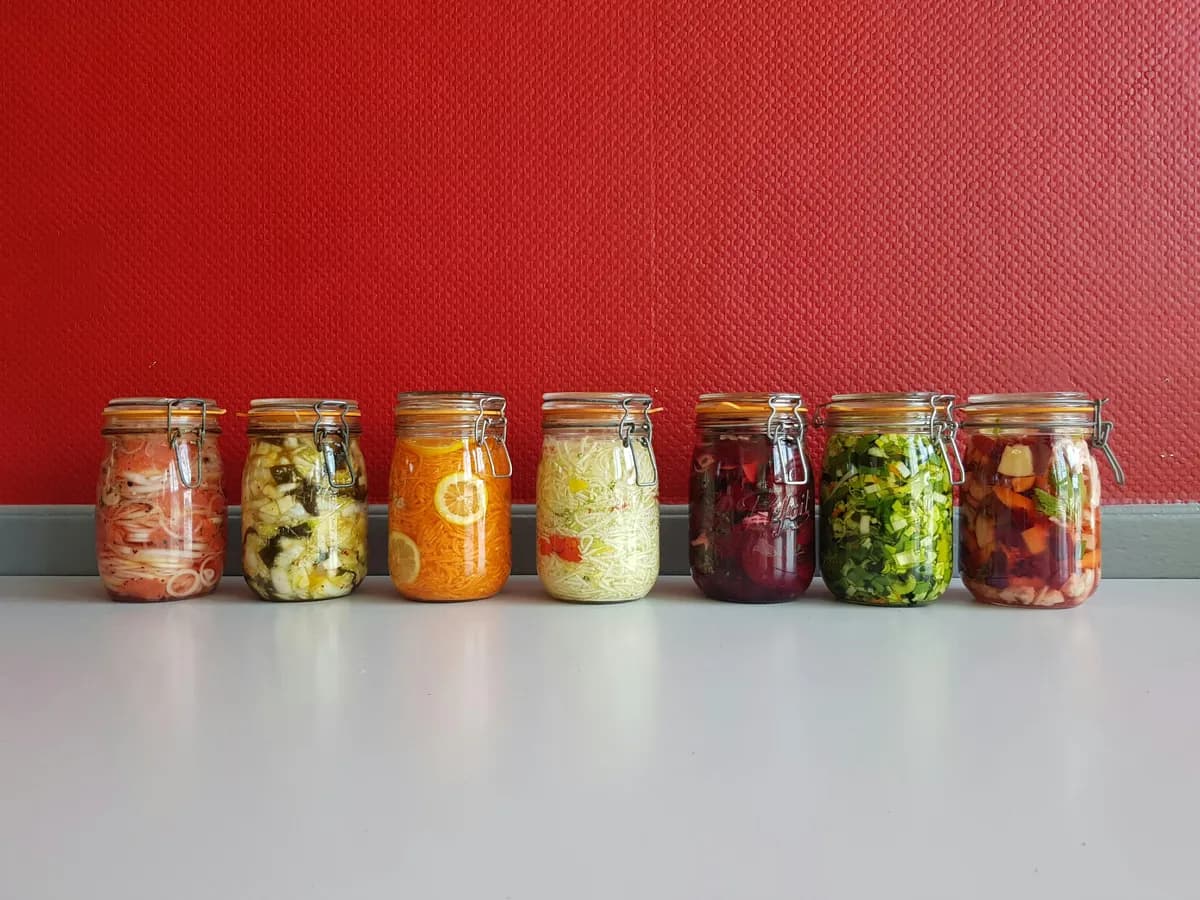
Fermented foods: yogurt, kefir, sauerkraut, and kimchi
Step 2

Use Probiotics & Ferments Wisely

Add fermented foods for diversity, and use probiotics for specific situations.
  • Include fermented foods (yogurt, kefir, kimchi) if you tolerate them.
  • Choose minimally processed versions without excess sugar or salt.
  • Reserve probiotics for targeted uses (IBS, antibiotic diarrhea), strain matters.
  • Introduce new foods slowly, especially with IBS.
03
Step 3

Support It With Lifestyle

Daily habits shape the gut as much as what's on the plate.
  • Prioritize sleep; poor sleep alters microbiome diversity.
  • Manage stress, which disrupts gut-brain signaling and motility.
  • Stay physically active to promote beneficial microbial shifts.
  • Review antibiotics, NSAIDs, and PPIs with your healthcare team.

Common Myths About Gut Health

Myths vs. Facts

Myth

A 'gut reset' cleanse fixes your microbiome.

Hover to flipTap to flip
Fact
  • The microbiome responds to consistent, long-term eating, not a short cleanse.
  • Extreme resets can reduce the diversity you're trying to build.
Myth

Everyone should take a probiotic supplement.

Hover to flipTap to flip
Fact
  • Probiotic effects are strain-specific, with strong evidence only in particular situations.
  • For most people, feeding existing bacteria with fiber and variety does more.
Myth

You just need to hit a daily fiber number.

Hover to flipTap to flip
Fact
  • The variety of plants matters as much as the amount; 30+ types a week beats the same few foods.
  • Diversity of fiber feeds a more diverse, resilient microbiome.
Myth

A low-FODMAP diet is a healthy way to eat long-term.

Hover to flipTap to flip
Fact
  • Low-FODMAP is a short-term diagnostic tool for IBS, not a permanent diet.
  • Staying on it without reintroduction needlessly restricts foods and can reduce diversity.

Risk Factors

Certain dietary and lifestyle factors reduce microbial diversity and disrupt digestion.

Factors That Strain Gut Health

Low-fiber, low-diversity diet

Eating few plant types and little fiber starves beneficial, SCFA-producing bacteria.

Ultra-processed, high-sugar intake

Diets heavy in ultra-processed foods are linked to lower diversity and more inflammation.

Antibiotics and certain medications

Antibiotics, NSAIDs, and PPIs can disrupt the microbiome and should be reviewed when long-term.

Chronic stress and poor sleep

Both disrupt gut-brain signaling and alter microbiome diversity and motility.

Special Clinical Care

Some groups need a more individualized approach to gut nutrition.

People with IBS

May benefit from a supervised, temporary low-FODMAP trial with structured reintroduction.

People with IBD

Need nutrition tailored to flare vs remission, watching for malabsorption and deficiencies.

Those after antibiotics or GI surgery

Benefit from deliberate fiber and diversity to help rebuild microbial balance, with guidance.

Conclusion

Gut health comes down to something fairly simple: feed a diverse community of microbes with a wide range of plants, consistently, over time. Fiber variety, aiming for more than 30 plant types a week, does more for your microbiome than any single superfood, cleanse, or supplement, and fermented foods can add to it. Probiotics and therapeutic diets like low-FODMAP have real but specific roles, best used with guidance rather than as everyday habits. Paired with good sleep, stress management, and activity, sustainable eating builds the kind of gut resilience that supports digestion, immunity, and whole-body health, and a dietitian can tailor it to you.

Frequently Asked Questions

What is the gut microbiome and why does it matter?

The gut microbiome is the community of trillions of bacteria and other microbes living in your digestive tract. It helps digest food, makes certain vitamins and beneficial compounds, trains the immune system, and communicates with the brain. A diverse, balanced microbiome is linked to better digestion, lower inflammation, and broader health, and diet is one of the most powerful things that shapes it.

What's the single best thing I can eat for my gut?

Fiber from a wide variety of plants. Your gut bacteria ferment fiber into short-chain fatty acids (like butyrate) that strengthen the gut lining and calm inflammation. Variety is key: one large study found people who ate more than 30 different plant types per week had far more diverse microbiomes than those eating 10 or fewer. Aim for roughly 25–38 g of fiber a day from a range of vegetables, fruit, whole grains, legumes, nuts, and seeds.

Do I need to take probiotics?

Not necessarily. Probiotic effects are strain-specific, with the strongest evidence for particular strains in situations like IBS or antibiotic-associated diarrhea. They're not a general 'gut booster' for everyone, and not all products are equal. For most people, feeding the bacteria you already have with fiber and variety does more than any pill.

Are fermented foods good for the gut?

They can be a helpful addition. Foods like yogurt with live cultures, kefir, sauerkraut, kimchi, miso, and tempeh provide diverse microbes and beneficial compounds, and may support microbial diversity. They aren't a replacement for medical treatment, and tolerance varies (people with IBS should introduce them carefully). Choose minimally processed versions without excess added sugar or salt.

What about 'leaky gut' and gut resets?

The intestinal barrier can become more permeable, and that's a real area of research, but 'gut reset' cleanses and extreme elimination diets generally aren't supported and can backfire. The gut responds best to consistent, sustainable habits: fiber diversity, hydration, and stress management over time, not a quick fix.

Can diet help with IBS or IBD?

Yes, with individualized guidance. For IBS, a temporary low-FODMAP approach can ease symptoms, but it should be done with a dietitian and followed by structured reintroduction so the diet doesn't stay needlessly restrictive. For IBD, nutrition is tailored to flare versus remission, with attention to anti-inflammatory eating and malabsorption risks. Both work best alongside medical care.

Sources & References

Dietary Fiber Intake and Gut Microbiota in Human Health (review) pmc.ncbi.nlm.nih.gov/articles/PMC9787832/
1
The Influence of a Plant-Based Diet on the Human Gut Microbiota (Frontiers in Nutrition, 2026) www.frontiersin.org/journals/nutrition/articles/10.3389/fnut.2026.1774375/full
2
Dietitians of Canada — UnlockFood: Fibre & Digestive Health www.unlockfood.ca/en/Articles/Supplements/
4

Similar Blogs

clinical-nutrition
Cancer & Nutrition: Eating Well Through Treatment

An evidence-based overview of nutrition during cancer treatment: why protein and calories matter, managing side effects and cachexia, the truth about 'sugar feeds cancer,' and when to get support.

gut-health
Celiac Disease: A Clinical Nutrition Overview

An evidence-based overview of celiac disease: how it differs from gluten sensitivity, why a strict gluten-free diet is the only treatment, the deficiencies to watch for, and avoiding cross-contamination.

gut-health
GERD & Acid Reflux: A Clinical Nutrition Overview

An evidence-based overview of GERD and acid reflux: why weight loss, meal timing, and bed elevation beat blanket food bans, how to find your personal triggers, and when to see a doctor.

maternal-nutrition
Gestational Diabetes: A Clinical Nutrition Overview

An evidence-based overview of gestational diabetes (GDM): blood glucose targets, carbohydrate management, why most people manage with nutrition alone, and protecting both mother and baby.

clinical-nutrition
Gout & Nutrition: A Clinical Overview

An evidence-based overview of gout nutrition: the role of purines, fructose, and alcohol, why weight loss helps, the truth about cherries, and why diet supports but doesn't replace medication.

heart-health
Stroke & Nutrition: Prevention and Recovery

An evidence-based overview of nutrition for stroke: the dietary patterns and sodium targets that cut risk, plus how nutrition supports recovery, including dysphagia (swallowing difficulty).

clinical-nutrition
Type 2 Diabetes: A Clinical Nutrition Overview

An evidence-based overview of type 2 diabetes nutrition: how to manage and even reverse it, the plate method, carbohydrate quality, weight-loss targets, and what the latest ADA standards recommend.

gut-health
Ulcerative Colitis: A Clinical Nutrition Overview

An evidence-based overview of ulcerative colitis nutrition: how it differs from Crohn's, eating during flares vs remission, key deficiencies, the Mediterranean diet evidence, and avoiding needless restriction.

nutrient-deficiencies
Vitamin B12 Deficiency: A Clinical Nutrition Overview

An evidence-based overview of vitamin B12 deficiency: the at-risk groups (vegans, older adults, metformin and PPI users), the serious neurological signs, food sources, and when supplements or injections are needed.

clinical-nutrition
Thyroid Health & Nutrition: A Clinical Overview

An evidence-based overview of thyroid health: how hypothyroidism and hyperthyroidism differ, the key nutrients (iodine, selenium, iron, zinc), medication timing, and what the goitrogen myth gets wrong.