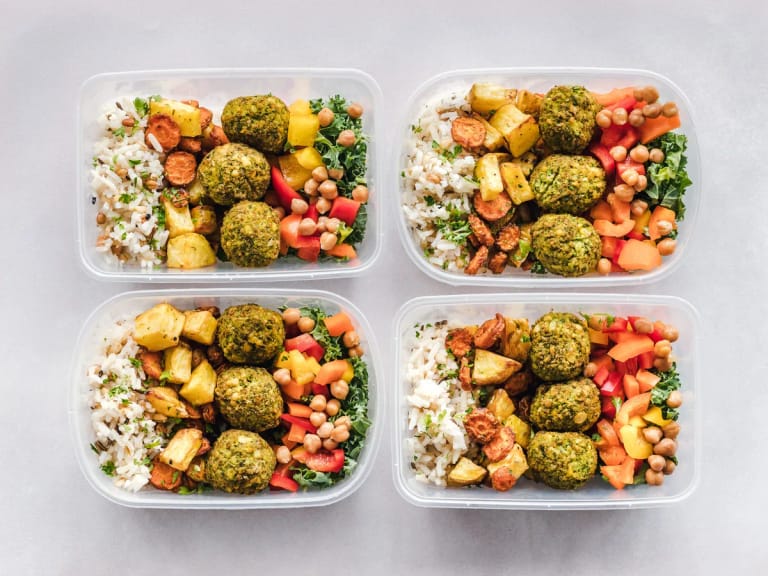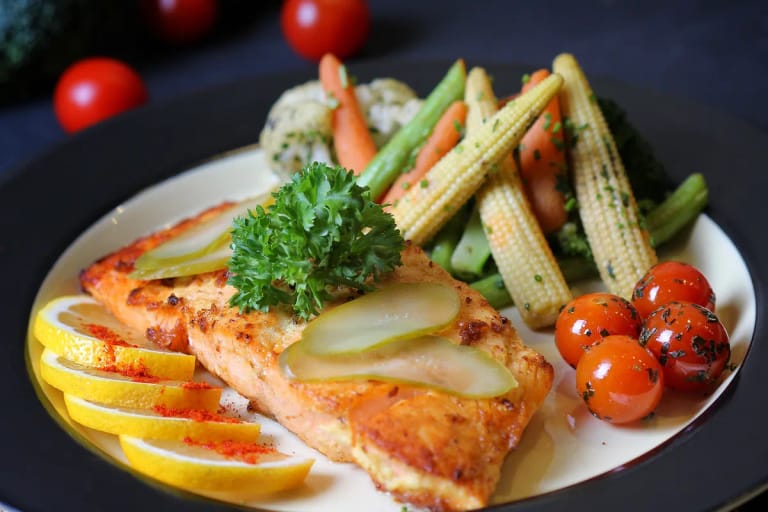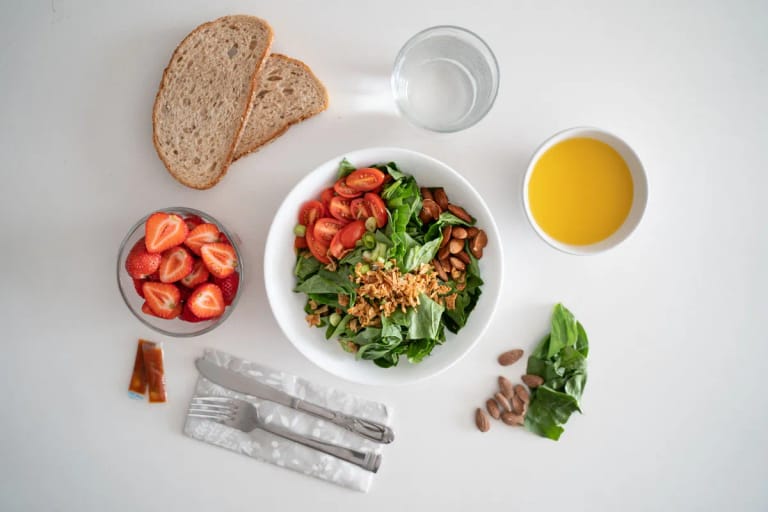
Cutting out gluten or dairy is one of the most common diet changes people make on their own, sometimes for a real medical reason, often on a hunch. The catch is that removing a food group can leave nutrient gaps if it's not done thoughtfully, and it can hide a diagnosis you actually need. Here's how to approach it properly. This is general education, not individual medical advice. Get tested before cutting things out, and a dietitian can help you do it well.
First, is it actually necessary?
There are clear medical reasons to avoid gluten or dairy, and there's a lot of unnecessary cutting out. Knowing which is which matters.
Get diagnosed before cutting gluten
If you suspect celiac disease, get tested before going gluten-free, because removing gluten first can make the test inaccurate. Celiac, a wheat allergy and non-celiac gluten sensitivity are different things your doctor can help sort out.
Dairy: allergy vs intolerance
A milk allergy and lactose intolerance are not the same. Many people with lactose intolerance can still handle some dairy (like hard cheeses or lactose-free milk) and don't need to cut it entirely.
Cutting a food group leaves gaps
Dairy is a major calcium source, and gluten-containing grains often supply fibre and fortified nutrients. Remove them without a plan and you can fall short, which is why doing it well matters.
The 'gluten-free is healthier' idea
Gluten-free and dairy-free are essential for some people and unnecessary for many others. Swapping regular products for 'free-from' packaged versions can mean less fibre and fortification and more cost, with no health upside if you don't need to avoid the food. Confirm whether you actually need to cut it, then do it well.
Doing it well, without losing nutrients
If you do need (or choose) to go gluten-free or dairy-free, cover the gaps.
- Replace dairy's calcium. Use fortified plant beverages, calcium-set tofu, canned fish with bones, and some leafy greens so you don't fall short.
- Keep fibre up when cutting gluten. Lean on naturally gluten-free whole grains (quinoa, brown rice, oats labelled gluten-free), legumes, fruit and vegetables.
- Read labels for fortification. Some gluten-free products skip the added nutrients fortified wheat products carry; variety helps fill the gap.
- Don't rely on 'free-from' processed foods. Whole foods that are naturally gluten- or dairy-free are usually more nutritious and cheaper than packaged substitutes.
- Watch B12 and protein if cutting dairy. Make sure other sources cover what dairy was providing.
- Check vitamin D. Dairy is often fortified with it; ask your provider, especially through our northern winters.
Get checked before you cut things out
Self-diagnosing and cutting food groups can mask real conditions. See your doctor about these first.
- Ongoing digestive symptoms (bloating, pain, diarrhea or constipation) you're blaming on gluten or dairy.
- Unexplained weight loss, fatigue, or signs of a nutrient deficiency.
- A family history of celiac disease.
- Symptoms of a true allergy (hives, swelling, breathing trouble), which need urgent medical attention.
- You've already cut gluten and feel better. Get tested anyway, with your doctor's guidance, since prior removal affects testing.
Don't self-diagnose a food problem by cutting things out, because it can hide conditions like celiac disease and create nutrient gaps. See your doctor for proper testing first, then a dietitian can help you make any needed change safely and completely.
Common questions
- Should I go gluten-free?
- Only if you have a medical reason, like celiac disease, a wheat allergy, or diagnosed non-celiac gluten sensitivity. For people without one, gluten-free isn't automatically healthier and can mean less fibre and more cost. And get tested for celiac before cutting gluten, because removing it first can make the test inaccurate.
- Is dairy-free healthier?
- Not automatically. Going dairy-free is necessary for a milk allergy and helpful for some with lactose intolerance, though many people with intolerance can still handle some dairy. If you don't need to avoid it, cutting dairy mainly means replacing its calcium, vitamin D and protein from other sources. Necessity should drive the decision.
- What nutrients might I miss cutting gluten or dairy?
- Dairy is a major source of calcium (and often vitamin D and protein); gluten-containing grains often provide fibre and fortified nutrients. If you cut either, plan replacements like fortified plant beverages, calcium-set tofu, gluten-free whole grains, legumes and vegetables, so you don't fall short. A dietitian can make sure the gaps are covered.
- Can a dietitian help me go gluten-free or dairy-free?
- Yes. A registered dietitian can help you confirm whether you need to cut a food group, then do it well, covering calcium, fibre and other nutrients, and finding good substitutes, without losing nutrition or overspending. If you'd like that support, you can book a consultation with our team.
Want personalized advice?
Speak to a registered dietitian about your own situation — your first consultation is free.
Speak to a dietitian for freeYour first consultation is on us.
From your dietitianBefore you cut gluten or dairy, find out if you actually need to. Then, if you do, replace what it gave you, so you lose the food, not the nutrition.
Rana Daoud, R.D.