'Gut health' is everywhere, and so are products promising to fix it. Supporting your gut is far simpler (and cheaper) than the marketing suggests. Most of it comes down to feeding the trillions of microbes living in your gut the things they thrive on. Here's what actually matters. This is general education, not individual medical advice. For ongoing digestive symptoms, see your doctor and a dietitian.
What your microbiome actually is, and what it wants
Your gut is home to trillions of bacteria that help digest food, make certain vitamins, and influence your immune system and even your mood. They have clear preferences.
They run on fibre
The fibre you can't digest is exactly what your gut bacteria ferment for fuel. More plant fibre means a better-fed, more active microbiome, and this is the single biggest lever you have.
Variety beats any single 'superfood'
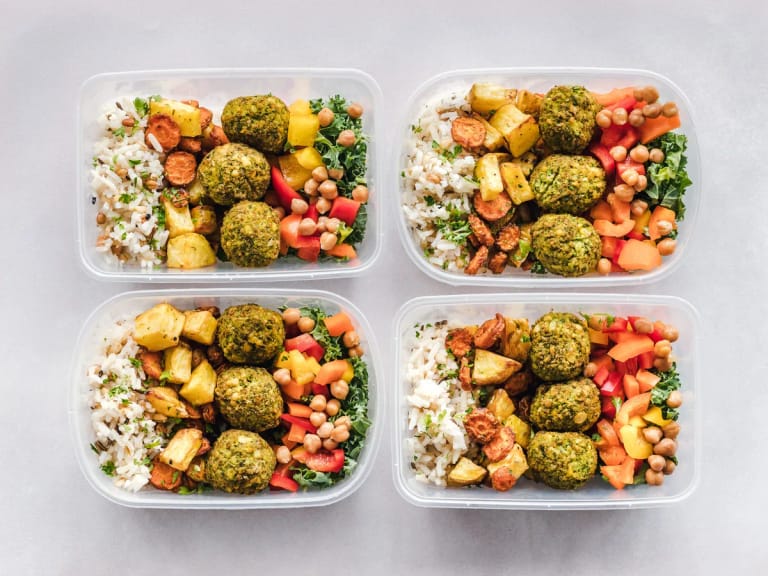
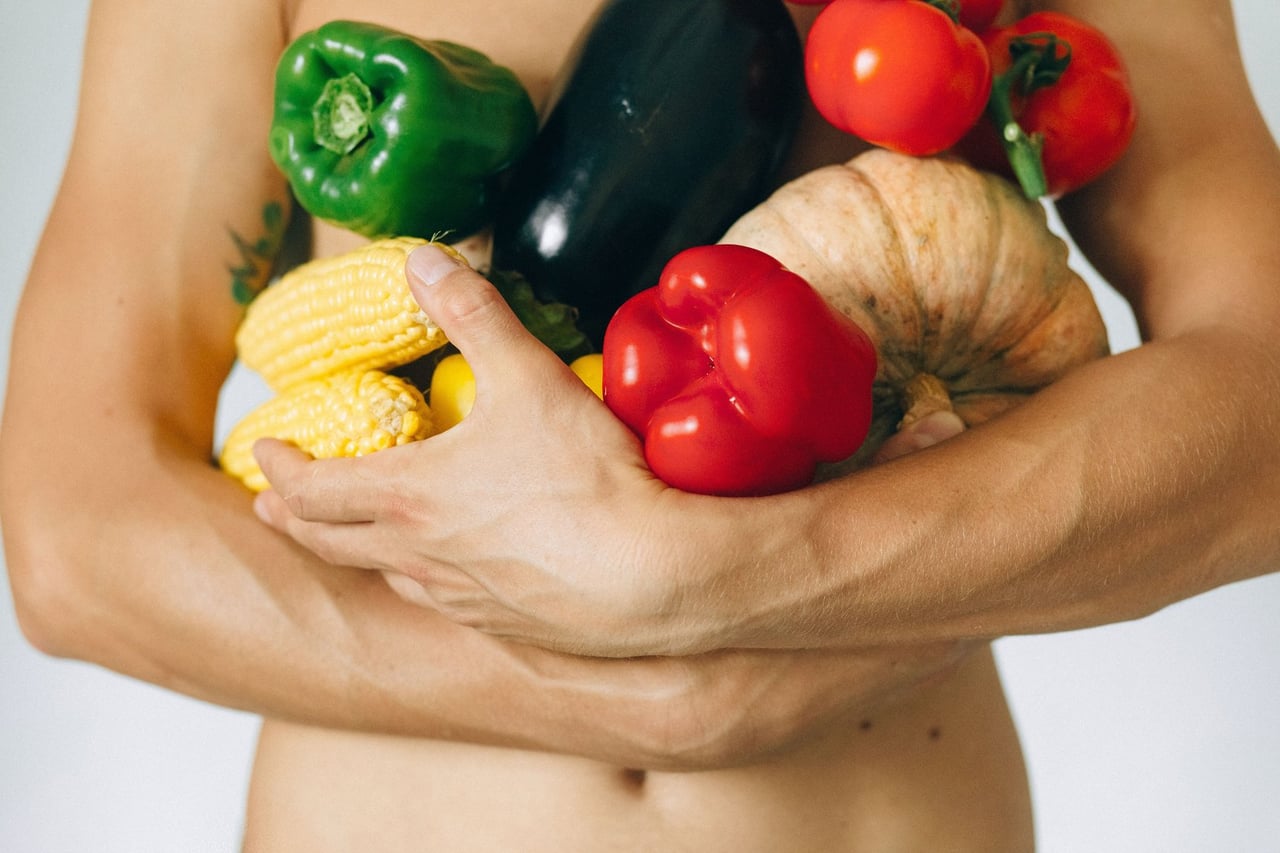
A diverse microbiome is a resilient one, and diversity comes from eating a wide range of plants: different vegetables, fruits, whole grains, legumes, nuts and seeds, rather than one miracle food.
The gut talks to the rest of you
The gut and brain are connected (the 'gut-brain axis'), which is part of why digestion, mood and stress are so intertwined. Caring for your gut is caring for more than digestion.
Simple ways to support your gut
No expensive products required, just consistent, plant-forward habits.
- Eat a wide variety of plants. Aim for as many different vegetables, fruits, legumes, whole grains, nuts and seeds across a week as you can. Variety is the goal.
- Build up fibre gradually. Increasing fibre slowly (with plenty of water) lets your gut adjust and avoids the bloating of doing too much at once.
- Include fermented foods. Yogurt with live cultures, kefir, sauerkraut, kimchi and miso add live microbes and flavour. Start small.
- Don't fear all carbs. Whole grains, legumes and starchy vegetables feed your gut; cutting them out wholesale can reduce diversity.
- Stay hydrated and move. Fluids and regular activity both support healthy digestion.
- Be cautious with 'gut detox' products. Your gut doesn't need cleansing teas or cleanses; fibre and variety do the real work.
Probiotic supplements
Probiotics are strain- and situation-specific. A particular product may help a particular issue, but a random off-the-shelf bottle isn't a guaranteed upgrade for a healthy gut. Food-based variety and fibre feed the microbes you already have, which is usually the higher-impact move. If you have a specific condition, a dietitian can advise whether a targeted probiotic makes sense.
Common questions
- What's the best food for gut health?
- There isn't a single one, because variety is the point. The most powerful habit is eating a wide range of plants (vegetables, fruits, legumes, whole grains, nuts, seeds) for fibre and diversity, plus some fermented foods like yogurt, kefir or sauerkraut. No single 'superfood' beats overall variety.
- Do I need a probiotic supplement?
- Most healthy people don't. A varied, fibre-rich diet with fermented foods supports the gut well. Probiotics can help in specific situations, but they're strain-specific and not a blanket requirement. A dietitian can advise if one is worth it for your situation.
- How can I increase fibre without bloating?
- Build it up gradually rather than all at once, drink plenty of water, and spread fibre-rich foods across the day. Going slowly gives your gut time to adjust. If increasing fibre consistently triggers significant symptoms, that's worth discussing with a dietitian or doctor.
- Can a dietitian help with gut health?
- Yes. A registered dietitian can help you build a gut-friendly, varied diet, sort real strategies from gut-health hype, and address specific digestive concerns (including conditions like IBS). If you'd like personalized support, you can book a consultation with our team.
Want personalized advice?
Speak to a registered dietitian about your own situation — your first consultation is free.
Speak to a dietitian for freeYour first consultation is on us.
From your dietitianThe best thing you can do for your gut isn't a supplement. It's eating a wider variety of plants, more often.
Rana Daoud, R.D.