If your energy and mood swing through the day, wired one moment and crashing the next, how you're eating is often part of the picture. Steady blood sugar tends to mean steadier energy, focus and mood, and the fixes are simpler than you'd think. Here's a dietitian's practical guide. This is general education, not individual medical advice. For persistent fatigue or mood concerns, see your doctor, and a dietitian can help with the food side.
The blood-sugar rollercoaster
Big swings in blood sugar are a common, fixable cause of the energy crashes and irritability many people feel mid-afternoon.
Spikes are followed by crashes
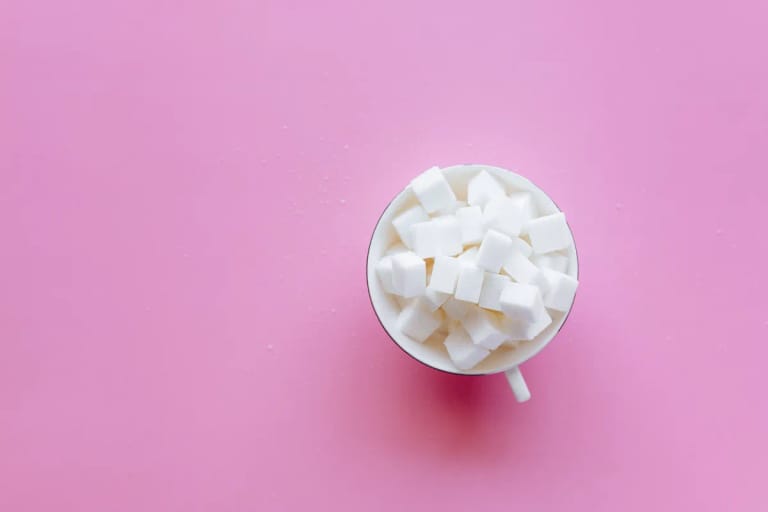
a meal that's mostly refined carbs (a pastry, sugary coffee) raises blood sugar quickly, then it drops, often leaving you tired, foggy and hungry again soon after.
Balance flattens the curve
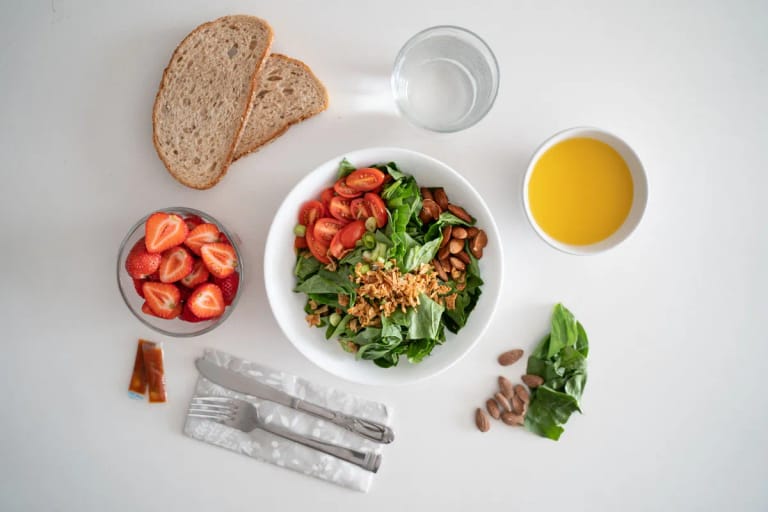
pairing carbs with protein, fibre and some fat slows the rise and fall, giving you steadier energy and fewer crashes through the afternoon.
Going too long without eating backfires
skipping meals can drop your blood sugar and leave you over-hungry, irritable ('hangry') and more likely to grab whatever's fastest later.
The gut-brain link is real
what you eat influences your gut, which is connected to mood, another reason a balanced, consistent way of eating supports how you feel.
Simple ways to steady your energy
Small, repeatable habits beat any single 'energy food.'
- Build balanced meals. carbs + protein + fibre + a little fat at each meal slows blood-sugar swings and keeps you full longer.
- Don't skip breakfast (or skip it badly). a balanced breakfast with protein and fibre sets up steadier energy; a sugary one sets up an early crash.
- Eat at regular times. going too long without food invites the crash-and-overeat cycle. Regular meals and snacks keep things even.
- Make snacks count. pair a carb with protein (apple + nut butter, yogurt + fruit, veg + hummus) instead of sugar alone.
- Mind the caffeine timing. coffee can help focus, but too much, or late in the day, can fuel jitters and disrupt sleep, which hits next-day energy and mood.
- Stay hydrated. even mild dehydration shows up as fatigue and poor focus before you feel thirsty.
The sugar 'energy boost'
That mid-afternoon candy bar or energy drink spikes blood sugar fast, but the rebound drop brings fatigue and cravings, so you reach for more. Pairing carbohydrate with protein and fibre gives slower-release energy without the crash. What helps is better balance, not more sugar.
Common questions
- What should I eat to avoid the afternoon energy crash?
- Focus on balanced meals, with carbs paired with protein, fibre and a little fat, rather than meals or snacks that are mostly refined carbs and sugar. Eating at regular times and not skipping meals also helps. The goal is steadier blood sugar, which means steadier energy and fewer crashes.
- Does what I eat really affect my mood?
- It can. Big blood-sugar swings contribute to irritability and energy crashes, and the gut-brain connection links eating patterns to mood over time. Balanced, regular meals support steadier mood and energy. That said, persistent low mood deserves a conversation with your doctor, since nutrition is only one piece of the picture.
- Is breakfast really that important?
- For many people, a balanced breakfast with protein and fibre helps set up steadier energy and focus for the morning. What matters is the quality: a sugary breakfast can cause an early crash. If you're not hungry first thing, a balanced mid-morning meal can do the same job.
- Can a dietitian help with my energy levels?
- Yes. A registered dietitian can look at your eating patterns and build balanced, realistic meals and snacks that steady your energy and mood through the day. If you'd like that support, you can book a consultation with our team.
Want personalized advice?
Speak to a registered dietitian about your own situation — your first consultation is free.
Speak to a dietitian for freeYour first consultation is on us.
From your dietitianSteady energy doesn't come from one 'energy food.' It comes from balanced meals at regular times, so your blood sugar stops riding a rollercoaster.
Rana Daoud, R.D.