A prediabetes diagnosis can feel alarming, but it's really an early warning and a chance to act. With the right eating and lifestyle changes, many people stop the progression to type 2 diabetes, and some return their blood sugar to a healthy range. Here's how a dietitian approaches it. This is general education, not individual medical advice, so work with your healthcare team on your plan.
What prediabetes is, and why it matters
Prediabetes means your blood sugar is higher than normal but not yet in the diabetes range. It's a sign that your body is having trouble managing blood sugar, and it's often reversible.
Insulin resistance
In prediabetes, your cells respond less to insulin, the hormone that moves sugar out of your blood. Your body compensates by making more insulin, but blood sugar creeps up over time.
Why food matters so much
What and how you eat directly shapes your blood sugar response. Balanced meals, fibre and steady habits ease the load on your system, which is why diet is the cornerstone of managing prediabetes.
The opportunity
Research consistently shows that modest, sustained changes to eating, activity and weight can prevent or delay type 2 diabetes. Few diagnoses respond as well to everyday changes.
How to eat to steady your blood sugar
You don't need a rigid 'diabetic diet.' A few balanced-eating habits make most of the difference.
- Build balanced plates. Pair carbohydrates with protein, healthy fat and vegetables. The combination slows how fast sugar enters your blood.
- Choose higher-fibre carbs. Whole grains, beans, lentils, fruit and vegetables raise blood sugar more gently than refined carbs and sugary foods.
- Don't skip protein. It blunts the blood sugar rise from a meal and helps you stay full.
- Cut back on sugary drinks. Pop, juice and sweetened coffees spike blood sugar fast; water, sparkling water and unsweetened drinks are easy wins.
- Watch portions of refined starches. White bread, white rice and large portions of pasta hit blood sugar hardest; pair them with protein and veg and keep portions moderate.
- Stay active. Even a short walk after meals helps your muscles use up blood sugar. Food and movement work together.
When to see your doctor
Prediabetes itself usually has no symptoms, which is why screening matters. See your doctor for testing or follow-up, especially with any of these.
- Increased thirst, frequent urination, or unexplained fatigue.
- A family history of type 2 diabetes, or risk factors like high blood pressure.
- You've been told your blood sugar is borderline but haven't had a follow-up plan.
- Blurred vision, slow-healing cuts, or tingling in your hands or feet (these can signal blood sugar that's climbing).
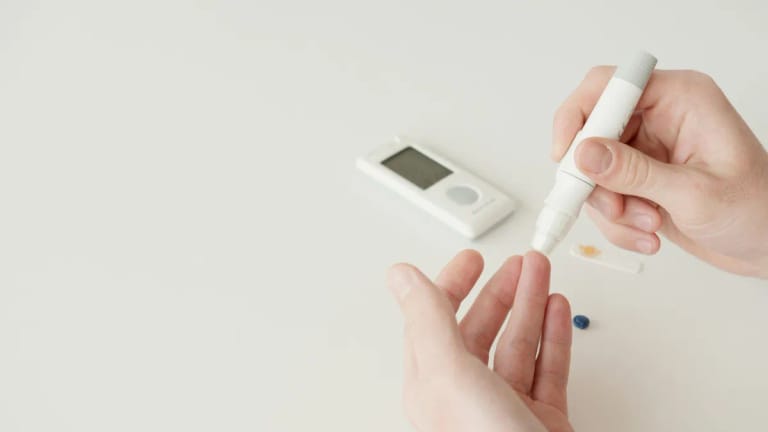
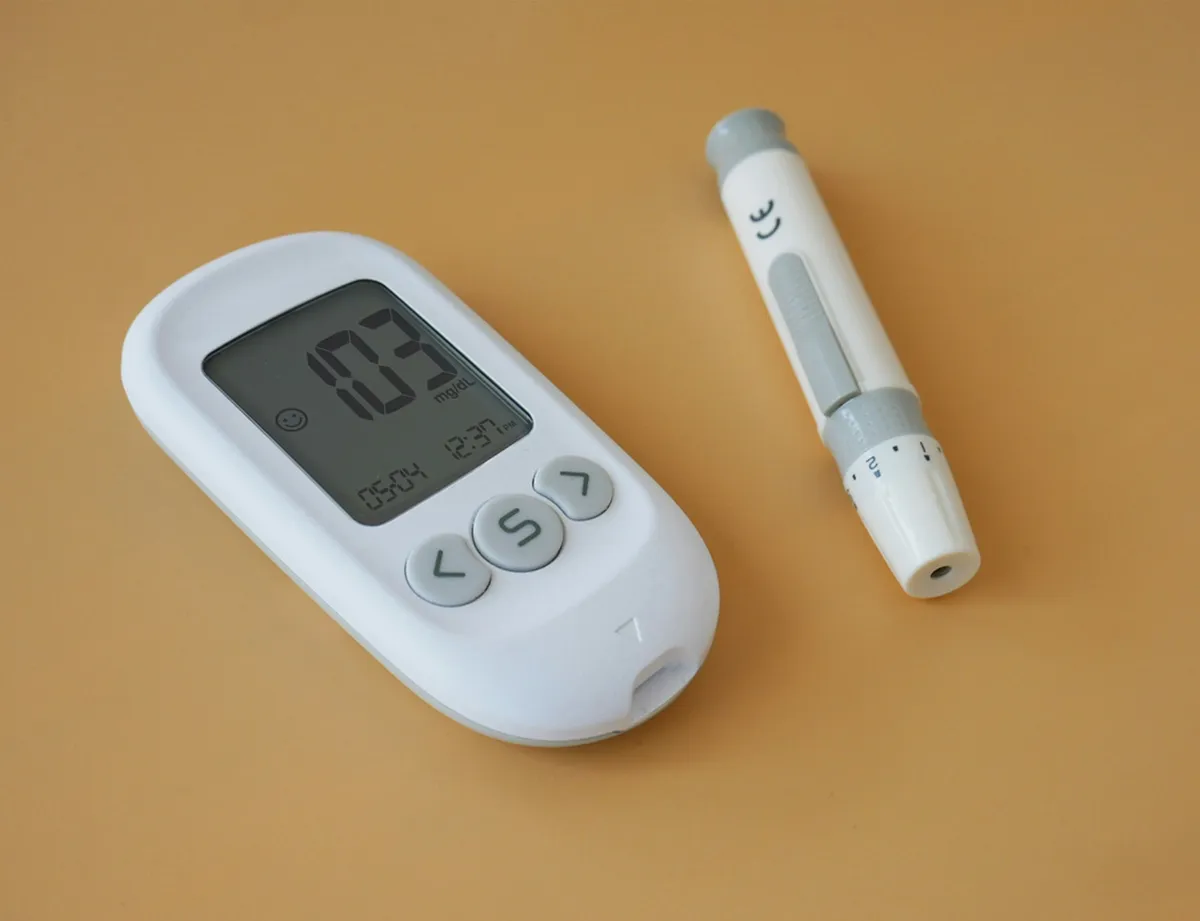
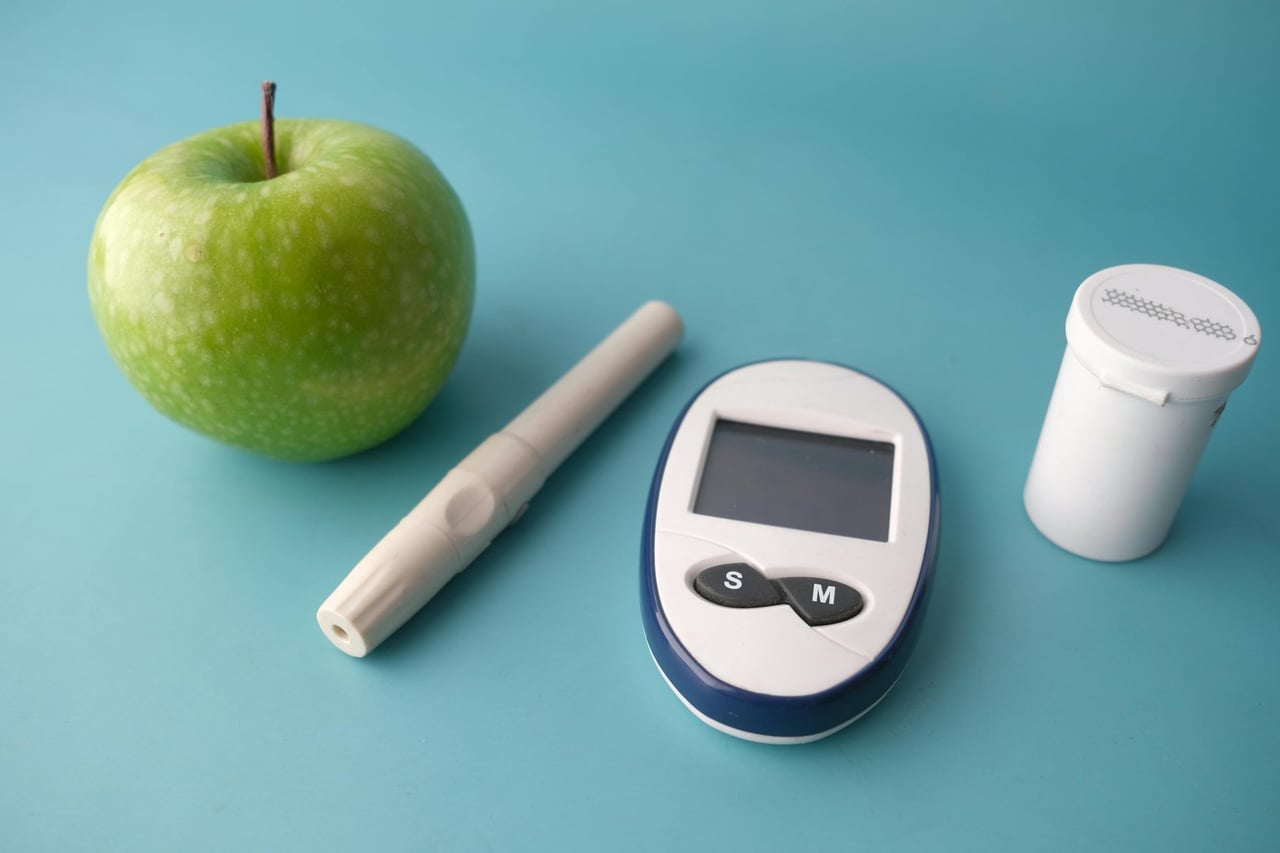
Blood sugar is monitored with simple blood tests, and your doctor can confirm where you stand. A dietitian then helps turn the diagnosis into a concrete, livable eating plan.
Common questions
- Can prediabetes be reversed with diet?
- Often, yes. Many people return their blood sugar to a healthy range, or stop the progression to type 2 diabetes, through sustained changes to eating, physical activity and weight. The earlier you act, the better the odds.
- What should I eat for prediabetes?
- Focus on balanced plates: pair higher-fibre carbohydrates (whole grains, beans, fruit, vegetables) with protein and healthy fats, which slows the rise in blood sugar. Cut back on sugary drinks and large portions of refined starches. You don't need a rigid 'diabetic diet'; balanced, consistent eating does most of the work.
- Do I have to cut out all carbs with prediabetes?
- No. Carbohydrates aren't off-limits. The type, amount and what you pair them with matter most. Higher-fibre carbs eaten alongside protein and vegetables raise blood sugar gently. Cutting all carbs is neither necessary nor sustainable for most people.
- How can a dietitian help with prediabetes?
- A registered dietitian translates the diagnosis into a practical, personalized plan, building meals around your preferences and routine, managing portions without deprivation, and tracking what actually helps your numbers. If you'd like that support, you can book a consultation with our team.
Want personalized advice?
Speak to a registered dietitian about your own situation — your first consultation is free.
Speak to a dietitian for freeYour first consultation is on us.
From your dietitianPrediabetes is a diagnosis you can act on. Balanced meals, more fibre and steady habits give most people real power to change the course.
Rana Daoud, R.D.