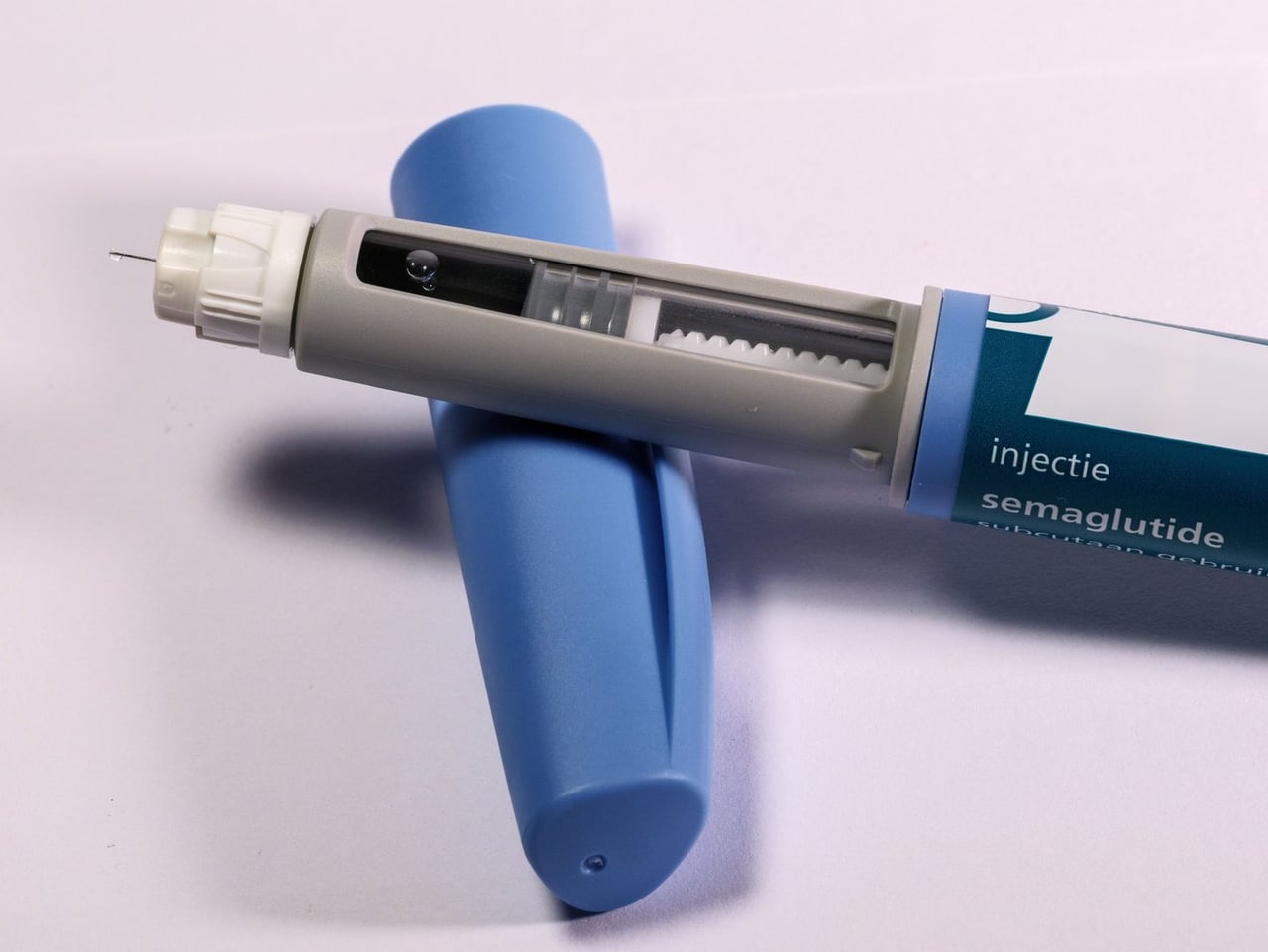
GLP-1 medications like Ozempic, Wegovy and Mounjaro are increasingly common for type 2 diabetes and weight management. They reduce appetite, which is the point, but eating much less makes nutrition more important, not less. This guide is about the food side only. It is general education, not medical or medication advice: decisions about whether to take, change or stop any medication belong with your prescriber, and a dietitian can support the nutrition piece alongside them.
Why nutrition matters more when you're eating less
When appetite drops sharply, it's easy to under-eat protein and key nutrients. That's where the risks, and the dietitian's role, come in.
Protein protects your muscle
when you lose weight, some of it can come from muscle as well as fat. Getting enough protein, spread through the day, helps protect muscle so you lose mainly fat, which is important for strength and long-term health.
Smaller appetite, same nutrient needs
eating much less makes it easy to fall short on protein, fibre, vitamins and minerals. Quality matters more than ever, since every meal has to count.
Hydration is easy to forget
with less appetite, people often drink less too. Staying hydrated helps with energy, digestion and side effects like constipation.
Strength training helps
pairing good protein intake with some resistance or strength activity further protects muscle during weight loss. Food and movement work together.
Eating well on a smaller appetite
When you can only eat a little, make each bite work. Practical priorities:
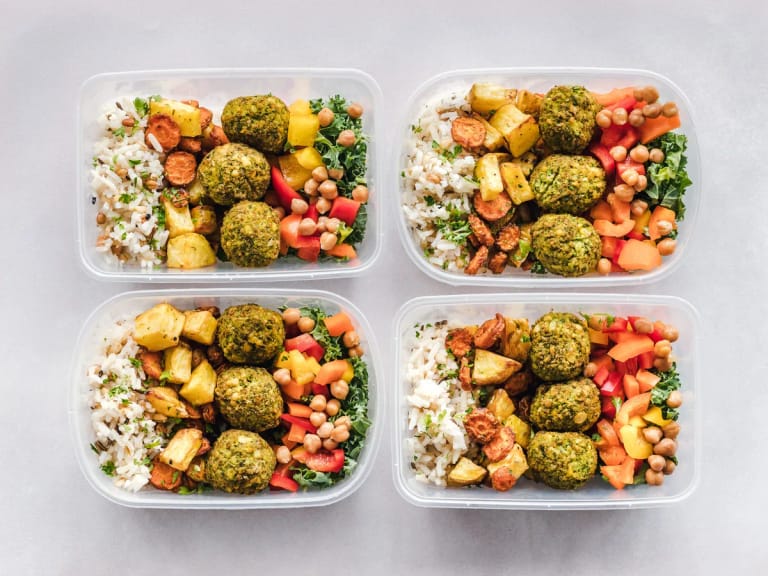
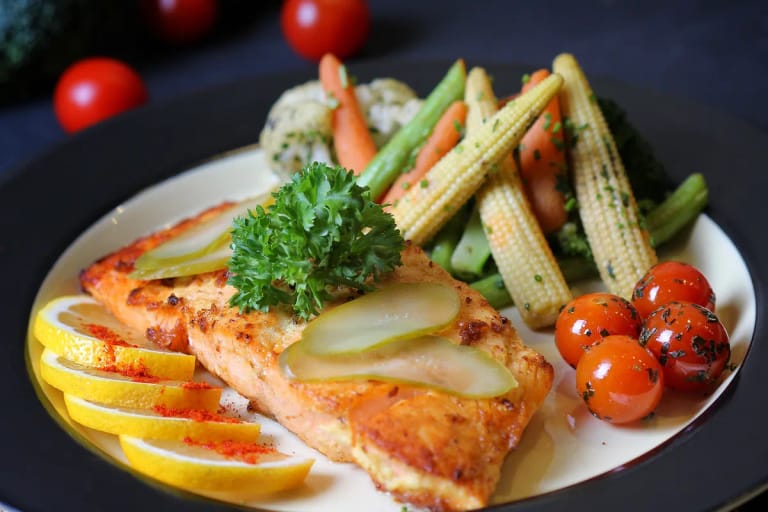
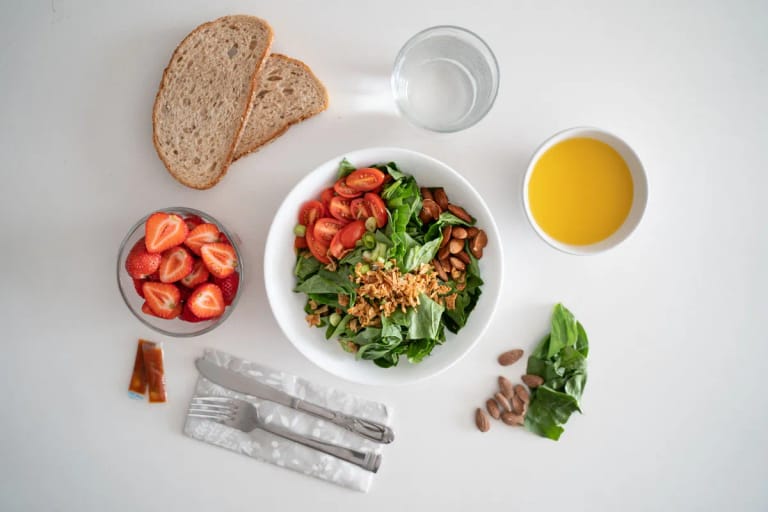
- Lead with protein. Start meals with the protein (eggs, fish, chicken, Greek yogurt, tofu, legumes) so you get it in before you fill up.
- Aim for protein at each meal. Spreading it through the day protects muscle better than one big serving.
- Don't skip vegetables and fibre. They support digestion and overall nutrition; cooked veg is often easier to tolerate than large raw salads.
- Sip fluids steadily. Water through the day; soups and broths count and are gentle on a small appetite.
- Choose nutrient-dense over 'empty'. When portions are small, nutrient-rich foods beat highly processed snacks.
- Eat slowly and stop at comfortable. These medications slow stomach emptying, so eating past 'satisfied' can bring on nausea.
When to check in with your healthcare team
Most GLP-1 side effects are digestive and manageable, but some things are worth flagging. This is general guidance, so always follow your prescriber's instructions.
- Persistent vomiting or inability to keep fluids down. Dehydration is a real risk; contact your healthcare provider.
- Severe or ongoing abdominal pain. Let your prescriber know promptly rather than waiting it out.
- Losing weight very rapidly, or feeling weak and exhausted. This may signal you're not getting enough protein or energy.
- Signs you're under-eating. Dizziness, hair changes, or feeling unable to eat meaningful meals.
- Managing diabetes alongside the medication. Any blood-sugar concerns should go to the team managing your diabetes.
Your prescriber manages the medication; a dietitian helps you eat well around it. Together they keep your weight loss healthy and your nutrition on track, so reach out rather than struggling alone.
Common questions
- How much protein do I need on a GLP-1 medication?
- Needs are individual, but the key idea is getting enough protein and spreading it across the day to protect muscle while you lose weight. Because your appetite is smaller, it takes a bit of planning, and leading meals with protein helps. A dietitian can set a target that fits you and your medication.
- Why am I losing muscle, not just fat?
- Any significant weight loss can include some muscle, not only fat. Eating enough protein and adding some strength or resistance activity helps shift the balance toward losing mainly fat, which matters for strength, metabolism and long-term health.
- How do I deal with nausea and other side effects through food?
- Common strategies include smaller meals, eating slowly and stopping when comfortable, choosing gentler foods, and staying hydrated, since these medications slow stomach emptying. Persistent or severe symptoms should go to your prescriber. A dietitian can tailor food strategies to your tolerance.
- Can a dietitian help while I'm on a GLP-1 medication?
- Yes, and that's exactly where a dietitian fits. Your prescriber manages the medication; a registered dietitian helps you get enough protein and nutrients, protect muscle, manage side effects through food, and build habits that last beyond the medication. If you'd like that support, you can book a consultation with our team.
Want personalized advice?
Speak to a registered dietitian about your own situation — your first consultation is free.
Speak to a dietitian for freeYour first consultation is on us.
From your dietitianThe medication lowers your appetite; nutrition makes sure the weight you lose is mostly fat, not muscle, and that you still feel well.
Rana Daoud, R.D.