If you're thinking about starting or growing a family, the months before pregnancy are an important window. Building good nutrient reserves ahead of time supports a healthier start, and some nutrients matter most very early, often before you even know you're pregnant. Here's a dietitian's practical starting guide. This is general education, not individual medical advice, so always follow your healthcare provider's guidance, and a dietitian can help with personalized preparation.
Why the lead-up matters
Pregnancy draws on the reserves you already have. Topping them up beforehand, and getting a couple of key nutrients early, gives the best start.
Folate, early and ahead of time
Folate is critical for a baby's early neural development, which happens in the first weeks, often before pregnancy is confirmed. That's why a folic-acid supplement is typically recommended before conception and in early pregnancy; your provider will advise.
Build iron reserves
Iron needs rise sharply in pregnancy. Going in with healthy iron stores helps; iron from meat, fish, legumes and leafy greens (paired with vitamin C for plant sources) builds reserves.
A balanced foundation
An overall balanced, varied diet (vegetables, fruit, whole grains, protein and healthy fats) sets up the nutrient reserves pregnancy will draw on. No perfection required.
It's not only about one partner
Overall health and nutrition matter for both partners when trying to conceive. A balanced diet and healthy habits are a shared project.
Eating well while trying to conceive
Sensible, sustainable habits rather than a restrictive plan.
- Talk to your provider about a prenatal/folic-acid supplement. It's typically started before conception; your provider will recommend the right one and dose.
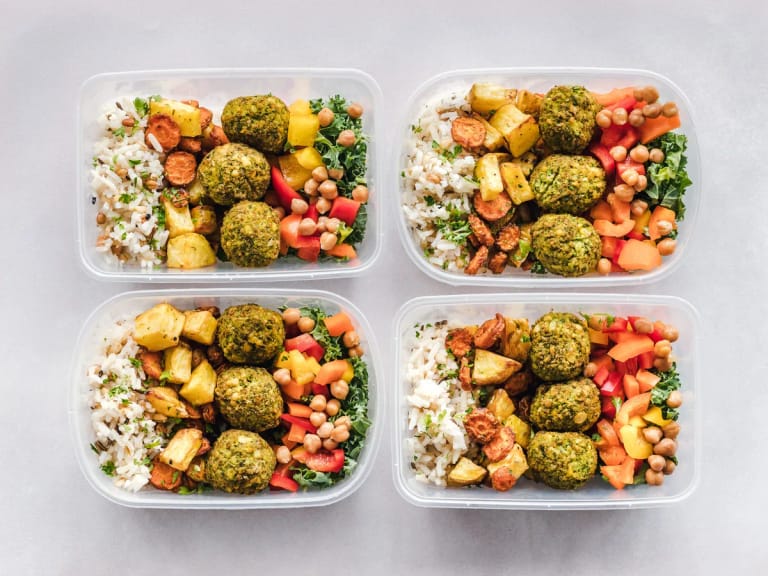
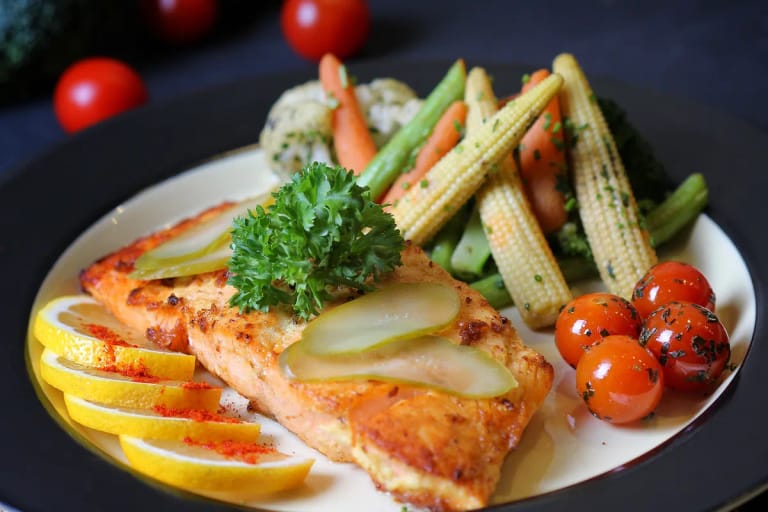
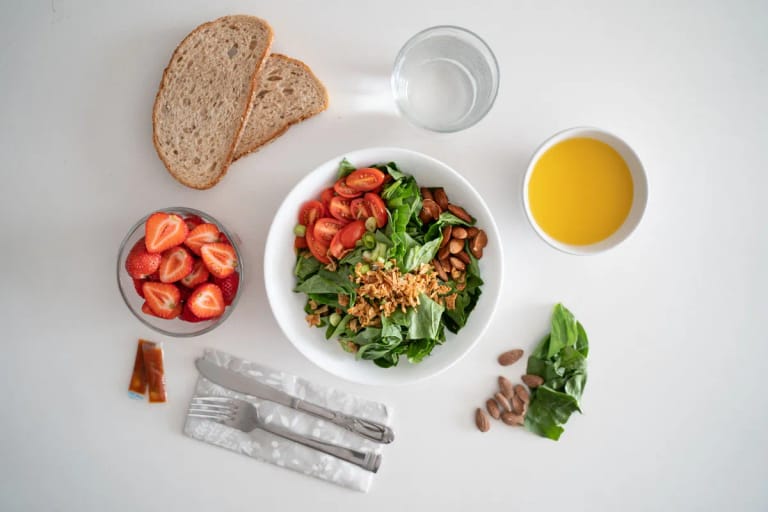
- Build balanced plates. Vegetables, fruit, whole grains, protein and healthy fats, most of the time, to build reserves.
- Prioritize iron. Include iron-rich foods (meat, fish, legumes, leafy greens) and pair plant sources with vitamin C to absorb more.
- Don't forget calcium and vitamin D. Both are important for the months ahead; dairy or fortified plant beverages, and ask your provider about vitamin D in our northern winters.
- Both partners, healthy habits. A balanced diet, limiting alcohol, and overall wellness support conception together.
- Aim for steady, not perfect. Consistent everyday eating beats any 'fertility superfood'; no single food makes or breaks things.
'Fertility' foods and diets
Marketing loves a 'fertility superfood,' but the evidence points to overall patterns, not miracle ingredients. A balanced diet rich in vegetables, fruit, whole grains, legumes, healthy fats and adequate iron, alongside a folic-acid supplement your provider recommends, is the genuinely useful approach. For specific fertility concerns, your healthcare provider is the right place to start.
Common questions
- When should I start thinking about nutrition for pregnancy?
- Ideally before conception. Some key nutrients, especially folate, matter most in the first weeks, often before pregnancy is confirmed, which is why a folic-acid supplement is typically started ahead of time. Building balanced nutrient reserves in the months before pregnancy gives a healthier start. Your healthcare provider can guide the timing and supplements.
- Do I need to take folic acid before I'm pregnant?
- A folic-acid (folate) supplement is generally recommended before conception and in early pregnancy because of its role in early neural development, which happens very early. Your healthcare provider will recommend the right supplement and dose for you, so this is one to discuss with them rather than guess.
- Is there a special 'fertility diet'?
- Not really. No single food or trendy diet is a magic key. The genuinely useful approach is an overall balanced, varied diet (vegetables, fruit, whole grains, legumes, healthy fats and adequate iron) plus the supplements your provider recommends. For specific fertility concerns, start with your healthcare provider.
- Can a dietitian help with preconception nutrition?
- Yes. A registered dietitian can help you build balanced nutrient reserves before pregnancy, prioritize iron and other key nutrients, and tailor an approach to your needs, alongside your healthcare provider. If you'd like that support, you can book a consultation with our team.
Want personalized advice?
Speak to a registered dietitian about your own situation — your first consultation is free.
Speak to a dietitian for freeYour first consultation is on us.
From your dietitianThe months before pregnancy are a quiet head start. Build balanced reserves, start the supplement your provider recommends, and keep it sustainable.
Rana Daoud, R.D.