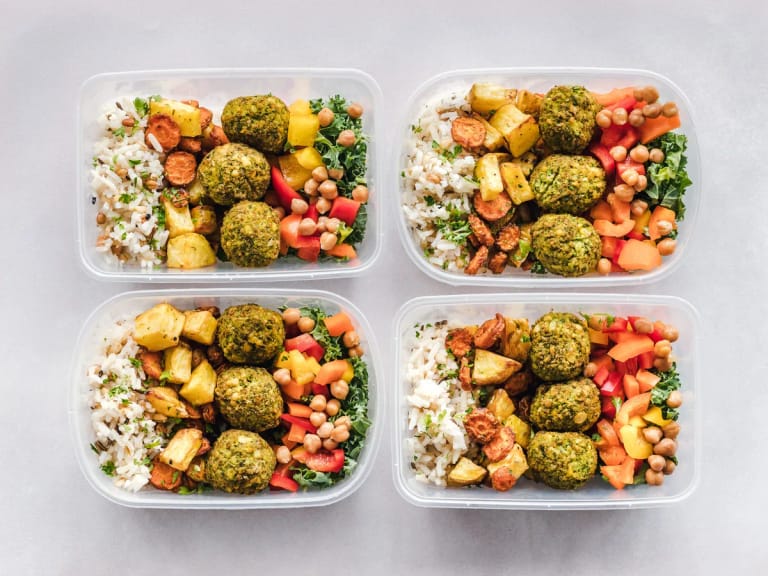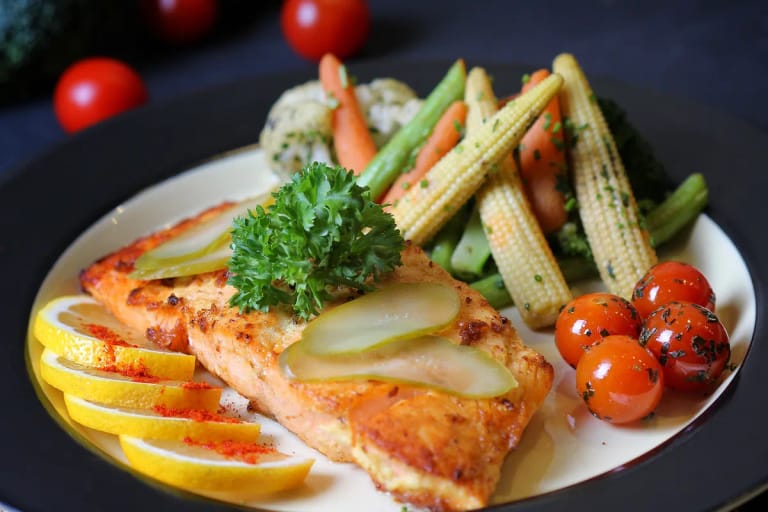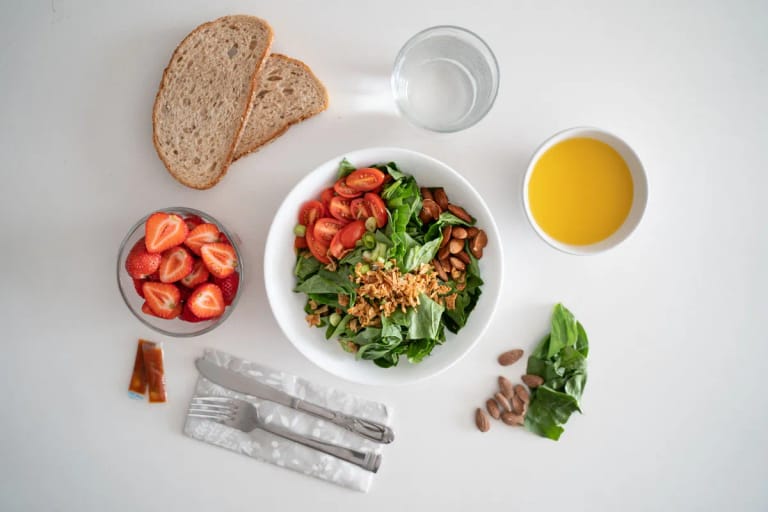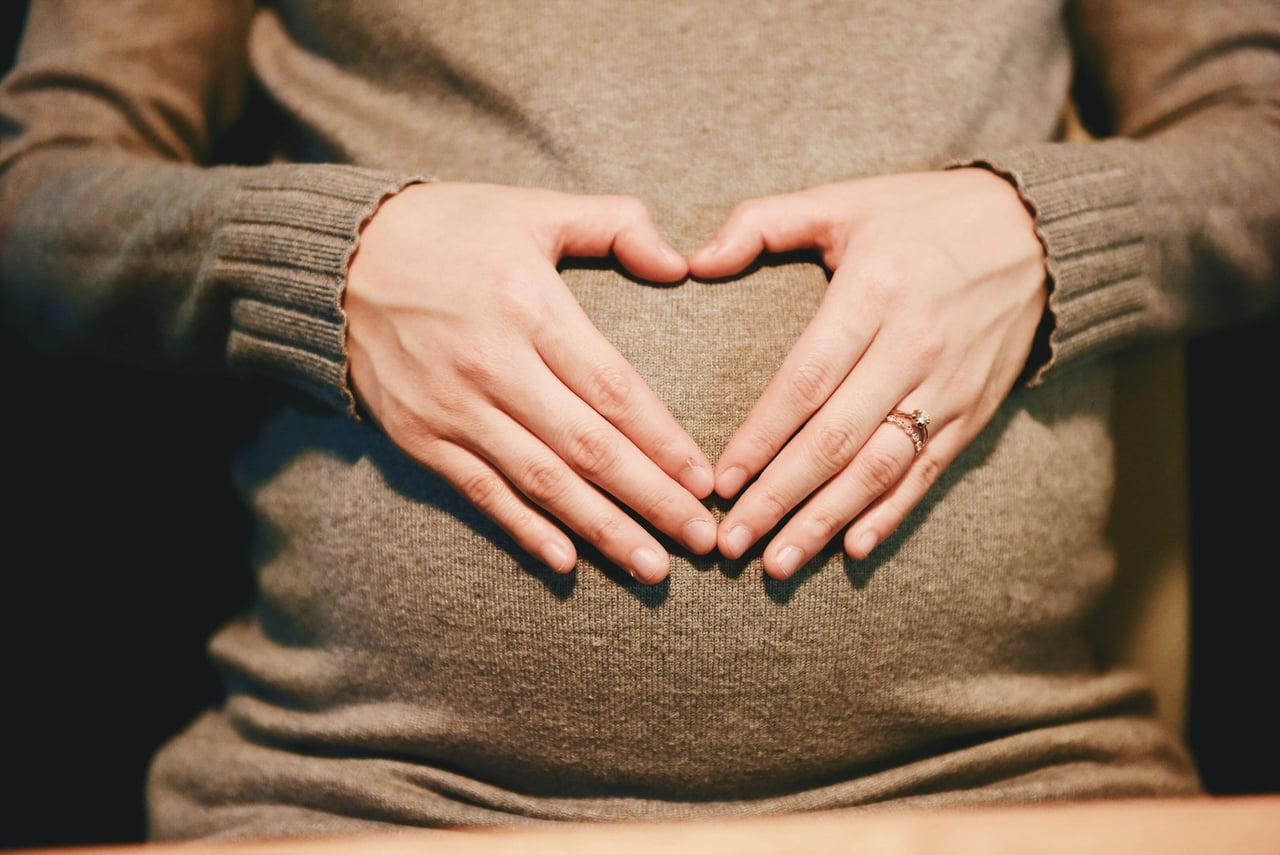
Nutrition matters a great deal in pregnancy, both for you and your baby. The good news is that eating well is mostly about a balanced, varied diet plus a few specific nutrients to prioritize. Here's a practical starting guide. This is general education, not individual medical advice, so always follow the guidance of your prenatal care provider, and consider a dietitian for personalized support.
The nutrients that matter most
A few nutrients deserve special attention in pregnancy because the demand goes up and the impact is significant. Your provider will usually recommend a prenatal supplement, and these foods support it.
Folate (folic acid)
critical early in pregnancy for your baby's neural development. Found in leafy greens, legumes and fortified grains, and in prenatal supplements, which are recommended before and during early pregnancy.
Iron
needs rise significantly in pregnancy to support increased blood volume. Found in meat, fish, legumes and fortified grains; pairing plant sources with vitamin C improves absorption.
Calcium and vitamin D
support your baby's developing bones. Dairy and fortified plant beverages provide calcium; vitamin D matters especially through an Ottawa winter.
Omega-3s (DHA)
support brain and eye development. Found in fatty fish like salmon (choosing lower-mercury options) and in some supplements.
Protein and overall energy
needs increase modestly, especially in later pregnancy. The emphasis is on quality and variety, not 'eating for two.'
Foods to limit or avoid in pregnancy
A short list of foods carries a higher risk of foodborne illness or other concerns during pregnancy. This is general guidance, so confirm specifics with your provider.
- High-mercury fish. Limit shark, swordfish, and king mackerel; choose lower-mercury fish like salmon, trout and canned light tuna in moderation.
- Unpasteurized dairy and soft cheeses. Avoid unpasteurized milk and soft cheeses (like some brie and feta) unless labelled pasteurized, due to listeria risk.
- Raw or undercooked meat, fish and eggs. This includes deli meats unless heated, and raw sprouts.
- Alcohol. No amount is considered safe in pregnancy.
- High caffeine. Most guidance suggests limiting caffeine; check the current amount with your provider.
Food safety in pregnancy is important, but it shouldn't be overwhelming. Your prenatal care provider and a dietitian can give you a clear, personalized list and help you eat confidently.
Managing common pregnancy eating challenges
Nausea, aversions and heartburn can make eating well feel hard. A few practical strategies help.
- Nausea. Small, frequent meals, bland carbs (crackers, toast), and ginger can help; don't worry about a perfect diet on hard days.
- Food aversions. Work with what you can tolerate and find substitutes for nutrients you're missing.
- Heartburn. Smaller meals, staying upright after eating, and identifying personal triggers help in later pregnancy.
- Constipation. Fibre, fluids and gentle activity, which also support overall pregnancy comfort.
- Energy. Balanced meals with protein and whole grains steady your energy through the day.
Common questions
- What are the most important nutrients during pregnancy?
- Folate (especially early, for neural development), iron (for increased blood volume), calcium and vitamin D (for bone development), and omega-3 DHA (for brain and eye development) deserve particular attention. A prenatal supplement plus a balanced, varied diet covers most needs, and your provider will advise on supplements.
- What foods should I avoid during pregnancy?
- Limit high-mercury fish, and avoid unpasteurized dairy and soft cheeses, raw or undercooked meat/fish/eggs, unheated deli meats, raw sprouts, and alcohol. Caffeine is usually limited rather than avoided. Confirm the specifics with your prenatal care provider, as recommendations are individual.
- Do I really need to 'eat for two' during pregnancy?
- Not really. Energy needs increase only modestly, mostly in the second and third trimesters, far less than 'eating for two' implies. The emphasis is on the quality and variety of your diet and a few key nutrients, not on eating much larger portions.
- Can a dietitian help with pregnancy nutrition?
- Yes. A registered dietitian can give you a personalized plan, help with nausea, aversions or specific conditions like gestational diabetes, and make sure you're meeting your nutrient needs. If you'd like tailored support alongside your prenatal care, you can book a consultation with our team.
Want personalized advice?
Speak to a registered dietitian about your own situation — your first consultation is free.
Speak to a dietitian for freeYour first consultation is on us.
From your dietitianEating well in pregnancy is less about strict rules and more about a varied, balanced diet plus a few key nutrients, with support when you need it.
Rana Daoud, R.D.