Persistent tiredness has many causes, but iron deficiency is one of the most common and most overlooked, especially in people who menstruate, are pregnant, or eat little meat. The good news is that food can make a real difference once you understand how iron actually gets absorbed. Here's a dietitian's guide. This is general education, not individual medical advice, so get tested before assuming iron is the cause.
Why iron matters, and the two kinds of it
Iron carries oxygen around your body. When it runs low, you can feel it: fatigue, breathlessness, poor concentration and pale skin are classic signs. Not all dietary iron is equal, though.
Heme iron (well absorbed)
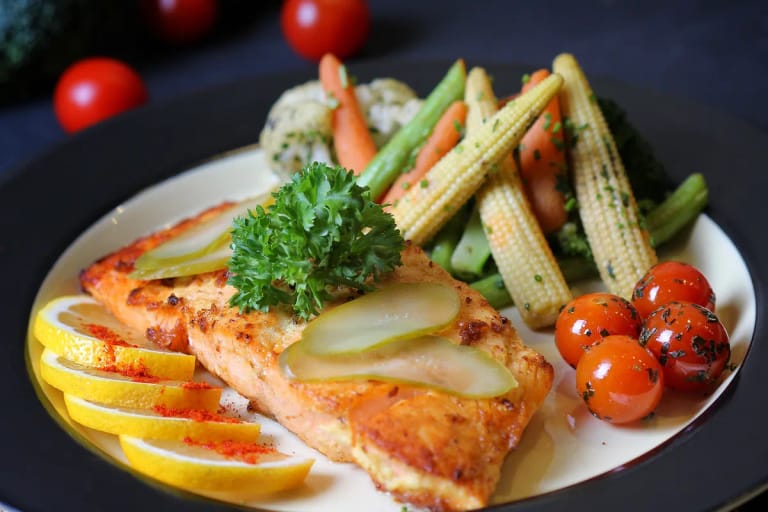
Found in meat, poultry and fish, heme iron is absorbed easily and efficiently. Smaller amounts go a long way.
Non-heme iron (needs help)
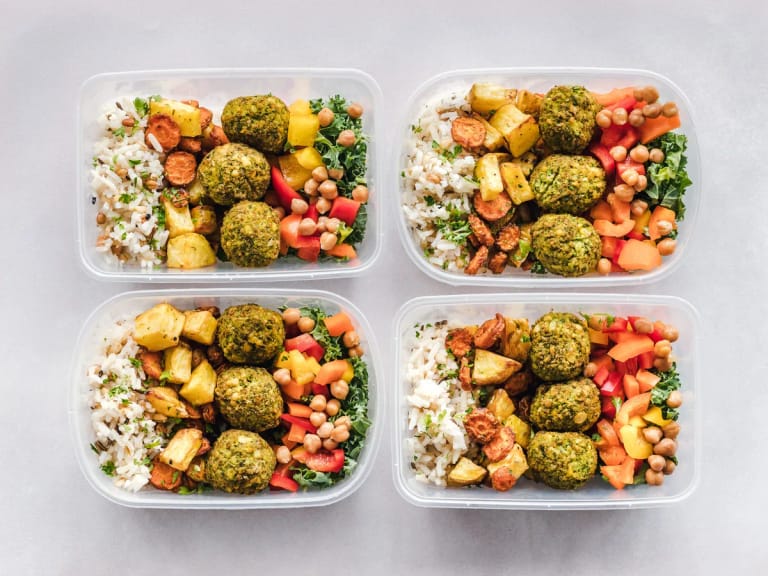
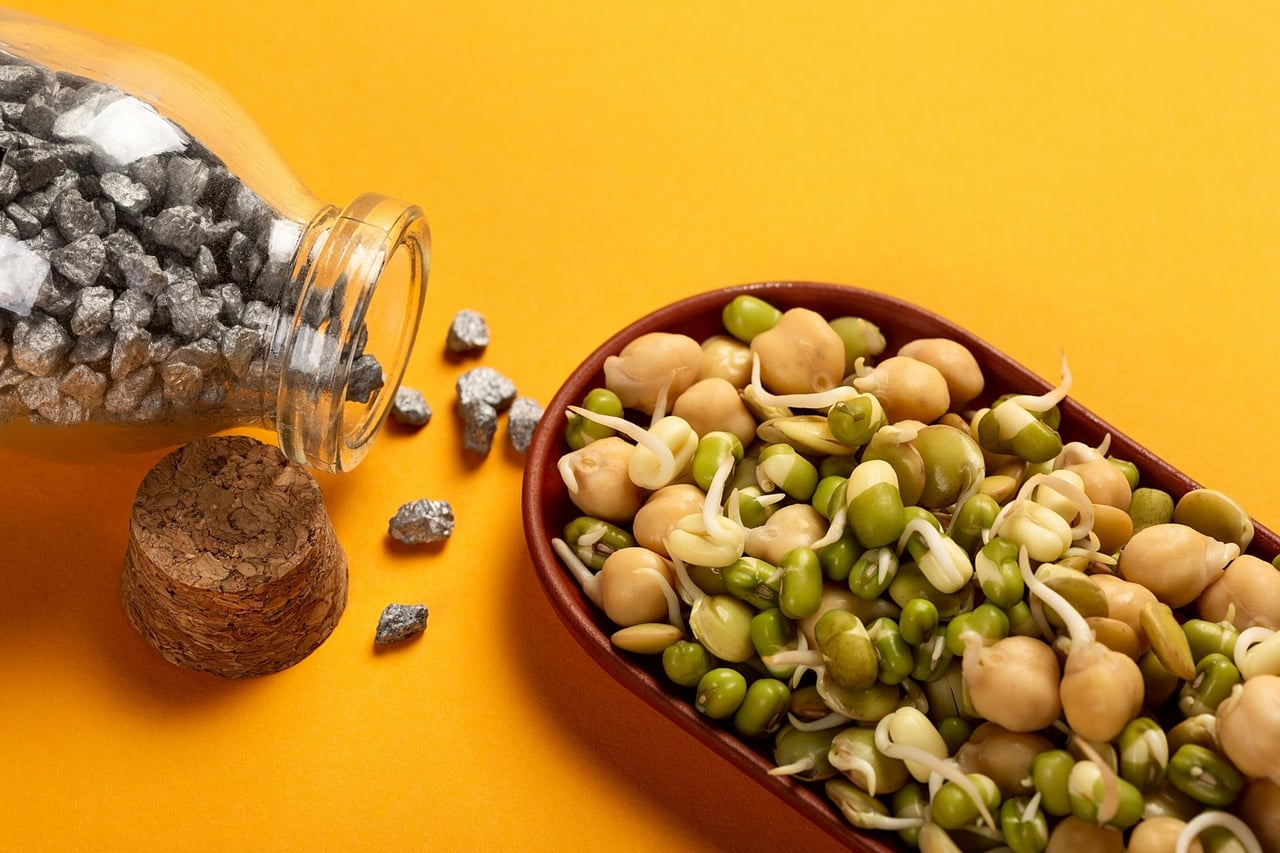
Found in plants such as beans, lentils, tofu, fortified grains and leafy greens, non-heme iron is absorbed less efficiently, but you can boost it significantly with the right pairings (below).
Who's most at risk
People who menstruate (especially with heavy periods), pregnant people, vegetarians and vegans, endurance athletes, and anyone with digestive conditions that affect absorption are more prone to running low.
How to get and absorb more iron
Eating iron-rich foods is only half the story. Absorption is where most people fall short.
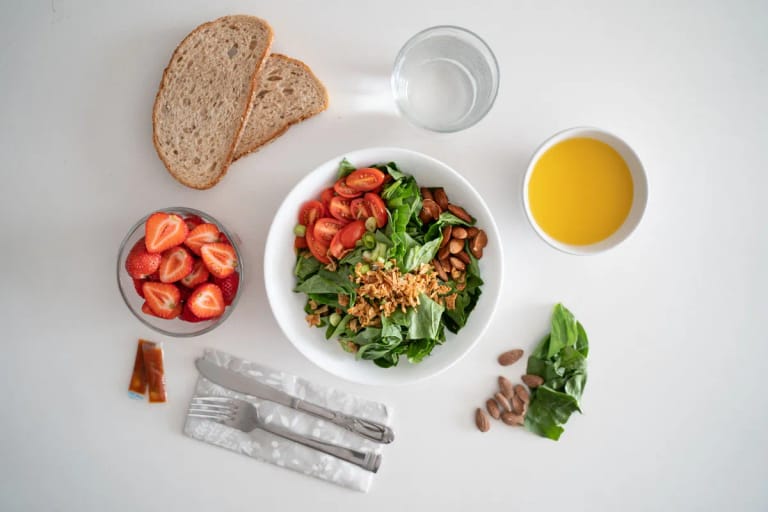
- Pair iron with vitamin C: add peppers, citrus, tomatoes, strawberries or broccoli to iron-rich meals to dramatically boost absorption of plant iron.
- Combine plant and heme sources: a little meat or fish in a meal helps you absorb the non-heme iron from beans and grains alongside it.
- Lean on iron-rich plants: lentils, beans, tofu, pumpkin seeds, fortified cereals and dark leafy greens are solid sources.
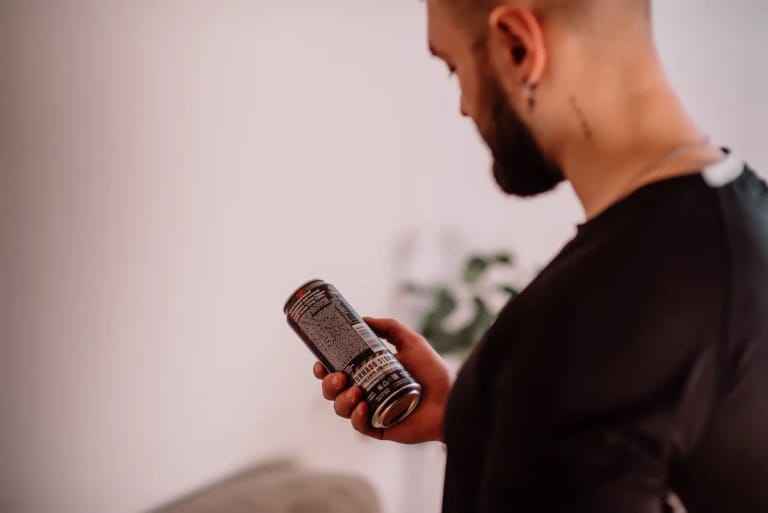
- Separate tea and coffee from meals: the tannins in tea and coffee block iron absorption. Enjoy them between meals rather than with them.
- Mind calcium timing: large doses of calcium (including supplements) can compete with iron, so don't take them at the same time as your main iron source.
- Cook in a cast-iron pan: a small but real way to add iron to acidic foods like tomato sauce.
The spinach myth
The 'spinach = iron' idea comes partly from an old measurement error. Spinach is healthy, but lentils, tofu, pumpkin seeds and fortified grains, especially paired with vitamin C, are more reliable plant sources. And no single food fixes a real deficiency on its own.
Common questions
- What foods are highest in iron?
- Heme iron from meat, poultry and fish is the most easily absorbed. Among plants, lentils, beans, tofu, pumpkin seeds, fortified cereals and dark leafy greens are the best sources, and pairing them with vitamin C (peppers, citrus, tomatoes) significantly boosts how much iron you absorb.
- Why does tea and coffee affect iron?
- Tea and coffee contain tannins that bind iron in your gut and reduce how much you absorb, especially plant (non-heme) iron. If your iron is low, enjoy tea and coffee between meals rather than with them to get more out of your food.
- Can diet alone fix iron deficiency?
- It depends on how low you are. Diet can prevent deficiency and support mild cases, but an established deficiency (especially anemia) often needs a supplement prescribed and monitored by your doctor. Get a blood test first, since fatigue has many causes and taking iron you don't need isn't harmless.
- Should I take an iron supplement?
- Only if testing shows you need one. Iron supplements can cause side effects and, in excess, are harmful, so they should be guided by a blood test and your healthcare provider. A dietitian can help you raise iron through food and, if a supplement is needed, fit it in correctly.
Want personalized advice?
Speak to a registered dietitian about your own situation — your first consultation is free.
Speak to a dietitian for freeYour first consultation is on us.
From your dietitianWith iron, how you eat matters as much as what you eat: pair it with vitamin C, keep tea and coffee for between meals, and get tested before you supplement.
Rana Daoud, R.D.