Protein is everywhere right now. It's added to everything from cereal to coffee, and the internet insists you need far more of it. The reality is calmer: most people can meet their needs with everyday food, no powders required. Protein does matter, though, especially as we age, and how you spread it through the day counts. Here's a dietitian's grounded take. This is general education, not individual medical advice. For needs tied to a health condition, a dietitian can give you a precise target.
What protein does, and why it matters
Protein does more than build muscle. It does quiet, essential work across the body, which is why getting enough consistently matters.
It builds and repairs
protein maintains and repairs muscle, skin, and tissues, and makes enzymes and other molecules your body needs daily. You're constantly turning it over, so intake matters every day, not just after workouts.
It helps you feel full
protein is the most satiating nutrient. Meals with enough protein help steady appetite and energy, which supports balanced eating overall.
Needs rise with age
older adults benefit from a bit more protein to protect muscle and strength, which helps with staying active and independent. It becomes more important over time, not less.
The protein hype
Adding protein to packaged foods is largely a marketing trend. Whole foods deliver protein along with other nutrients, usually for less money. Powders can be handy in specific situations, like busy mornings, higher needs, or smaller appetites, but they're a convenience tool, not a requirement for a healthy diet.
Getting enough protein the simple way
A few practical habits cover most people's needs without overthinking grams.
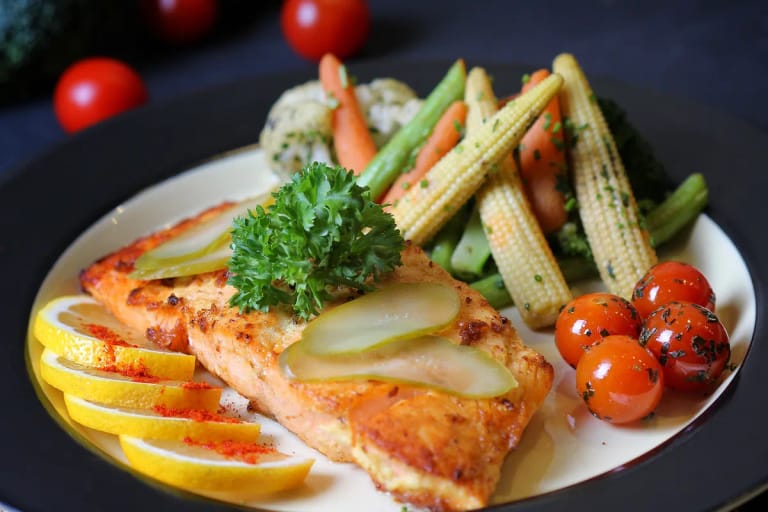
- Include a protein source at each meal. Eggs or yogurt at breakfast, fish/chicken/legumes/tofu at lunch and dinner. Spreading it out works better than one big serving.
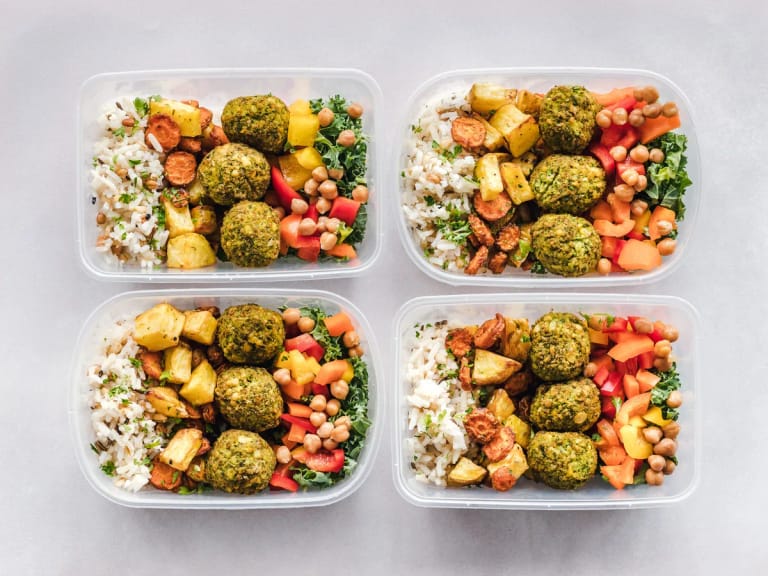
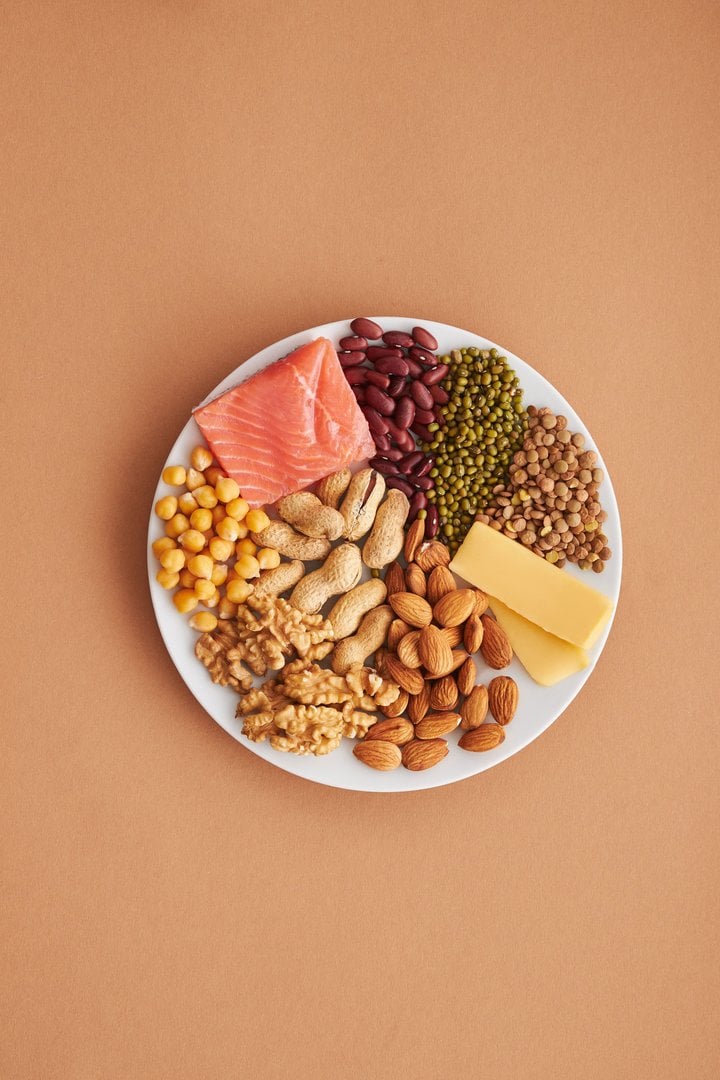
- Lean on plants too. Legumes (lentils, chickpeas, beans), tofu, edamame, nuts and whole grains all contribute; you don't need meat at every meal.
- Mix plant proteins over the day. Eating a variety of plant proteins across the day easily covers your amino acid needs on a plant-forward or vegetarian diet.
- Make snacks count. Greek yogurt, a handful of nuts, hummus with veg, or cheese add protein between meals.
- Don't overdo it either. Far more protein than you need offers no extra benefit and can crowd out other foods; balance still wins.
- Match it to your life. More active, older, or recovering? Your needs may be a little higher, which is a good reason to get a personalized target.
Common questions
- How much protein do I need per day?
- It depends on your body size, age and activity, so there's no single number for everyone. The key principles are getting a protein source at each meal and spreading intake across the day. Most people meet their needs through regular food. For a precise target tied to your health or goals, a dietitian can calculate it for you.
- Do I need protein powder?
- Usually not. Most people can meet their protein needs with everyday foods like eggs, dairy, fish, poultry, legumes, tofu and nuts. Powders are a convenience, useful for busy schedules, higher needs or smaller appetites, but they aren't necessary for a healthy diet.
- Can I get enough protein on a plant-based diet?
- Yes. Legumes, tofu, tempeh, edamame, nuts, seeds and whole grains all provide protein. Eating a variety of these across the day easily covers your needs on a vegetarian or plant-forward diet, and no single 'perfect' food is required. A dietitian can help if you want to be sure you're covered.
- Can a dietitian help me figure out my protein needs?
- Yes. A registered dietitian can set a realistic protein target based on your age, activity, health and goals, and show you simple ways to hit it with food you enjoy. If you'd like that, you can book a consultation with our team.
Want personalized advice?
Speak to a registered dietitian about your own situation — your first consultation is free.
Speak to a dietitian for freeYour first consultation is on us.
From your dietitianProtein matters, but most people get enough from real food. A source at each meal, plenty from plants, spread through the day beats any powder.
Rana Daoud, R.D.