Persistent tiredness, low energy or feeling 'off' can have many causes, and sometimes a nutrient gap is part of it. A few deficiencies are common enough to be worth knowing about. This guide covers what they do, the signs, and how food helps. Keep in mind that only a blood test can confirm a deficiency, so this is general education, not a diagnosis. See your doctor for testing, and a dietitian can help you fill the gaps through food.
The deficiencies worth knowing about
A few nutrients come up again and again. Knowing what they do, and where to find them, helps you eat to prevent gaps.
Iron
carries oxygen in your blood; low iron is a common cause of fatigue, especially in people with heavy periods, in pregnancy, or on plant-based diets. Found in red meat, poultry, fish, legumes and leafy greens; pairing plant sources with vitamin C boosts absorption.
Vitamin B12
needed for nerves and red blood cells. It's found mainly in animal foods, so vegans, vegetarians and some older adults are more at risk and may need fortified foods or a supplement.
Vitamin D
important for bones and more; it's hard to get from food and limited by our northern winters, so many people run low in the darker months. It's often supplemented, which is worth discussing with your provider.
Calcium
builds and maintains bone; many people fall short, especially if they avoid dairy. Found in dairy, fortified plant beverages, tofu set with calcium, and some leafy greens.
Signs worth getting checked
These can point to a nutrient gap, or to other causes. Don't self-diagnose; see your doctor for proper testing.
- Ongoing fatigue or weakness that rest doesn't fix.
- Unusual paleness, shortness of breath, or a racing heart with everyday effort.
- Tingling or numbness in hands or feet (can relate to B12).
- Frequent dizziness, brittle nails, or hair changes.
- You're in a higher-risk group: heavy periods, pregnancy, a vegan or vegetarian diet, or you're an older adult.
Only bloodwork can confirm a deficiency, and the right dose of any supplement is individual. See your doctor for testing rather than guessing or self-supplementing, then a dietitian can help you address any gaps through food and the right approach.
Eating to prevent common gaps
A varied diet covers most needs. A few targeted habits help with the common gaps.
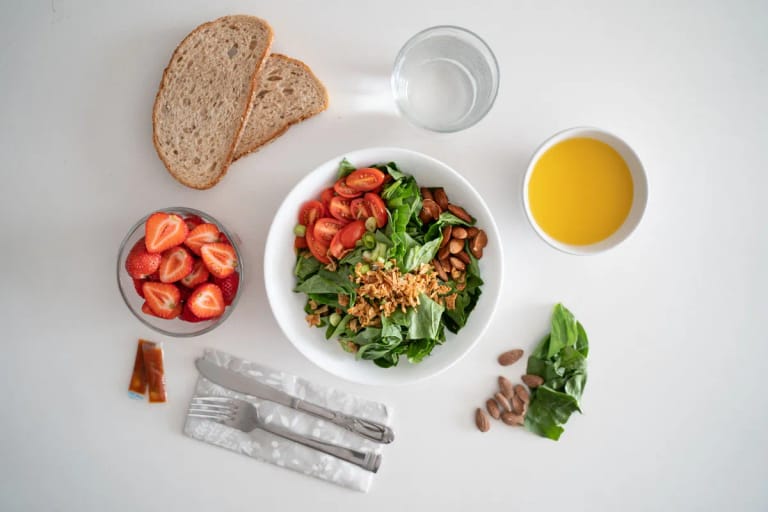
- Pair iron with vitamin C. Add peppers, citrus, tomatoes or strawberries to iron-rich meals (especially plant-based ones) to absorb more iron.
- Include B12 sources. If you eat animal foods, you're likely covered; if you're vegan or vegetarian, use fortified foods (some plant beverages, nutritional yeast) or talk to your provider about a supplement.
- Get calcium daily. Dairy, fortified plant beverages, calcium-set tofu, and some leafy greens; spread it across the day.
- Mind vitamin D in winter. Food alone rarely covers it in our northern climate; ask your provider whether a supplement makes sense for you.
- Eat a variety of whole foods. The broader your diet (vegetables, fruit, whole grains, legumes, nuts, and animal or fortified foods), the fewer the gaps.
- Don't mega-dose on your own. More isn't better and some nutrients can be harmful in excess; get tested and get advice first.
Common questions
- What are the most common nutrient deficiencies?
- Iron, vitamin B12, vitamin D and calcium come up most often. Iron and B12 affect energy and blood; vitamin D and calcium affect bones (and vitamin D is hard to get in our northern winters). Risk is higher with heavy periods, pregnancy, plant-based diets, or older age. A blood test is the only way to confirm a deficiency.
- How do I know if I'm low in iron or B12?
- Symptoms like ongoing fatigue, weakness, paleness, shortness of breath, or tingling in hands and feet can be signs, but they overlap with many other causes. The only way to know is a blood test ordered by your doctor. Don't self-diagnose or self-supplement; get tested first.
- Should I take a supplement?
- It depends on your bloodwork, diet and risk factors. Supplements help in real deficiencies but aren't automatically beneficial, and some nutrients can be harmful in excess. The best approach is to get tested, then take supplements only as advised, while improving your diet. A dietitian can help with the food side.
- Can a dietitian help with nutrient deficiencies?
- Yes. Once you've had testing, a registered dietitian can help you correct and prevent gaps through food, advise on absorption (like pairing iron with vitamin C), and tailor an approach to your diet and risk factors. If you'd like that support, you can book a consultation with our team.
Want personalized advice?
Speak to a registered dietitian about your own situation — your first consultation is free.
Speak to a dietitian for freeYour first consultation is on us.
From your dietitianDon't guess at deficiencies, get tested. Then a varied diet and a few targeted habits fill most gaps far better than random supplements.
Rana Daoud, R.D.