If you feel a little flatter in an Ottawa winter, vitamin D is part of the conversation. At our northern latitude, the winter sun is too weak for several months to help your skin make much vitamin D, so food and supplements matter more. Here's a practical look at what's going on and what to do about it. This is general education, not individual medical advice, so talk to your healthcare provider or dietitian about your own situation.
Why winter makes vitamin D harder to get
Vitamin D is unusual: your skin makes it from sunlight, but only when the sun is strong enough. Ottawa sits far enough north that, for roughly October through March, the midday sun is too low in the sky for your skin to produce meaningful amounts.
The latitude problem
From late fall through early spring, the sun's angle in Ottawa means very little vitamin D is made in the skin, even on bright days. Add bundled-up winter clothing and time spent indoors, and skin production drops further.
Why it matters
Vitamin D supports bone health (it helps you absorb calcium) and plays a role in immune function. Many people in northern climates run low in the winter months.
Where it comes from instead
When sunlight isn't an option, vitamin D comes from a short list of foods and, for many people, a supplement. We'll cover both below.
A common vitamin D myth
Fatty fish, egg yolks and a few other foods contain some vitamin D, and milk and many plant beverages are fortified with it in Canada. But the amounts add up slowly, which is why many Canadians consider a supplement in winter, ideally guided by their healthcare provider.
Food sources of vitamin D
These are the foods that contribute the most. Build a few into your winter routine.
- Fatty fish. Salmon, trout, sardines and mackerel are among the best natural sources.
- Egg yolks. A modest but useful contribution, especially if you eat eggs regularly.
- Fortified milk and plant beverages. In Canada, cow's milk and many soy/oat/almond drinks have vitamin D added.
- Fortified foods. Some yogurts and orange juices are fortified, so check the label.
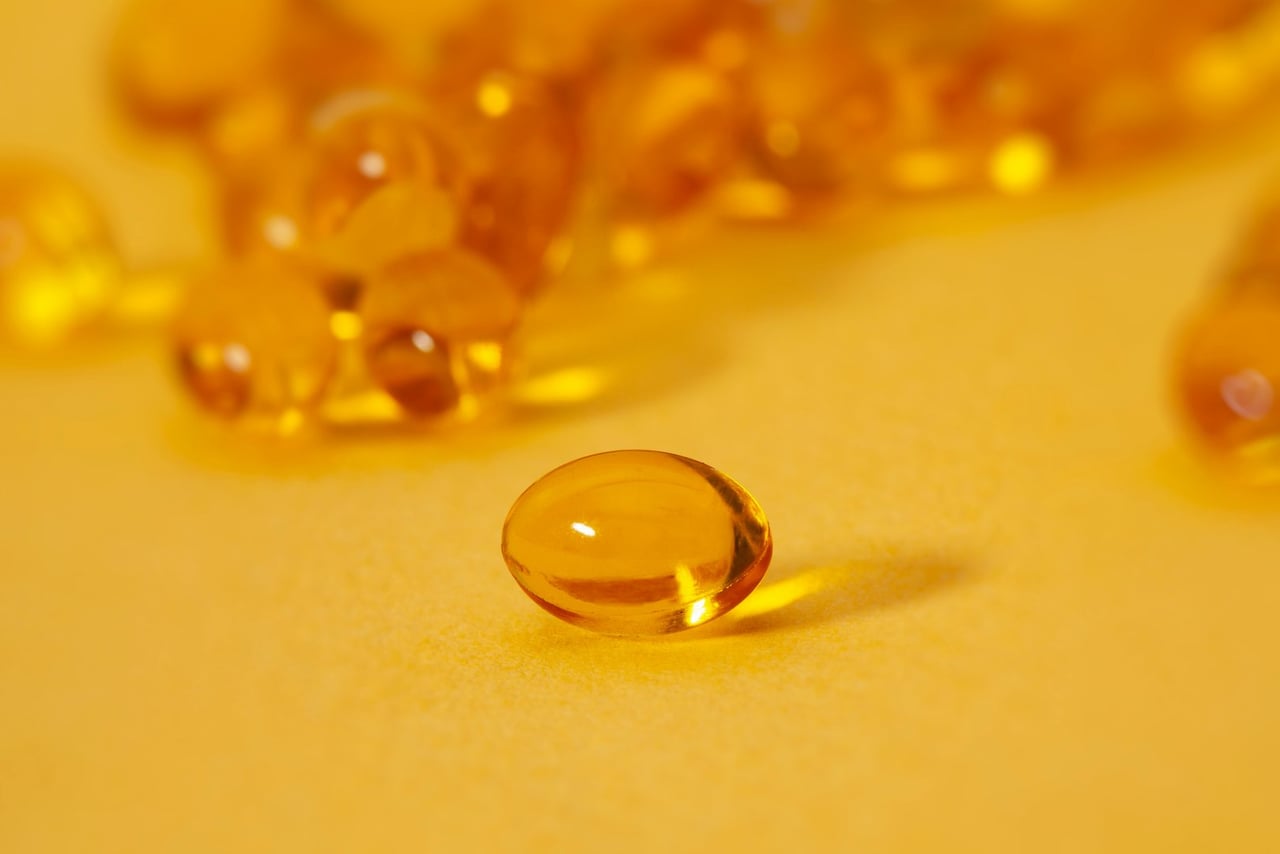
- A supplement, if recommended. Many Canadians take a vitamin D supplement in winter. The right amount depends on your age, health and levels, so ask your provider or dietitian.
When to talk to a professional
Vitamin D needs vary a lot from person to person, and more is not automatically better. Reach out rather than self-prescribing high doses if any of these apply.
- You're considering a high-dose supplement and aren't sure what's safe for you.
- You have a health condition or take medications that affect vitamin D or calcium.
- You're pregnant, breastfeeding, older, or have limited sun exposure year-round.
- You have ongoing fatigue, bone or muscle aches, or other symptoms you're worried about.
A blood test can tell you whether your level is actually low, and a dietitian or doctor can recommend the right dose for you. Book a consultation if you'd like personalized guidance instead of guessing.
Common questions
- Do I need a vitamin D supplement in winter in Ottawa?
- Many people in northern climates like Ottawa's benefit from a vitamin D supplement in the winter months, because the sun is too weak to help the skin make it from roughly October to March. Whether you need one, and at what dose, depends on your age, health, diet and levels, and it's best confirmed with your healthcare provider or dietitian.
- What foods are highest in vitamin D?
- Fatty fish like salmon, trout and sardines are the best natural sources, with smaller amounts in egg yolks. In Canada, cow's milk and many plant-based beverages are fortified with vitamin D, as are some yogurts and juices, so check the label.
- Can you get enough vitamin D from the sun in an Ottawa winter?
- Generally no. At Ottawa's latitude, the winter sun is too low in the sky for several months for your skin to produce meaningful vitamin D, even on bright days. That's why food and, for many people, a supplement matter more in winter.
More on eating well through an Ottawa winter
Vitamin D is one piece of the winter picture. Two companions: how to stay hydrated through a cold, dry winter, and what to eat before skating the Rideau Canal so the cold doesn't drain you.
Want personalized advice?
Speak to a registered dietitian about your own situation — your first consultation is free.
Speak to a dietitian for freeYour first consultation is on us.
From your dietitianIn a northern winter, vitamin D is one of the few nutrients worth being deliberate about, but the right amount is individual, so it's worth a conversation rather than a guess.
Rana Daoud, R.D.