Skating the Rideau Canal is an Ottawa winter rite of passage, and gliding several kilometres in the cold burns more energy than people expect. Staying fuelled and hydrated keeps you warm, steady and able to enjoy the whole Skateway instead of fading halfway. Here's how we, as Ottawa dietitians, would eat around a day on the canal.
Before, during and after
Cold-weather activity raises your energy needs and your fluid losses (yes, even in winter, more on [winter hydration](/quick-bite/staying-hydrated-winter)). A little planning keeps you going.
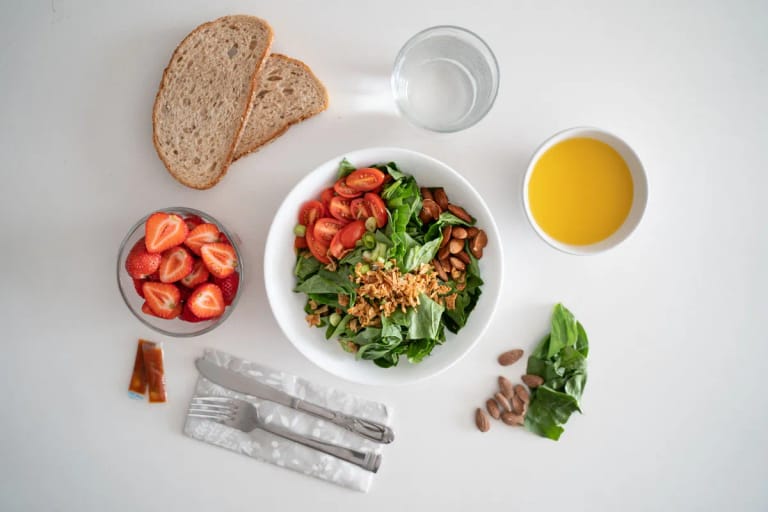
- Before. Eat a balanced meal with carbs and protein an hour or two ahead: oatmeal with fruit and nuts, or eggs with whole-grain toast. It gives you steady fuel for the cold.
- During. Pack pocket-friendly snacks that don't freeze solid: trail mix, a granola bar, or a banana tucked in an inside pocket. Sip water at the rest stops.
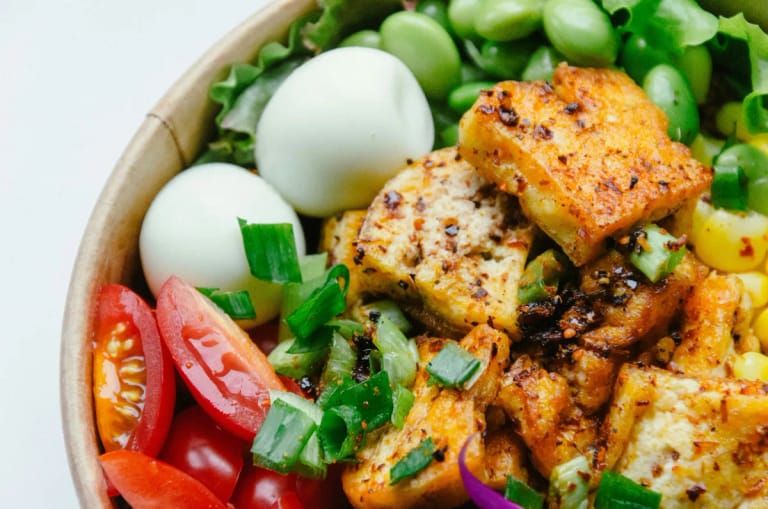
- After. Refuel with carbs and protein within an hour: a warm bowl of chili, soup with bread, or a smoothie helps you recover.
- Dress for it. Layers trap heat and let you shed a layer as you warm up; cold muscles fatigue faster and burn through fuel quicker.
- Stay hydrated. Cold, dry air and exertion dehydrate you even when you don't feel thirsty. Bring water or a warm unsweetened drink.
On the ice
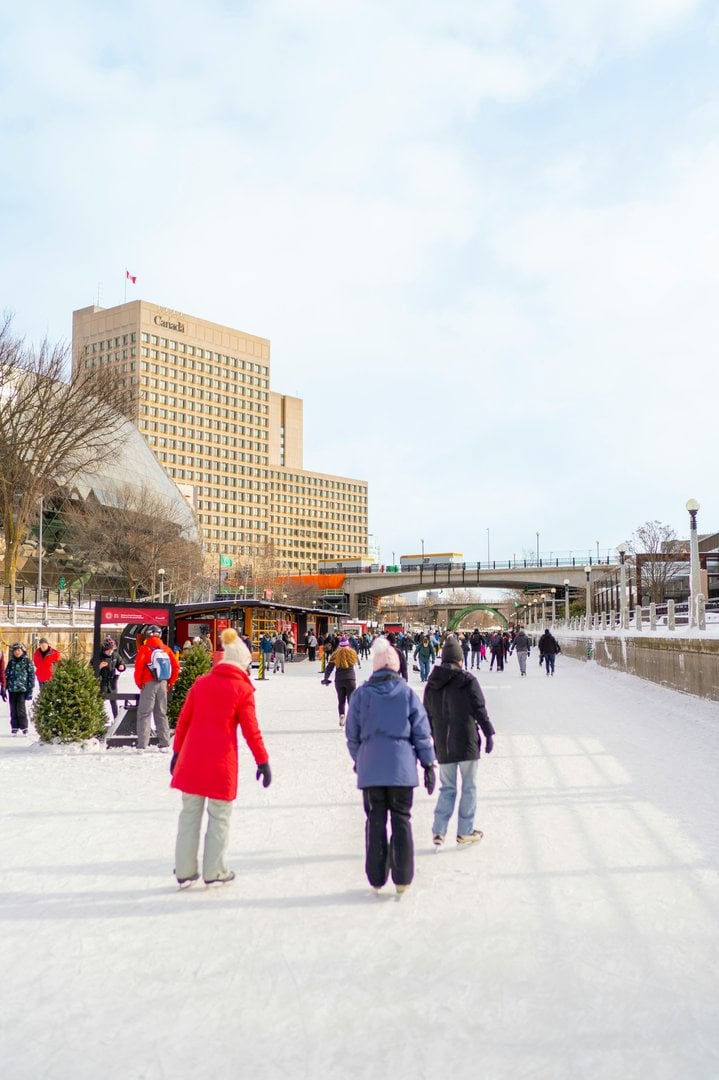
- The Skateway stretches about 7.8 km from the locks near Parliament to Dow's Lake. A full out-and-back is roughly 15 km, a real endurance effort, so fuel accordingly.
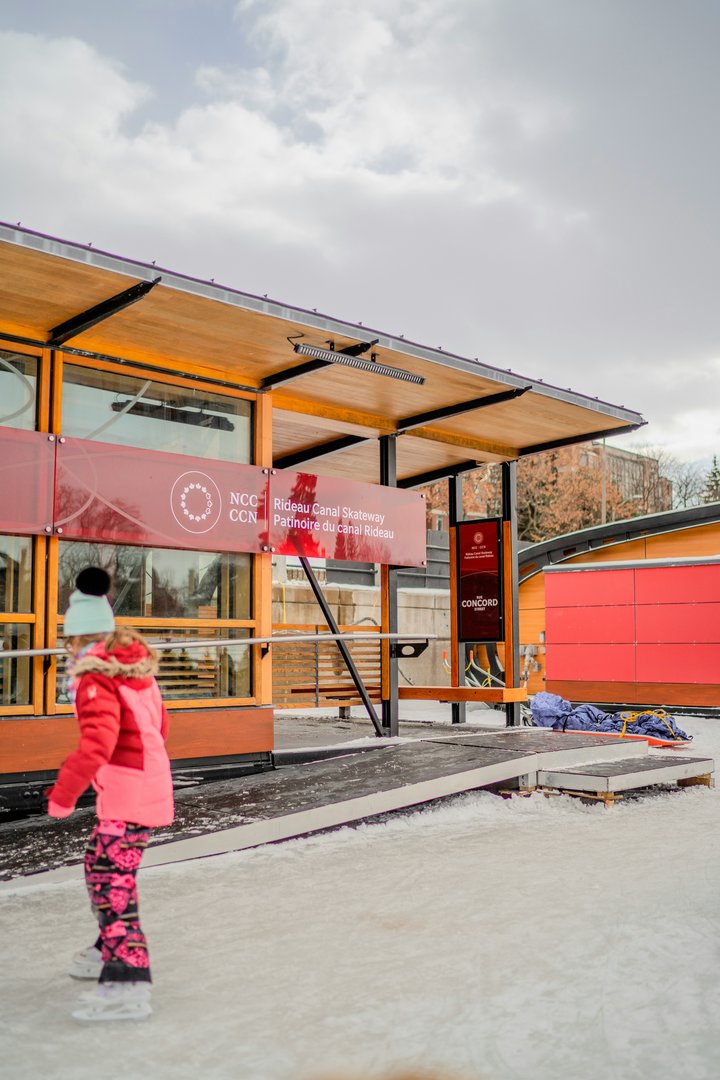
- Rest stops and warming huts along the canal sell snacks and warm drinks, including the famous BeaverTails. See the note below on enjoying one without the slump.
- It's busiest during Winterlude (February); skating early in the day usually means smoother ice and shorter queues at the rest stops.
- Dress in layers and keep snacks in an inside pocket so they don't freeze.
- Check the NCC's skating conditions before you go. The season and ice quality depend entirely on the weather, and the canal only opens when the ice is thick enough.
Common questions
- What should I eat before skating the Rideau Canal?
- Eat a balanced meal with carbohydrates and protein an hour or two before: oatmeal with fruit and nuts, or eggs with whole-grain toast. Carbs give you ready energy for the cold and the distance, while protein helps you feel satisfied. Don't head out on an empty stomach.
- What snacks should I bring skating?
- Pack shelf-stable snacks that won't freeze hard in your pocket: trail mix, a granola or protein bar, or a banana tucked into an inside pocket. Keeping them close to your body stops them from freezing solid, and they're easy to eat at a rest stop.
- Can I still have a BeaverTail?
- Yes, it's part of the experience. Treat it as your one planned treat for the day rather than a constant snack: enjoy one, balance the rest of your eating with real meals and water, and you get the fun without the afternoon crash.
- Do I need to drink water while skating in winter?
- Yes. Cold, dry air and physical exertion both increase fluid loss, even though you may not feel thirsty. Sip water at the rest stops or bring a warm, unsweetened drink to stay hydrated and energized.
- How long does it take to skate the whole canal?
- The Skateway is about 7.8 km one way, so a full return trip is roughly 15 km. At a relaxed pace that's a couple of hours with stops, long enough that a snack partway and a refuel afterward make a real difference to how you feel.
Want personalized advice?
Speak to a registered dietitian about your own situation — your first consultation is free.
Speak to a dietitian for freeYour first consultation is on us.
From your dietitianThe cold burns more energy than people realize, so skate fuelled, hydrate even when you're not thirsty, and enjoy your BeaverTail as the treat it is.
Rana Daoud, R.D.