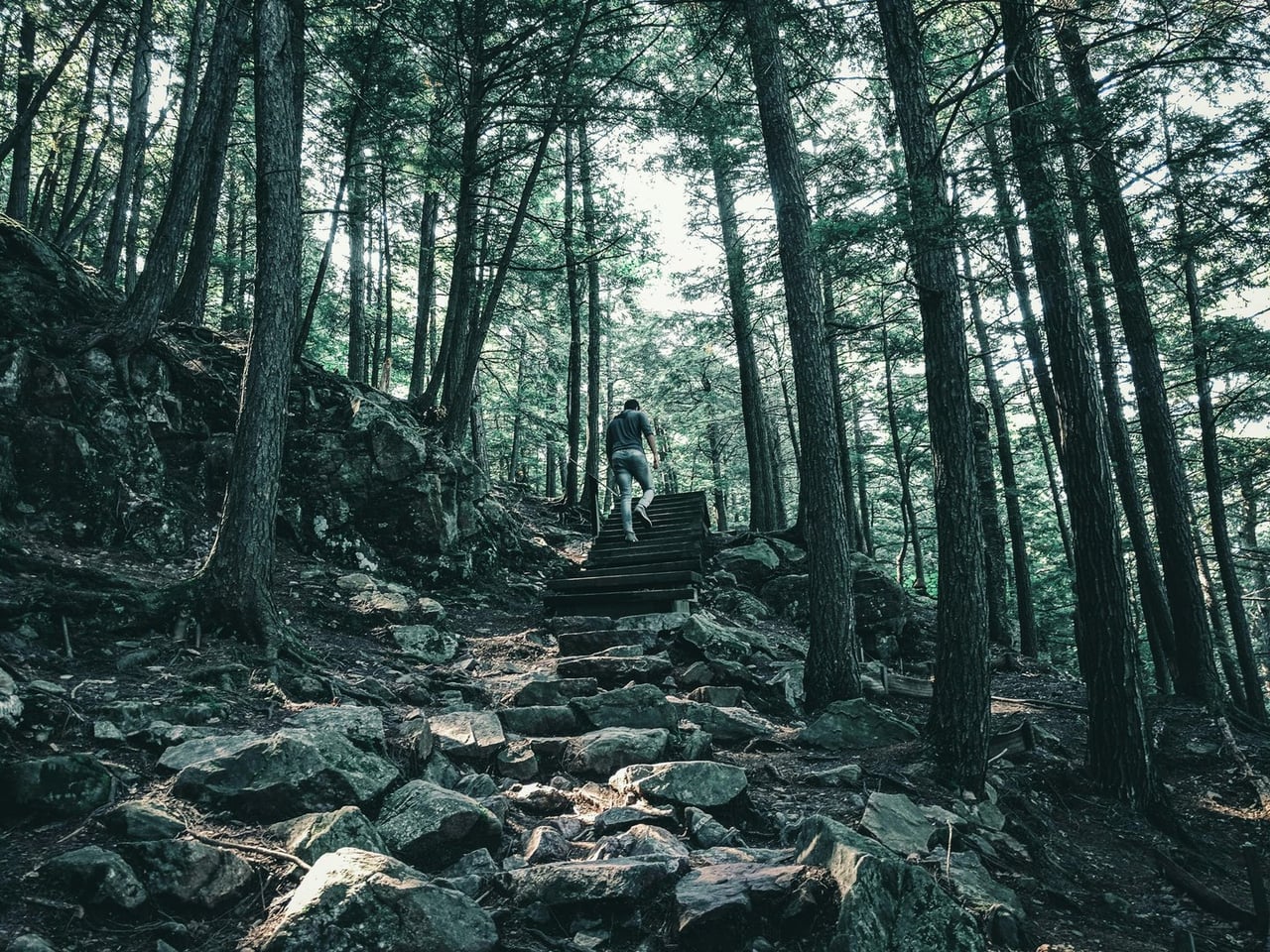
Gatineau Park's rolling terrain, from Pink Lake's climbs to the long haul out to Luskville Falls, burns through energy faster than a flat city walk. What you pack matters. The right snacks keep your blood sugar steady, prevent the mid-hike crash, and help you enjoy the lookout instead of dragging yourself to it. Here's what we, as Ottawa dietitians, actually recommend packing.
What makes a good trail snack
Aim for a mix of carbohydrate (quick energy) with protein or fat (staying power). That combination is what prevents the energy spike and crash.
- Fresh fruit that travels well: apples, clementines, grapes. Quick energy plus hydration.
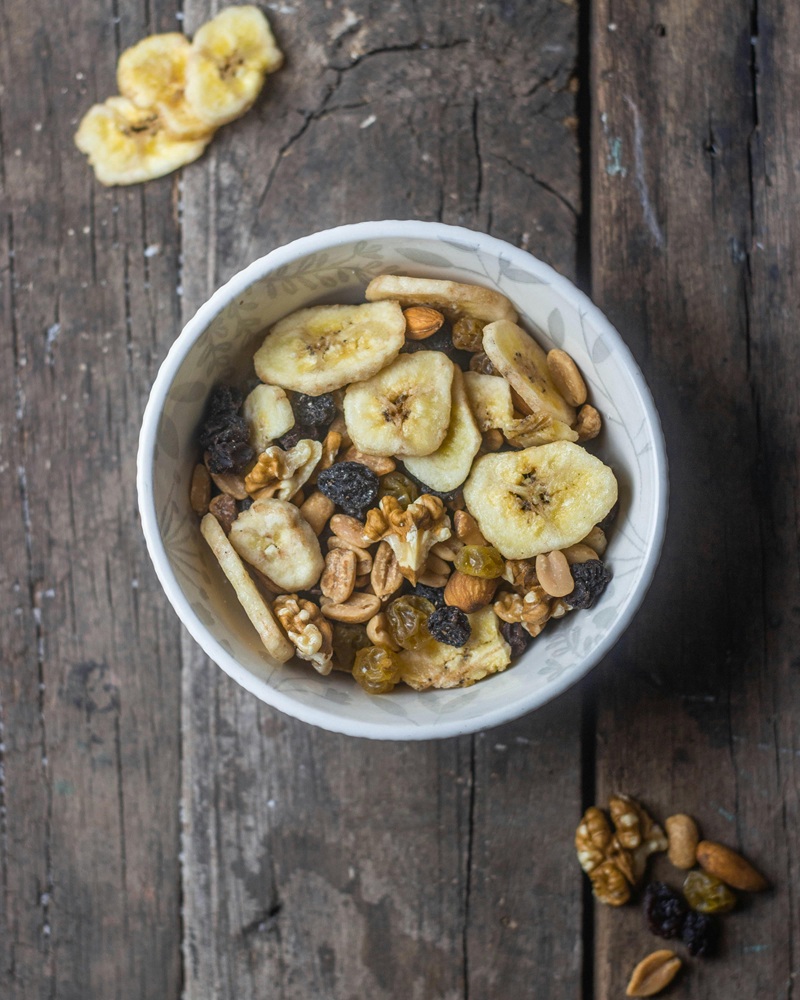
- Trail mix: nuts, seeds, a little dried fruit, optional dark chocolate. Slow-release fuel.
- Carb and protein combos: whole-grain crackers with cheese, mini pita with hummus, banana with nut butter.
- Smart bars: look for 5–10g protein and under about 10g added sugar. Ottawa-made options exist if you check the label.
- Hydration helpers: water-rich fruit, or a low-sugar electrolyte tab in summer heat.
How much to pack by trail length
- Short (1–2 hrs, e.g. Pink Lake loop): 1–2 snacks plus water.
- Medium (2–4 hrs): 2–3 snacks plus plenty of water.
- Long (4+ hrs, e.g. Luskville Falls): 3–4 snacks, electrolytes, and something more substantial like a wrap or pasta salad.
- Refill stations are limited in the park, so bring more water than you think you need.
Common questions
- What's the best snack for a long Gatineau hike?
- A carb-plus-protein combo like a whole-grain wrap with nut butter and banana, or trail mix with a piece of fruit. It releases energy slowly and travels without refrigeration.
- Do I need electrolyte drinks for hiking near Ottawa?
- For hikes under two hours in mild weather, water is usually enough. On hot summer days or hikes over a few hours, a low-sugar electrolyte tablet or water-rich fruit helps replace what you lose through sweat.
- How do I keep snacks from melting or spoiling on the trail?
- Choose shelf-stable options like nuts, seeds, whole fruit, and crackers over anything that needs refrigeration, and pack them in a reusable container near the top of your bag.
Want personalized advice?
Speak to a registered dietitian about your own situation — your first consultation is free.
Speak to a dietitian for freeYour first consultation is on us.
From your dietitianSnacking smart on the trail doesn't take complicated food. It's choosing things that keep your energy stable for the whole hike.
Rana Daoud, R.D.