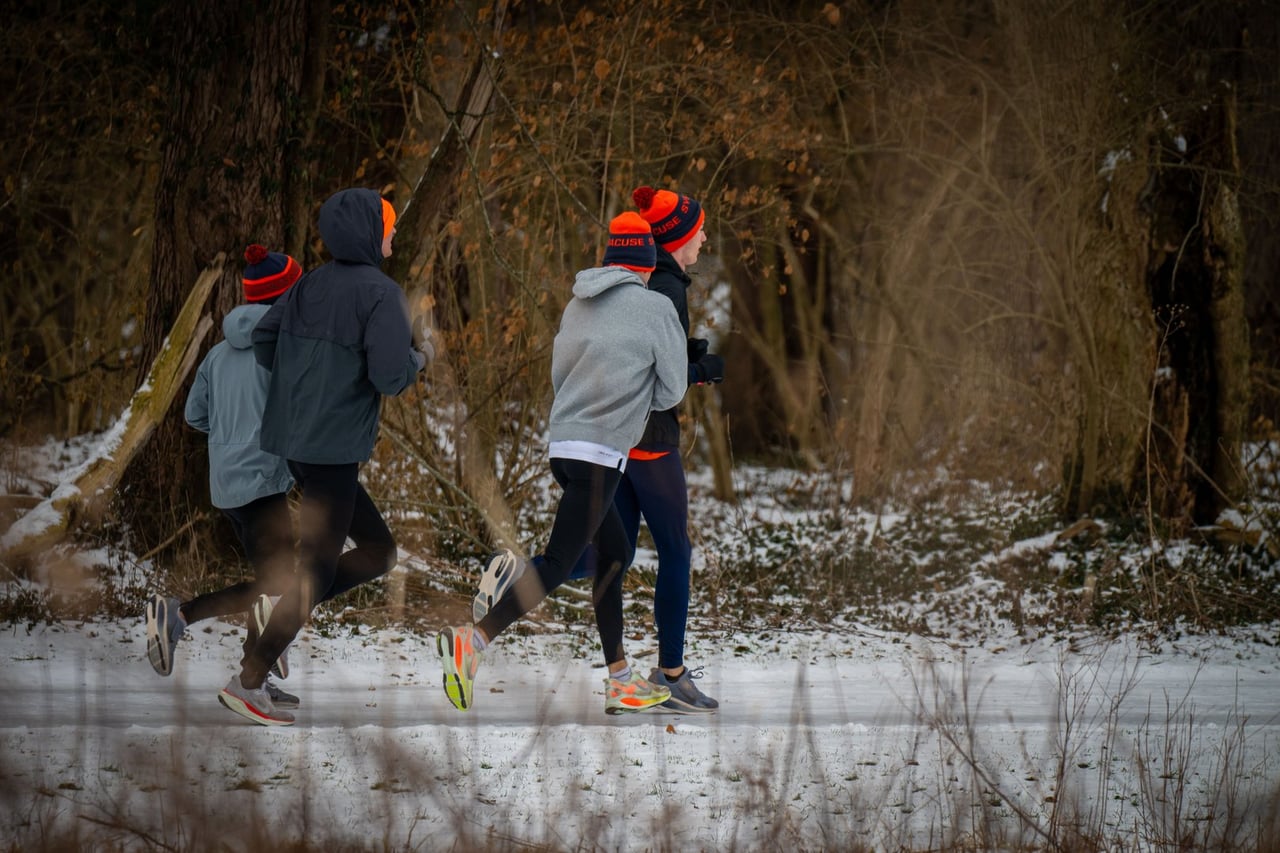
Winters here are long, so you may as well get outside and enjoy them. Whether you're cross-country skiing the trails in Gatineau Park, snowshoeing near Wakefield, skating, or playing hockey on a rink in Hull or Ottawa, what you eat before and after makes a real difference to your energy and recovery. Here's a dietitian's practical guide to fuelling an active Outaouais winter. This is general education, not individual medical advice.
Why winter activity changes your fuel needs
Cold-weather effort has a few quirks that make it easy to underestimate food and fluids.
Cold burns extra energy
your body works harder to stay warm, so longer outings in the cold can use more energy than the same effort in milder weather. Going out under-fuelled fades fast.
You still get dehydrated in the cold
cold air is dry and you lose fluid through breathing and sweat under layers, but you feel less thirsty, so it's easy to drink too little. Dehydration saps energy and warmth.
Carbs are your main winter fuel
for sustained activity like a long ski or snowshoe, carbohydrate is the body's go-to fuel. Topping up before and during longer outings keeps your pace up and your hands warm.
Before, during and after
Simple fuelling for a few hours on the trails or the ice.
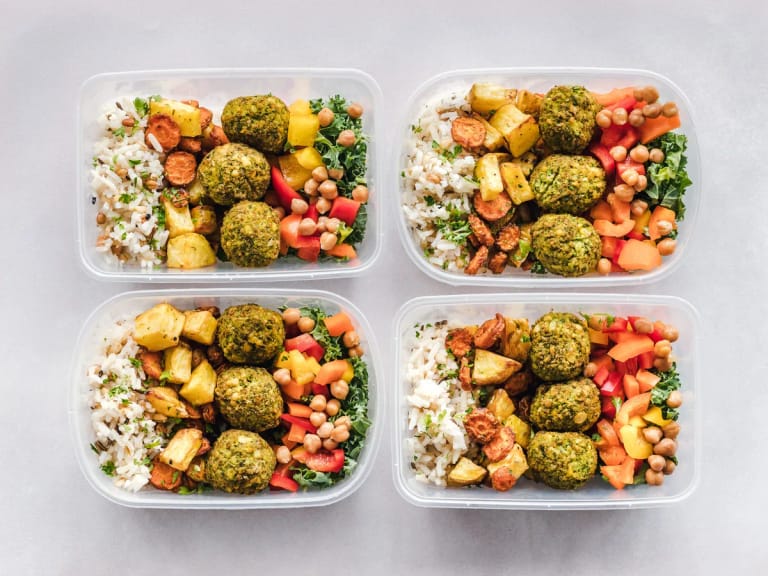
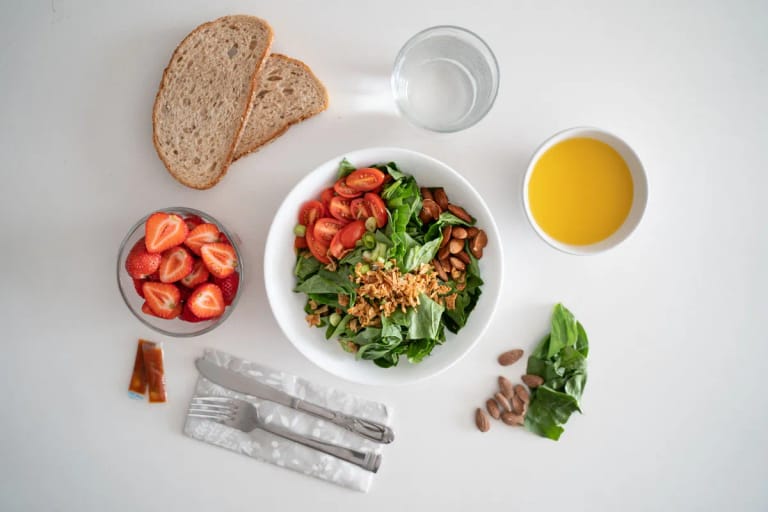
- Before (1–3 hrs out). A balanced meal with carbs and some protein: oatmeal with fruit and nuts, eggs with toast, or a rice bowl. Don't head out on empty.
- Right before. If it's been a while since you ate, a quick carb snack (banana, toast with honey, a date or two) tops up the tank.
- During longer outings. Pack easy, freeze-resistant snacks: trail mix, energy bars kept in an inside pocket, dried fruit. Cereal-style bars beat anything that turns rock-hard in the cold.
- Hydrate anyway. Bring water or a warm drink in an insulated bottle and sip regularly even if you're not thirsty.
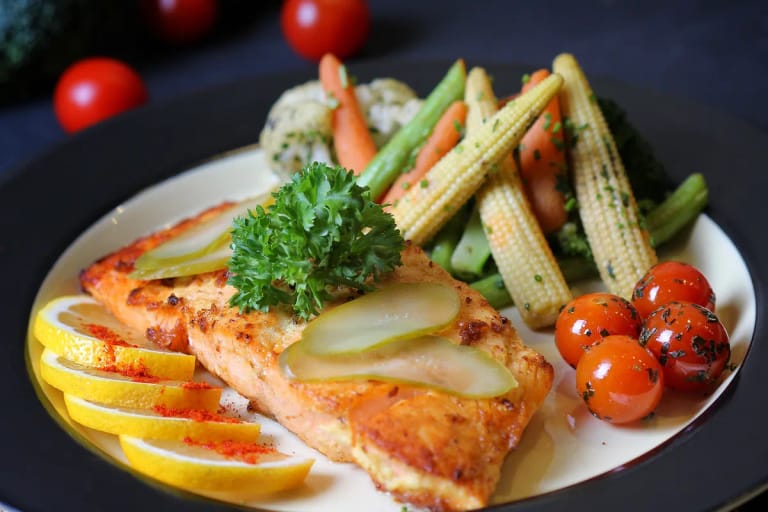
- After. Recover with carbs plus protein within a couple of hours: a hearty soup with bread, yogurt with granola and fruit, or a proper meal. This refills energy and supports muscle recovery.
- Warm up from the inside. A warm drink and a real meal after a cold outing helps you rewarm and refuel at once.
Where active winters happen around here
A few of the region's go-to spots for getting outside. Pack your snacks and water before you go.
Hundreds of kilometres of groomed cross-country ski and snowshoe trails, just minutes from downtown. It's the region's winter hub.
📍 Gatineau Park, Chelsea QCView on Google MapsThe world's largest skating rink when conditions allow. Bring freeze-proof snacks and a warm drink for longer skates.
📍 Rideau Canal, Ottawa ONView on Google MapsTrails, snowshoeing and a scenic village north of Hull: a classic Outaouais winter day out.
📍 Wakefield QCView on Google MapsCommon questions
- What should I eat before cross-country skiing in Gatineau Park?
- For a longer ski, eat a balanced meal with carbohydrates and some protein 1–3 hours before: oatmeal with fruit and nuts, eggs with toast, or a rice or pasta bowl. If it's been a while since you ate, add a quick carb snack like a banana right before you head out so you don't start on empty.
- Do I really need to drink water in cold weather?
- Yes. Cold, dry air and sweating under layers still dehydrate you, but you feel less thirsty, so it's easy to drink too little. Bring water or a warm drink in an insulated bottle and sip regularly. Staying hydrated helps your energy and helps you stay warm.
- What are good snacks for snowshoeing or a long skate?
- Pack easy, freeze-resistant options: trail mix, dried fruit, and cereal-style energy bars kept in an inside pocket so they don't turn rock-hard. For outings over an hour or two, eating a little carbohydrate along the way keeps your pace up and your hands warmer.
- Can a dietitian help with sports and activity nutrition?
- Yes. A registered dietitian can tailor fuelling and recovery to your activities, goals and schedule, whether you're a weekend skier or training more seriously. If you'd like personalized guidance, you can book a consultation with our team.
Want personalized advice?
Speak to a registered dietitian about your own situation — your first consultation is free.
Speak to a dietitian for freeYour first consultation is on us.
From your dietitianThe cold makes fuelling and hydration matter more, not less. Eat before you go, snack on the trail, and recover with a warm, balanced meal.
Rana Daoud, R.D.