Most people think of hydration as a summer problem, but Ottawa's long, cold, dry winters quietly dehydrate you too. You sweat less and feel less thirsty, so it's easy to drink far too little without noticing. Here's why winter hydration matters and how to stay on top of it.
The winter hydration myth
Thirst is a weaker signal in the cold, so it's an unreliable guide in winter. The dryness of heated indoor air plus winter activity like shovelling, skating, or walking in the cold adds up to real fluid loss that's easy to overlook.
Why an Ottawa winter dries you out
Ottawa winters are not only cold, they're exceptionally dry, indoors and out. A few things stack up to pull water out of you between November and March.
Dry outdoor air
Cold air holds very little moisture. Every breath you take outside humidifies that air with water from your body, and you exhale it. That's a steady, invisible fluid loss that climbs with exertion like shovelling or skating.
Dry indoor heating
Forced-air furnaces drop indoor humidity to desert-like levels all winter. Your skin and airways lose water to that dry air all day, even sitting at a desk.
A blunted thirst signal
Cold exposure reduces your sense of thirst, so the usual 'I'm thirsty' cue that protects you in summer barely fires in winter. You can be meaningfully under-hydrated and not feel it.
Easy ways to stay hydrated when it's cold
You don't have to force down cold water all day. A few habits make winter hydration easy.
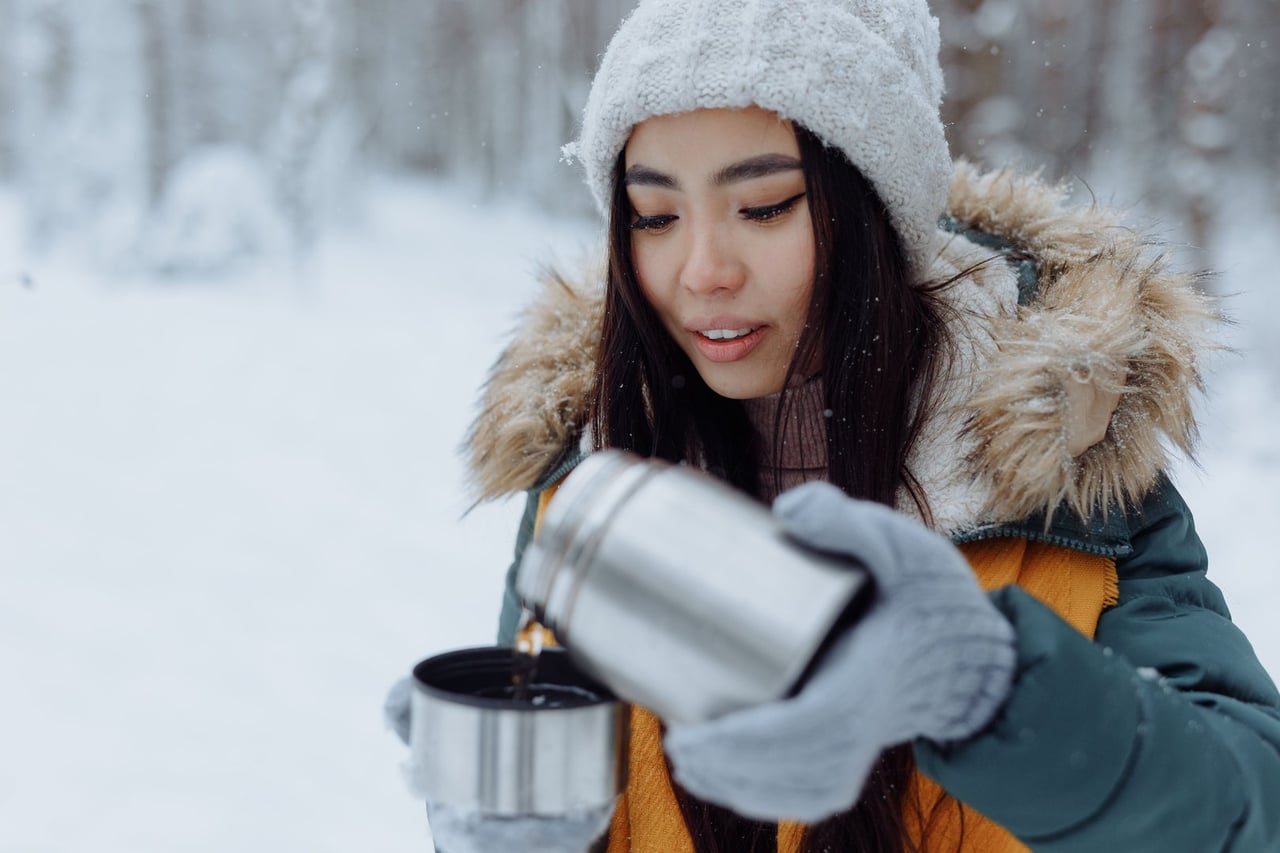
- Lean on warm drinks. Herbal tea, broth, or warm water with lemon all count, and they're easier to drink when it's cold out.
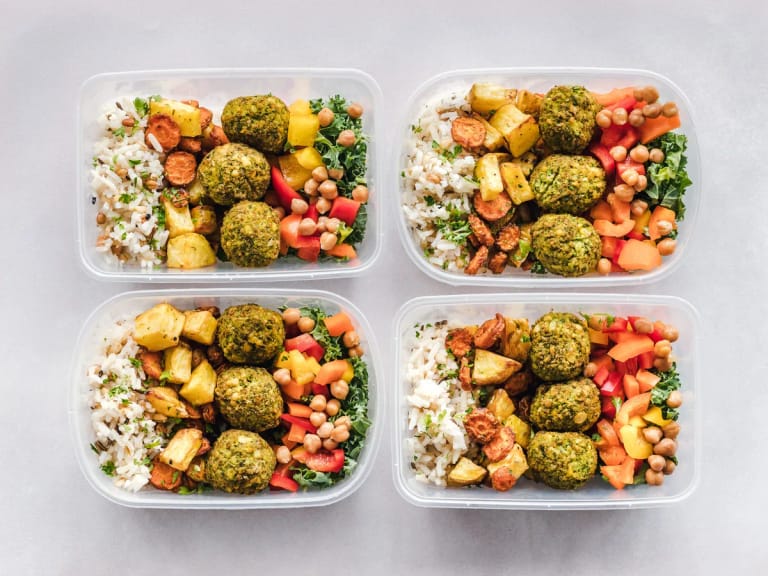
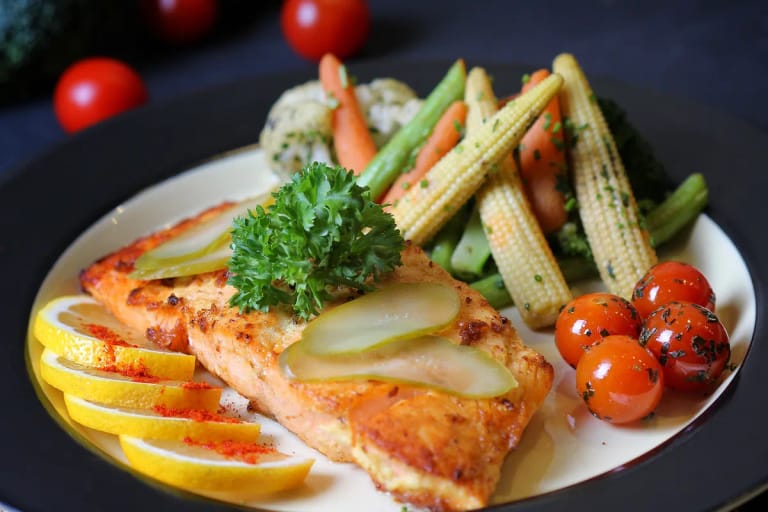
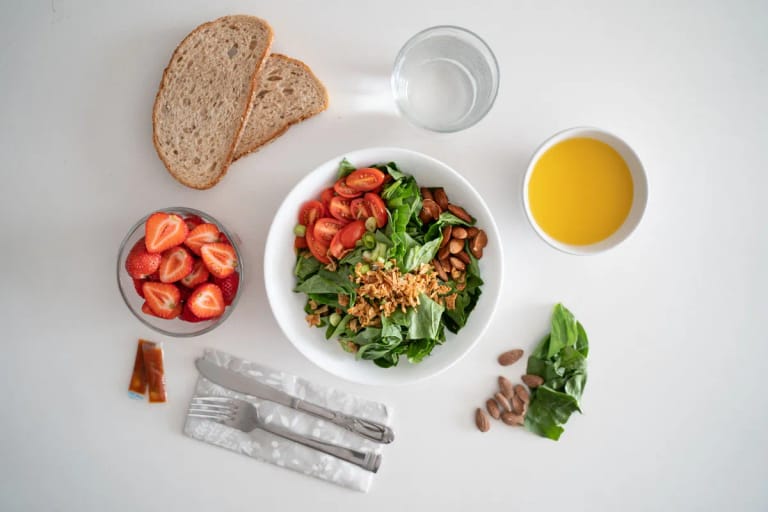
- Eat water-rich foods. Soups, stews, citrus, and crunchy vegetables add fluid along with nutrients.
- Keep a bottle visible. Out of sight is out of mind in winter. A bottle on your desk is a simple cue.
- Hydrate around winter activity. Drink before and after shovelling, skating the Rideau Canal, or a cold walk, not just when you're thirsty.
- Run a humidifier. Adding moisture to dry indoor air eases the load on your skin and airways, and helps with winter dryness and static.
- Watch the caffeine and alcohol. Both are easy to over-rely on in winter and can add to fluid loss.
- Check your urine colour. Pale yellow is the goal; darker means drink more. It's the most reliable winter cue, since thirst isn't.
Common questions
- Can you get dehydrated in winter?
- Yes. Cold, dry air, indoor heating, and fluid lost through breathing in the cold all dehydrate you, while a weaker thirst signal makes it easy to drink too little. Winter dehydration is common precisely because it doesn't feel as obvious as in summer.
- How much water should I drink in winter?
- General guidance is similar year-round: roughly 2 to 3 litres of total fluid a day for most adults, including water, other drinks and water-rich foods. Needs vary with body size, activity and health, so use thirst, energy and urine colour as rough guides and drink steadily rather than all at once.
- Do warm drinks count toward hydration?
- Yes. Herbal teas, broth, and warm water all hydrate you. Water-rich foods like soups, stews and fruit count too. In winter, leaning on warm fluids is often the easiest way to drink enough.
- What are the signs of dehydration in winter?
- Watch for dark yellow urine, headaches, fatigue, dry skin and lips, and difficulty concentrating. Because thirst is a weak signal in the cold, these other cues, especially urine colour, are more reliable in winter.
- Does dry winter air really affect hydration?
- Yes. Cold outdoor air and heated indoor air are both very dry, and your body loses water to that dryness through your skin and especially through breathing. Running a humidifier indoors and drinking steadily both help offset it.
Want personalized advice?
Speak to a registered dietitian about your own situation — your first consultation is free.
Speak to a dietitian for freeYour first consultation is on us.
From your dietitianIn winter, thirst shows up late, so don't wait for it. A visible water bottle and a few warm drinks through the day are all most people need.
Rana Daoud, R.D.